Just Listed: Enter the tree lined drive of this 5.6 acre home in the town of Yukon!


Enter the tree lined drive of this 5.6 acre home in the town of Yukon

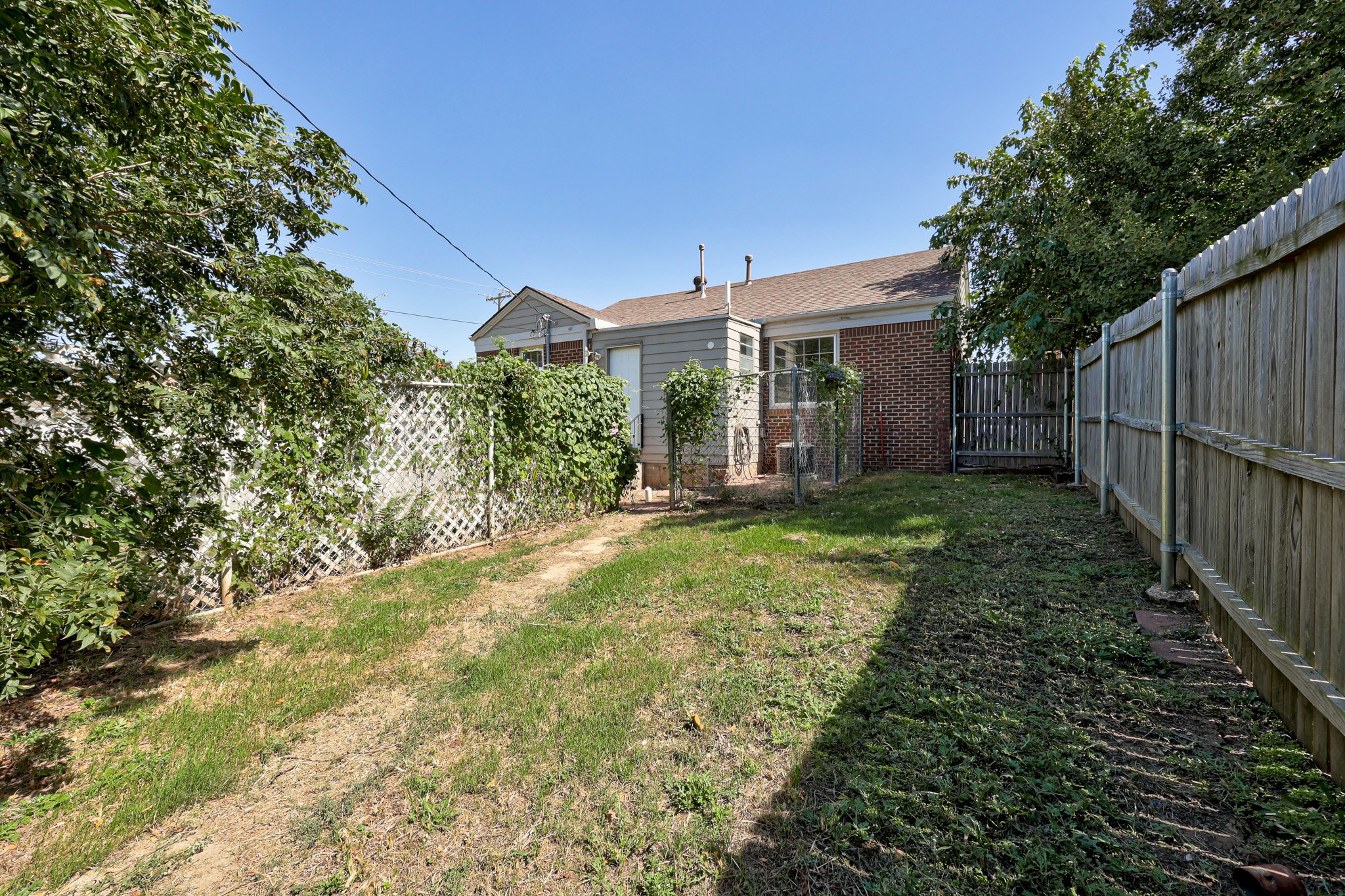
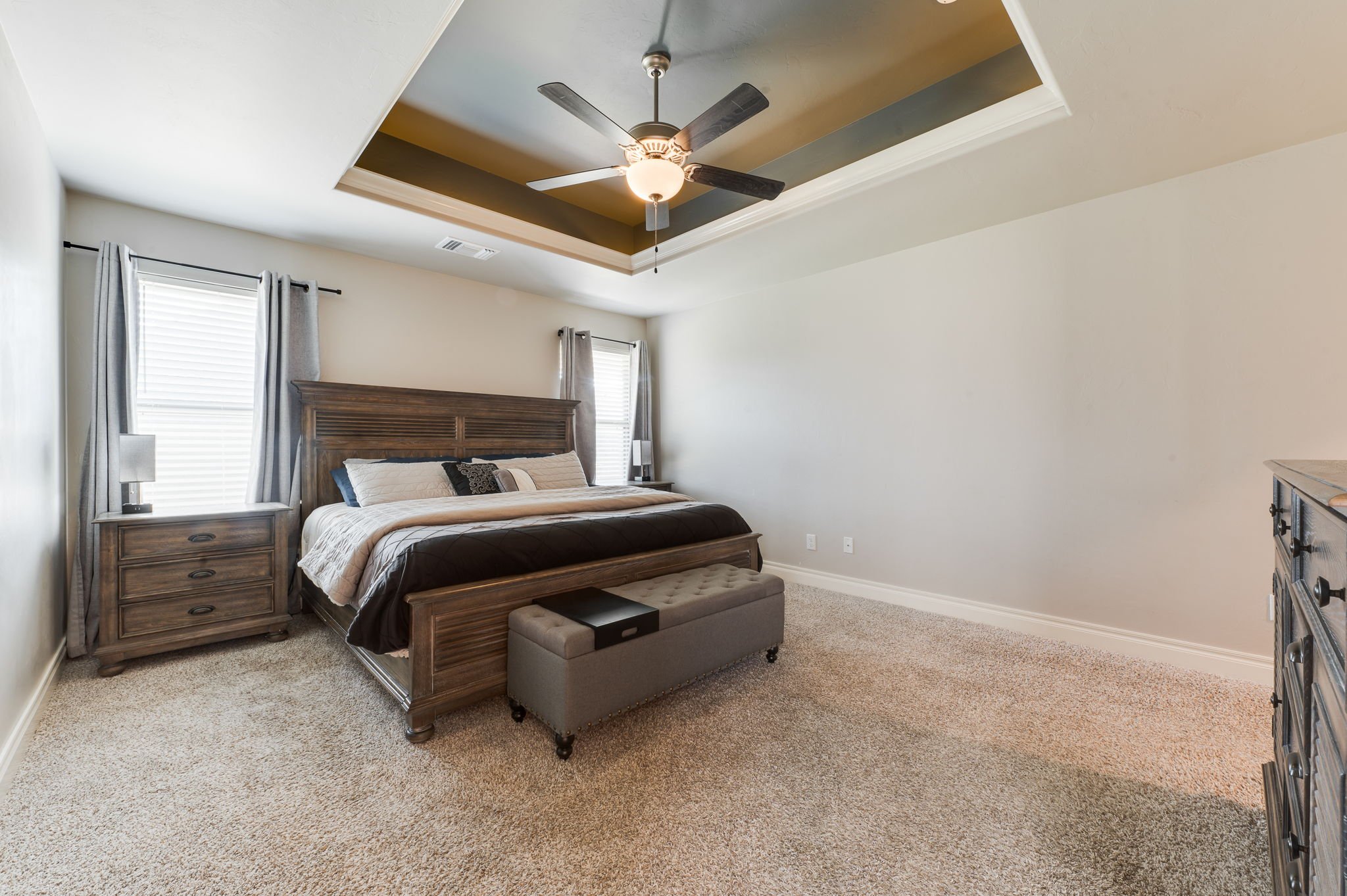
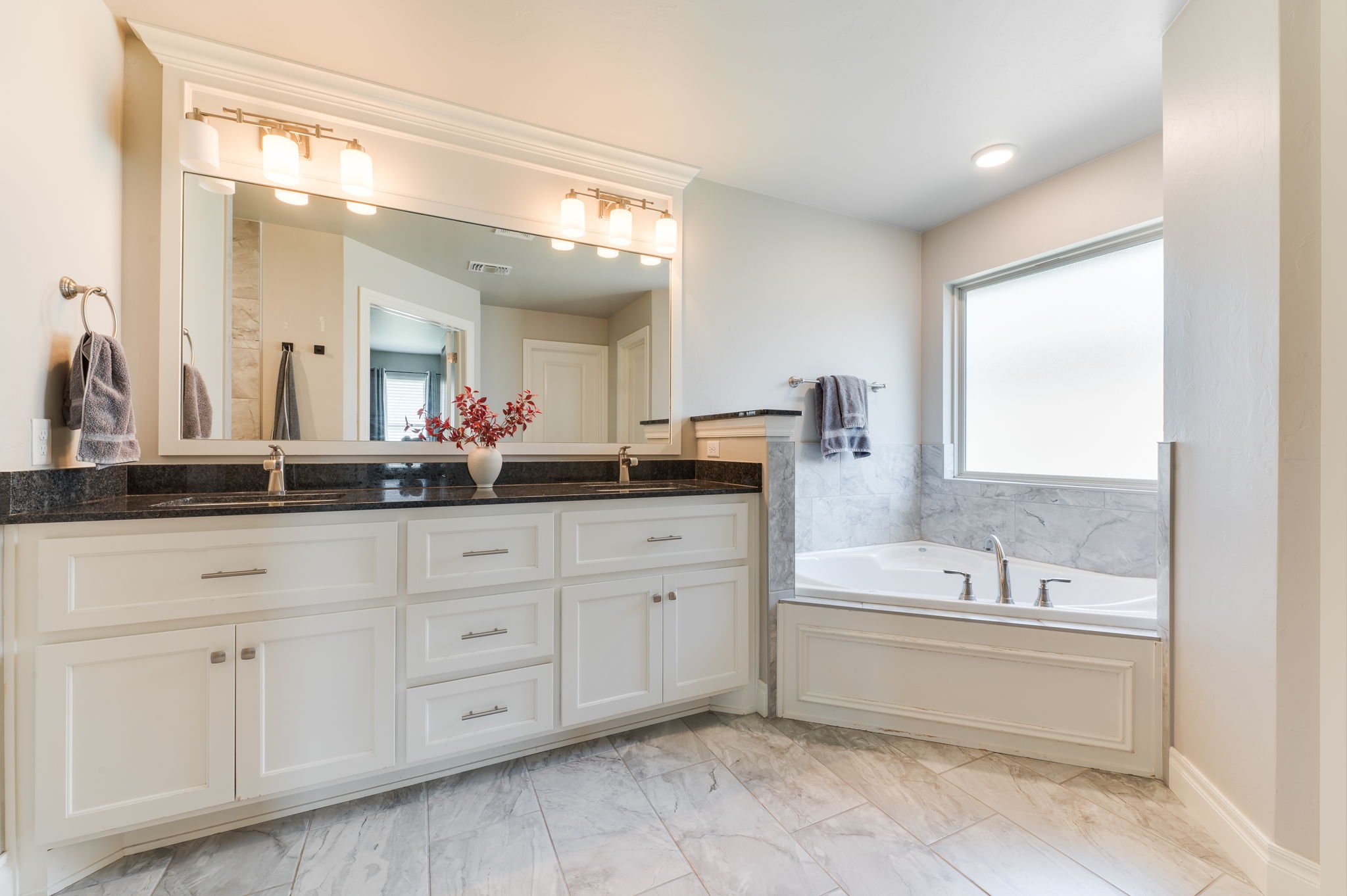
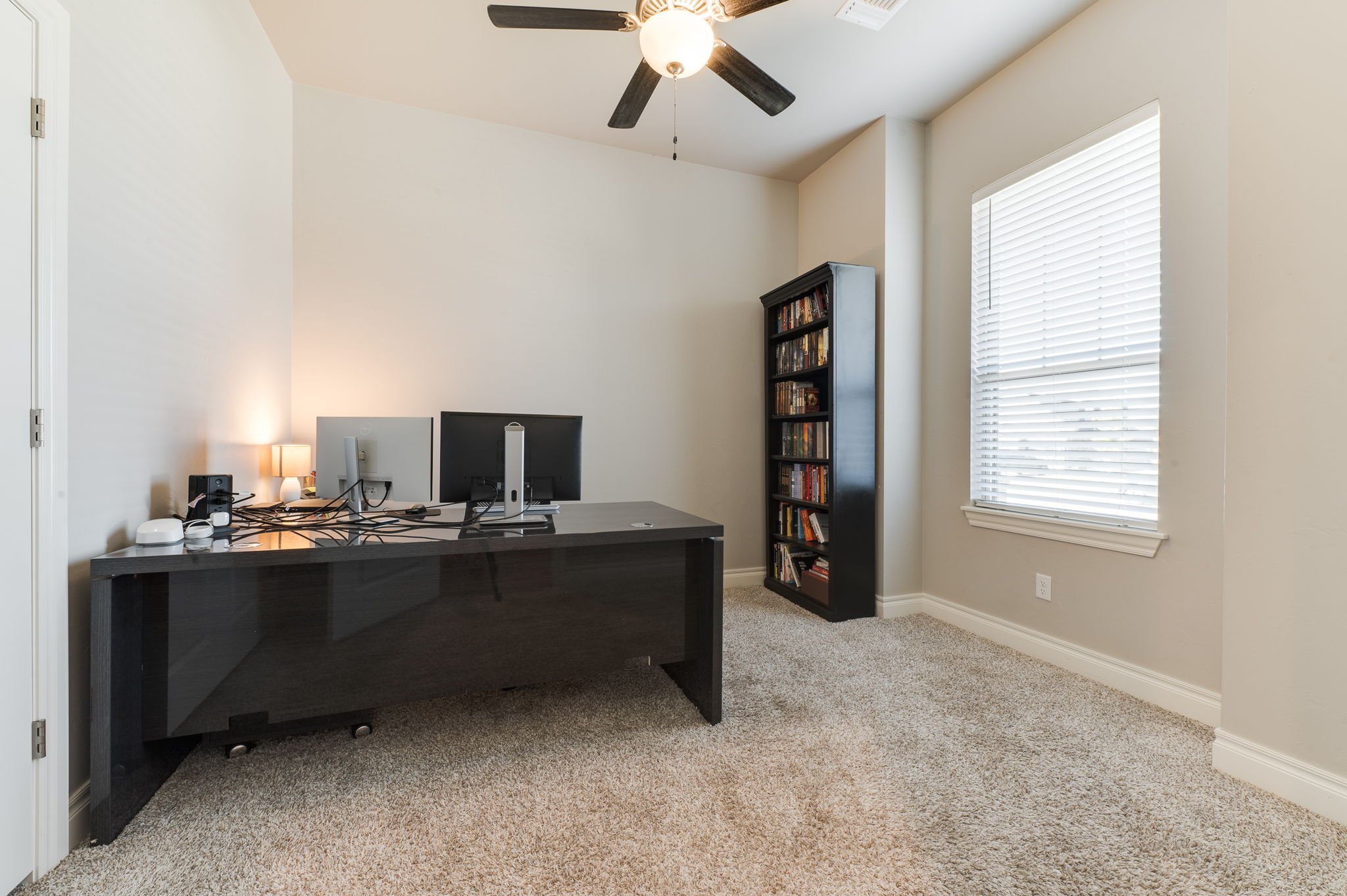
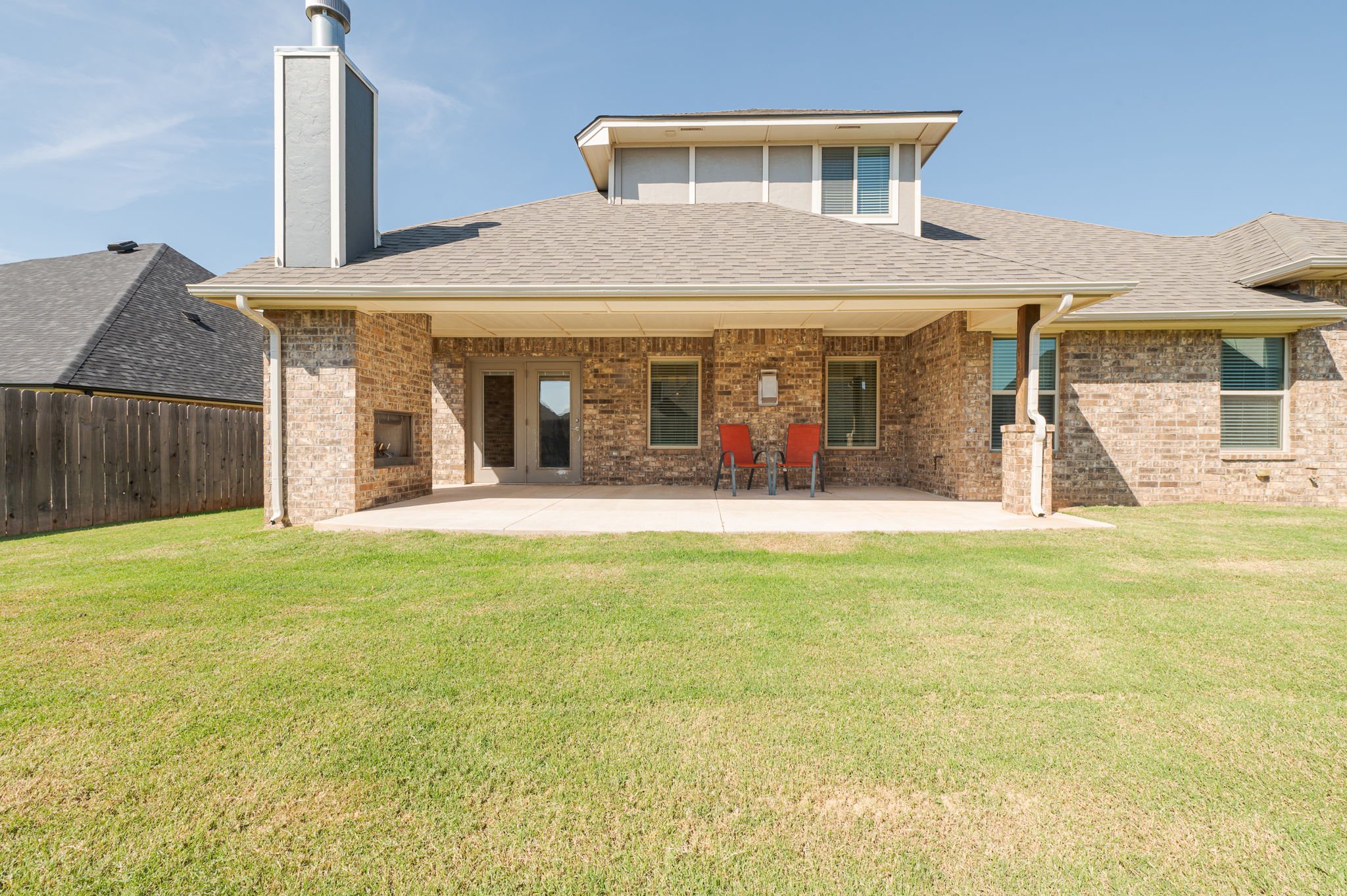
The 3,199sq ft home has a pond, pool, pool house, shop and numerous amenities. The front porch welcomes with anticipation of viewing what's inside. The entryway is flanked by formal dining and living rooms. Real wood floors fill the lower level living areas. Relax in the informal living room with fireplace and large picture windows overlooking the cedar covered porch, outdoor kitchen, party lights, firepit, and surround seating for company. Breakfast nook and kitchen are just off the living room along with a 2 glass display cabinet and computer station. The kitchen has an island with vegetable sink, coffee bar, plant window, walk in pantry, and storage galore. Laundry room provides additional storage and laundry sink. Primary suite has a fireplace, private door to back patio, sitting area and 2 closets, double vanities, jetted tub adjacent to the walk in shower. Upstairs you will find 3 secondary bedrooms. One bedroom has a secret room and private full bath. The hall provides a full bath and 2 secondary bedrooms. If you love window views this home has them everywhere. Beautiful white plantation shutters downstairs. Once you're done admiring the inside of the home let us give you a tour of the 5.6 acre grounds, gunite pool, pool house with beverage kitchen, living area, shower and bathroom. Approx. 300sqft shop is attached to the pool house for your mowing equipment and side-by-side. The land is sure to please with mature trees, pond and rolling terrain. Sprinkler system, water softener, security system, frost freeze spigots, water well, and city water. Just west of Garth Brooks Blvd, south of Hwy 66 you are near restaurants, shopping and more while having the room to spread out and enjoy country living...in town!

Listed by Lynne Hamilton for West + Main Homes. Please contact Lynne for current pricing + availability.


Have questions?
West + Main Homes
(303) 935-8787
hello@westandmain.com

Presented by:
Lynne Hamilton
405-808-3936
lynne@westandmainok.com


Search homes in Oklahoma
 

Just Listed: Stunning remodeled home in historical down town El Reno!


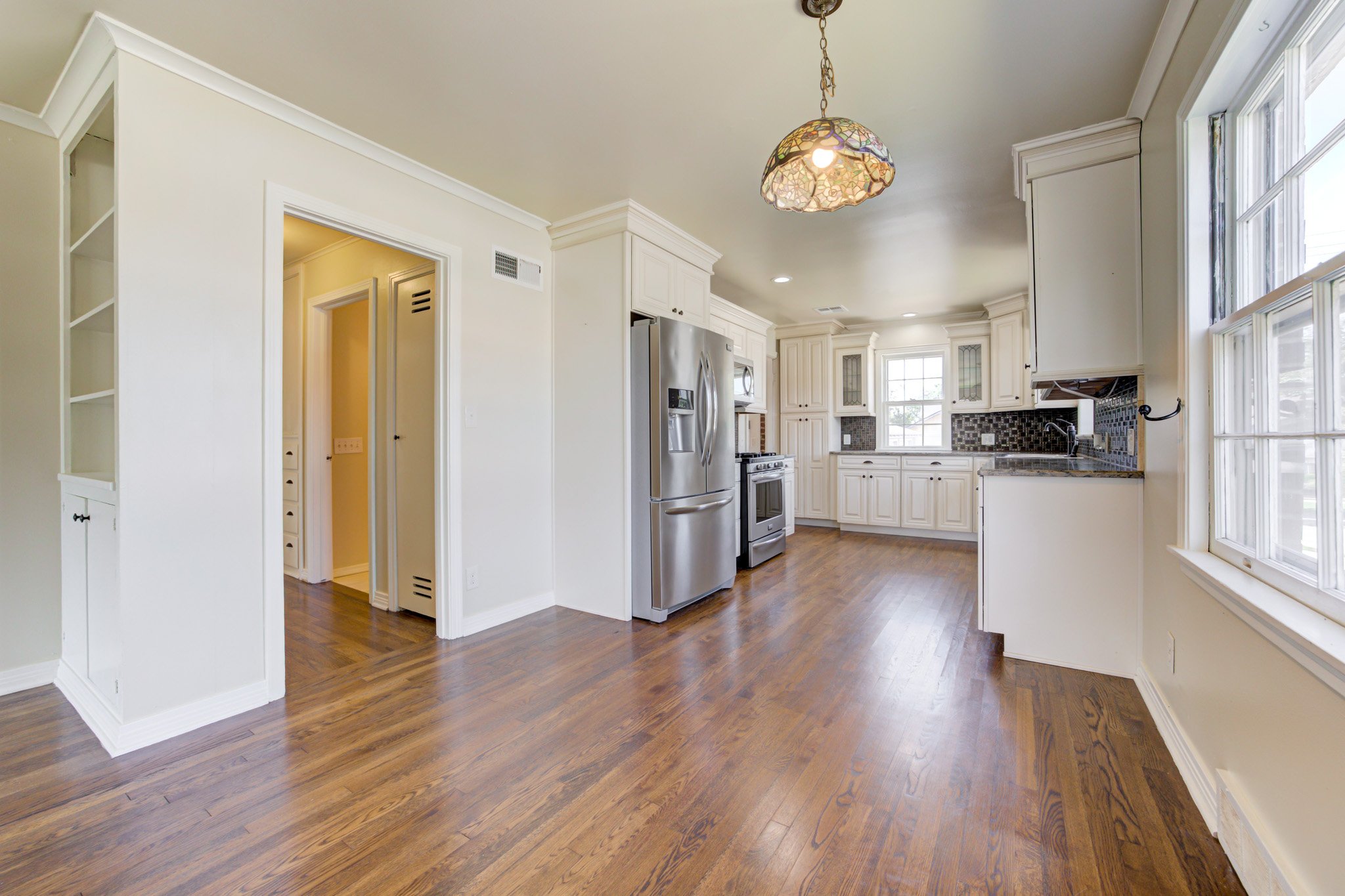
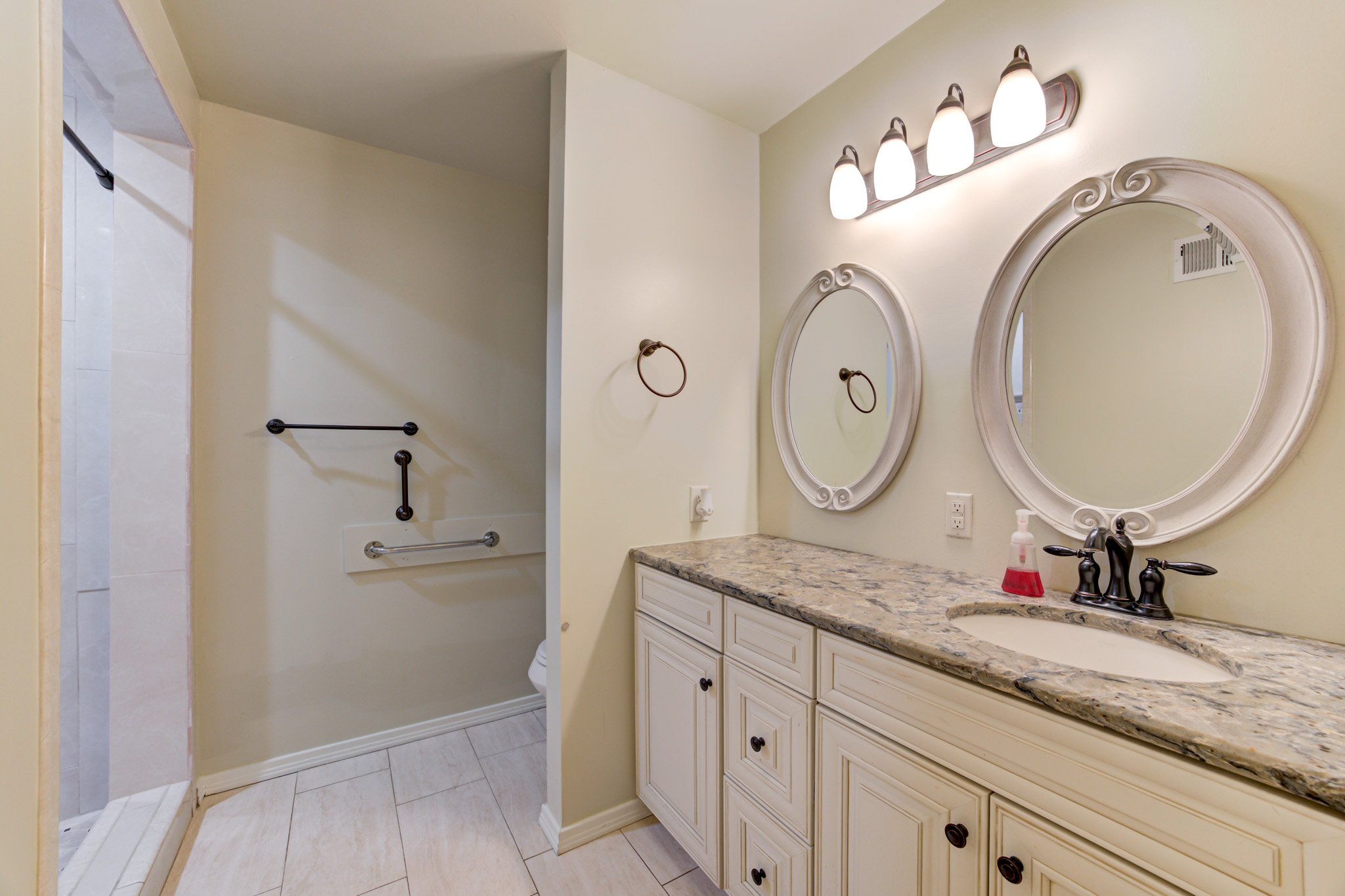
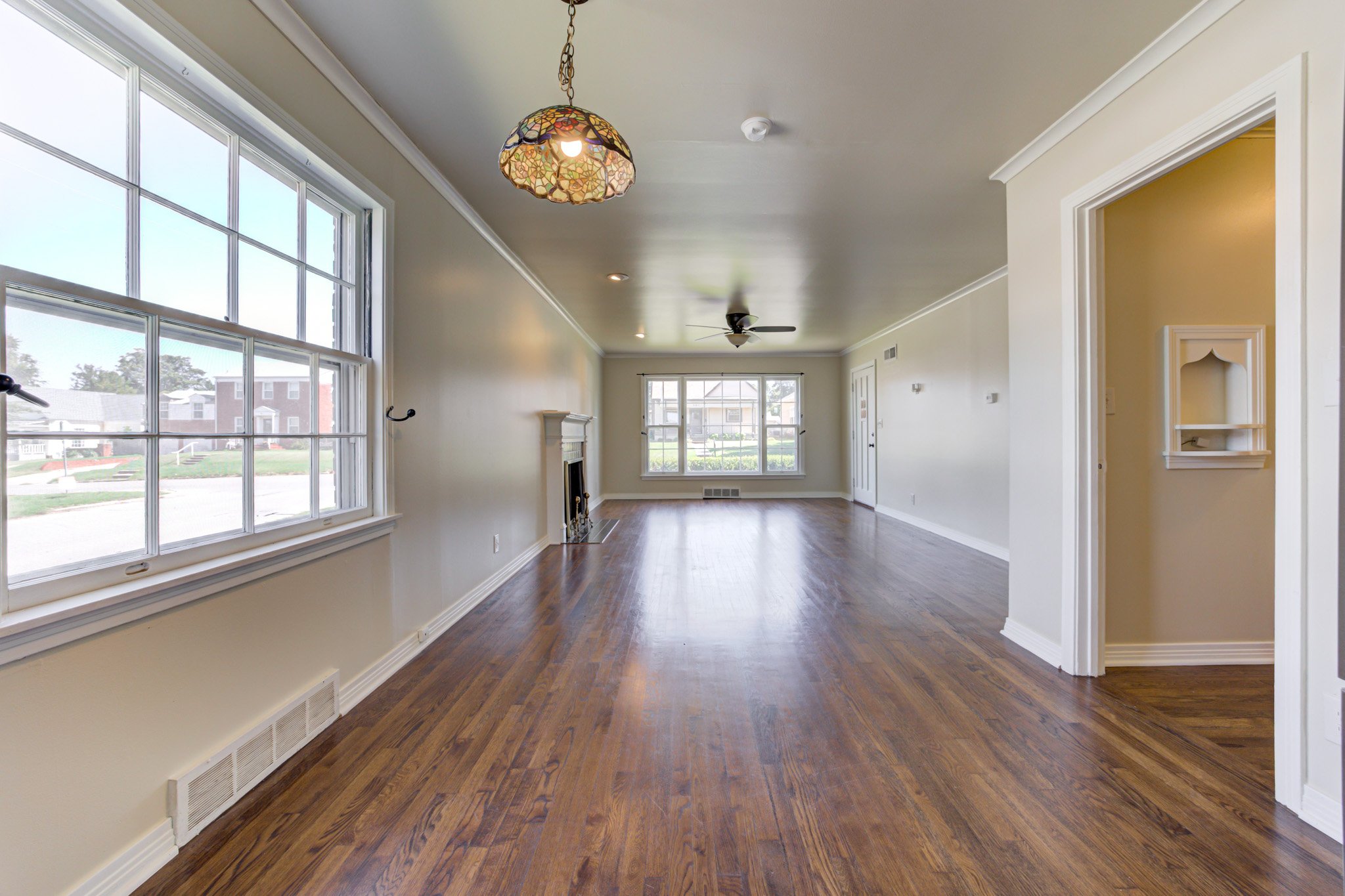
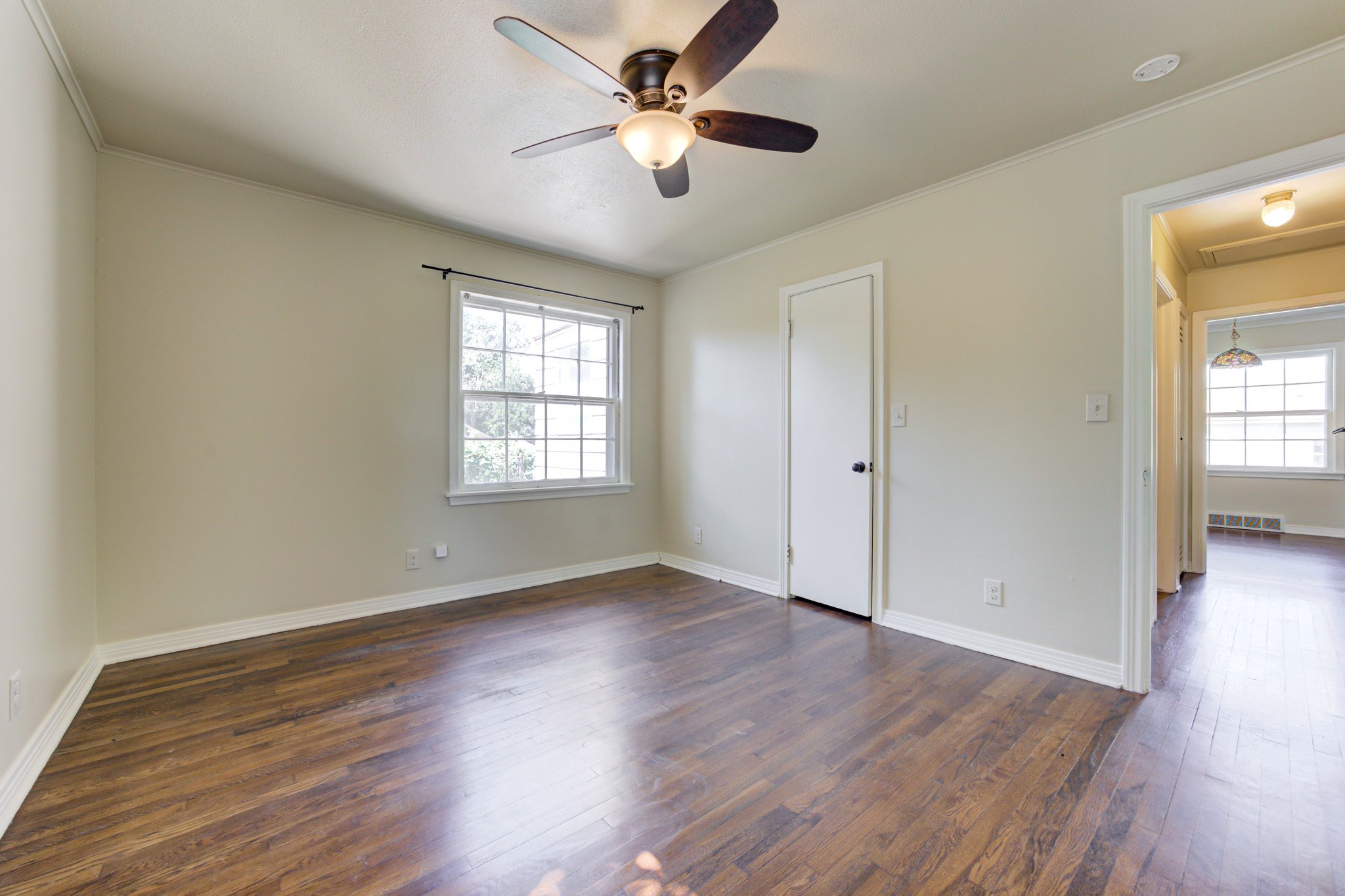
Stunning remodeled home in historical down town El Reno. This home sits on a large corner lot with a detached 2 car garage, granite counter tops and beautiful hardwood floors through out.

Listed by Amanda Cockrell for West + Main Homes. Please contact Amanda for current pricing + availability.


Have questions?
West + Main Homes
(303) 935-8787
hello@westandmain.com

Presented by:
Amanda Cockrell
405-802-9882
amanda@westandmainok.com


Search homes in Colorado
 

Just Listed: Highland Village Beauty with a $3500 Closing Cost Credit!


$3500 Closing Cost Credit with Competitive Offer!

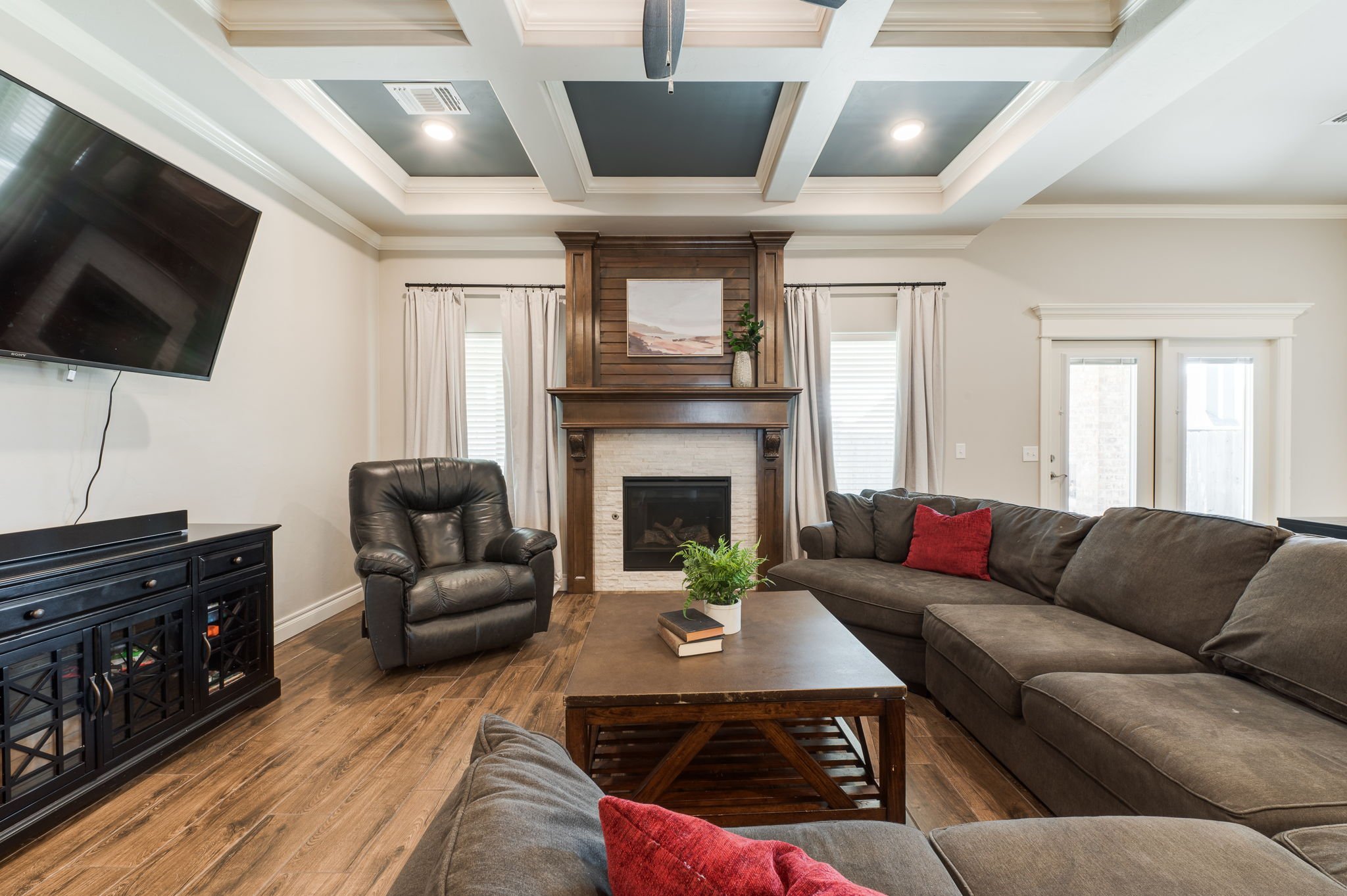
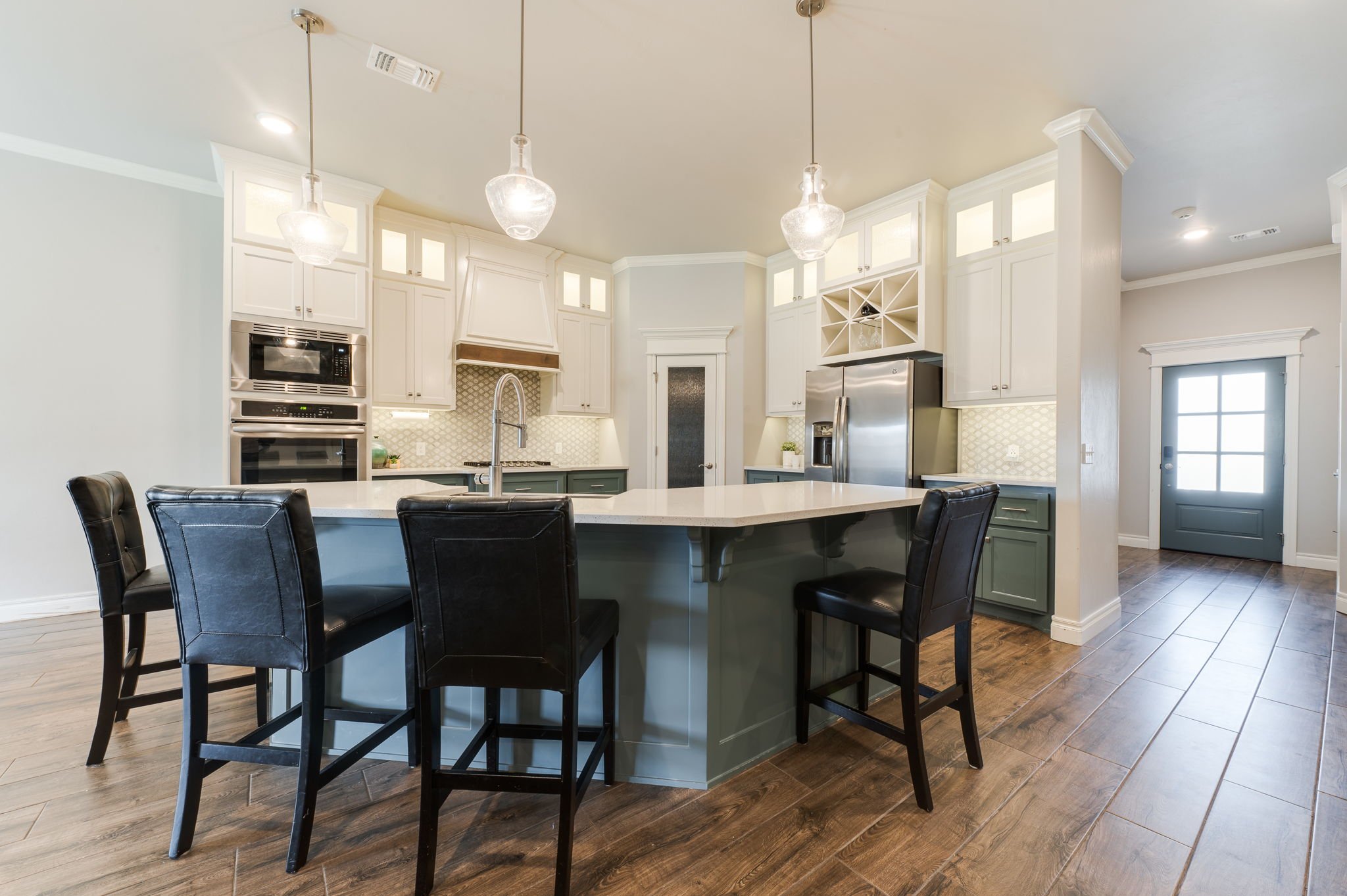
Welcome home in Highland Village. This stunning home boasts a spacious and well-designed floor plan, as well as generously-sized, comfortable living spaces. As you step inside, you'll immediately notice the beautiful wood-look tile flooring that flows throughout the main living areas, giving the home a warm and inviting feel. To the left, you’ll notice a room that could be utilized as a study or bedroom. Continuing through the house, you’ll see the open-concept design that creates a seamless flow from room to room, making it ideal for both daily living and entertaining. The kitchen features custom cabinetry to the ceiling, double ovens, a 5 burner gas range, stainless steel farm sink, and oversized pantry. Upstairs you'll find an oversized bonus space plus full bath…perfect for a theater room, play room, workout area, or additional study. Don't miss the massive European style shower, jacuzzi tub or generous closet in the primary suite. Additional features of the home include a tankless hot water heater, 3 car garage, and storm shelter. The neighborhood offers a pool, parks, trails, and ponds as well as access to excellent schools, shopping, dining, and more. Are you ready to make this home yours? Schedule your showing today!

Listed by Katy McEntire for West + Main Homes. Please contact Katy for current pricing + availability.


Have questions?
West + Main Homes
(303) 935-8787
hello@westandmain.com

Presented by:
Katy McEntire
405-861-1191
katy@westandmainok.com


Search homes in Colorado
 

Rent Now, Buy Never? The Cities Where Paying Cheap Rent Makes More Sense Than Buying a Home


For many first-time homebuyers, making the gigantic leap from paying a landlord every month to making a mortgage payment is the difference between shelling out for just another bill—and making a true investment in their future. It can be a life-changer.

But making that leap has gotten harder as home prices and mortgage rates have skyrocketed. The Realtor.com® annual Rent vs. Buy analysis shows just how difficult it’s become for many first-time homebuyers across the country. That’s why we dug into the numbers to find the places where renters can save a few bucks (and we do mean a few) by buying, and where it’s still cheaper to remain a renter.

Spoiler alert: There aren’t many places left where buyers will have lower monthly mortgage payments than what they would have paid renting. It was cheaper to buy rather than rent in just three of the 50 largest metropolitan areas. In all the rest, residents could save more by renting. So we calculated how much more, and what places offer renters the best deals versus buying.

Higher mortgage rates, above 7%, pushed up the monthly bills of homeowners to more than $2,860 in August, including estimated property taxes and insurance costs. Meanwhile, the median monthly rent is about $1,750 in the 50 largest metropolitan areas.

So renters looking at the prospect of purchasing are facing monthly bills totaling $1,100 more—and that’s after saving tens of thousands of dollars for a down payment and closing costs.

In addition to the effect of the high home purchase cost, rents have come down in the past year, widening the gap between buying and renting, notes Realtor.com economist Jiayi Xu.

“In August 2023, the median asking rent for two-bedroom units dropped -0.7%, marking the fourth consecutive month of annual declines,” Xu wrote in her detailed report on renting versus buying.

Buying a home has always been difficult in the nation's priciest housing markets, particularly areas in the West that have experienced the biggest price growth. But as rental prices have simultaneously dropped in many of these markets, the scales may tilt toward renters putting off homeownership longer.

To calculate whether it's cheaper to rent or buy, we used the August 2023 median rental prices for studio, one-bed, and two-bed homes, weighted by the number of listings, in each metropolitan housing market, and compared that with the monthly buying costs for a median-priced home—assuming a 7% down payment, with a mortgage rate of 7.07%, and including all fees and taxes. Only the 50 largest metropolitan areas were included in the analysis.

For those interested in digging into these numbers further, the Realtor.com "rent or buy" calculator can provide even more individualized analyses.

Here are the top 10 metros where renters will save the most money, comparing median rents with median monthly home purchase costs.


1. Austin, TX

Median monthly home purchase cost: $3,946
Median monthly rent cost: $1,670
Median monthly home purchase premium: $2,276 (136%)

Finding the Texas capital at the top of our list is no big surprise. In the metro whose motto is "Keep Austin Weird," the housing market has lived up to this axiom, with the monthly cost of purchasing a home rising by 9.2% from this time last year, but with rents dropping a whopping 8%.

This all comes in the wake of Austin's housing market explosion over the past few years, with soaring new demand pushing home prices up at a record pace.

The Austin home market has cooled, to be sure, with prices now about 2% below where they were in August 2022. But those modest price declines are nothing compared with the impact of higher mortgage rates on the average monthly payment.

2. San Francisco, CA

Median monthly home purchase cost: $5,859
Median monthly rent cost: $2,906
Median monthly home purchase premium: $2,953 (102%)

San Francisco is no stranger to a high cost of living. Home prices here have been at or near the top of the scale for a long time. But with mortgage rates at 20-year highs, the monthly cost to purchase a median-priced home here has climbed to almost $5,900.

Whereas the median rent cost is less than half of that.

"Housing affordability is a huge social and economic issue in San Francisco and the Bay Area," says Patrick Carlisle, the chief market analyst for the San Francisco Bay Area for Compass. "And there are certainly perfectly legitimate personal and economic reasons for renting."

But Carlisle is quick to warn that the difference in monthly cost is just one piece of the pie: "The decision whether to rent versus buy is much more complicated than [just] comparing median rents and home payments at a certain point in time."

The effect of overall inflation, along with home value appreciation, means that homeowners can expect the investment in their home will pay dividends for years to come.

"Over the longer term, it's called the 'forced savings effect,'" Carlisle says. "This can be a huge factor in building personal wealth. Rent is always money gone forever: It never builds into a financial asset of any kind."

3. Columbus, OH

Median monthly home purchase cost: $2,458
Median monthly rent cost: $1,222
Median monthly home purchase premium: $1,236 (101%)

Columbus is one of the few areas on our list where rents have gone up over the past year. In most of these metros, home prices have climbed and rents have dipped. But here's the twist: In Ohio's capital city, both are rising.

The cost of living in Columbus is lower than the national average—as has historically been the case for much of the Midwest—but home prices are climbing fast, compared with the rest of the country. In August, the median list price per square foot in Columbus was up almost 8% compared with the same time last year.

Columbus stands out on the list, Xu explains in her report, because it's still affordable relative to the rest of the country.

"The monthly buy-cost was well below the top-50 average," Xu writes.

4. Sacramento, CA

Median monthly home purchase cost: $3,779
Median monthly rent cost: $1,898
Median monthly home purchase premium: $1,881 (99%)

California's capital spotlights the West Coast's overall affordability challenges, where even above-average incomes aren't enough to make up for the high cost of housing.

And when it comes to home prices, Sacramento in particular has seen a significant price pump over the past year, with a 9% appreciation, putting the median home at $672,000.

Most of the rise in home values, says Steve Ostrom, a real estate agent at Coldwell Banker Realty in the Sacramento suburb of Roseville, is due to the influx of residents fleeing an even more expensive nearby metro that's also on our list: "It's the transplants coming in from the Bay Area."

Since the beginning of the pandemic, Ostrom says, people who could now work remotely, or even hybrid workers who might commute a couple of days each week, have poured into Sacramento.

"Our prices just shot up," he says.

And even though the median monthly rent price is almost half of the median monthly home purchase cost, "the rental market is tough here, too," he continues. "There's just a lot of demand all around."

5. Los Angeles, CA

Median monthly home purchase cost: $5,672
Median monthly rent cost: $2,892
Median monthly home purchase premium: $2,780 (96%)

The median home price in the Golden State's biggest metro is now a whopping $1.16 million, and the price per square foot is up 8.8% compared with the same time last year.

The L.A. area, of course, has tons to offer, from the year-round glory of its Mediterranean climate to its world-famous beaches, to the glamour of Hollywood. It's no wonder this metro has grown to almost 13 million people.

But the lack of homes to accommodate all those residents keeps prices on the rise, and coupled with elevated mortgage rates, the monthly cost to purchase a median-priced home has gone up more than $1,000 in the past year. That translates into a 23% increase in the cost of owning a home.

6. San Jose, CA

Median monthly home purchase cost: $6,581
Median monthly rent cost: $3,367
Median monthly home purchase premium: $3,214 (96%)

The San Jose metro differs from other parts of the country, for sure, but it even stands out in California.

San Jose, in the heart of Silicon Valley, is where home shoppers will find some of the highest home prices in the country—and the most expensive monthly payment of any place on our rent versus buy comparison.

To put the San Jose home prices in context, with a monthly purchase cost of almost $6,600 for a median-priced home here, a 20% down payment would be almost $300,000. To keep this home "affordable," using the rule of spending no more than 30% of income on housing, a buyer would still need an income of around $300,000 or more.

7. Portland, OR

Median monthly home purchase cost: $3,314
Median monthly rent cost: $1,709
Median monthly home purchase premium: $1,605 (94%)

This one-of-a-kind city is so amusingly funky, it even spawned an absurdist cable show about its quirks and kinks. Its lush landscapes, ample outdoor culture, and eco-friendly ethos have drawn like-minded people to "The City of Roses" for decades.

But it's also quite expensive, with a median home price of $638,000, about 40% higher than the national median. While prices in Portland grew quickly during the pandemic, they've remained relatively stable recently, with prices up only about 1% compared with one year ago.

Nonetheless, the monthly cost to buy here is about 15% above the national average, but renting there is about 2.5% less than the U.S. average rent price.

8. Boston, MA

Median monthly home purchase cost: $5,526
Median monthly rent cost: $2,851
Median monthly home purchase premium: $2,675 (94%)

Boston is the only East Coast city to make our list of where renters save the most money compared with buying.

Renting in Beantown is about 63% more expensive than the national average. But even at that high price, renters will still save almost $2,700, compared with the monthly cost to buy a median-priced Boston-area home, now at around $844,000.The monthly home purchase cost is up almost 30%, the biggest monthly purchase cost increase of any place on our list.

9. Seattle, WA

Median monthly home purchase cost: $4,156
Median monthly rent cost: $2,168
Median monthly home purchase premium: $1,988 (92%)

Seattle, another major U.S. tech hub, has been drawing high-skilled workers over the past several decades and driving up wages to roughly 40% above the national average.

Those higher-than-average wages have helped push home prices up in this lush, sprawling metro area, where the median home price is now $815,000 and rising. The metro is seeing about a 5% appreciation in price per square foot over the past year.

Meanwhile, rents have come down almost 4% over the past year.

10. Phoenix, AZ

Median monthly home purchase cost: $3,015
Median monthly rent cost: $1,595
Median monthly home purchase premium: $1,420 (89%)

The Phoenix metro area shows significant savings for renters, following what was a feverish period of home value appreciation. Between the middle of 2019 and the price peak in the middle of 2022, home prices increased by more than 60%. Out of the 50 largest metros, only Tampa, FL, and Austin, TX, had faster price growth during that period.

Now, even as prices have declined in Phoenix over the past year, down about 6% from the price peak last summer, the monthly cost to buy there is still up by 25%, because of higher mortgage rates.

At the same time, the median monthly rent price is down about 4.5%, offering renters in the Valley of the Sun a savings of $1,400 on the median rental each month compared with the median monthly home purchase cost.


While renters will save the most money in much of the country, there are three remaining markets where buying a home will save someone money each month, compared with comparable rent prices. These places tend to be more affordable areas, but even here the savings have shrunk as they are squeezed by elevated mortgage rates.

1. Memphis, TN

Median monthly home purchase cost: $1,285
Median monthly rent cost: $1,328
Median monthly home purchase savings: $43 (-3%)

2. Pittsburgh, PA

Median monthly home purchase cost: $1,490
Median monthly rent cost: $1,529
Median monthly home purchase savings: $39 (-3%)

3. Birmingham, AL

Median monthly home purchase cost: $1,263
Median monthly rent cost: $1,269
Median monthly home purchase savings: $6 (-1%)

Learn more at realtor.com

Related Links

If there is a home that you would like more information about, if you are considering selling a property, or if you have questions about the housing market in your neighborhood, please reach out. We’re here to help.

Search Homes in Colorado
Search Homes in Oklahoma
Search Homes in Oregon
Search homes in Minnesota

9 Cheap Backyard Ideas That Don’t Use Grass


You’ve heard the saying: The grass is always greener on the other side.

That might be true, but that greener grass might not be the easiest to care for! The fact is that lawn maintenance takes time, energy, and expenses that you might not be all that interested in investing. Or perhaps you’ve budgeted and put effort into having a beautiful lawn, but your rocky soil and harsh climate have made your attempts unsuccessful.

No matter your reasons for wanting to be grass-free, you don’t have to succumb to the United States way of maintaining your yard. For centuries, folks all over the globe have focused their efforts on alternative plantings, helpful vegetation, and creative hardscapes instead of simply planting classic turf. If you’re ready to live a lower-maintenance, grass-free life, here are nine cheap yard ideas that don’t include grass.

Make a rock garden

If you loved your pet rock as a child, have a grown-up version by curating an easy-maintenance rock garden. According to Andrew Connolly, owner of Little Flower Cottage, these stone-laden areas are perfect for yards with rocky terrain and poor-quality soil. If you’d like to add plants, gather stones in various shapes and sizes and pepper low-maintenance plants like sedums and alpines in between.

“Rock gardens are visually striking, require minimal watering, and can thrive in harsh conditions,” Connolly adds. This style of hardscape garden can have a beautiful impact on your yard and add visual interest with its various rock formations — with or without plants.

Opt for a synthetic lawn

Artificial turf is ideal for those who crave the look of grass without the hefty maintenance schedule. Fake grass has come a long way and can often pass as natural vegetation. “Transitioning to an artificial grass lawn significantly reduces the time and effort required to maintain the lawn and is also eco-friendly, eliminating the need for watering, fertilizers, and pesticides,” says Celine Ferreira, a marketing specialist with AGL Grass. Beyond lawns, synthetic grass is also an option for balconies and terraces for a softer feel.

Sow wildflowers

Wildflowers are just that — wild — so they’re easy to maintain, self-seed, and bring happiness to anyone looking at them. Yards bursting with native flowers also attract pollinators and provide habitats for smaller creatures. This naturally earth-friendly grass substitute is also easy to plant — especially if you start in the fall.

Heather Evans, also known as The Avant Gardener, is currently trading her grass for a colorful burst of wild blooms. “I’m solarizing big sections of my yard to kill the grass and seed with wildflowers in later fall,” she says. After extinguishing the grass, sow your wildflower seeds and lightly mulch. The seeds will germinate and grow into a colorful, healthy landscape in the spring.

Use ground cover plants

Some plants naturally grow low to the ground, creating an ideal way to allow low-maintenance greenery to flourish. “Ground cover plants constitute a botanical tapestry that spans the ground, presenting an assortment of dimensions, configurations, and hues,” says Sarah Gill, a landscaper and garden expert at Hypedome.

Ideal plants for covering include creeping jenny, periwinkle, thyme, clover, and vinca minor. Allowing vegetation to spread does require patience, but one benefit is that it helps to curtail weeds and stabilize soil in your yard.

Place pavers and stones

Some pavers wouldn’t be considered cheap, but Brock Ingham, owner of Bigger Garden, knows how to score them inexpensively. “I often see local listings for ‘free with removal’ pavers and stones,” he reveals. “This can be a goldmine of free landscaping material at your disposal.”

A truck and a willing spirit can add up to a secret score if you search Craigslist and Facebook Marketplace. One plus is that pavers are durable. Additionally, you can create pathways with stones in between to maximize access to other parts of your yard.

Try xeriscaping

Zahid Adnan of The Plant Bible suggests pairing drought-tolerant plants with hardscape elements, like gravel and rocks. Like a rock garden, xeriscapes focus more on the overall pairing look rather than striking rock formations. “These gardens are ideal for arid regions with limited water resources,” Andan says. Although there are limited color options and the initial setup can be pricey, the cost over time is less due to how low-maintenance and water-efficient xeriscaping is.

Create a succulent garden

Another great pairing with hardscapes, such as pavers and stones, is a garden filled with succulents. “A low-maintenance idea to provide more curb appeal is to build a rock border just off the curb and then plant drought-tolerant and sculptural statement plants like agaves and yucca,” advises Amy Hovis, the owner of Eden Garden Design. Cacti and succulents thrive in sunny areas, so consider ornamental styles instead of grass.

Consider mulch

Although you may only want a portion of your yard full of mulch, adding pine bark or needles to certain areas is a natural alternative to grass. Vicky Popat, co-founder of PlantOGram.com, says mulch is best for placing around tree bases, planting beds, and stabilizing play areas. Creating these natural boundaries is also aesthetically pleasing. “Mulch retains soil moisture, suppresses weeds, can improve soil health, and offers a tidy appearance,” she adds. Plus, as the covering decays, it releases healthy nutrients to the soil underneath.

Plant an edible garden

With all of the mowing, trimming, fertilizing, and aerating, having grass is a hefty time investment. Although planting a vegetable or herb garden is also a fair amount of work, the payoff is enormous when considering the harvest outside your door.

“Cultivating an herb garden with varieties like basil, rosemary, and mint offers not just a practical culinary addition, but also enhances your garden with delightful fragrances,” says master gardener Robert Silver. Veggies might not smell as good as herbs, but sowing rows of squash and tomatoes should keep you — and some of your neighbors — fed all summer.

Learn more at apartmenttherapy.com

Related Links

If there is a home that you would like more information about, if you are considering selling a property, or if you have questions about the housing market in your neighborhood, please reach out. We’re here to help.

Search Homes in Colorado
Search Homes in Oklahoma
Search Homes in Oregon
Search homes in Minnesota