As Featured in West + Main Home Magazine: Creating Outdoor Elegance


West + Main Agent Tait DeBaca


When my client Deanna and her family moved into their new home, they were immediately struck by the potential of their backyard
— Tait DeBaca

"The existing patio had low ceilings, a sloped deck with no stair access, and overgrown landscaping made up of old building materials and weeds. Deanna and her family had previously created a wonderful outdoor space at their old house and knew the value it could bring to their family. Inspired by the desire for more livable space, they embarked on a project to transform their backyard into a functional and inviting oasis."


Deanna ranked the difficulty of their project as "DIY if you dare," as some aspects required professional expertise while others were done by themselves. The deck portion, for example, required a weather-tight system and was completed by a qualified contractor team from Freedom Construction, recommended by friends. The layout and ideas for the project were provided by Deanna, and she and her family also hired out some of the landscaping work. However, they took on other tasks themselves, such as the earth prep, sodding, and installing the brick garden border.

"They wanted to maintain a cohesive, contemporary look throughout their home, so they decided to paint the brick white to match the upper portion of the house," said Tait. "They carried the black, white, and natural wood tones from the interior to the exterior, creating a theme of casual modern comfort. Collaboration with their contractors from Freedom Construction led to some changes in the original design, such as extending the deck further and adapting the stair design for better functionality and visual interest."


The total budget for the project was $95,000. The deck, including demolition, plans/engineering, and construction, accounted for $65,000. The landscaping work cost $15,000, which included work on the front yard as well. The hot tub, including the concrete slab, was $11,000, and the patio furniture, purchased from Article and Ballard Designs, totaled $4,000. 

Some items, such as the deck railing, were sourced from the internet to save on costs. They also found some items, such as the Adirondack chairs and old chest table, through Craigslist and added DIY casters for a personalized touch. The large flower pots were another Craigslist find with the help of a friend, and the aspen stump side table was a free find from a family member's tree removal in Telluride. Arnold, the French bulldog, was a rescue find that added even more joy to the completed project!

Deanna's favorite part of the finished project? Everything. The additional living space allows them to host gatherings, watch movies and sports on the outdoor TV, enjoy relaxation with a cigar and bourbon in the Adirondack chairs, roast marshmallows on the fire pit, or simply lounge in the sun on the deck.

Deanna's advice for others considering a similar project is not to rush into it. Living in the space for a while before starting the project allowed them to truly understand the potential of the area and develop a list of must-haves based on their needs and lifestyle!


Related Links

If there is a home that you would like more information about, if you are considering selling a property, or if you have questions about the housing market in your neighborhood, please reach out. We’re here to help.

Search Homes in Colorado

Search Homes in Oklahoma

Search Homes in Oregon

As Featured in West + Main Home Magazine: Transforming a Mountain Home


West + Main Agent Jen Hutto


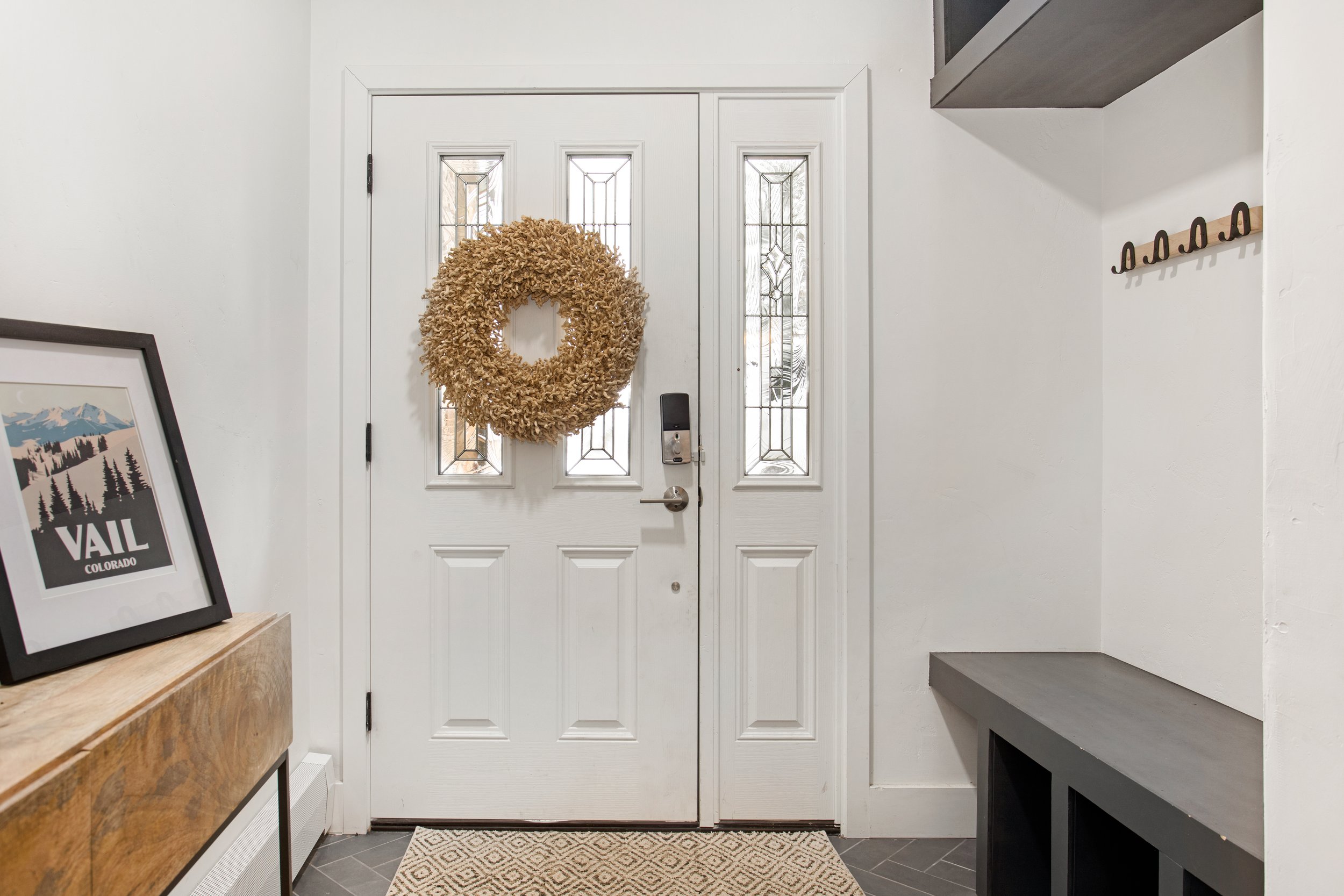
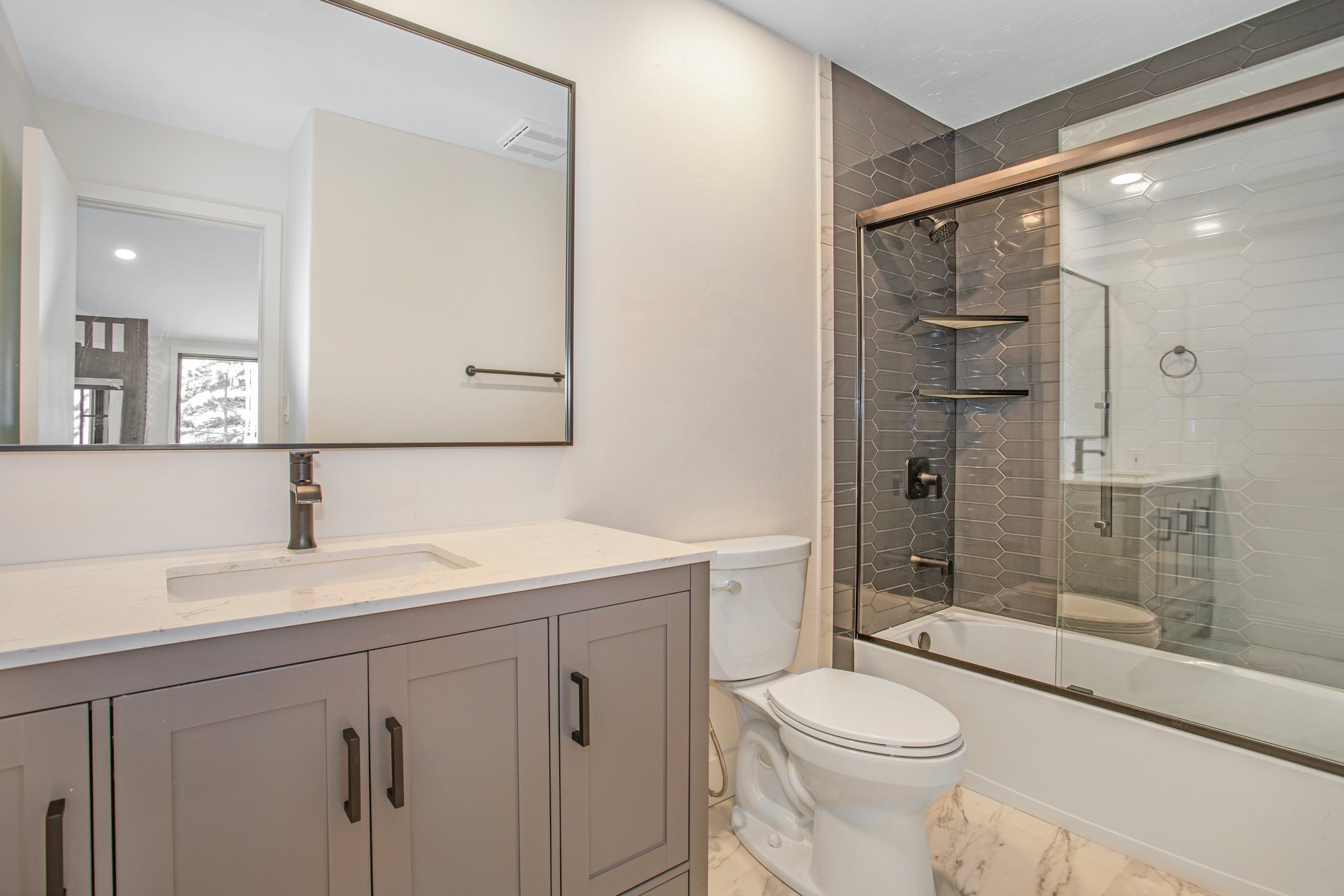
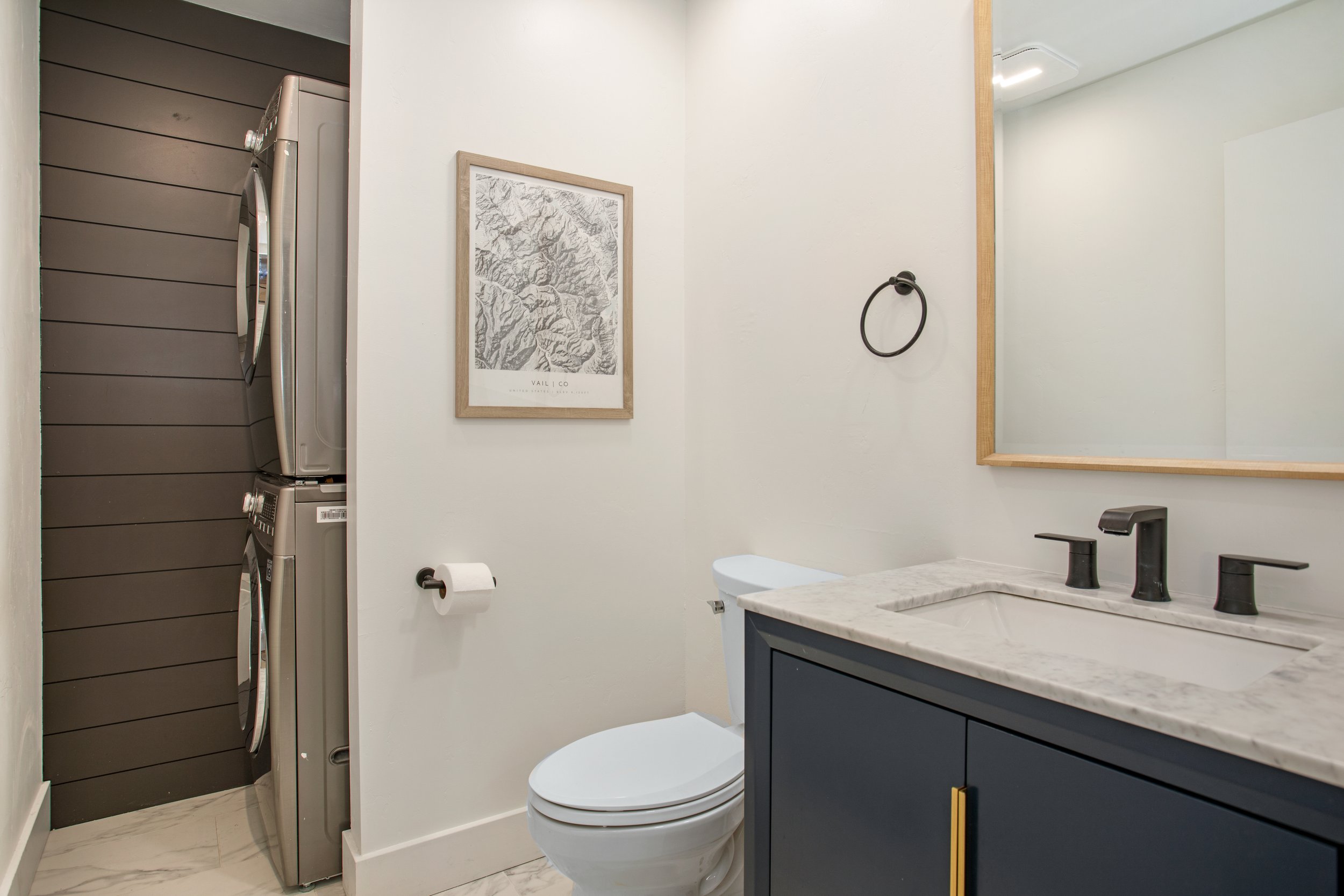
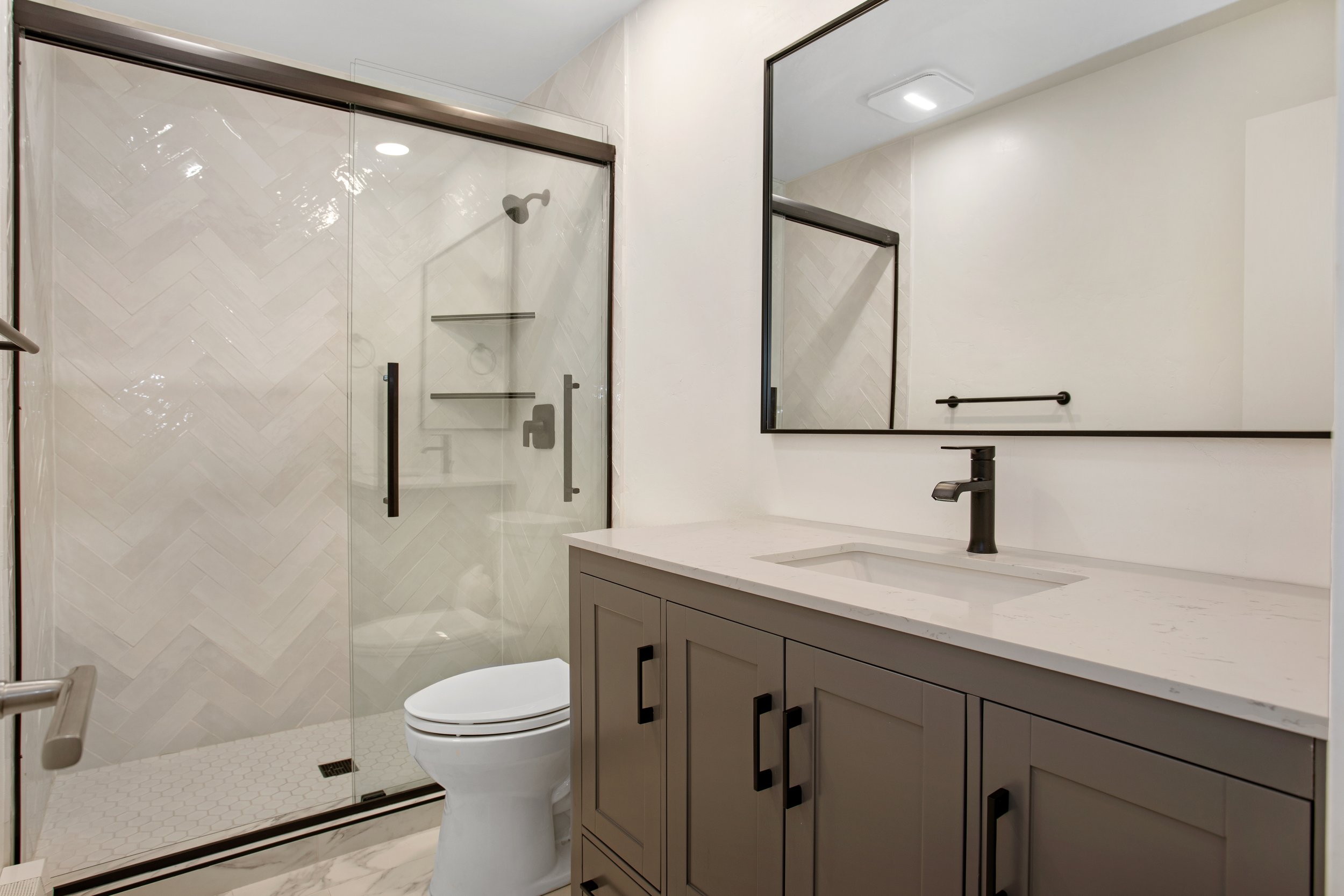
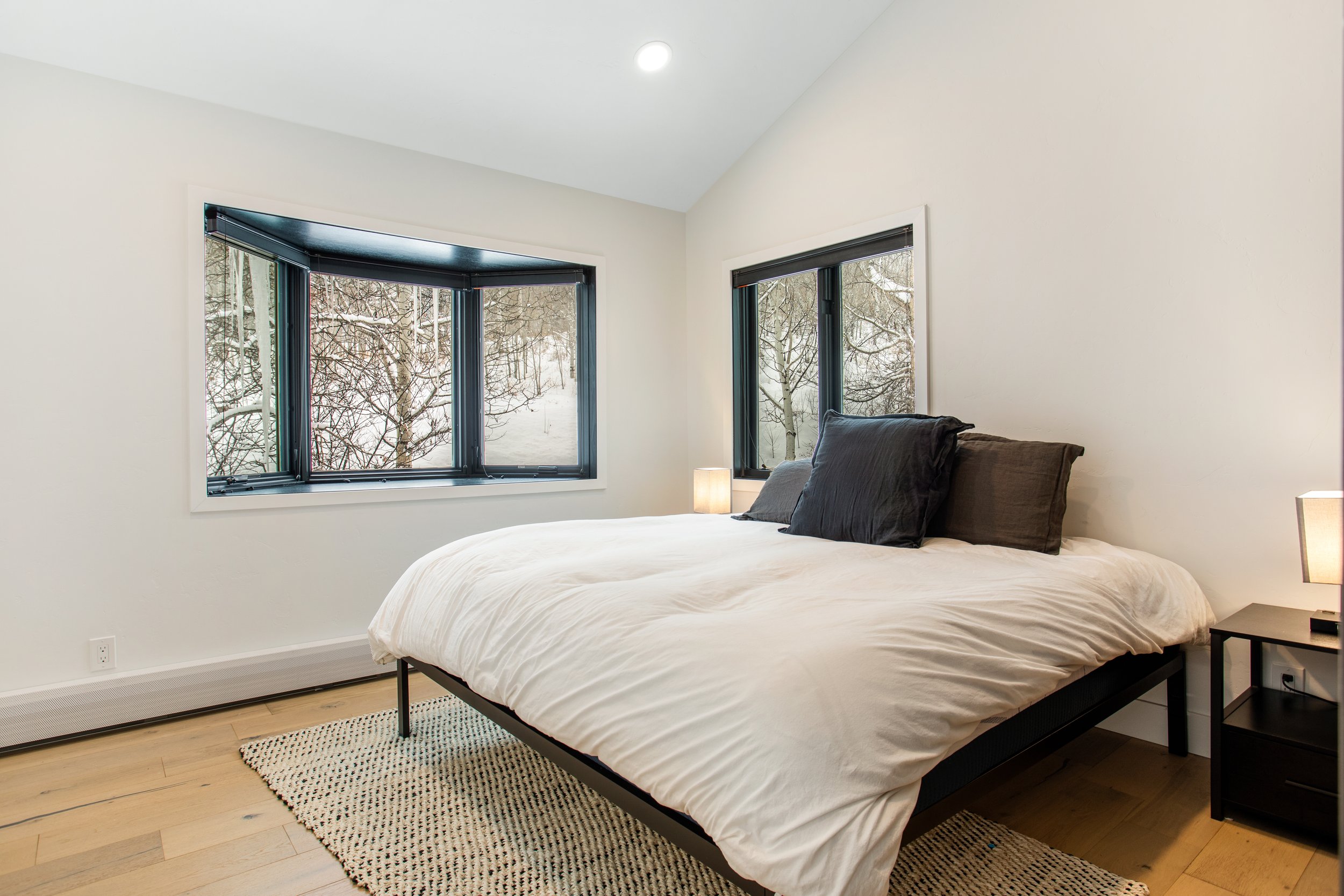
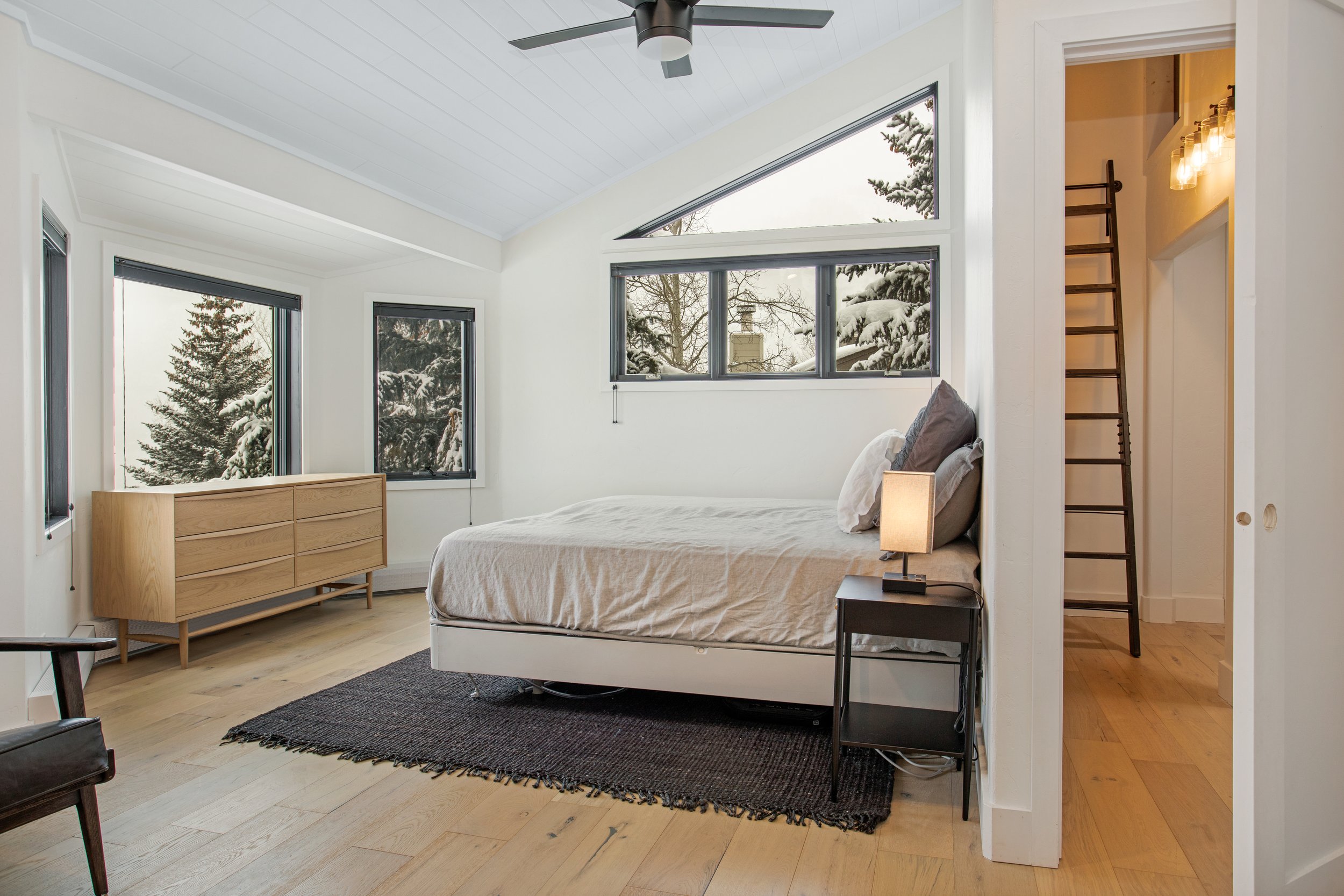
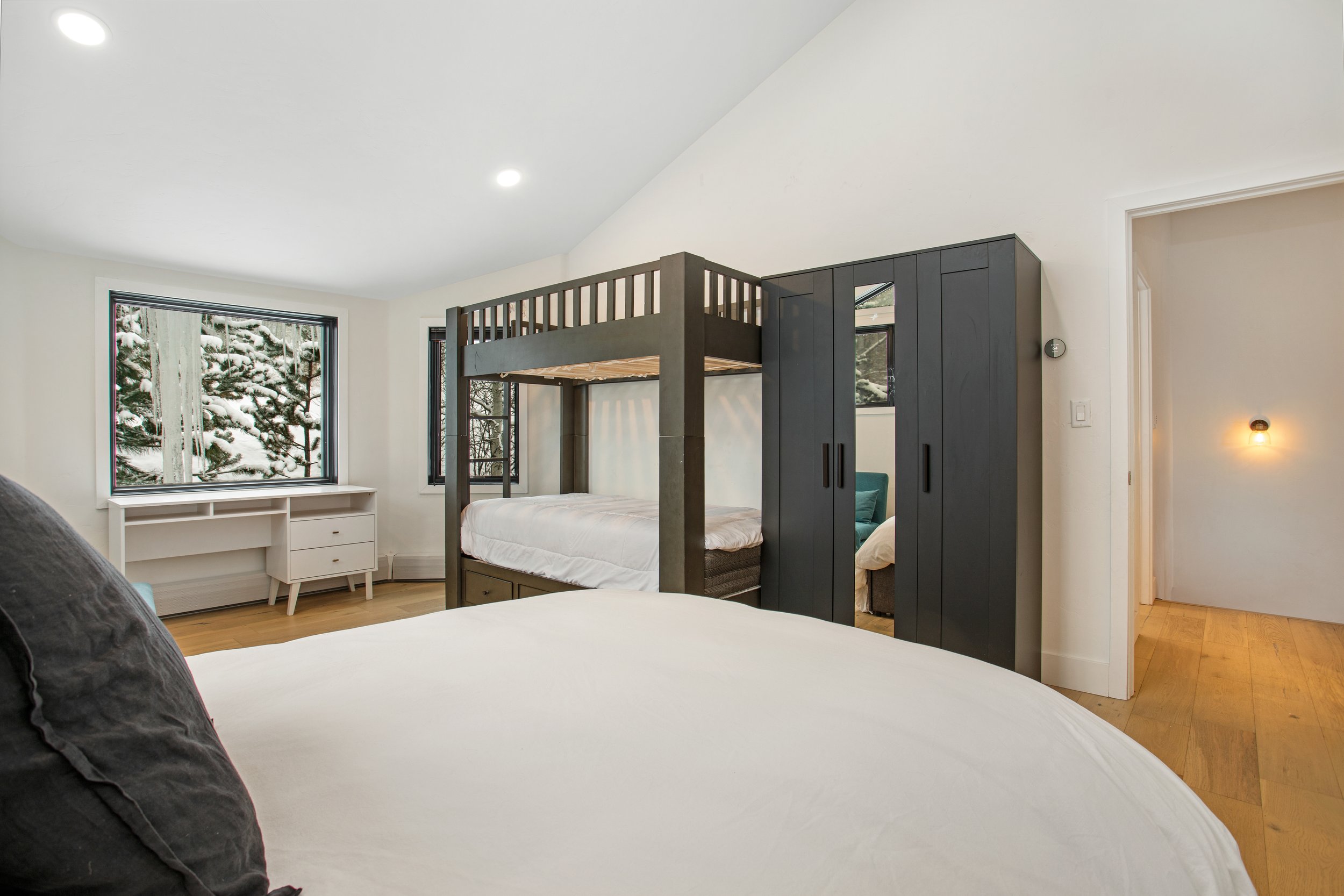
When West + Main agent Jen Hutto's family decided to move to Vail, they were initially planning to rent due to the lack of options in their price range. However, fate had something else in store for them when Jen stumbled upon a townhome that had been sitting on the market for over 90 days. Intrigued, she wondered what could possibly be wrong with it. Little did she know, this would be the beginning of an enormous undertaking that would result in a stunning mountain modern home and would appeal to everyone for resale value.


The location of the townhome was undeniably amazing, with breathtaking views of the surrounding mountains. However, Jen soon realized that the project would not be easy. "The difficulty of the project was definitely up there," Jen explained. "We needed a lot of help determining what was load bearing and what wasn't so we could remove some cabinets and walls to open up the space."

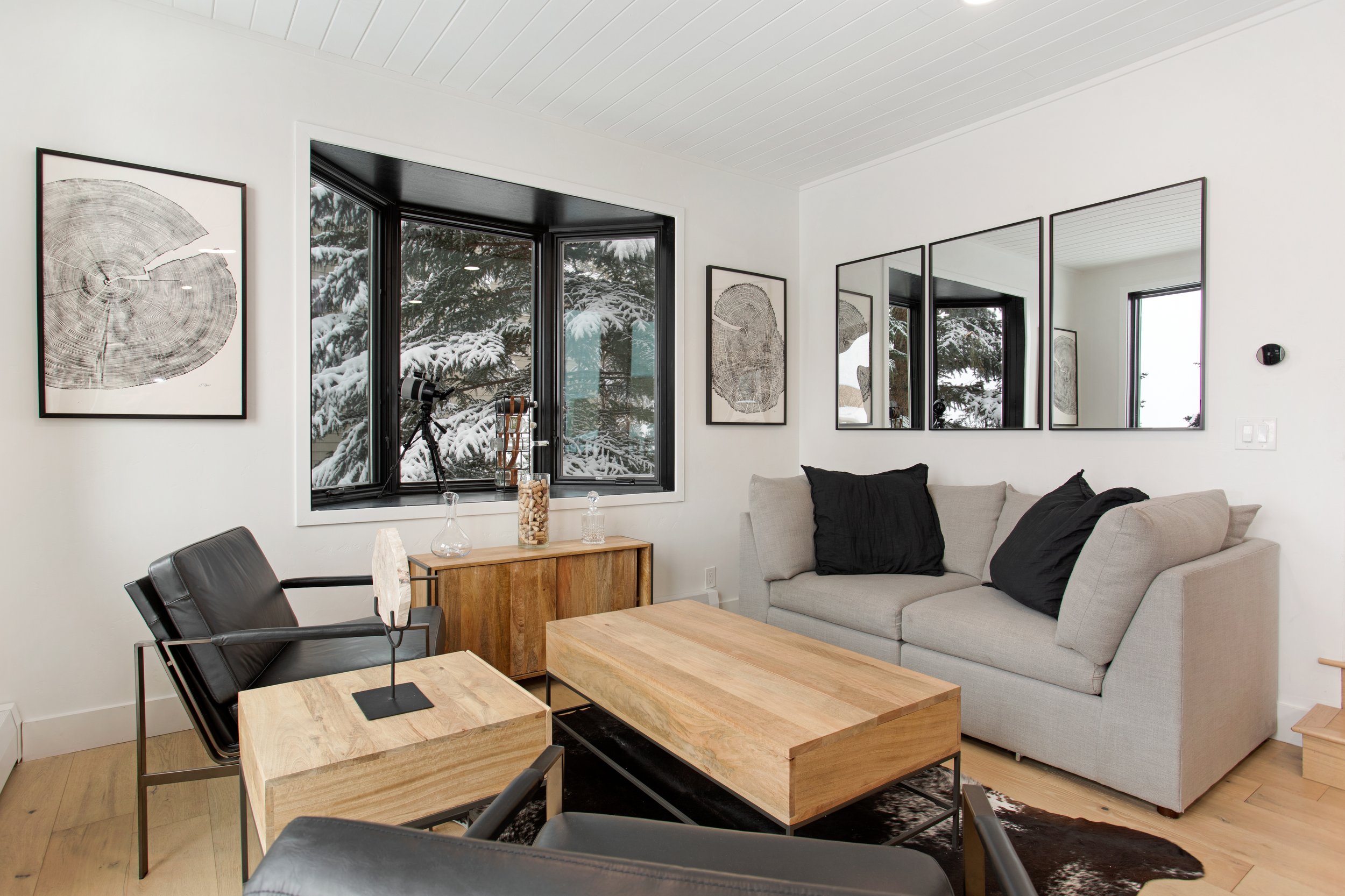
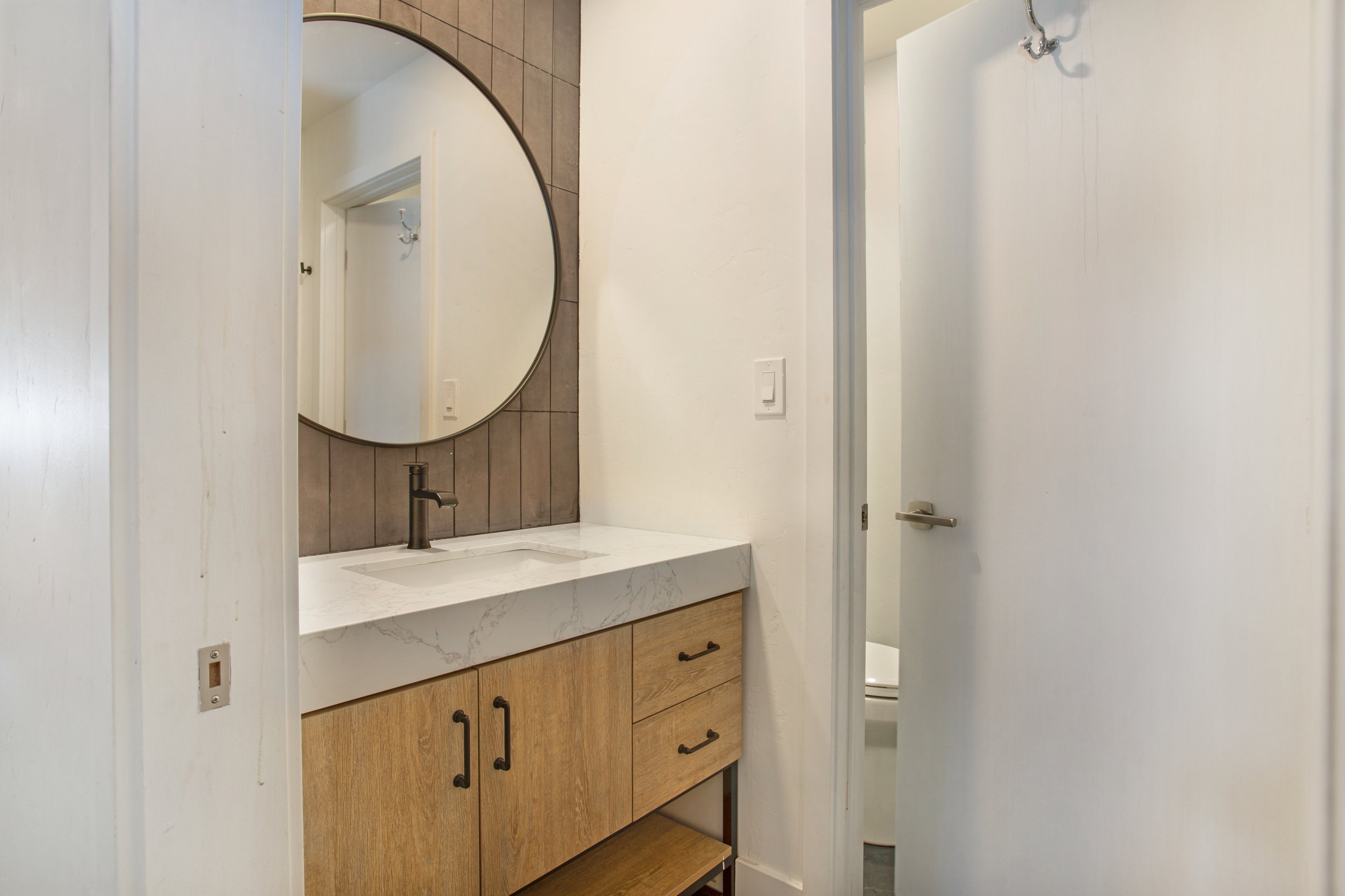
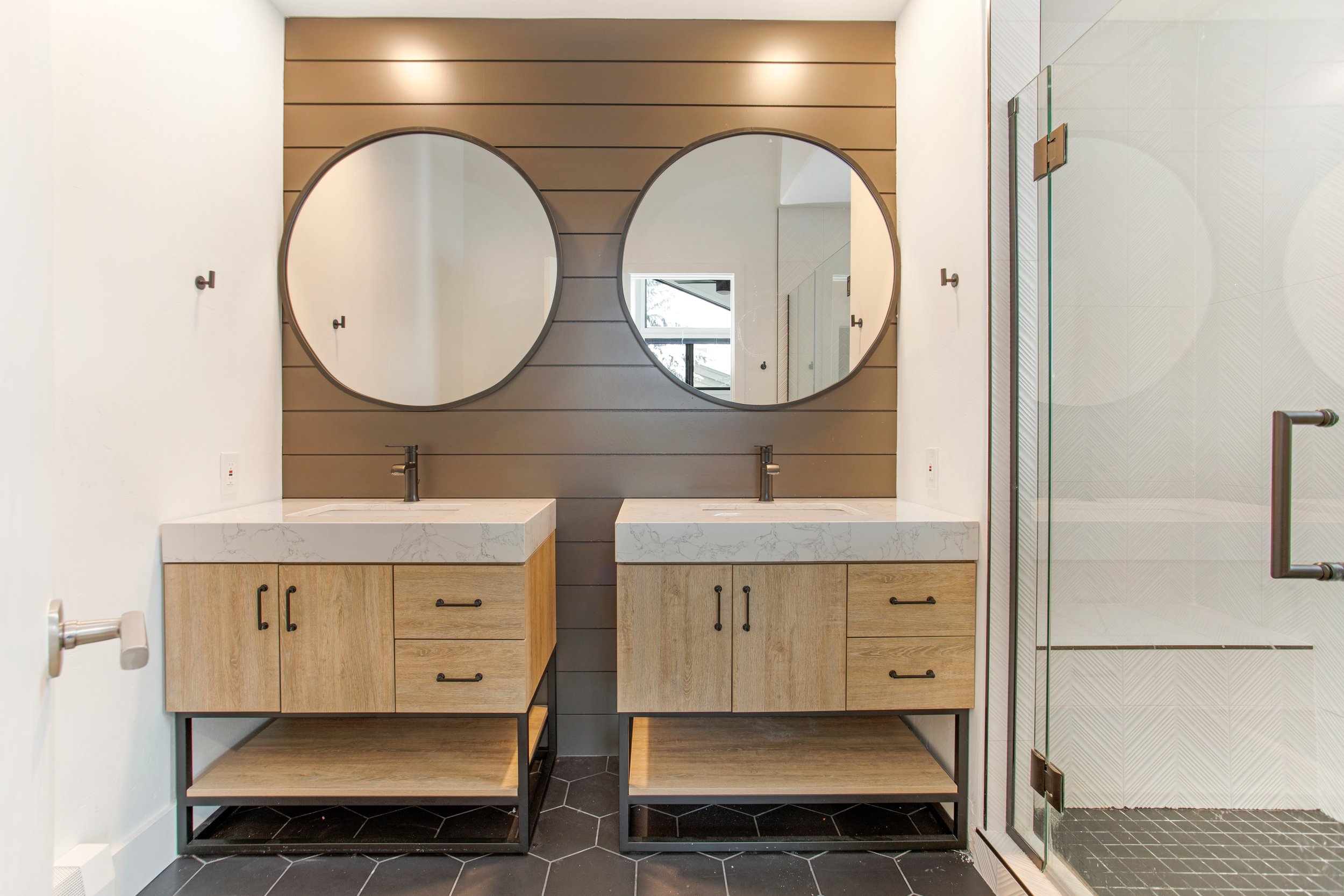
For the design process, Jen had a clear vision in mind. "I knew I wanted mountain modern, more on the modern side," she said. "I had done more modern farmhouse style in the past, but I knew that wouldn't work up in the mountains. I wanted to do something that would appeal to everyone for resale value." She opted for a monochromatic color scheme, mostly black and white with wood tones and metal accents, to create a sleek and contemporary look.

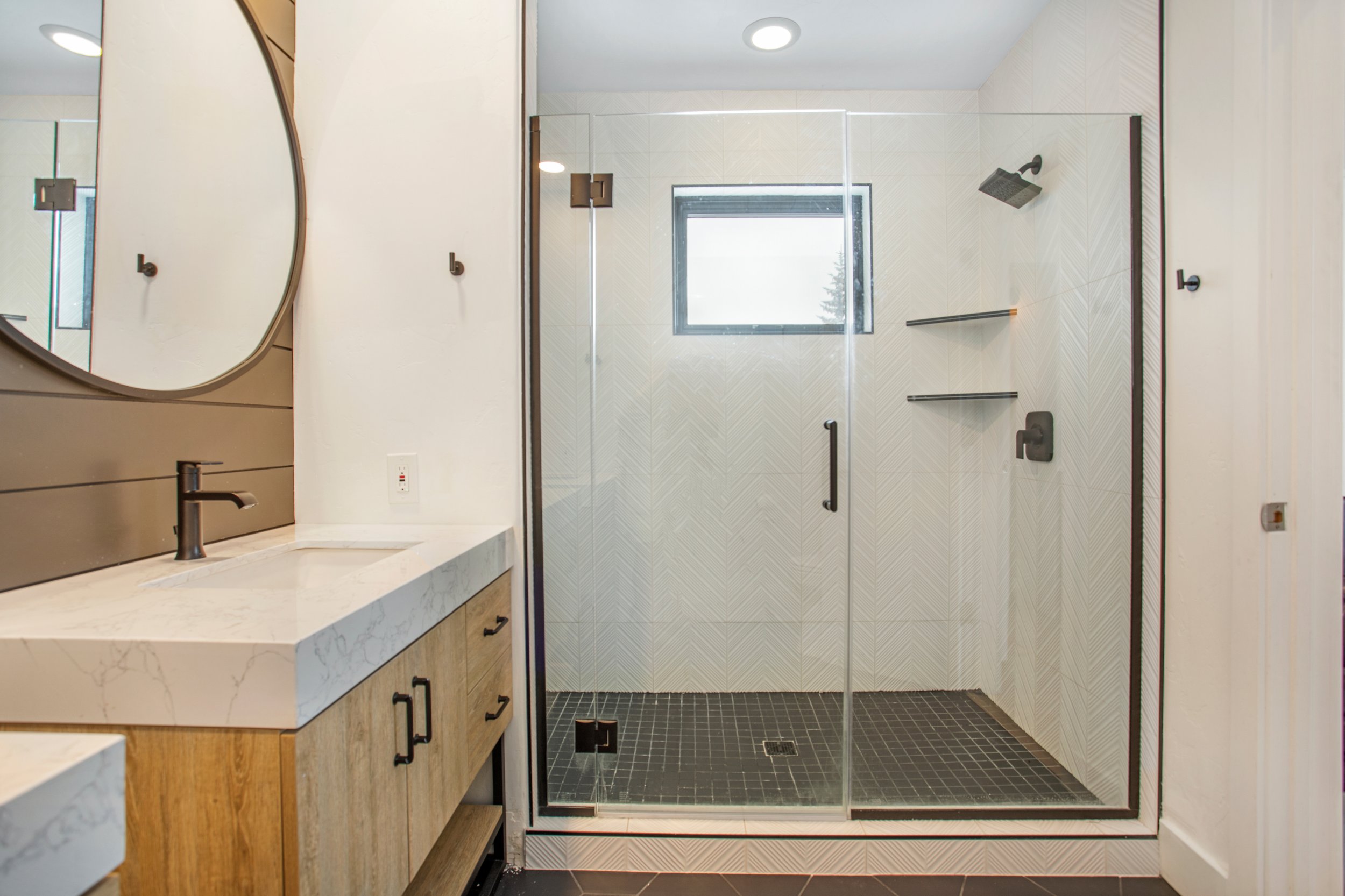
Despite the challenges, progress was relatively fast in most areas of the renovation. Flooring took just a few days, bathrooms were completed in a week, and even the kitchen installation was swift. However, the biggest hurdle came with the stairs.

Those were a massive undertaking, and all the steel was welded on site, so it took several months and was definitely messy,” Jen recalled. “But it turned the old eyesore into a huge statement piece of the house.
— Jen Hutto


The budget for the project started around $100-150k, but it quickly exceeded expectations. "The most expensive items were the flooring, bathrooms, and the stairs," Jen said. "Those items amounted to over half of the total cost. Paint was also a big item, as we had to paint the entire house, including all the ceilings. Our paint color, Sherman Williams Pure White, really helped bring in tons of light to the space."

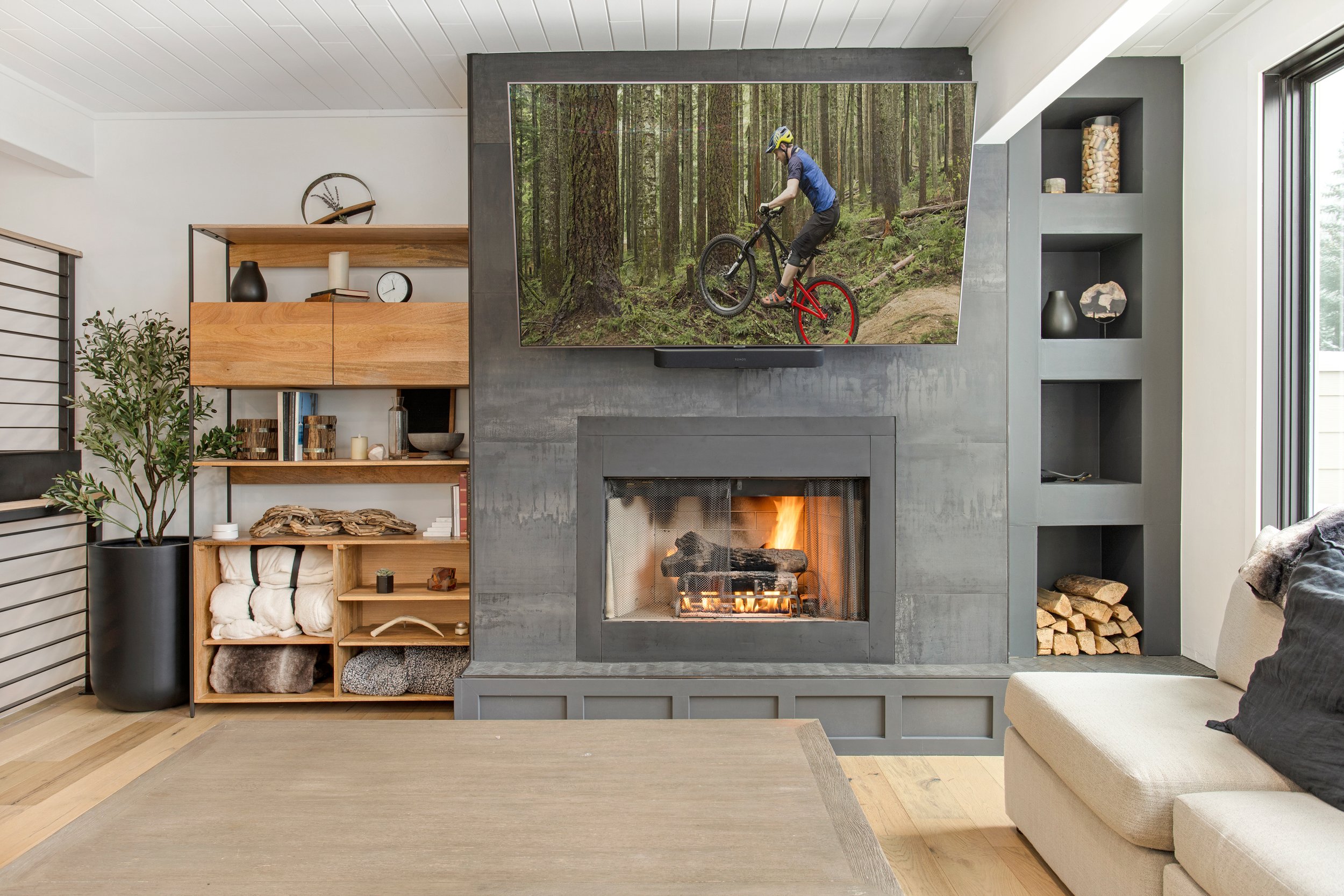
Despite the challenges and increased budget, Jen's favorite part of the project is the living room. "The white oak floors and the white wood ceiling, along with the dark metal look fireplace, really help create a calming environment where you can hang out and enjoy the gorgeous ski slope views," she said.

In the end, Jen's hard work and determination paid off, and the townhome was transformed into a stunning mountain modern masterpiece. It just goes to show that with the right vision, a little creativity, and some perseverance, even a challenging renovation project can result in a breathtaking home that exceeds all expectations. Jen's family now has a beautiful place to call home in Vail, and her success as a West + Main agent continues to shine.


Related Links

If there is a home that you would like more information about, if you are considering selling a property, or if you have questions about the housing market in your neighborhood, please reach out. We’re here to help.

Search Homes in Colorado

Search Homes in Oklahoma

Search Homes in Oregon

Save your plants: Prepare for freezing temperatures across Colorado Friday night


Meteorologists are warning of potential freezing temperatures in Colorado overnight Friday and suggest readying your garden ahead of time. 

The Front Range could reach temperatures as low as the mid-30s while some places could reach below freezing. Other areas around the state like the Eastern Plains, Greeley and Pueblo are likely to experience the coldest temperatures.

“Those locations could see some sensitive outdoor vegetation that's killed by the cold temperatures if it's left uncovered,” said Charlie Woodrum, meteorologist in-charge at the National Weather Service office in Pueblo. “What we're advising is that people protect their outdoor vegetation, their plants, bring them inside or cover them if they have any out still tonight.”

For metro Denver, freezing temperatures could be hit and miss, said Bernie Meier, NWS meteorologist in Boulder. But he said it’s best to be prepared.

“I live in a location that's pretty low and gets colder than most locations, so tonight I'll be out there probably covering my peppers and tomatoes, though some higher locations probably avoid the frost,” Meier said.

This kind of freeze is not unusual for Colorado at this time of year, Meier added. 

The dry weather pattern is expected to persist through the first part of next week. Then, a chance for snow in higher elevations and possible snow flurries at lower elevations may arrive on Wednesday. 

For this weekend, you should expect abundant sunshine and mild temperatures. Colorado Springs, Denver and other Front Range cities should see highs in the 70s. Pueblo may reach the 80s. 

Learn more at CPR.com

Related Links

If there is a home that you would like more information about, if you are considering selling a property, or if you have questions about the housing market in your neighborhood, please reach out. We’re here to help.

Search Homes in Colorado

Search Homes in North Carolina

Search Homes in Oklahoma

Search Homes in Oregon

Search homes in Minnesota

Things to Consider Before Finishing Your Basement


Are you planning on finishing your basement?

Finishing a basement is a fantastic way to expand your living space and increase the value of your home. Whether you plan to create a cozy family room, a home theater, a guest suite, or even a home office, a finished basement can be a valuable addition to your property. 

However, before you embark on this exciting home improvement project, there are essential factors to consider, with one of the most critical being installing legal egress windows. We will examine all of the essential considerations before finishing a basement.

The Importance of Legal Egress Windows
Before diving into the planning and design aspects of finishing your basement, it's crucial to address egress window requirements in basements. Egress windows are emergency exits designed to provide safe and easy escape routes in case of a fire or other emergencies. 

They are mandatory for all finished basements to ensure the safety of occupants and are governed by specific requirements outlined by building codes. Maximum Real Estate Exposure is an insightful resource, but we will summarize the essential requirements.

Requirements for Egress Windows
Egress window requirements in basements typically include:

  • Minimum Size: Egress windows must meet minimum size requirements to allow easy exit and entry. In most areas, the window opening should be at least 5.7 square feet, with a minimum height of 24 inches and a minimum width of 20 inches.

  • Maximum Height from Floor: The bottom of the egress window opening should be no more than 44 inches from the finished floor.

  • Unobstructed Access: The window well, if present, should provide unobstructed access to the window. It should be at least 36 inches wide and 36 inches in projection. Grates or covers should be easily removable from the inside without special tools.

  • Proper Ladder or Steps: If the window well depth exceeds 44 inches, a permanent ladder or steps must be installed to allow easy access.

  • Approved Window Type: The window must be hinged, sliding, or of another approved type, allowing a quick and unobstructed exit.

  • Adequate Light and Ventilation: The egress window should provide enough natural light and ventilation to the basement. It's critical to ensure the space is habitable and meets safety standards.

Meeting these egress window requirements is essential for safety and compliance with local building codes. Failure to adhere to these regulations can delay obtaining necessary permits and may lead to costly renovations if the basement does not meet code requirements.

Other Considerations Before Finishing Your Basement
Now that we've addressed the critical aspect of egress window requirements, let's explore other vital considerations before finishing your basement:

Moisture Control
Basements are notorious for being damp and prone to moisture issues. Before finishing the space, addressing any water leakage problems, ensuring proper drainage, and considering waterproofing solutions are essential. 

Moisture control prevents mold growth, protects investment, and creates a healthy living environment.

Insulation and HVAC
Proper insulation is vital for maintaining a comfortable temperature in your finished basement. Ensure the insulation is correctly installed to prevent heat loss in winter and heat gain in summer. 

Additionally, consider extending your home's HVAC system to the basement to regulate temperature and humidity effectively.

Speaking with a qualified HVAC technician is essential. When you add significant square footage, you must ensure the heating system is appropriately sized.

Electrical and Plumbing
Plan your electrical and plumbing layouts carefully. Adequate electrical outlets, lighting, and plumbing fixtures are essential for functionality. 

Consult with a professional electrician and plumber to ensure compliance with local codes and safety standards.

Permits and Codes
Obtaining the necessary permits and adhering to local building codes are non-negotiable steps in finishing a basement. 

Failure to do so can lead to fines and complications when selling your home. Consult your local building department to understand the permitting process and code requirements.

In my experience as a Realtor for the past three decades, I often see people finishing basements without permits. Most do so to avoid paying additional real estate taxes. Others do it out of pure laziness.

It doesn't matter the reason. It will likely bite you with significant stress when you sell your home. Make sure you pull permits!

One additional essential aspect concerns your septic system. If you add bedrooms to your basement, your local community may require you to upgrade the system.

Design and Layout
Consider the purpose of your finished basement and create a detailed floor plan that optimizes the use of space. 

Consider factors such as the location of egress windows, storage options, and any specific design preferences you have. There are many creative options for finishing a basement.

Budget and Contingency
Establish a realistic budget for your basement finishing project, including a contingency fund for unexpected expenses. Basement renovations often uncover unforeseen issues like outdated wiring or structural problems, so it's wise to be prepared.

The cost of finishing a basement can be significant, depending on what you do. However, it is almost always an addition with a great return on investment.

Many home buyers love having the additional space for multiple uses, whether it is an in-law suite or a place for teenagers to hang out.

You can ask a real estate agent to provide a comparative market analysis with and without. You'll then have an excellent idea of how much value it has added.

Lighting and Ventilation
Basements can be naturally darker than other parts of your home. Plan for adequate natural and artificial lighting to create an inviting and functional space. 

Ensure proper ventilation to prevent stale air and maintain air quality. These are two essential considerations when finishing a basement. Lack of adequate lighting makes for a less desirable space.

Ventilation issues create a moldy smell that nobody will enjoy.

Flooring and Finishes
Select flooring materials that are suitable for basement conditions. Options like vinyl, laminate, and engineered wood are often preferred due to their moisture resistance. Choose finishes that are both durable and aesthetically pleasing.

Final Thoughts
Finishing a basement is a rewarding project that can enhance your home's living space and value. However, it's essential to prioritize safety by meeting egress window requirements in basements. 

Additionally, consider factors like moisture control, insulation, electrical and plumbing needs, permits and codes, design, budget, lighting, and ventilation to ensure a successful and comfortable basement renovation. 

By carefully planning and addressing these considerations, you can transform your basement into a functional and enjoyable space for your family and guests.

Learn more at Rismedia.com

Related Links

If there is a home that you would like more information about, if you are considering selling a property, or if you have questions about the housing market in your neighborhood, please reach out. We’re here to help.

Search Homes in Colorado

Search Homes in North Carolina

Search Homes in Oklahoma

Search Homes in Oregon

Search homes in Minnesota

Opinion: Why agents are more essential than ever


Affordability concerns mean agents are also educators.

Real estate agents play an undeniable and integral role in today’s housing market. Not just as facilitators of sales and rental transactions but also as educators to their current and future clients. Left to their own devices, most people — particularly renters — view the rental segment and the for-sale market as distinctly different and unrelated entities, with the latter one often perceived as being far out of reach. Rightfully so.

Affordability is a real issue in the United States. The median price for an existing single-family home was $410,200 in June 2023, according to the National Association of Realtors (NAR). That’s the second-highest since the association started tracking the data. This average price tag quickly jumps in popular states such as California, where it comes in at $744,280, and in Washington State, where a house costs on average $574,114, according to August data from Zillow.

Mortgage rates — which have been well above 7% and approaching 8% this week — are adding to the unaffordability of much of today’s housing stock. 

These market conditions in the for-sale segment have had a real and direct impact on the rental market as both are directly linked. An increasing number of people, especially many of the millions of millennials who are hitting their prime child-rearing years, are priced out of the market and forced to keep renting longer. The average age of first-time homeowners is now 36 with about 35% of the households in U.S. being renter-occupied.

This increasing demand has put further pressure on the rental stock, which has been experiencing severe supply and demand issues. The United States is currently as much as 6.8 million rental units short, with the gap between supply and demand widening every year, according to NAR data. This has driven up prices significantly. Typical asking rents in the U.S. average $2,052, a 3.3% climb as compared with the same time last year, according to Zillow’s data for August. In high-demand metros such as New York, it’s as high as $3,650.

One of the proposed measures to counter these increases and create more affordability for renters is the hotly debated topic of rent control, an idea that first came into existence in the 1920s. The Biden administration has pushed for a potential national-level rent control initiative while cities such as New York are particularly in the spotlight as landlords are pushing the Supreme Court to kill rent stabilization. 

As of 2022, seven states — California, New York, New Jersey, Maryland, Maine, Oregon and Minnesota — and the District of Columbia have localities in which some form of residential rent control is in effect. 

Rent control benefits some tenants with access to controlled rates, primarily older and long-term residents. But rent control has also shown overall mixed results. While intended to make housing more affordable, it can exacerbate issues by reducing investment and supply. Property owners, getting lower returns due to rent controls, often seek ways to convert their properties to other more profitable uses.

In places like California, laws allow owners to evict tenants for personal occupancy or to sell units as condos. Consequently, as the availability of rental properties decreases, market-wide rents increase due to the lower supply. Actions like these tend to favor higher-income individuals, inadvertently promoting gentrification, as observed in San Francisco, contradicting the original aims of rent control.

Ultimately, to create a better supply-demand balance in the U.S., facilitating new construction might be the best answer to the pressures in the rental segment and the affordability issues in this country. California is trying to do just that by making major affordable housing projects across the state easier to commence by exempting them from potential lawsuits filed under the California Environmental Quality Act, extensive public hearings and other forms of opposition from local governments. Easing restrictive zoning rules that can reduce the supply of land available for new housing would also be additive. 

There is some hope for more balance to come. Housing construction reached a 50-year high, with this year alone witnessing the completion of more than 460,000 units. Within the past three years, over a million new dwellings have been erected, marking a historic high. And this increase has had an almost immediate affect on renters who are taking advantage of the added choices. Those staying put and renewing their leases — often out of necessity — dropped to 60.5% during this year’s peak rental season compared with 63.6% last year. 

And that is where agents can step in, educate renters on their increased choices, explaining market dynamics and ultimately becoming educators and advocates as they navigate their housing journey.

Learn more at Housingwire.com

Related Links

If there is a home that you would like more information about, if you are considering selling a property, or if you have questions about the housing market in your neighborhood, please reach out. We’re here to help.

Search Homes in Colorado

Search Homes in North Carolina

Search Homes in Oklahoma

Search Homes in Oregon

Search homes in Minnesota