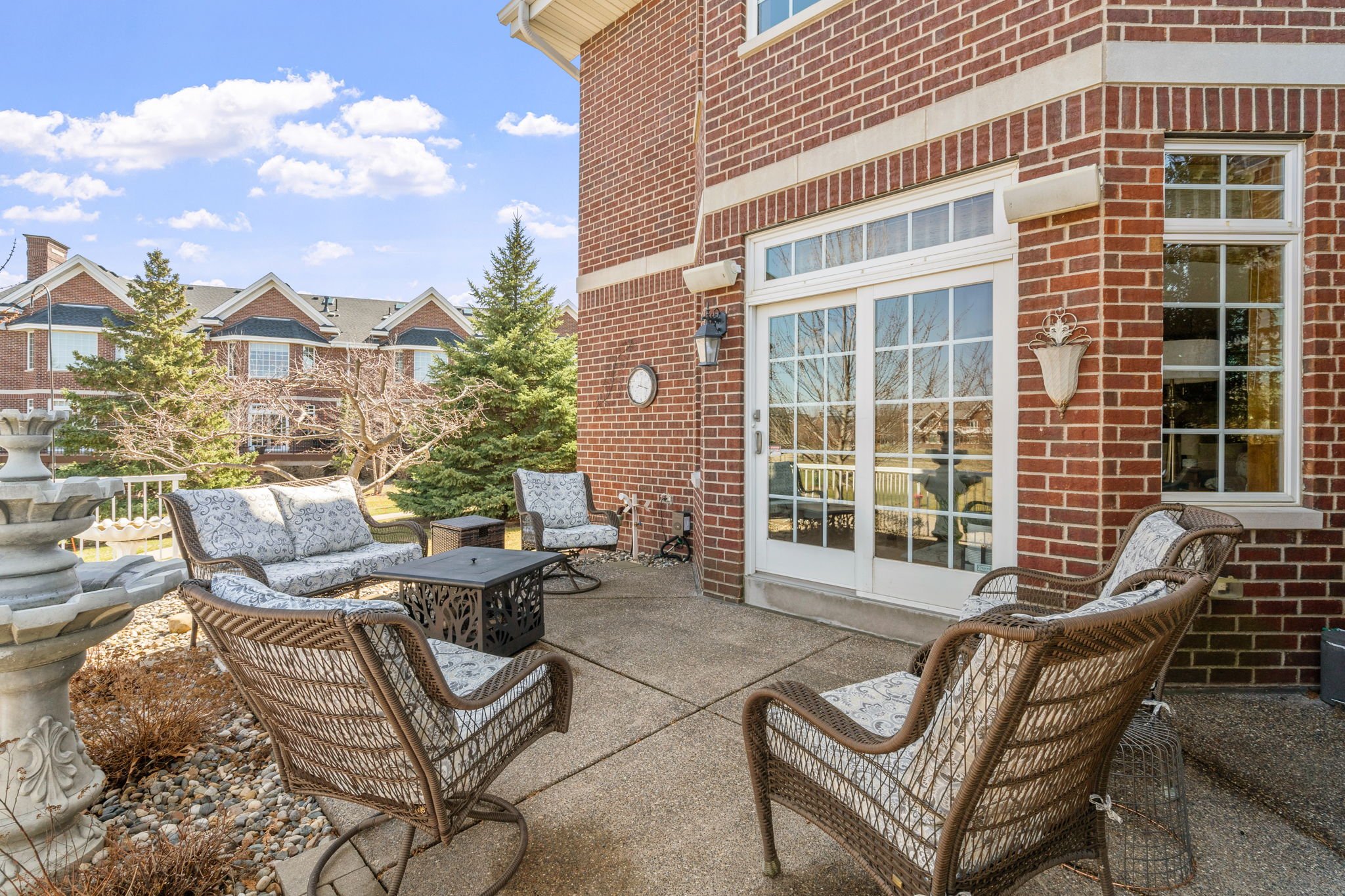
Just Listed: Your Haven Awaits in the Evergreen Development Community!


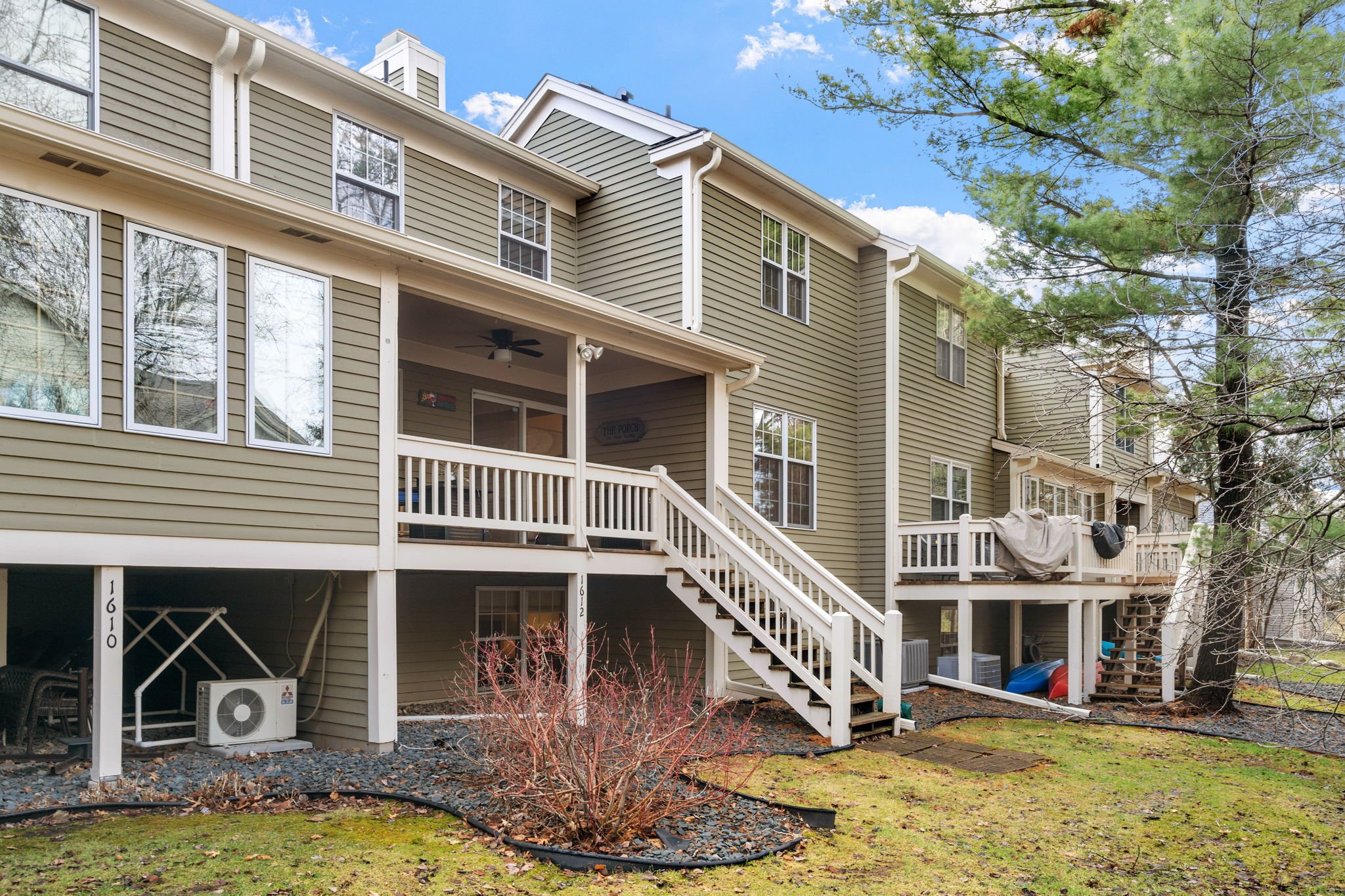
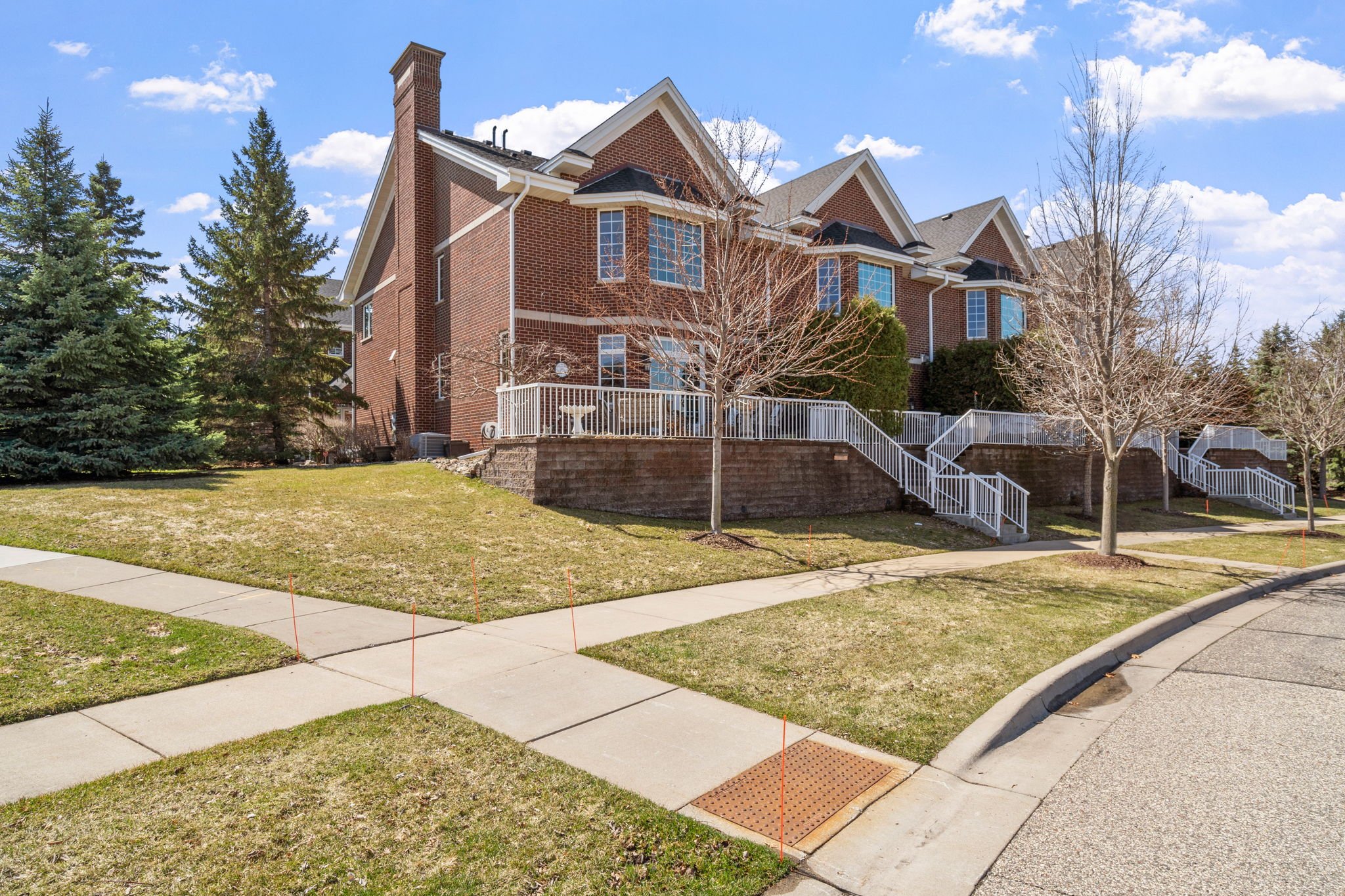
Welcome to your new sanctuary nestled in the serene Evergreen Development.

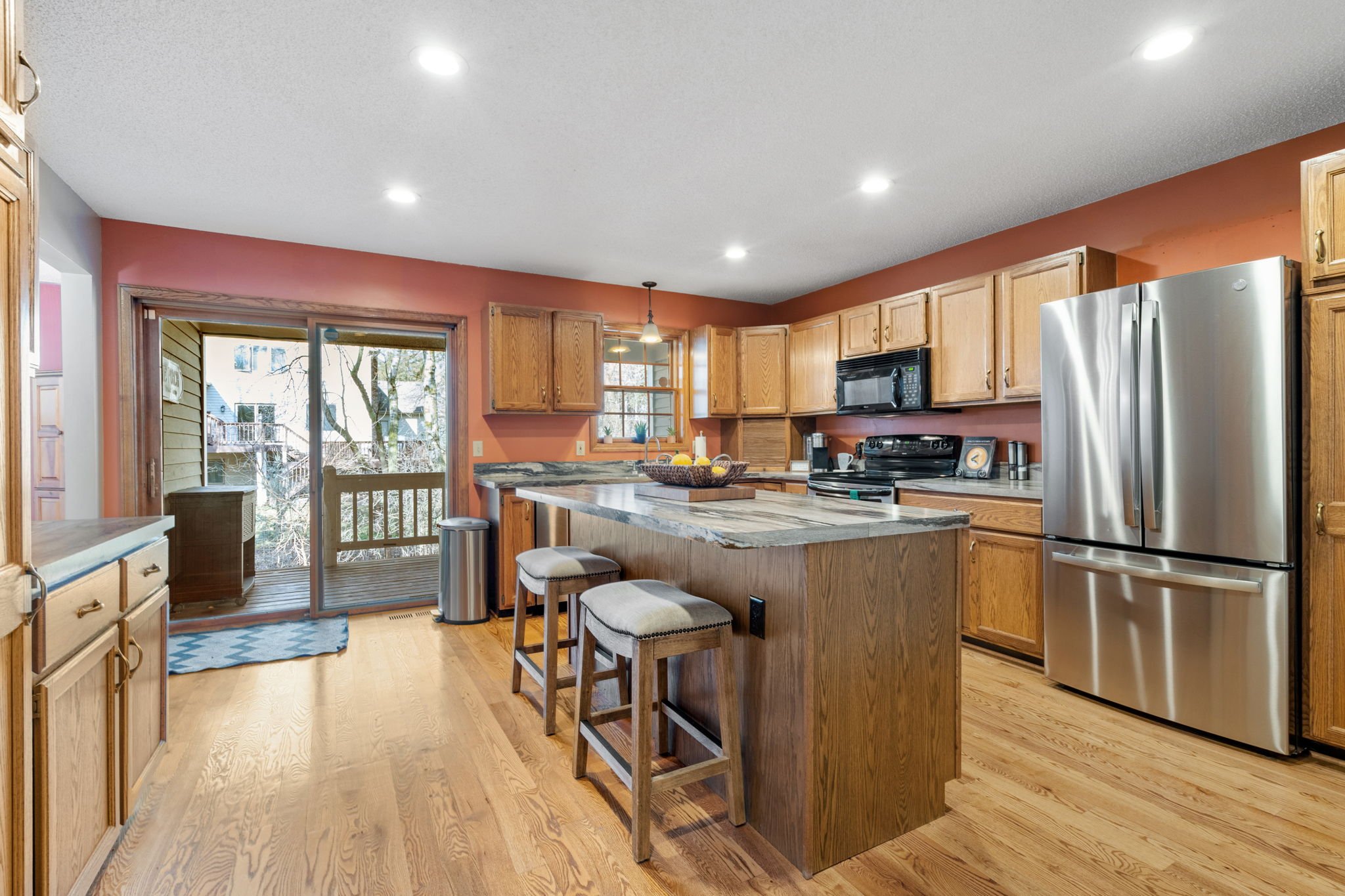
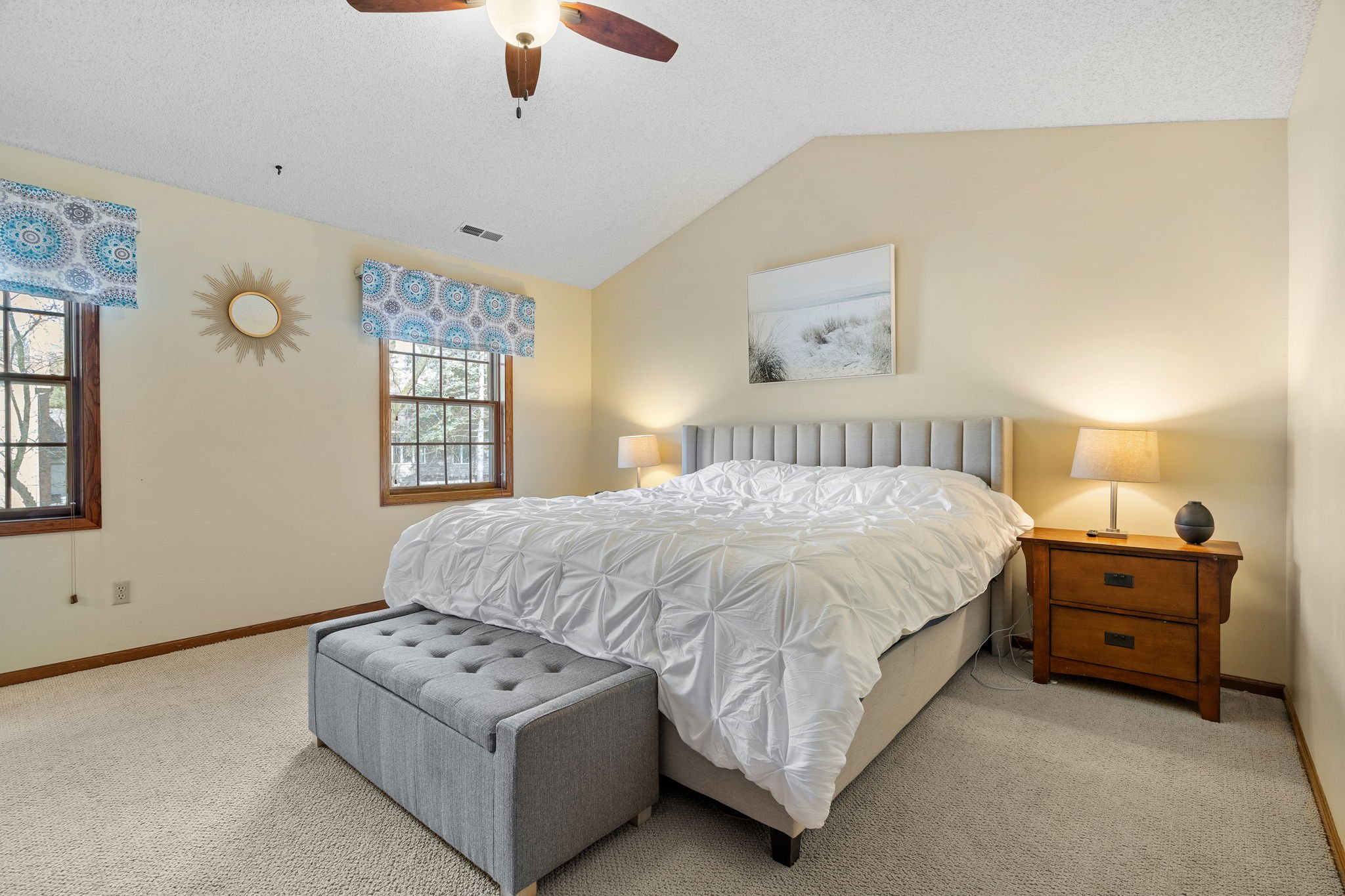
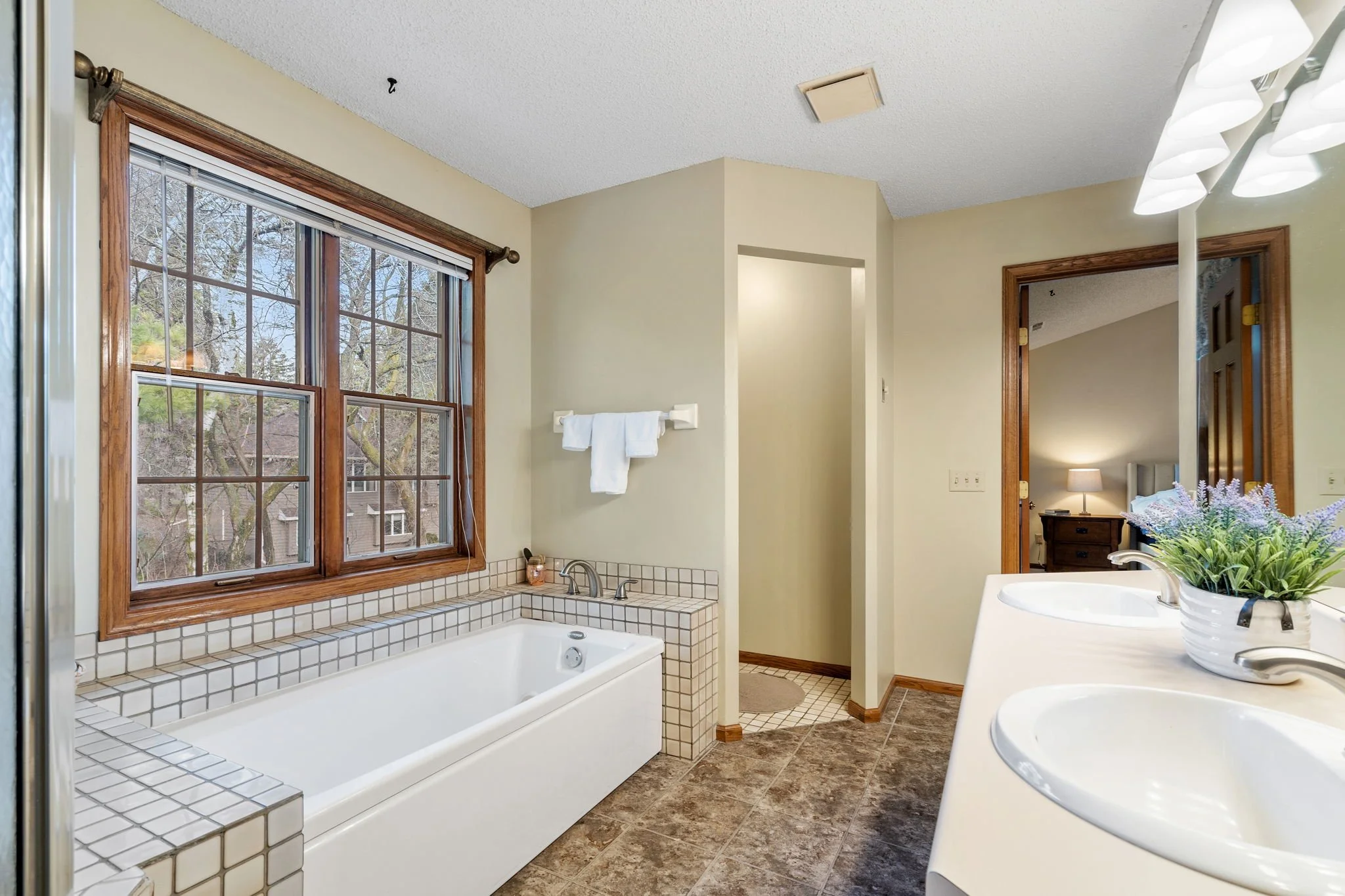
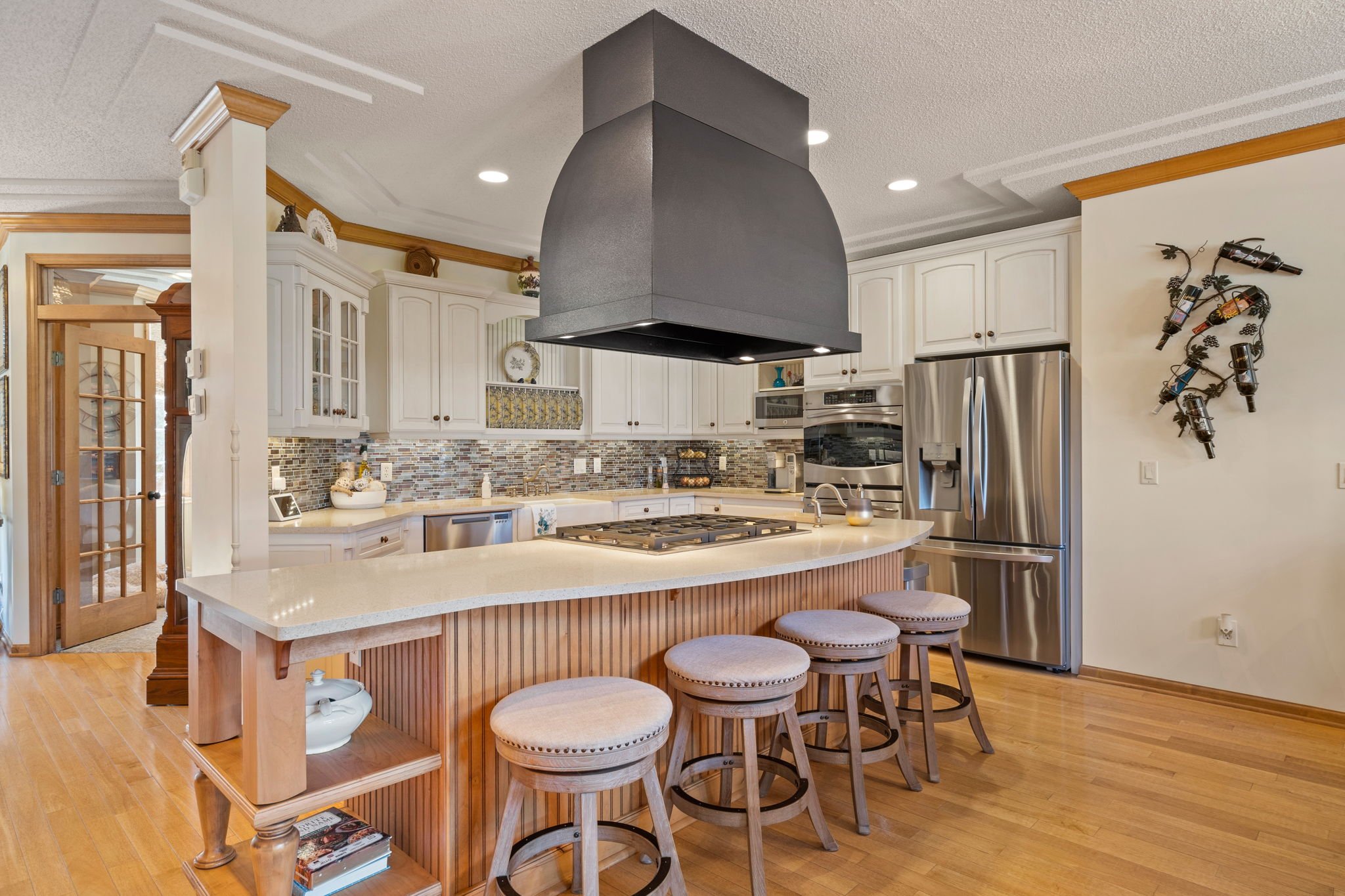
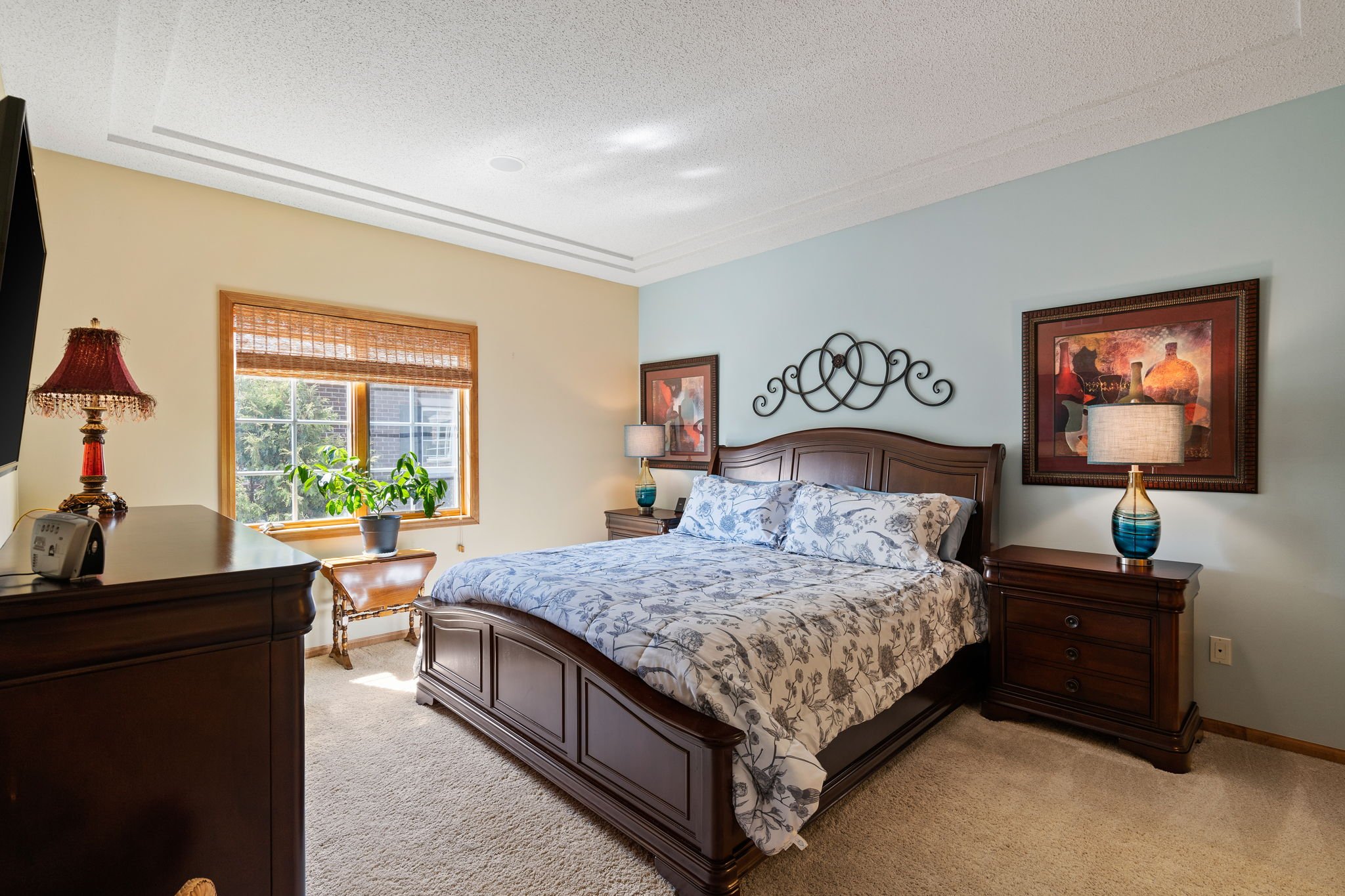
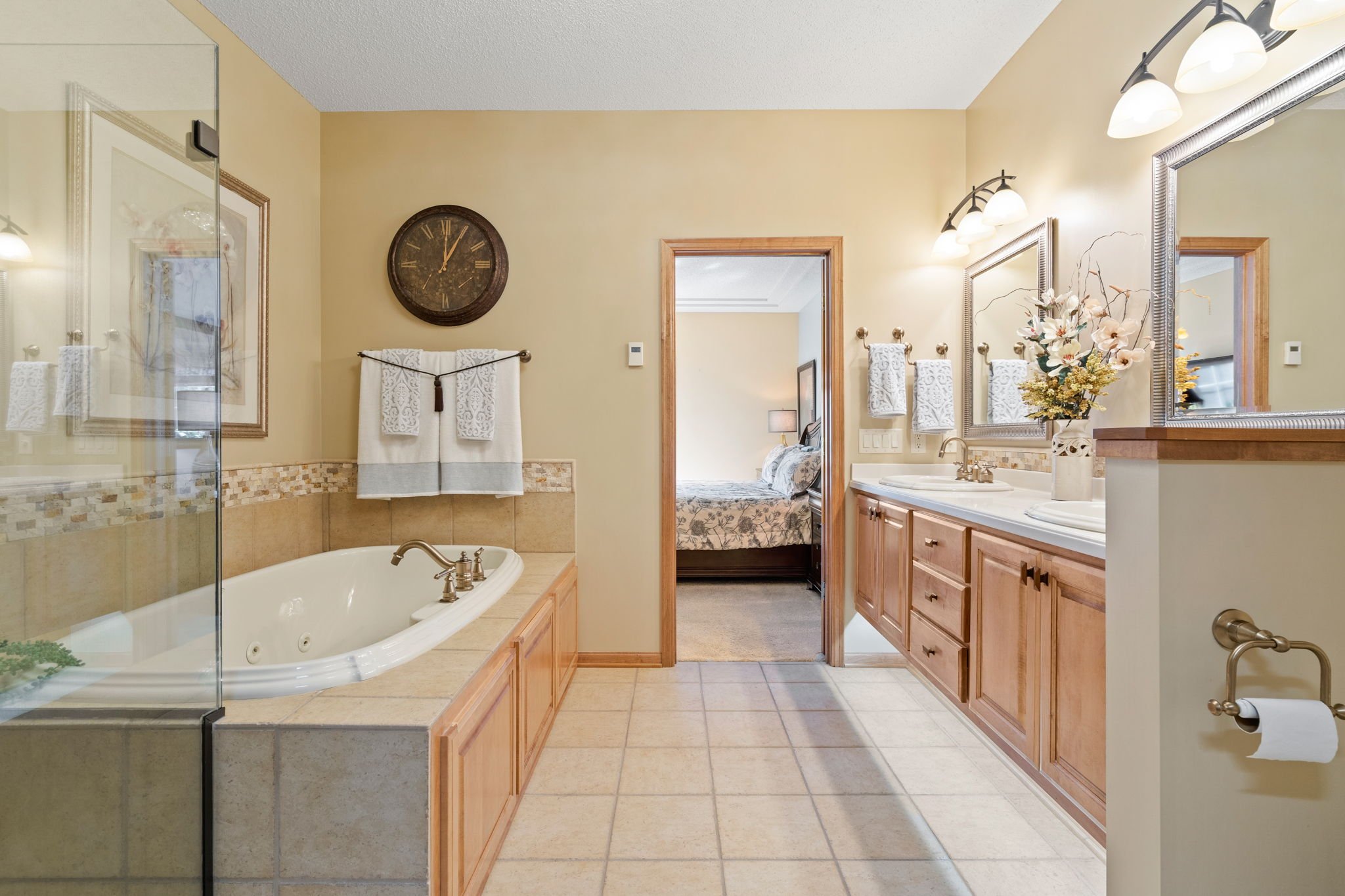
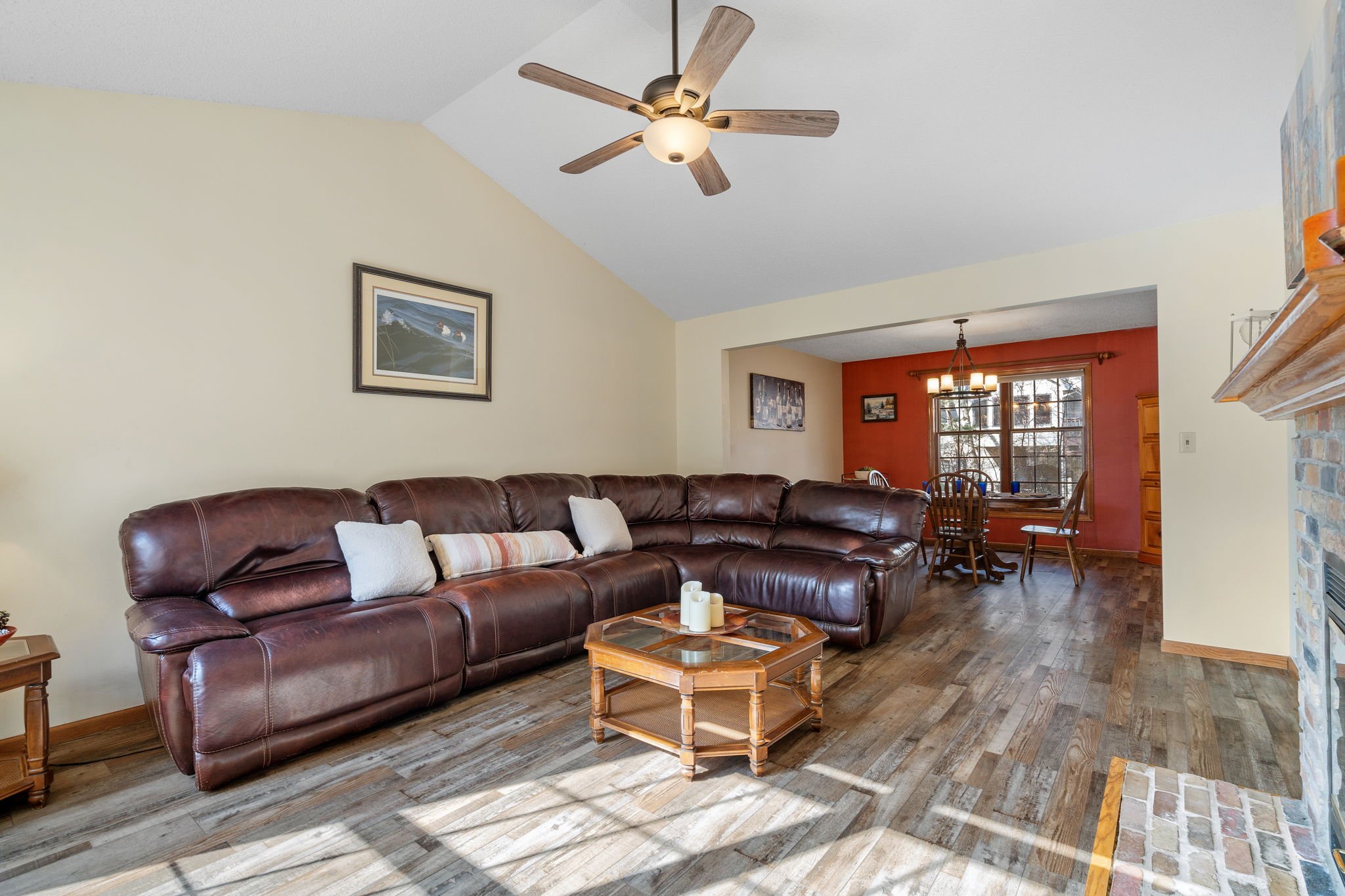
As you step inside, the main level is the heart of the home with a cozy gas fireplace, perfect for chilly evenings and a spacious kitchen invites you to enjoy meals while overlooking the tranquil backyard. Upstairs, the primary bedroom beckons with its spa-like en suite—a deep soaking tub awaits your indulgence. The generous size second bedroom and a full bath ensures comfort for family or guests. Venture downstairs to the finished lower level, where you’ll find a third bedroom and family room which allows for an extra space to entertain. Plus, plenty of storage on this level!

Beyond your doorstep, discover the convenience of nearby shopping, restaurants, and walking paths. This townhome isn’t just a house; it’s a place where comfort, style, and nature harmonize. Schedule a showing today and make it your own! 🏡✨

Listed by Diane LeBlanc for West + Main Homes. Please contact Diane for current pricing + availability.


Have questions?
West + Main Homes
(405) 652-6635
hello@westandmain.com

Presented by:
Diane LeBlanc
763-234-0572
diane@westandmainmn.com


Search homes in Minnesota
 

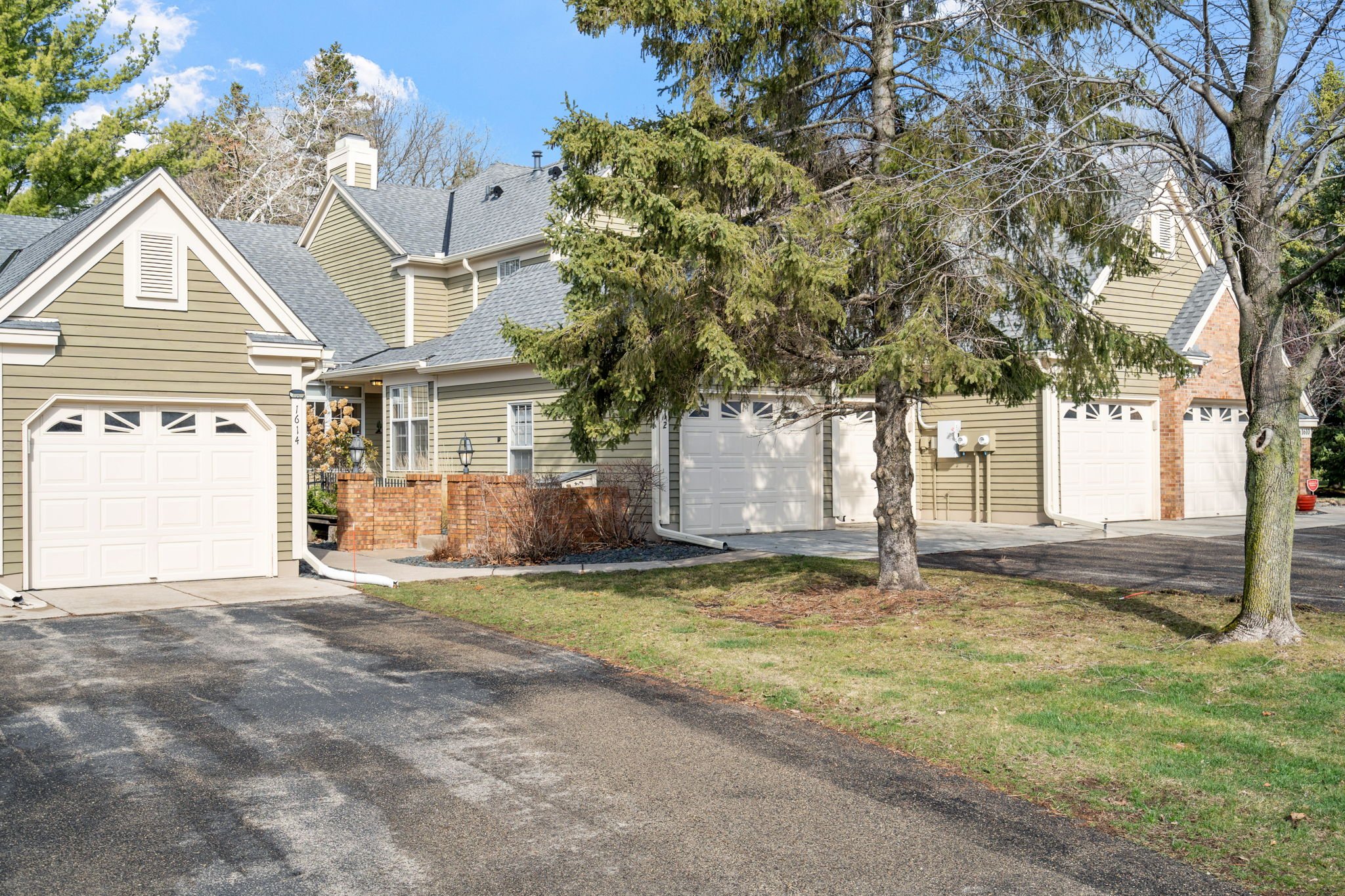
Just Listed: Your Sanctuary Awaits in the Serene Dancing Waters Community!


Welcome to your new sanctuary nestled in the serene Dancing Waters community.

As you step inside this luxurious, all brick end unit townhome, the main level is the heart of the home with a cozy fireplace. The gourmet kitchen awaits you featuring a stunning copper exhaust hood, farmhouse apron kitchen sink, a double oven, Fisher and Paykel dishwasher and stove top, and a temperature controlled warming drawer. Upstairs, the primary bedroom beckons you with its spa-like en-suite. The second bedroom with gorgeous built-ins and a full bath down the hall ensures comfort for guests. Venture downstairs to the 4-car heated garage with space for a home gym! Plus, plenty of storage throughout! Beyond your doorstep, discover a resort-style lifestyle with access to a pool, splash pad, basketball court, volleyball, picnic area, walking paths, and playground. Conveniently nearby shopping, restaurants, and walking paths. This townhome is a place where comfort, style, and luxury harmonize.

Listed by Diane LeBlanc for West + Main Homes. Please contact Diane for current pricing + availability.


Have questions?
West + Main Homes
(405) 652-6635
hello@westandmain.com

Presented by:
Diane LeBlanc
763-234-0572
diane@westandmainmn.com


Search homes in Minnesota
 

Don’t Let Your Student Loans Delay Your Homeownership Plans


If you have student loans and want to buy a home, you might have questions about how your debt affects your plans.

Do you have to wait until you’ve paid off those loans before you can buy your first home? Or is it possible you could still qualify for a home loan even with that debt? Here’s a look at the latest information so you have the answers you need.

A Bankrate article explains:

Roughly 60 percent of U.S. adults who have held student loan debt have put off making important financial decisions due to that debt . . . For Gen Z and millennial borrowers alone, that number rises to 70 percent.”

This includes one of the biggest financial decisions you’ll ever make, buying a home. But you should know, even with student loans, waiting to buy a home may not be necessary. While everyone’s situation is unique, your goal may be more within your reach than you realize. Here’s why. 

Can You Qualify for a Home Loan if You Have Student Loans?

According to an annual report from the National Association of Realtors (NAR), 38% of first-time buyers had student loan debt and the typical amount was $30,000.

That means other people in a similar situation were able to qualify for and buy a home even though they also had student loans. And you may be able to do the same, especially if you have a steady source of income. As an article from Bankrate says:

“. . . you can have student loans and a mortgage at the same time. . . . If you have student loans and want a mortgage, there are multiple home loan programs you might qualify for . . .”

The key takeaway is, for many people, homeownership is achievable even with student loans. 

You don’t have to figure this out on your own. The best way to make a decision about your goals and next steps is to talk to the professionals. A trusted lender can walk you through your options based on your situation, and share what’s worked for other buyers.

Bottom Line

Lots of other people with student loan debt are able to buy their own homes. Talk to a lender to go over your options and see how close you are to reaching your goal.

Read more at KeepingCurrentMatters.com

Related Links

If there is a home that you would like more information about, if you are considering selling a property, or if you have questions about the housing market in your neighborhood, please reach out. We’re here to help.

Search Homes in Colorado

Search Homes in North Carolina

Search Homes in Oklahoma

Search Homes in Oregon

Search homes in Minnesota

What will happen to home prices with more inventory?


We have more listings, more active inventory and more sales than a year ago.

With the Easter holiday last week, data for housing inventory, new listings and the pace of new contracts started all took a breather from their growth pace. Each of those notched down from a week ago and compared to a year ago. This is a holiday effect and it should all be reversed back onto the year’s growth trend by next Monday’s report.

Here’s how 2024 is shaping up: There are now more listings, more active inventory and more sales than a year ago. What’s notable is that last year there were more immediate sales, fewer withdrawals and fewer price reductions. 

The way to look at this is that demand for homes hasn’t really picked up from a year ago. Mortgage rates haven’t fallen — if anything, mortgage rates are higher than they were a year ago. So demand isn’t increasing. 

Sales are increasing because supply is increasing. We’re slowly emerging from a supply-constrained market. Sales in 2023 were held back because there were not enough homes to buy. As sellers gently re-enter the market, more home sales can happen and are happening. 

This flat demand with more supply means that there are less upward pressures on home-price appreciation this year than a year ago. We finished 2023 with 3-5% home-price appreciation and it looks like 2024 will be flat for home-price gains.

Inventory 

There are now 513,000 single family homes for sale on the market. That’s almost 1% fewer than the previous week, with the decline due to the Easter holiday. Inventory will climb again with this week’s data.

There remain about 25% more homes on the market now than a year ago. That’s 100,000 more single-family homes for sale now than a year ago. Some of the markets like Southwest Florida have big inventory gains, others like Boston are still just barely climbing off pandemic lows. But they’re all gaining over last year. 

After this week, it’ll be interesting to watch if the year-over-year changes slow down at all. In 2023, inventory finally started climbing in mid-April and I expect our current inventory growth path to continue for a few more months. Last year there were so few sellers each week and we now observe 10-15% more sellers each week. That growth looks poised to continue.

One reason we know that inventory will keep growing is that we can measure the pre-listings. These are marketed as “Coming Soon” — they’re not actually listed for sale yet. The coming soon listings jumped by 26% this week and are 34% greater than a year ago. That tells me we’ll be back on our inventory growth pace with just this one week dip.

New listings

In the new listings data, you can most clearly see the impact of the Easter holiday. There were only 55,000 new listings last week for single-family homes. That’s down 8.5% for the week and actually 1.5% fewer than a year ago. The Easter holiday was later in April last year, so next week’s data comparison will show a big jump weekly and yearly with two easy baseline comparisons. Because of the mismatched holiday weeks, this was the first week of annual decline in new listings volume since way back at Thanksgiving.

In other words, seller growth continues. It’s not huge, but it is a real growth. And except for the mismatched holiday comparisons, it would have climbed last week, too.

We’ve consistently had more sellers easing into the market. I haven’t seen anything in the data that indicates this will change. Even as inventory builds in some parts of the country, there’s not a general surge. There’s no sign of an imbalance with too many sellers for the current demand levels.

New pendings

The holiday weekend pushed a few contracts out later too. So the new pendings dipped last week too, to just 65,000. That’s 65,000 single-family homes that took offers and started the sales process. There were another 15,000 condos that got offers last week. 

That’s down 6.5% from the previous week and just fractionally fewer than the same time last year. 

Just like the listings volume, the sales volume is definitely increasing. I don’t see any sign in the data of that trend changing. Like I’ve said, if we have a big jump in mortgage rates, that would slow down the sales process. 

And in fact, the 10-year yield has been climbing in response to the continued strength in the economy. It seems like every macro economic data point we get makes it less likely that the Federal Reserve will cut rates soon. Those data points drive the 10-year higher, which puts pressure on the 30-year mortgage rate. The good news is that the spread between the 10-year and the 30-year mortgage rates has been compressing a bit. So even though the 10-year is up a lot, mortgage rates are only up a little. 

That compressing spread is one reason that mortgage rate forecasters keep anticipating lower rates coming this year. Will it happen? I don’t know. We haven’t seen falling mortgage rates yet. The good news is that this housing market will continue to expand even if rates are just stable. They don’t have to fall.

Meanwhile, homes are spending just under 40 days in contract now. That’s less than last year at this time when it was closer to 50 days. Fewer days in contract implies a more resilient market, more likely to close and less likely to fail. It probably also is related to the increase is cash buyers we’ve seen this year.  If you’re looking for bearish signs in the housing data, the days in contract is one you might pay attention to. Days in contract is lower now than a year ago and is ticking down as you’d expect for the season. Currently no notable bearish signal in that data point.

Home prices 

At $395,000, prices for the latest sales (the homes going into contract) are up 5.7% over last year. Home prices are only 2% higher than where they were two years ago. At that time, the pandemic boom was ending and mortgage rates were climbing very quickly. Buyers were getting the very last of the affordable payments and the prices paid for the homes reflect that.

I want to point out that I’m sharing the pending sales data here. The active market is shifting a bit differently. The median price of all the homes on the market, which is the price data I usually share, has actually lost ground since the start of the year. The median price for all the single-family homes on the market now across the U.S. is $440,000. That’s unchanged since last year.

By that measure, home prices haven’t climbed at all in a year now. Zero percent home price appreciation. Last year, the tighter supply was leading to more upward pressure each week on the market. By that measure, we started 2024 with 3% home-price gains and right now we have 0% home price gains. When I say that home prices are looking less bullish than the sales volume numbers, this is what I’m talking about. 

The asking prices are soft and are now showing no appreciation over last year. The sales prices are still showing their 5-6% annual gains that you’ll hear in the headlines.

Price reductions

Let’s close today with the leading indicator percent of the homes on the market with price reductions. Currently 32% of the single-family homes on the market have taken a price cut from the original list price. That’s up just a fraction from the previous week but it’s notably higher than last year at this time. There are more sellers now who have felt the need to cut their asking prices than a year ago. We can see slight weakness in those asking prices now.

Now, it’s not a lot of price cuts and it’s not rising super rapidly. It’s not deteriorating from here. And that’s why we do this data work each week. This market is trying to grow, but homebuyers are obviously sensitive to the cost of money.

Read more at HousingWire.com

Related Links

If there is a home that you would like more information about, if you are considering selling a property, or if you have questions about the housing market in your neighborhood, please reach out. We’re here to help.
Search Homes in Colorado

Search Homes in North Carolina

Search Homes in Oklahoma

Search Homes in Oregon

Search homes in Minnesota

How to Buy a House: 4 Ways to Purchase Faster and Smarter


If you’re about to embark on the home-buying process, you want to know how to buy a house the quick and smart way.

The process typically takes two to three months, but in a seller’s market with low inventory and strong buyer demand, it could take six months to a year—or longer. But what if you could cut that time in half, without having to make any sacrifices? You’d do it, right?

Of course, you would.

Well, you’re in luck! Take a look at our recommendations for buying a home the smart way.

1. Let the government lend a hand

If you’re in the process of saving for a down payment, you might be able to scrape together the remainder of the money by qualifying for one of the more than 2,200 down payment assistance programs offered nationwide. These programs provide home buyers with low-interest loans, grants, and tax credits.

If you haven’t heard of down payment assistance before, you’re not alone. Many people don’t know about these programs or assume their loans are more difficult to get than they actually are.

You’ll have to meet certain eligibility requirements in terms of income, occupation, or credit, but buyers who use down payment assistance programs save an average of $17,766 between upfront savings and lower monthly mortgage payments over the life of the loan. Visit Down Payment Resource, which offers information on programs, to find a program you could be eligible for.

2. Stay on top of new listings

You can see what houses are currently for sale in your area using Realtor.com®. To stay on top of brand-new listings in your preferred area, however, ask your real estate agent to set up an automated email through the local multiple listing service so that you’ll be pinged every time a new listing that fits your needs pops up.

Tracking new listings in real-time can give you an edge over other buyers because you’ll be in a position to schedule showings right away and potentially make an offer before another buyer even steps foot inside the house.

3. Consider buying a foreclosure

Many home buyers overlook foreclosed and bank-owned properties often because they fear the condition of the home. That’s a valid concern, because foreclosed homes are frequently sold as is—which means the bank is not going to fix any problems (even if you uncover them during a home inspection). However, buying a home that’s in foreclosure has a couple of big advantages.

It’s often worth the investment, given that foreclosed homes sell for an average 15% below the home’s actual value—and foreclosed homes often sell for less than asking price. Also, because there is less competition among home buyers in this sector of the market, you’re less likely to go up against other bids when submitting an offer on a home that’s in foreclosure.

To begin your search you can browse listings of foreclosures on Realtor.com, which might also be marked as “bank owned” or “real estate owned.”

4. Certify that your finances are in order

Closing times are getting longer: On average, it now takes 50 days to reach closing, up from 40 days in 2015, according to a recent report by Ellie Mae, a company that provides mortgage solutions to consumers.

To close faster, your best move is to get pre-approved for a home loan before submitting an offer on a property. A mortgage pre-approval entails a lender running a credit check and verifying your income and assets, followed by an underwriter doing a preliminary review of your financial portfolio. If everything checks out, the lender will issue you a written commitment for financing up to a certain loan amount that’s good for up to 90 to 120 days.

Meanwhile, getting pre-qualified simply means you’ve discussed your finances with a lender and received a verbal commitment for the loan. Consequently, a pre-qualification can cause a home seller to dismiss your offer outright. And even if you somehow manage to sign a sales contract with only a pre-qualification, it’s probably going to take your lender longer to get the loan approved than if you had pre-approval.

Read more at Realtor.com

Related Links

If there is a home that you would like more information about, if you are considering selling a property, or if you have questions about the housing market in your neighborhood, please reach out. We’re here to help.
Search Homes in Colorado

Search Homes in North Carolina

Search Homes in Oklahoma

Search Homes in Oregon

Search homes in Minnesota