3 Valuable Lessons for Anyone Entering Their Homeowner Era in 2024

The past few years have brought some unprecedented changes to the world of real estate — hello, record low inventory, record high prices, and mortgage rates the likes of which we haven’t seen in decades — which means a lot of people are dealing with totally new situations that wouldn’t have been common even as recently as a year ago, especially first-time homebuyers.

Fortunately, they’re willing to share what they’ve learned so that if you’re shopping for a home, you can go into the 2024 buying season with your eyes open and be a little better armed for what’s in store for next year.

There Is Such Thing as “Too Good to Be True”

When Sherrie Adams was shopping for a home to be near her 84-year-old father, she faced a situation that a lot of other people had become familiar with over the years: homes were going under contract faster than she could get to come in and see them. Finally, after a lot of searching, she found one within walking distance of her dad that Adams called “magazine perfect.” Her higher-than-asking price offer was accepted and it wasn’t long before she, her daughter, and her two grandchildren found themselves in the perfect setup. At least, that’s what she thought. 

“Day after closing, my family room flooded,” she recalls, saying that the outdoor sump pump had been full of leaves, something the previous homeowner said had never happened before. After reevaluating her new home, she discovered that the driveway had been redone, giving the yard just enough of a slant that all the water pooled at her backdoor, which she didn’t open during the initial tour.

“I would advise anyone to look really close at everything,” she said of her regrets. “Backyards, opened and closed doors, cabinets, washer and dryers, dishwashers,” she says, noting that she never expected to have to take on all this extra work in her picture-perfect house

Your Down Payment Might Not Be the Biggest Expense

Jarred Schlottman said he’d always assumed that the hardest part of buying his first house was going to be saving the money he needed for his down payment. Instead, he was shocked to learn that the closing costs were the most expensive part of the process. “People fixate on not having enough for a down payment, but the closing costs were a huge shocker,” he said, adding that he didn’t even receive the final figures — which ended up being 12 percent of his total loan amount — until the morning of his closing. 

There’s Nothing “Fast” or “Perfect” About Buying a Home

When Danielle Payton, founder of health and wellness website kuudose, started looking for a house, she thought she’d have no trouble quickly finding the “perfect home” right away. Instead, she says that she learned that there’s nothing “perfect” about the process and it does take awhile. She discovered that she needed to fall in love with her home’s possibilities. “I learned that your ‘perfect’ home might not exist right away, but it’s important to see the potential your home has,” she explains, noting that factors such as size, location, and amenities are key, but the rest can be updated and upgraded over time. 

Payton says she also learned that there’s nothing fast about the home-buying experience and she was surprised by just how long it took from start to finish, adding that “it’s all worth it in the end to be a homeowner.”

While 2023 may have been a year of lessons for some, we have a hunch 2024 is going to be full of a whole new set of challenges and rewards for hopeful homeowners.

Read more at ApartmentTherapy.com

Related Links

If there is a home that you would like more information about, if you are considering selling a property, or if you have questions about the housing market in your neighborhood, please reach out. We’re here to help.

Search Homes in Colorado

Search Homes in North Carolina

Search Homes in Oklahoma

Search Homes in Oregon

Search homes in Minnesota

It’s Beginning To Look a Lot Like Christmas: The Most (and Least) Festive U.S. Cities and States


The holidays have always been rich with timeless traditions—mistletoe hanging overhead, a lit menorah, and the iconic Christmas tree twinkling through the living room window.

Yet, when it comes to decorating for the season, some U.S. cities and states are more festive than others. The decorations American homeowners prefer—as well as the time and money they spend to give their dwellings a seasonal shine—also vary geographically.

It all got us wondering: Which state is the nation’s most festive?

Where the holiday cheer is strongest

Vermont, the Green Mountain State, is America’s most festive when it comes to decorating for the holidays, according to a recent study commissioned by Michigan-based home builders Lombardo Homes. Wyoming, Delaware, Rhode Island, and North Dakota rounded out the study’s top five.

(The study analyzed 6,708 Google search terms related to Christmas decorations and surveyed 1,000 Americans on their favorite holiday decorations.)

Meanwhile, Oklahoma was the least jolly state for holiday decorating, but Minnesota, California, Mississippi, and Michigan weren’t far behind.

Las Vegas topped the list of America’s most festive cities, followed by Baltimore, Denver, Portland, and Seattle.

“Given the city’s reputation for extravagance, it wasn’t a surprise to us that Las Vegas goes the extra mile for Christmas decorations, too,” says Allison Hadley, Lombardo Homes spokesperson.

On the other end of the spectrum, New York City and Los Angeles were America’s least Christmas-obsessed cities for the second year in a row, trailed by Chicago, Phoenix, and Philadelphia.

“While our study found that New York and Los Angeles are once again the major cities that decorate the least for holidays, these cities still get into the Christmas spirit,” says Hadley.

America’s favorite holiday decorations

Not surprisingly, the Christmas tree was the clear winner when it came to America’s favorite holiday decoration, with 79% of Americans saying they plan to decorate a tree this year. Christmas lights, mistletoe, and gingerbread houses were the other favorites.

“One of the beauties of Christmas is that it offers such a variety of holiday decorations, yet some are more universal than others geographically,” Hadley points out. “For example, window candles are popular in New England states like Rhode Island and New Hampshire because the classic Cape Cod-style houses are the perfect settings for them.”

On the other hand, the ephemeral snowman is the most popular holiday decoration in most upper Midwestern states, including Michigan and Minnesota, where freezing temperatures and snow on the ground are typical over the holidays.

As for Americans’ preferred time to start decorating, the week after Thanksgiving is it. More than half (51%) wait until the week after New Year’s to pack away the lights and ornaments.

And while 90% of Americans say Christmas trees are more expensive this year, homeowners plan to spend an average of $140 on Christmas decorations in 2023, almost double the amount that they spent in 2022 ($82).

“Timeless holiday traditions are timeless for a reason,” says Hadley. “While Vermont might top the list as the state that decorates the most for the holidays, that doesn’t mean people in Wisconsin or California are any less excited. It’s clear, based on our study, that the Christmas spirit is alive and well as homeowners get ready for the holiday season.”

America’s most festive states—and their favorite decorations

(Ordered by most to least festive)

  1. Vermont: Christmas tree

  2. Wyoming: Santa

  3. Delaware: window candle

  4. Rhode Island: window candle

  5. North Dakota: nativity

  6. Alaska: Santa

  7. New Hampshire: window candle

  8. South Dakota: angel

  9. Maine: snowman

  10. Montana: ornaments

  11. West Virginia: snowman

  12. Pennsylvania: window candle

  13. New Jersey: Christmas tree

  14. Massachusetts: gingerbread

  15. Connecticut: Christmas lights

  16. Nebraska: Santa

  17. Idaho: nativity

  18. North Carolina: Christmas lights

  19. Utah: mistletoe

  20. Virginia: wreath and garland

  21. Hawaii: mistletoe

  22. South Carolina: wreath and garland

  23. Texas: wreath and garland

  24. Tennessee: nativity

  25. Alabama: Christmas tree

  26. Georgia: mistletoe

  27. New Mexico: Christmas lights

  28. Ohio: snowman

  29. Maryland: gingerbread

  30. Kentucky: ornaments

  31. Florida: ornaments

  32. New York: Christmas tree

  33. Oregon: gingerbread

  34. Wisconsin: gingerbread

  35. Nevada: stocking

  36. Kansas: nativity

  37. Illinois: snowman

  38. Indiana: Christmas tree

  39. Louisiana: wreath and garland

  40. Iowa: angel

  41. Washington: mistletoe

  42. Missouri: Christmas lights

  43. Colorado: gingerbread

  44. Arkansas: inflatables

  45. Arizona: candy cane

  46. Michigan: snowman

  47. Mississippi: nativity

  48. California: mistletoe

  49. Minnesota: snowman

  50. Oklahoma: Christmas lights

Read more at Realtor.com

Related Links

If there is a home that you would like more information about, if you are considering selling a property, or if you have questions about the housing market in your neighborhood, please reach out. We’re here to help.

Search Homes in Colorado

Search Homes in North Carolina

Search Homes in Oklahoma

Search Homes in Oregon

Search homes in Minnesota

The Perfect Home Could Be the One You Perfect After Buying


There’s no denying mortgage rates and home prices are higher now than they were last year and that’s impacting what you can afford.

At the same time, there are still fewer homes available for sale than the norm. These are two of the biggest hurdles buyers are facing today. But there are ways to overcome these things and still make your dream of homeownership a reality.

As you set out to make a purchase this season, you’ll want to be strategic. This includes taking a close look at your wish list and considering what features you really need in your next home versus which ones are nice-to-have. This will help you avoid overextending your budget or limiting your pool of options too much because you’re searching for that perfect home.

Danielle Hale, Chief Economist at Realtor.com, explains:

“The key to making a good decision in this challenging housing market is to be laser focused on what you need now and in the years ahead, . . . Another key point is to avoid stretching your budget, as tempting as it may be . . .”

To help identify what you truly need, make a list of all the features you’ll want to see. From there, work to break those features into categories. Here’s a great way to organize your list:

  • Must-Haves – If a house doesn’t have these features, it won’t work for you and your lifestyle (examples: distance from work or loved ones, number of bedrooms/bathrooms, etc.).

  • Nice-To-Haves – These are features you’d love to have but can live without. Nice-to-haves aren’t dealbreakers, but if you find a home that hits all the must-haves and some of these, it’s a contender (examples: a second home office, a garage, etc.).

  • Dream State – This is where you can really think big. Again, these aren’t features you’ll need, but if you find a home in your budget that has all the must-haves, most of the nice-to-haves, and any of these, it’s a clear winner (examples: a pool, multiple walk-in closets, etc.).

If you’re only willing to tour homes that have all of your dream features, you may be cutting down your options too much and making it harder on yourself (and your budget) than necessary.

While you’d love to have granite countertops or a pool in the backyard, those are both things you could potentially add after you move. Instead, it may be best to focus on finding the things that you can’t change (like location or a certain number of rooms). Then, you can upgrade or add some of the other features or finishes you want later on.

Sometimes the perfect home is the one you perfect after buying it.

Once you’ve categorized your list in a way that works for you, discuss your top priorities with your real estate agent. They’ll be able to help you refine the list further, coach you through the best way to stick to it, and find a home in your area that meets your top needs.

Bottom Line

With the current affordability challenges and limited housing supply, you’ll want to be strategic so you can find a home that meets your needs while staying within your budget. Connect with a real estate agent who can help make that possible.

Read more at KeepingCurrentMatters.com

Related Links

If there is a home that you would like more information about, if you are considering selling a property, or if you have questions about the housing market in your neighborhood, please reach out. We’re here to help.
Search Homes in Colorado

Search Homes in North Carolina

Search Homes in Oklahoma

Search Homes in Oregon

Search homes in Minnesota

Just Listed: Your Gateway to Comfortable Living and Adventure in Oregon's Outdoor Paradise!


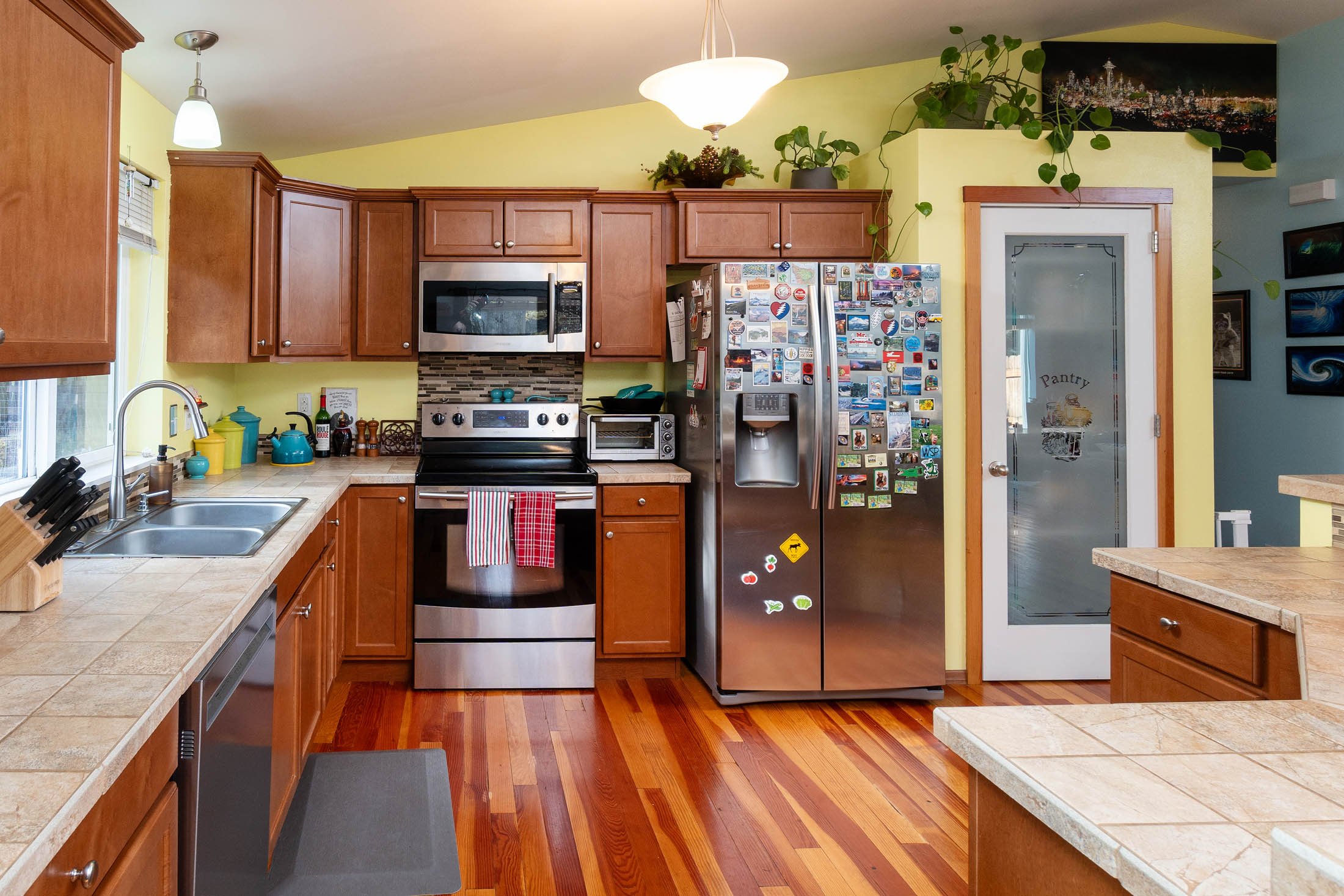
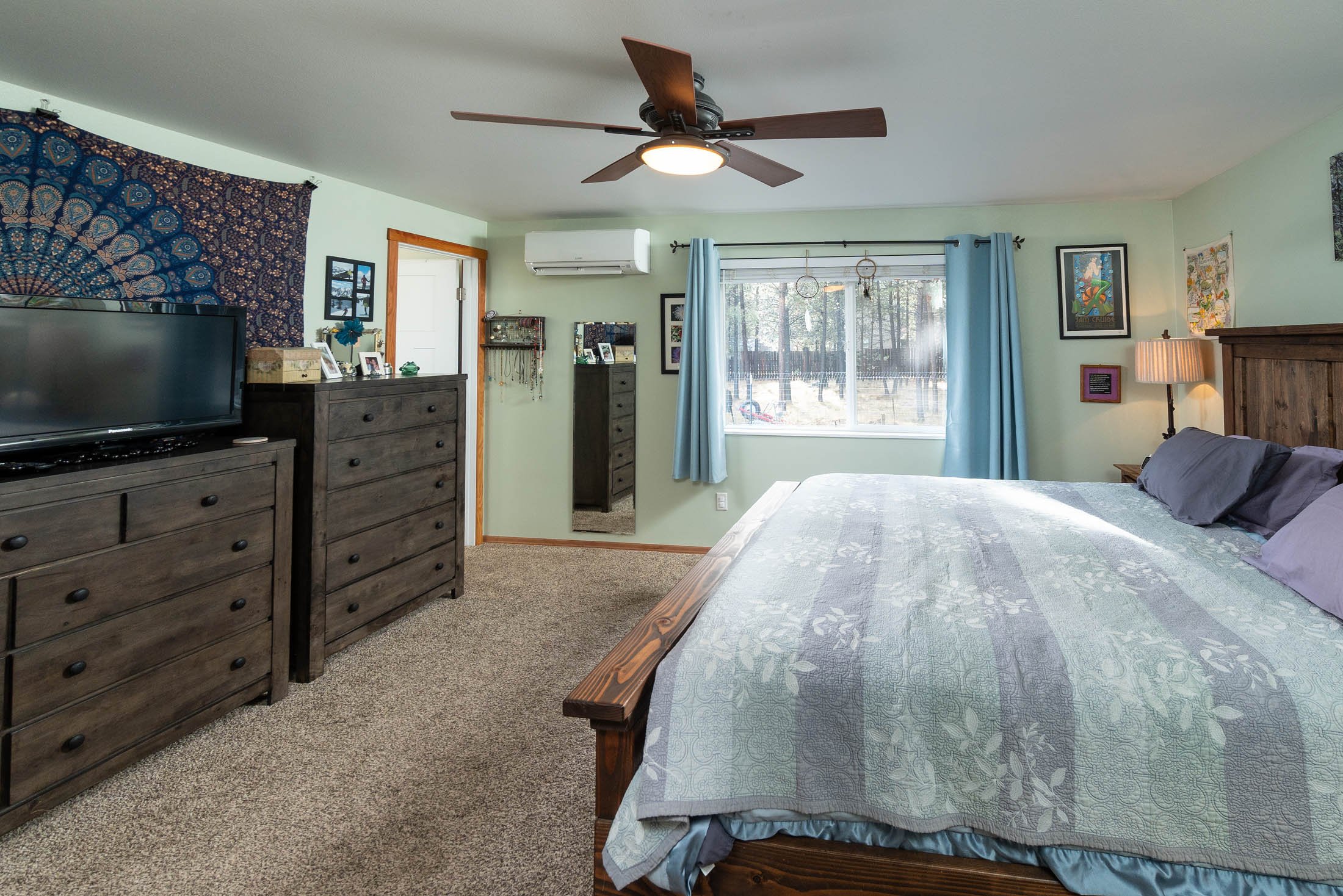
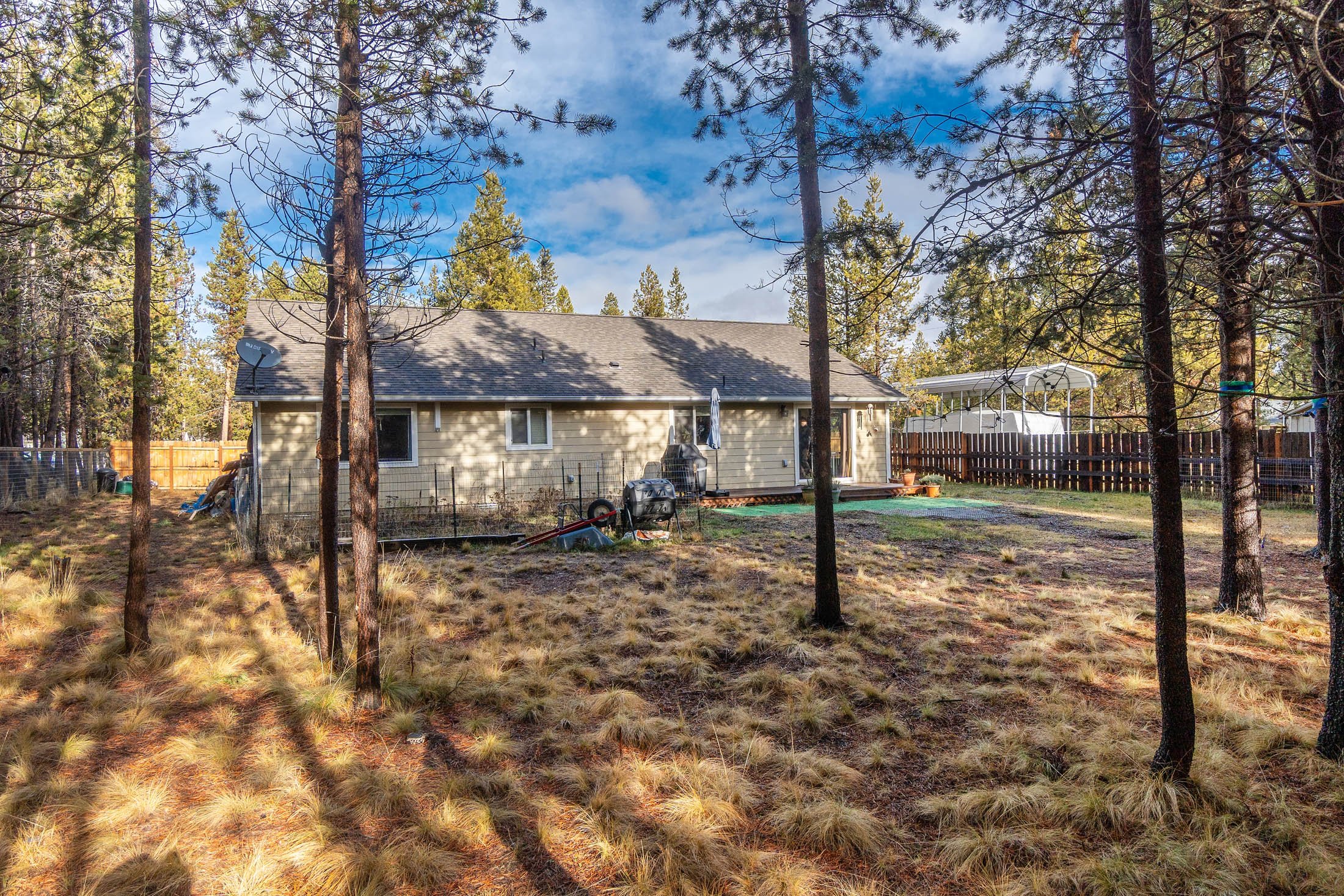
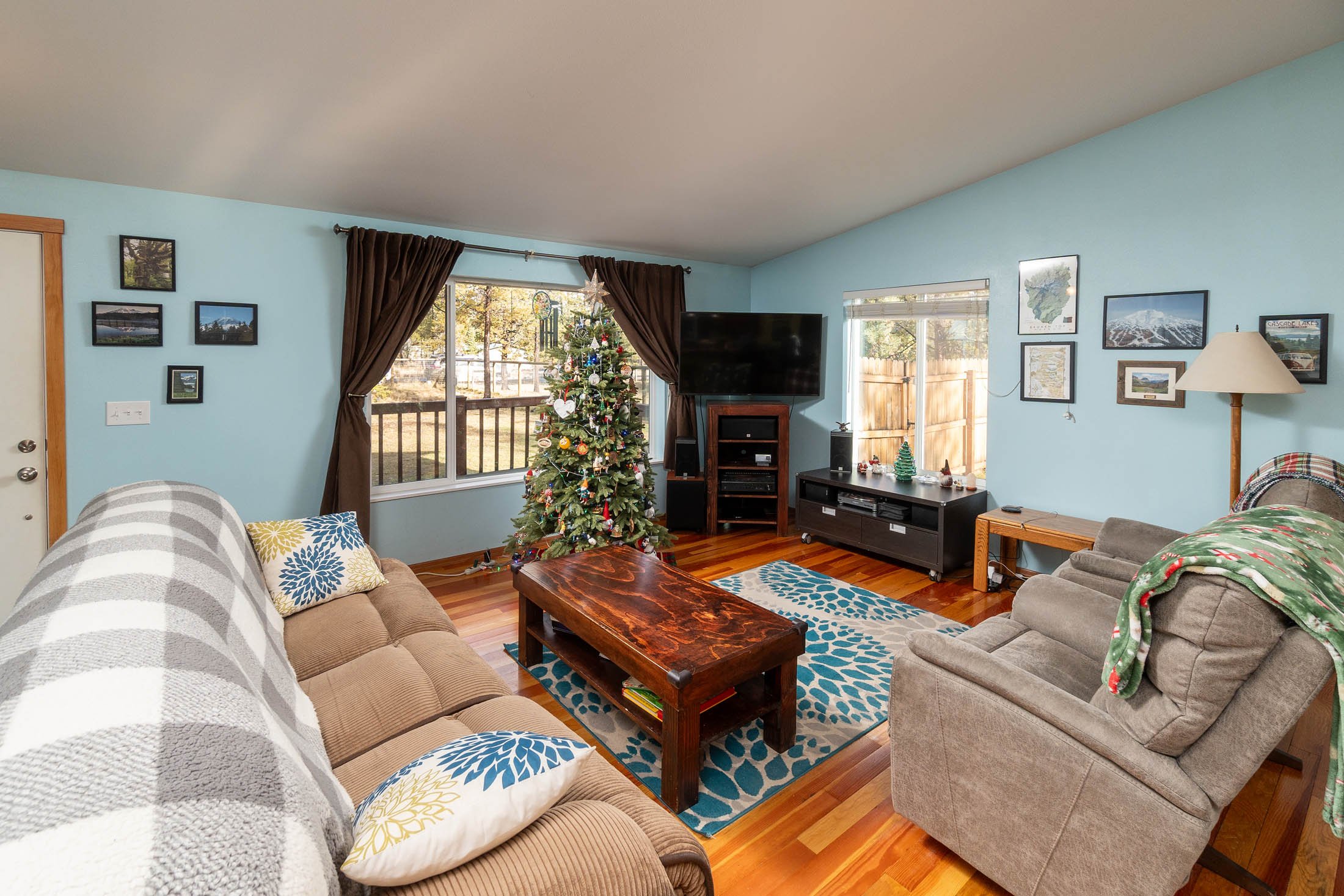
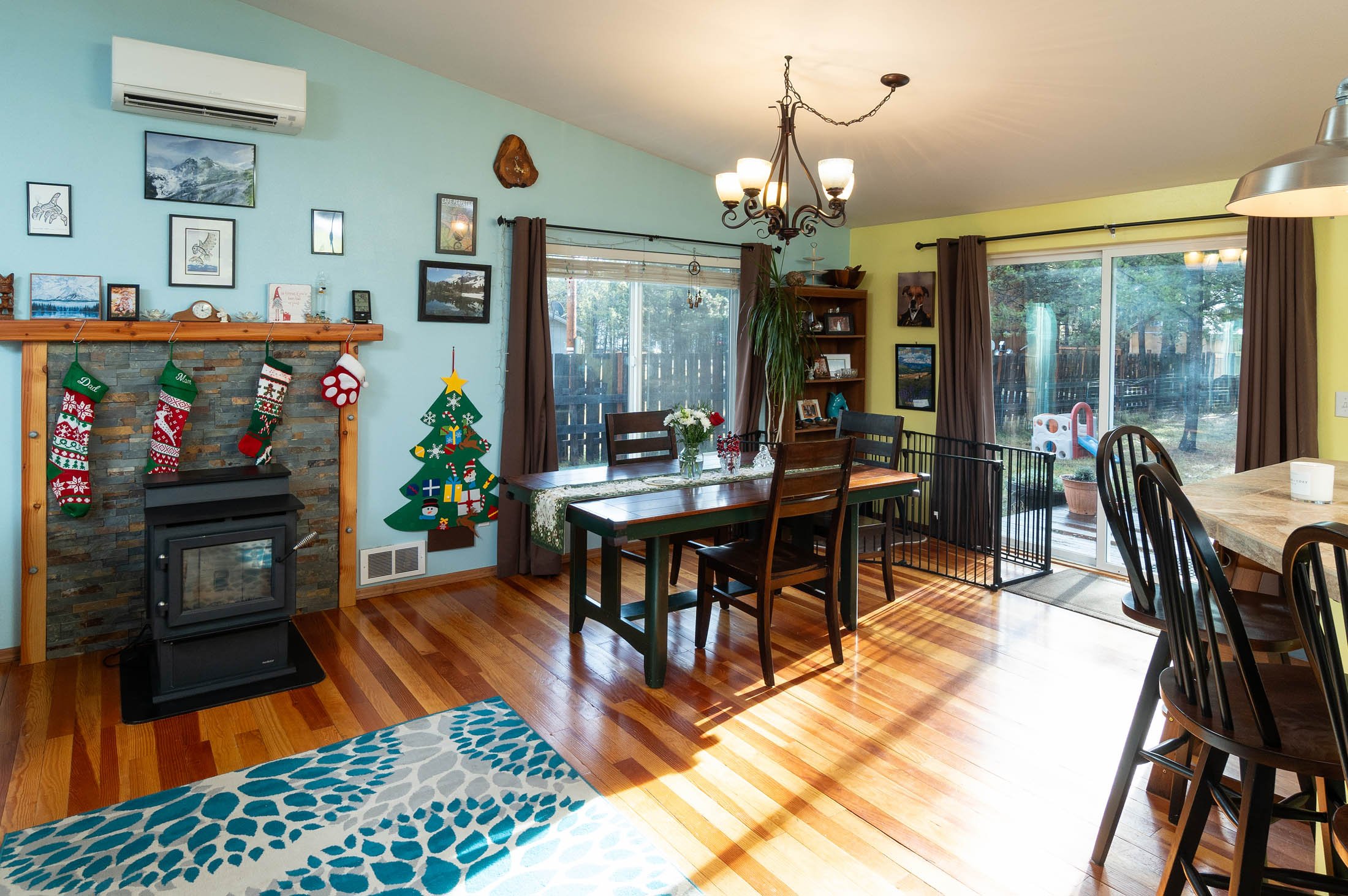
Enjoy this adorable 1,664 single-level home with 3 bedrooms, 2 bathrooms on a completely fenced, .46 of an acre lot within very short distance of the Deschutes River and boat launch, and a 35-minute drive to Mt Bachelor and the Cascade Lakes.

Live comfortably with the ductless heating and cooling system, open floorplan, vaulted ceilings, ceiling fans, hardwood floors, large kitchen with island and breakfast bar, stainless steel appliances, pantry, and lots of closets. Plenty of room for your toys! RV sewer hookup is already in place and driveway is paved! OWW is the perfect community for all your recreational needs.

Listed by Lisa McCarthy for West + Main Homes. Please contact Lisa for current pricing + availability.


Have questions?
West + Main Homes
541-550-1340
hello@westandmainoregon.com

Presented by:
Lisa McCarthy
541-419-8639
lisam@westandmainoregon.com


Search homes in Oregon
 

Central Oregon Real Estate Market Report from November 2023


Bend's Seasonal Adjustment, Redmond's Consistent Performance

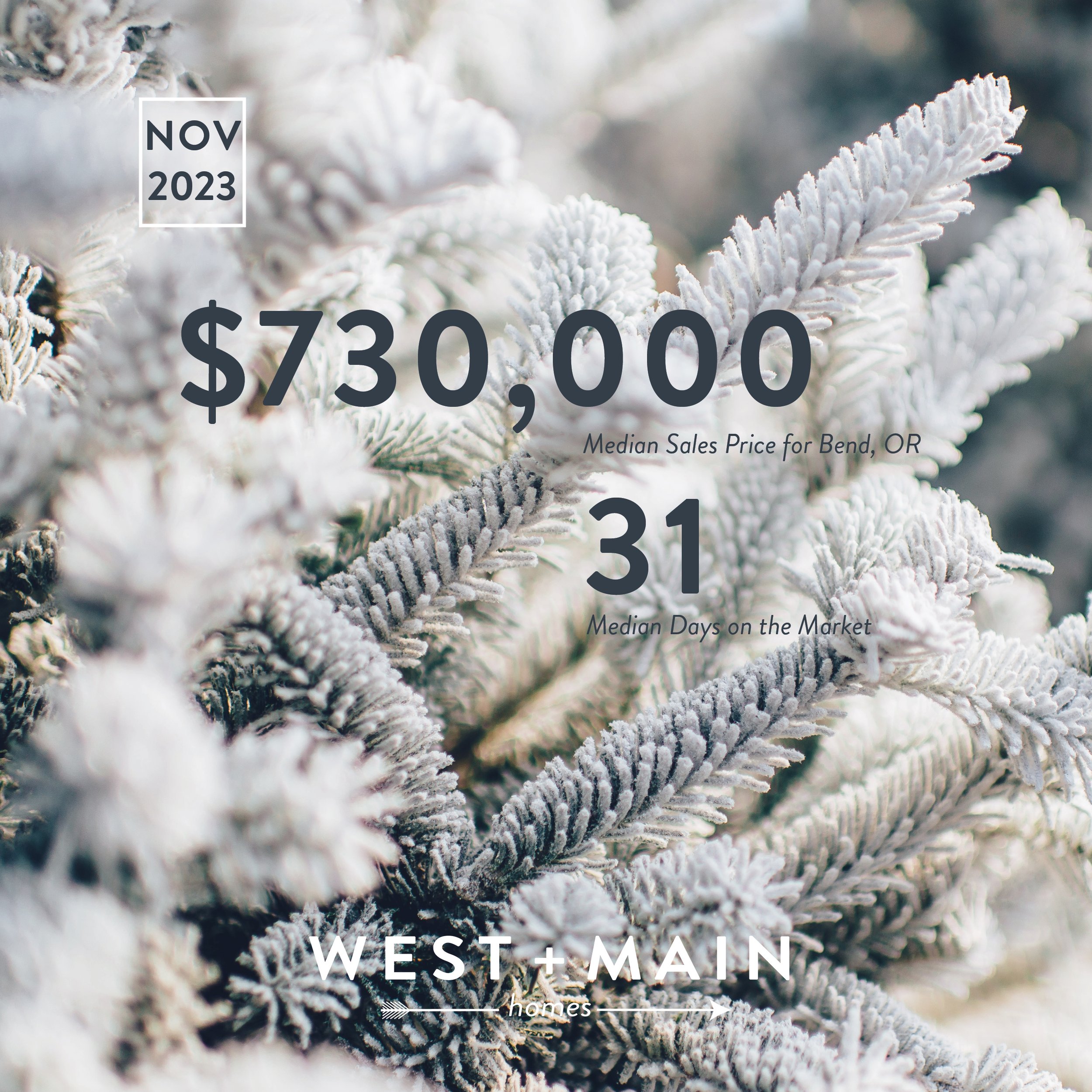
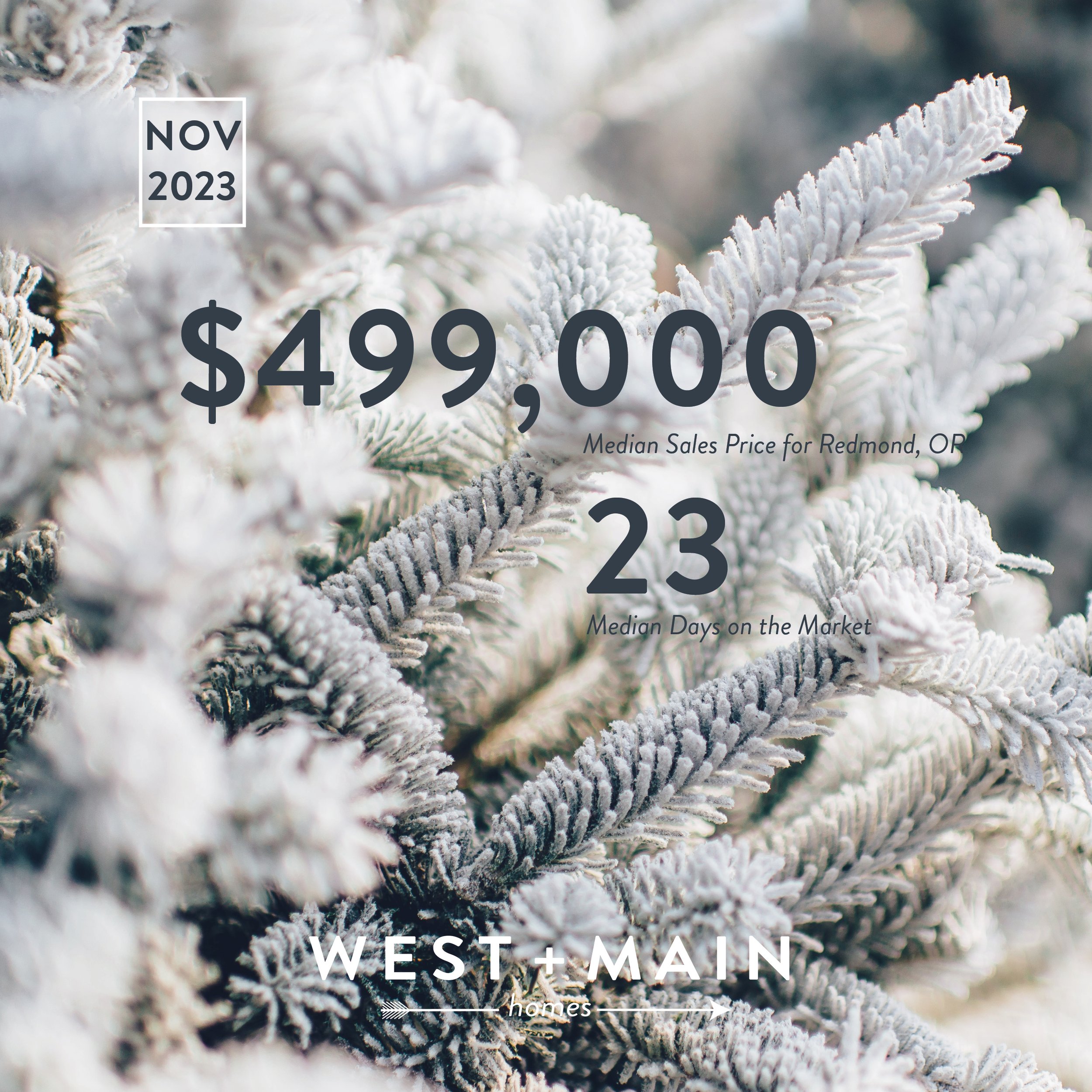
November's real estate data presents a seasonal adjustment in Bend's market, with the median sale price for single-family residences settling at $730,000. The market witnessed a decrease in the number of sales, from 121 in October to 144 last month, and an increase in the median days-on-market to 31 days. These changes are typical of the seasonal real estate cycle. Meanwhile, Redmond's SFR market has shown consistent performance, maintaining a stable median sale price around $500,000 for the past four months. The inventory levels in Redmond have remained steady, with about a 3-month supply, demonstrating a well-balanced market.

“The 30-year fixed-rate mortgage averaged near 7 percent this week, down from nearly 7.80 percent just six weeks ago. When rates began to rapidly drop, purchase applications rebounded initially, but this improvement in demand diminished in the last week. Although these lower rates remain a welcome relief, it is clear they will have to further drop to more consistently reinvigorate demand,” reported Freddie Mac.

Mike Simonsen of Altos Research said, “We’re going into 2024 with slight home price gains, slightly easing inventory constraints, slightly increasing transaction volume, and elevated but decreasing price cuts. All in all, the US residential real estate market is currently positioned for an improved 2024.”

Download the Full Report


BEND AREA
$730,000
Median Price
31 Days on Market

REDMOND AREA
$499,000
Median Price
23 Days on Market

JEFFERSON COUNTY
$363,000
Median Price
37 Days on Market

SUNRIVER
$1,015,000
Median Price
30 Days on Market

LA PINE
$421,000
Median Price
30 Days on Market

SISTERS
$740,000
Median Price
10 Days on Market

CROOK COUNTY
$462,000
Median Price
48 Days on Market


Thank you to Beacon Appraisal Group for compiling this report. Prepared by Donnie Montagner with information from the MLS of Central Oregon with permission from COAR.

If there is a home that you would like more information about, if you are considering selling a property, or if you have questions about the housing market in your neighborhood, please reach out. We’re here to help.
Search Homes in Oregon