Is It Okay to Keep Moving Around Your Houseplants?

There are two types of people when it comes to home decorating: those who embellish a space and then consider it done, and those who love to switch things up. 

If you fall into the latter category and are constantly giving your rooms a refresh, you may be wondering if it’s okay to get your houseplants in on the action. The short answer, according to plant experts? Yep, you can. The longer answer? We’ve got some caveats and tips, so keep reading below. 

Let the Newbies Rest for a Bit 

If you’ve just brought home a new green addition, it can be super tempting to try out a bunch of different spots for it. But Agatha Isabel, Brooklyn-based owner of the online Plant Ma Shop, recommends first letting a new plant hang out in one location for two to three weeks so it can get used to your home. 

“Usually you just want to let it chill in an indirect bright light situation, even if over time it can acclimate to direct light, and then let it acclimate to your space,” she says. “Once it’s acclimated to your space, you can totally move it around.”

Realize that Some Plants Are More up for a Move Than Others

Substantial plants tend to be more resilient, so options like philodendronsmonsterassnake plants, and ZZ plants should be able to handle frequent moving. But with other types, you may need to be more careful. “You have species such as your fiddle leaf fig or your crotons that will lose leaves simply by moving and having to reacclimate,” says Barry Greene, owner and lead plant stylist at Shades of Moss Plant + Design Studio in Charlotte, North Carolina. “Once you get them where you like them, they pretty much like to remain there.”

Isabel adds that older plants in your collection that have gotten very used to their environment may also not want to be moved often, as they “might have a little bit more of a bounce back time.” 

When Relocating Your Plants, Stick with a Consistent Lighting Level 

“The biggest thing to keep in mind is the lighting in your space,” says Tylor Rogers, co-owner of Arium Botanicals plant shop in Portland, Oregon. So if you’re moving a plant and that plant is used to a certain amount of light, ensure that it can get that same level of sunshine in its new spot. 

“Let’s say you have your monstera that’s growing wonderfully right beside your western window, and you want to move it all the way across the room to a space that’s going to get very little light. You’re going to notice those changes,” Rogers explains. “It’s not going to be growing as vigorously. It’s going to be drying out a lot slower. You might see some stunted leaves and things like that.”

If it isn’t possible to give your plant the same dose of natural light in a new place, you always have the option of adding a grow light to the area. 

Don’t Make Big Temp Changes, Either 

For some plants, a move near extreme heat or cold won’t end well. Rogers mentions that placing greenery too close to air conditioning units, fireplaces, or vents could spell trouble. “Some plants are going to be a little more susceptible to having damaged leaves or crisping edges if they are moved near those sources,” he says. Rogers notes that ferns, calatheas, and prayer plants are some of the types most likely to be impacted in these cases, while heartier varieties like those aforementioned philodendrons and monsteras shouldn’t be affected as strongly. 

In a similar vein, Greene says to be mindful when placing plants near windows during the colder months. “Make sure there’s no draft, and that the foliage isn’t touching the actual window if it’s cold outdoors,” he says. “That will also bring damage to the foliage.” 

Remember to think about the humidity levels in your space, too, says Isabel. “If you’re moving something from the kitchen or the bathroom — which might tend to have more humidity because of the space that it’s in — and you don’t have, for example, a humidifier in your bedroom, that plant might react.” 

Oh, and Check for Pests Before Moving 

Prior to picking up that pothos, Rogers suggests making sure it isn’t home to any insects.

“If you set up this great little jungle corner and you bring in a plant that was otherwise isolated by itself and did have pests, and you brought that into the mix because you’re moving your plants around, you could spread those pests to your entire collection,” he says. “Giving them a quick look-down, or just making sure that they are pest-free or you don’t see any signs of pests before you start moving things around, is going to be a great thing to do beforehand.”

Read more like this on Apartment Therapy.

Related Links

If there is a home that you would like more information about, if you are considering selling a property, or if you have questions about the housing market in your neighborhood, please reach out. We’re here to help.

Search Homes in Colorado

Search Homes in Oklahoma

Search Homes in Oregon

Thinking of Relocating for a More Affordable Home? Ask Yourself These 5 Questions First

With home prices reaching record highs and mortgage rates soaring, you’re likely looking for ways to cut homebuying costs. Maybe you’re even thinking of relocating to find a more affordable home.

Nabbing a property that won’t break your budget is an excellent option in a challenging market. But remember that many more particulars go into relocating than just the home price.

“Relocating could be the best thing for some people to start over or get more in life,” says Shavahnna Hunt, a Guaranteed Rate vice president of mortgage lending in Flossmoor, IL. “Just know what you’re getting into and how much risk you’re willing to take.”

If you’re strongly considering making a move outside of where you currently live—but within your price range—here are five questions to ask yourself before making an offer and packing up.

1. Can you afford the moving costs?

Be sure to factor in the cost of moving houses before heading off to a far-flung area.

Professional movers cost about $1,633 for short-distance moves under 100 miles. But according to HomeAdvisor, that price jumps to between $2,200 and $5,700, depending on weight and distance.

“As a real estate specialist, the best and most essential advice I can give when moving to a house is to budget wisely,” says founder and CEO of Mortgage Relief Dan Belcher. “Make a list of all your moving costs, and try to budget them in order of priority. And set aside money for unanticipated costs, as relocation can be costly nowadays.”

To save money, sell items you no longer need, pack yourself, and get estimates from at least three movers.

2. What is the average cost of living in the new area?

The cost of living is how much money you’ll need to cover your basic expenses and includes food, local taxes, and health care, among other essentials.

“And consider the cost of utilities and managing the home,” says Lori Ballen, a real estate professional at Keller Williams Realty in Las Vegas.

Remember that the average cost of living can vary based on your family’s size and lifestyle. For example, those who commute to work by car will have a different transportation budget than those who bike.

Want to know the difference in the cost of living between your current city and a new city? Check out this cost of living calculator.

3. Will a new neighborhood accommodate your lifestyle goals?

“Buying a home is never rainbows and butterflies, but relocating to another area makes it that much harder,” says Jackie Konopka, a Montclair, NJ, Re/Max Central sales associate. “Take some time when you begin your home search and do what I call a ‘neighborhood boot camp.’ Go see the towns that interest you in person.”

And don’t forget to consider your lifestyle goals. These can include your career development and activities or hobbies you want to pursue.

“We all want to thrive and enjoy life,” says Estel Hilton of Estel Estates in West Hollywood, CA. “So write a list of the 10 most important things you are looking for in a new area. But have realistic expectations. Nothing is 100% perfect. I always say, if you get 80% of what you asked for, then the area will work.”

4. Is the area’s culture suitable for me?

Family might mean children to some and elder care to others. And to some pet owners, it includes their beloved pets.

“The most important thing you have to be aware of is the appropriate environment and culture for your family,” says Dino DiNenna, a broker at South Carolina’s Southern Lifestyle Properties. “If the city doesn’t match with the type of culture you prefer, you will not feel comfortable in the long run.”

So think about the kind of community that best suits your family. That could be a suburban, kid-friendly neighborhood or a nightlife-rich city of young professionals.

5. How flexible are you?

Many homes are more affordable due to where they’re located, and some are priced low because they might be lacking a few amenities. That could be a covered garage or finished basement. So be sure to drill down on what you are willing to live without.

“If your goal is to get an affordable house, my best advice is to be as flexible as you can on what you’re looking for,” says house flipper Phil Bryson, of Desert Pro Home Buyers in Phoenix. “The more detailed your list of requirements … the more likely you won’t find a home for a long time. You’ll miss out on properties that still hit many of your wants with which you’d be perfectly happy.”

Learn more on Realtor.com

Related Links

If there is a home that you would like more information about, if you are considering selling a property, or if you have questions about the housing market in your neighborhood, please reach out. We’re here to help.
Search Homes in Colorado

Search Homes in Oklahoma

Search Homes in Oregon

3 Amenities Renters Love

Amenities make renting a home comfortable and enjoyable.

Any property can offer the basics, but it’s the extra details that make all the difference. Most tenants plan on touring several properties before making a decision. Therefore, rental units with unique features will be the properties that make the strongest impression. Once as potential renters find a property that meets their needs, they’ll look for above-and-beyond features to make a final decision. Providing one-of-a-kind amenities is a key way to attract serious tenants with an eye for quality.

1.     In-Unit Laundry Appliances

Renters love any amenities that make their lives a little easier. After a long week, spending an afternoon at the laundromat is the last thing anybody wants to do. It’s time-consuming, and people want to spend their days off doing what they love. In-unit washers and dryers let tenants finish their chores while going about their day. Including these in your property will definitely earn you some brownie points. With that being said, on-site laundry facilities are still preferable when compared to laundromats. If you can’t provide in-unit laundry appliances, this is the next best option.

2.     Outdoor Features

Tenants don’t want to be forced to travel far to enjoy the outdoors. More than anything, they love amenities that give them the freedom to roam. During the summer months, people don’t want to be cooped up in their apartments blasting the AC, they want to be by the pool where they can cool off and spend time with loved ones. They want to be able to get some fresh air and enjoy outdoor activities. It’s a fact: amenities like pools, hot tubs, ponds, and tennis courts are always a hit. If you allow pets in your facility, renters will also love parks and outdoor, dog-friendly spaces.

3.     Upgraded Kitchens

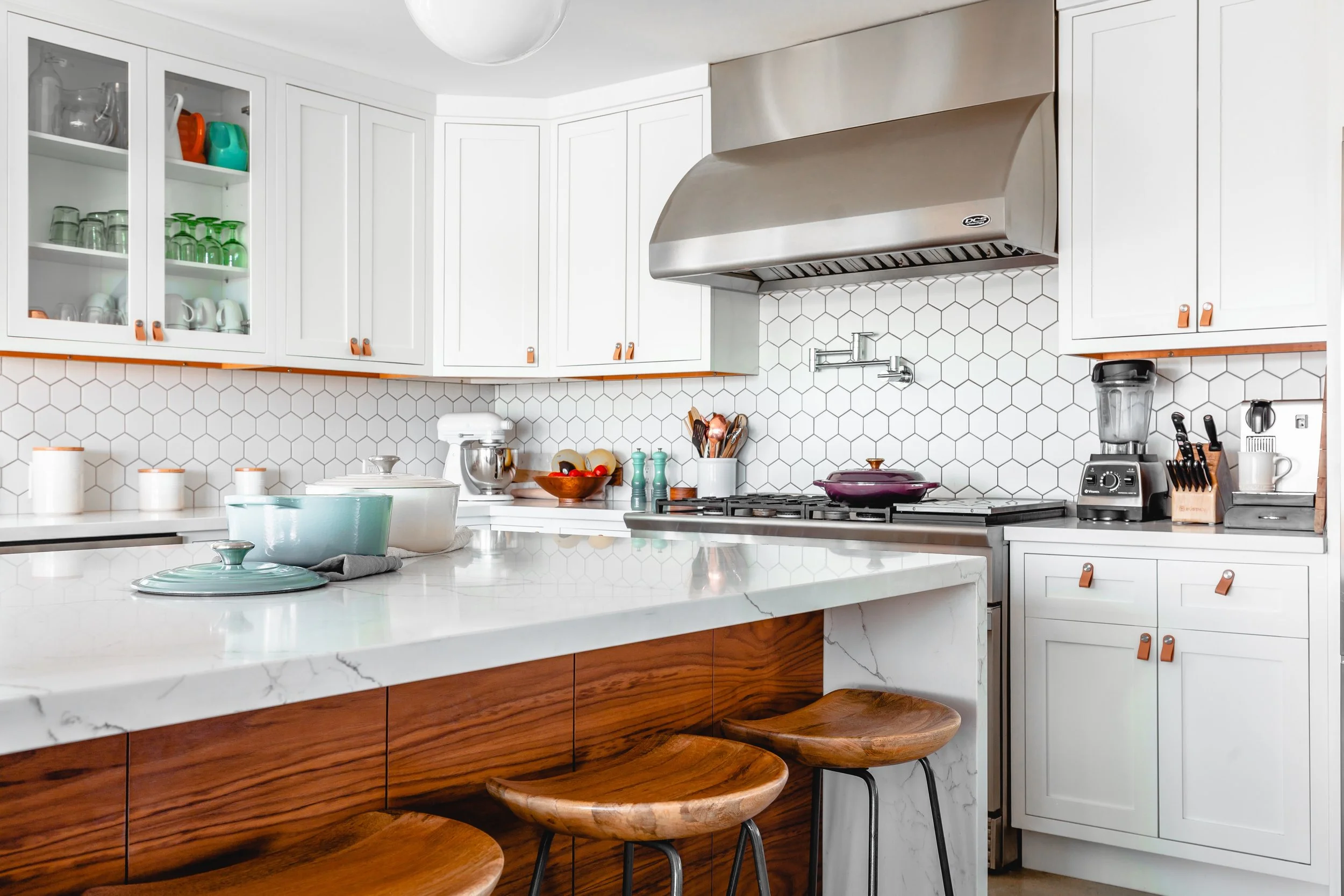
Standard kitchens always tend to look similar. They often include small, outdated refrigerators, ‘80s-style countertops, and humming appliances. In order to stand out from the crowd, you’ll want to focus on this area. Renters know a property is well-maintained if the kitchen has been upgraded. To wow potential tenants, consider installing stainless steel appliances, high-quality cabinets and granite or marble countertops. If financial restraints bar you from making these changes, think about smaller upgrades that are at least up-to-date. The best thing you can do is provide functioning equipment and a pleasing atmosphere for your renters. We spend a lot of time in our kitchens. Whether we’re cooking up meals with our family members or having late-night conversations over coffee, kitchens are comforting places. They should feel welcoming and pleasant.

Read more here.

Related Links

If there is a home that you would like more information about, if you are considering selling a property, or if you have questions about the housing market in your neighborhood, please reach out. We’re here to help.

Search Homes in Colorado

Search Homes in Oklahoma

Search Homes in Oregon

The housing market is still savagely unhealthy

But there is a glimmer of hope as we look at the rest of the year.

The National Association of Realtors reported that existing home sales for March came in as a miss of estimate at 5.77 million. However, the real story of 2022 is that the savagely unhealthy housing market continues as inventory is still lower than last year, sending home prices growth into double digits again. However, hope for a balanced market is real this year because, with higher rates, we should see more days on the market coming up and growth in the inventory data.

The 5.77 million sales print on Wednesday is in line with my 2022 forecast sales range between 5.74 million and 6.16 million. Last year I discussed sales levels coming back down to 5.84 million, and I am looking for more of the same in 2022, at the 5.74 million level. Like last year, I was anticipating a few prints under 5.84 million. We only got one, and the same with this year under 5.74 million

However, unlike the previous year, we have a material change in the U.S. housing market; the 10-year is above 1.94%, something that didn’t happen in 2020 or 2021. This means higher mortgage rates, so we need to talk about the housing market in a rising-rate environment without going into housing crash mode like the professional grifters do for clicks.

From NAR: Total existing-home sales dipped 2.7% from February to a seasonally adjusted annual rate of 5.77 million in March.

Housing demand has been stable for the past few years; we have never had a credit boom in demand since 2002-2005. So, we never had a credit bust as we saw from 2005 to 2008. However, post-2010, we have had times when housing demand has gotten softer with higher mortgage rates.

In 2013-2014, rates rose, and you see the lower trend in sales back then. Demographics and employment levels were much different at that time, so it isn’t the best comp to use compared to 2020-2024, which has the most significant housing demographic (ages 28-34) running at 32.5 million.

In 2018 when mortgage rates rose, we saw existing home sales trend lower from 5.72 million to 4.98 million in January 2019. Even though total existing-home sales didn’t do much in 2018 and 2019, we see how higher rates impacted the demand curve. The housing data we got yesterday with housing starts are backward-looking. The same should be thought about today and going out in the future.

How does application data look? Due to COVID-19, I needed to make severe adjustments because the year-over-year data has been out of whack. This data line has been negative since June of 2021. With proper adjustments, you can tell what is going on.

2022 is looking to be the first actual negative year-over-year purchase application year since 2014. However, the decline is mild so far.
—Week to week: -3%
—Year over year: -14%
—4 week moving average YoY: -9.75%

The week-to-week action has produced two mild positive and two mild negative prints for four weeks. I believe the COVID-19 comps ran out by mid-February this year. So the year-over-year data is good to go. We are between what we saw in 2018 — with a mild response to higher rates — and 2014, where the reaction was much more severe. When it moves, this data line moves up and down 20%-30%. So the four-week moving average, while a noticeable weakness, isn’t anything too big yet. 

Keep reading on Housing Wire.

Related Links

If there is a home that you would like more information about, if you are considering selling a property, or if you have questions about the housing market in your neighborhood, please reach out. We’re here to help.

Search Homes in Colorado

Search Homes in Oklahoma

Search Homes in Oregon

Just Listed: Fully Updated Single Level Home in Timber Ridge


Fully updated, single level, private oasis in the established Timber Ridge neighborhood.

Resting on .47 acres this home snuggles up to acres of green space kept by the HOA. No upkeep with all the enjoyment. Close proximity to the new Caldera High School and Bend Golf Club. 4 bedrooms and 3 bathrooms included in the main living space and attached mother-in-law suite. Walls have been taken down and ceiling elevated to create a large open floor plan with new hardwood floors, skylights, warm stone fireplace and a view to a large deck with hot tub. Remodeled kitchen with cherry cabinets, Miele appliances, convection oven, large tile countertops, entertaining island and light filled atrium picture window. Mother in law features private entrance, kitchenette and on suite bathroom. New roof, plumbing, electrical, AC and double paned windows. Home sits on a perimeter foundation and has fresh interior and exterior paint. This one of a kind home and lot represents a generational opportunity in the heart of SE Bend!

Listed by David Keyte for West + Main Homes. Please contact David for current pricing + availability.


Have questions?
West + Main Homes
westandmain.co
hello@westandmainoregon.com

Presented by:
David Keyte
(541) 797-8356
dave@bendrelo.com


Search homes in Oregon