What Does an Appraiser Do?


When you’re considering buying a house, there are two sides to the story: the seller’s asking price and the actual value of the property. This is where an appraiser steps in.

Is the new home you’re looking at priced too high? A real estate appraisal can let you know whether the amount being asked is a fair purchase price.

Here’s more on the home appraisal process, so you can learn the true value of your future home.

What does an appraiser do?

An appraiser’s job is to determine the current value of a property for the potential buyer. Most of the work to determine the value of a real estate appraisal is done during an on-site inspection, where the appraiser will:

  • Conduct a room-by-room walk-through to appraise the condition of the interior

  • Walk the length of the real estate property for an appraisal of the condition of the exterior

  • Appraise the value of any amenities, such as a swimming pool, finished basement, or built-in bar

  • Note any health or safety code violations for the appraisal report

  • Record the layout of the property, inspect the square footage, and determine whether or not it’s a single-family dwelling

  • If you’re buying commercial real estate, a property appraiser may conduct a business valuation to determine market value in much the same way.

Off site, the appraiser may also evaluate the current real estate market, considering comparable properties in the neighborhood, to help evaluate the home’s value or fair market value of the property.

A home appraiser will report on the value of similar properties in your area, so you can determine whether your upcoming real estate transaction is a smart one.

How do you know if an appraiser is qualified?

Typically, your lender will choose an appraiser. The appraiser should be licensed by the state or have other certification—the Appraisal Foundation, for example, has been authorized by Congress to set qualifications for becoming an appraiser. However, not all states require appraisal certification, so do some research into appraisal value before you start.

Who hires the appraiser?

Usually, the lender or financing organization will hire the appraiser. Because it’s in the best interests of the lender to get a good appraisal, the lender will have a list of reputable appraisers it has hired in the past to discern the value of a home.

Who pays for the appraisal?

The loan agreement normally contains a set value for the appraisal of property. Whoever takes out the loan pays for the appraisal, unless the contract specifies otherwise. Then the buyer pays the appraisal fee in the closing costs. If the sellers are motivated, they may pay for the appraisal to back the asking price, which benefits the buyer by reducing closing and transaction costs.

The lender may not adjust the fee after hiring the appraiser. Expect an average range of $300 to $600, depending on the size of your real estate, property value, and location. Different types of appraisal report take various amounts of effort, which may affect the price.

How long does an appraisal take?

One or two hours is the average time spent for most property appraisals. You should receive the report in an average of three to seven business days. The amount of time it takes to complete an appraisal can depend on the type of report, the size of the property, and other factors.

What are the benefits of an appraisal?

Think of the appraisal as an investment of your time, money, and effort. It is important to know what your house or real estate is worth, and an appraisal will help you get your loan approval. Hopefully, this step and the rest of the house-buying process will go smoothly.

Get more info like this on Realtor.com

Related Links

If there is a home that you would like more information about, if you are considering selling a property, or if you have questions about the housing market in your neighborhood, please reach out. We’re here to help.


Search Homes in Colorado

Search Homes in Oklahoma

Search Homes in Oregon

Are Accessory Dwelling Units Worth It? The Pros and Cons of Buying a House With an ADU

image courtesy of Building an ADU

As home prices continue to rise and inflation sends the cost of daily living into the stratosphere, more people are looking for simple ways to make paying the bills easier.

Many homebuyers are hoping that accessory dwelling units, or ADUs, do just that. At its most basic, an ADU is a separate living space on the same property as the primary residence. The ADU belongs to the main property owner, and as such, is generally required to be sold with the main home in one package.

ADUs have been gaining in popularity in recent years. The number of first-time listings with an ADU has increased in the past decade, growing 8.6% on average per year, according to a recent Freddie Mac study. The study found that close to 70,000 properties with an ADU were sold in 2019, compared with only 8,000 properties in 2000. And the ADU trend seems to be hitting the hardest in the South and the West, with double-digit growth in Portland, OR; Dallas; Seattle; Los Angeles; and Miami.

But is the ADU a savvy solution to the housing and money crunch? The short answer: It depends.

Below, we break down the most important details to consider before buying a home with an accessory dwelling unit that you plan on renting out.

Pros of buying a house with an ADU

The most obvious benefit of buying a home with an ADU is the passive income it generates. The amount of income will vary depending on where it is located and the rental market in the city. Keep in mind that some of that income will need to go toward any necessary repairs and cleaning fees if you’re renting it out for short-term use on sites such as Airbnb.

An ADU can also add value to your home. According to Porch, homes with an ADU are priced 35% higher than homes without one. Even if it’s not being used as a rental unit, an ADU can be used for guests or family members.

Cons of buying a house with an ADU

There are a number of costs and responsibilities involved in owning a short-term rental unit, which eat into the passive income the ADU generates.

“Maintenance, repair, and renovations are just the start,” says Ben Wagner, real estate investor and house flipper at Leave the Key in Amityville, NY. “Landlords must also take into account miscellaneous expenses like insurance coverage and cleaning fees.”

(Insurance for additional structures can be covered by most homeowners insurance policies and, at most, would cost in the low hundreds.)

Supples and cleaning costs will vary. If you are renting out the ADU for short stays and need to pay to have it cleaned and stocked with basic supplies like paper goods and hygiene products, you will want to earmark $2,500 per year.

Aside from costs, operating an ADU can also affect the homeowner’s lifestyle. Your renter will require access to certain parts of your property, so you want to make sure you feel safe with renters coming and going as they please.

“An ADU has the potential of completely disrupting your privacy,” says George Beatty, founder of Problem Property Pals in Philadelphia. “That’s not everyone’s cup of tea.”

ADU rules to keep in mind

So you’ve crunched the numbers and decided the additional income will be a net gain. But before pulling the trigger on operating an ADU, you should know that state and local rules about ADUs and vacation rentals vary considerably, and new rules are issued by municipalities every day. To avoid costly surprises and keep your operation above board, be aware of your region’s zoning requirements, dwelling laws, and taxes.

“You have to make sure the property has been appropriately zoned for an ADU,” says Rinal Patel, a licensed real estate agent and co-founder of We Buy Philly Homes in Philadelphia. “And it’s critical to ensure that the property has the necessary permits in place.”

It’s also important for homebuyers to know that regulations may change.

“In DC, for example, new rules went into effect this year restricting and regulating short-term rentals,” says Amber Harris, a real estate agent with Keller Williams Capital Properties in Washington, DC.

You also don’t want the money generated from your ADU to be your primary income.

“I always advise buyers to make sure they’d be able to carry on if something took that rental income away,” says Harris. “The [COVID-19] pandemic has shown how things outside of our control can change market dynamics, and local regulations can change quickly.”

Learn more on Realtor.com

Related Links

If there is a home that you would like more information about, if you are considering selling a property, or if you have questions about the housing market in your neighborhood, please reach out. We’re here to help.

Search Homes in Colorado

Search Homes in Oklahoma

Search Homes in Oregon

Mortgage rates plunge just as home prices set another record


Mortgage rates are sinking as markets contend with the ramifications of Russia’s attack on Ukraine, and that means home prices are likely to continue surging.

The average rate on the popular 30-year fixed mortgage had risen close to a full percentage point from the start of this year up until last Friday, when it hit 4.18%, according to Mortgage News Daily. It then fell to 4.04% Monday and 3.9% on Tuesday. That is the largest two-day drop since March 2020, the start of the pandemic.

This will give homebuyers more purchasing power as the historically busy spring season kicks off. It will also keep record high home prices continuing on their run higher. Prices in January were 19.1% higher year over year, according to a report released Tuesday by CoreLogic. That level of growth is the highest in 45 years, when CoreLogic began tracking prices.

“In December and January, for-sale inventory continued to be the lowest we have seen in a generation,” said Frank Nothaft, chief economist at CoreLogic. “Buyers have continued to bid prices up for the limited supply on the market.”

Nothaft added that the rise in mortgage rates since January eroded buyer affordability, and that price growth should slow in the coming months, but that all depends on how long this drop in rates continues. It could be brief, given the other factors weighing on the mortgage market unrelated to the Ukraine crisis.

Mortgage rates loosely follow the yield of the U.S. 10-year Treasury, which on Tuesday fell to the lowest level since late January. Markets are experiencing volatility because of Russia’s invasion of Ukraine.

For now, the move in Treasurys is causing the pullback in mortgage rates. But mortgage rates are governed more directly by demand for mortgage-backed bonds. Those bonds often mimic the 10-year, but not always, and now is one of those not-always times.

Unlike Treasurys, MBS duration can vary depending on demand for refinancing. A 30-year fixed loan rarely lasts 30 years. If people are refinancing or selling their homes faster, then the bond term doesn’t last as long. Given higher rates now, and more opportunity for refinancing, the current crop of MBS isn’t expected to last much more than five years, according to Matthew Graham, chief operating officer of Mortgage News Daily. 

Over the past three months, 5-year Treasurys have risen 0.10% more than 10-year Treasurys. Because mortgage bonds behave more like the shorter-duration 5-year Treasury note, they’ve had a tougher time keeping pace with the 10-year.

“The outlook for Fed bond buying is also hurting MBS more than Treasuries because the Fed accounts for a larger percentage of total buying demand of new MBS,” Graham said. “So if the Fed leaves (which it is in the process of doing), MBS prices have to fall farther to attract buyers. Lower MBS prices = higher rates, all other things being equal.” 

Given geopolitical tensions now, however, there has been more demand for short-term debt, and so mortgage rates are keeping better pace with the broader bond market. The question is how long will that be the case, and the answer depends on what happens in Ukraine and beyond.

Keep reading.

Related Links

If there is a home that you would like more information about, if you are considering selling a property, or if you have questions about the housing market in your neighborhood, please reach out. We’re here to help.

Search Homes in Colorado

Search Homes in Oklahoma

Search Homes in Oregon

Just Listed: Charming + Completely Updated Home in Bend


Charming & completely updated single-level on almost 1/2 acre in Bend and close to everything!

This home lives BIG with cedar tongue&groove vaulted ceilings. Fully remodeled kitchen includes quartz countertops, stainless appliances, undermount sink and more. Newer flooring, paint & fixtures throughout. Roof & water heater new in 2018. Fully fenced & beautifully landscaped property with Trex deck for making the most of the sun all year long! Recently installed WIFI water-wise underground sprinkler system for entire property (8 zones) servicing all grass & hand-picked selection of perennials, fruit trees and flowers. Plenty of parking and room to grow! EPA woodstove too. Must see!

Listed by Dayna Lanning for West + Main Homes. Please contact Dayna for current pricing + availability.


Have questions?
West + Main Homes
westandmain.co
hello@westandmainoregon.com

Presented by:
Dayna Lanning
(541) 280-7553
dayna@westandmainoregon.com


Search homes in Oregon
 

Just Listed: Beautifully Updated Home in Marea


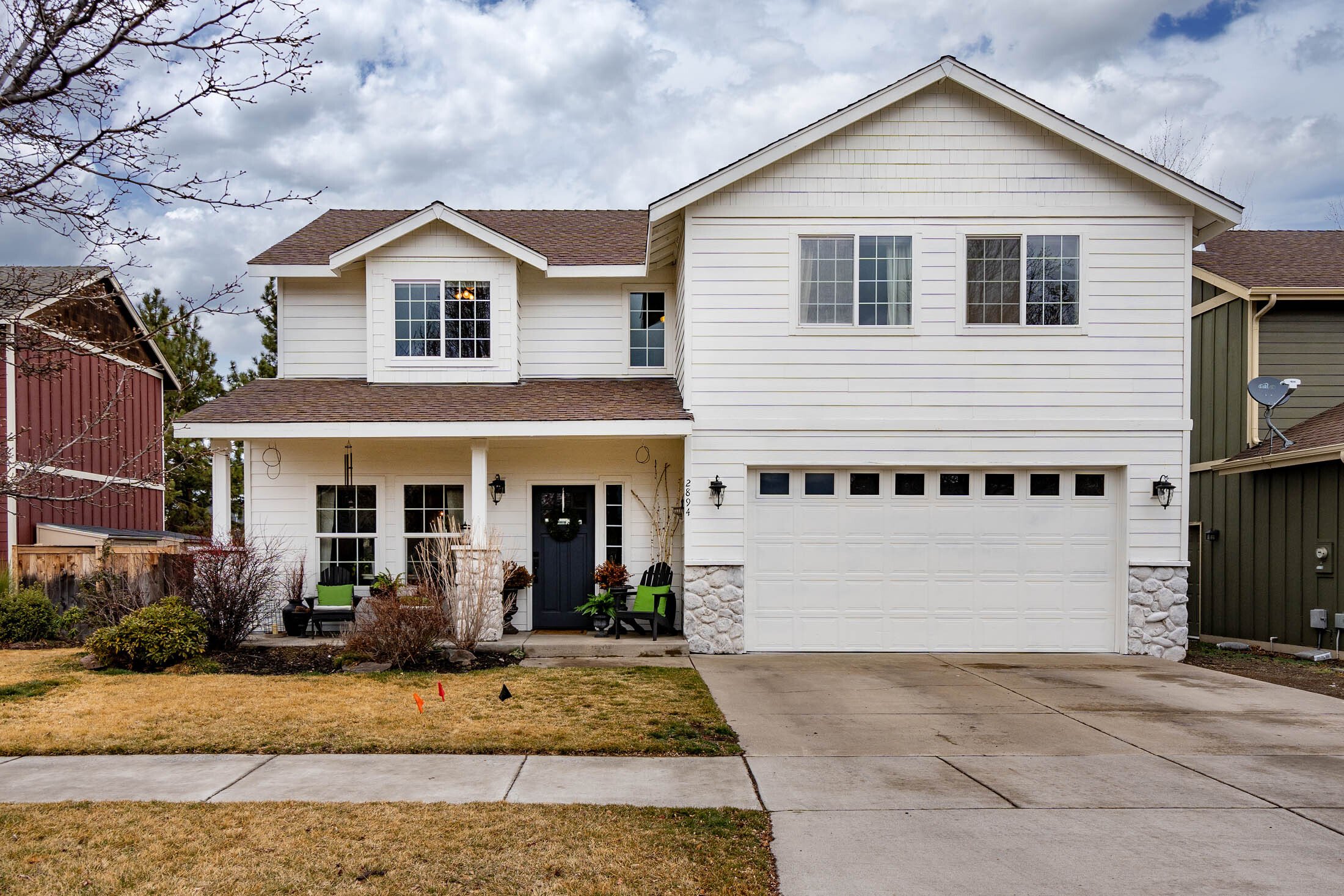
This fabulous, 2,238 SF home, fully fenced, with 3 bedrooms, 2.5 bathrooms and bonus room, with open floor plan, is located in a quiet neighborhood.

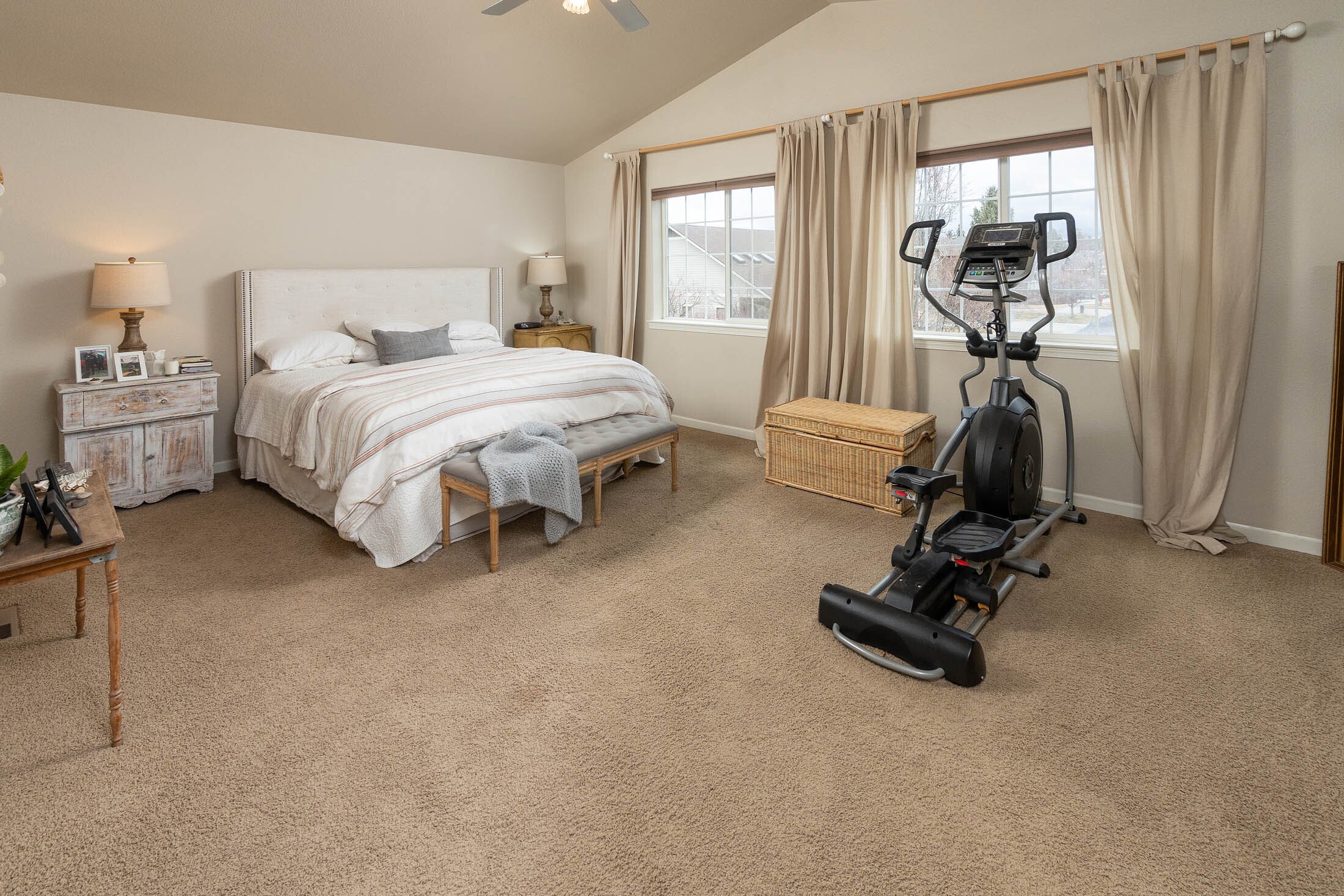
The home has new exterior paint, central air conditioning and gas fire place in living room. Kitchen has lots of counter space, Bosch dishwasher, double-oven and pantry. All bedrooms are large especially the primary suite with a walk-in closet and double vanity in primary bathroom. The spacious bonus room is great for movie or game night. In the backyard, the extensive paver patio is perfect for entertaining and is pre-wired for a hot tub. Lots of room for garden boxes, plenty of trees for privacy and peek-a-boo views of Cascade Mountain from backyard and upstairs! Home is close to Eagle Park and the popular Pine Nursery Park with sports complex, walking trails, pickleball courts, picnic shelter, playground, and a fenced off-leash dog area for social dogs.

Listed by Lisa McCarthy for West + Main Homes. Please contact Lisa for current pricing + availability.


Have questions?
West + Main Homes
westandmain.co
hello@westandmainoregon.com

Presented by:
Lisa McCarthy
(541) 419-8639
lisam@westandmainoregon.com


Search homes in Oregon