How To Find a Good Apartment in a Competitive Market


Finding somewhere to live isn’t always easy. While there may be a large selection of properties, not all of them will provide the rental experience you’re looking for.

Despite renting often being a short-term commitment, you’ll still need somewhere you’re happy to go home to. Fortunately, there are a few things you can do to find your dream rental property.

Below, we reveal how to find a good apartment and offer tips to increase your chances of getting your application approved.

What to look for in an apartment

There are a few things to consider when looking for an apartment, such as the following.

1. Consider your lifestyle

There are a range of factors regarding your lifestyle to consider in your apartment search.

For example, think about your space requirements if you’re moving with another person, have children, or want an at-home office. In most cases, needing more space comes with a higher price tag than if you were to move into a studio or one-bedroom apartment.

In fact, the median monthly price in the U.S. for a one-bedroom apartment is $1,637, according to current rental trends. The median rent jumps to $1,901 per month when you add an extra bedroom.

For that reason, determine how much space you need and the type of rental you need to complement your lifestyle.

2. Determine what you want in an apartment

Make a list of the nonnegotiables, as well as what you’re willing to sacrifice for the right property. This can be an in-unit laundry unit or access to a community center with a gym. Consider if these are facilities you’d regularly use or are nice to have but not required.

Once you have a list of your priorities, visit rental apps like Realtor.com®, where you can add various filters to find apartments that fit within your budget, have accurate information, include 3D tours, and much more. This makes searching for the features you want in your ideal home easier than ever—and you’ll walk into your first apartment viewing with the full picture.

Now, you might be asking: What about pets?

Whether you currently own or plan on owning a pet during the rental term is one of the main factors you should keep in mind during your apartment search.

According to the 2023-2024 APPA National Pet Owners Survey, 66% of U.S. households own some type of pet, which is why more apartments are now allowing them.

However, you’ll need an apartment that’s suitable for your pets’ needs and doesn’t require expensive fees. Here are some tips to help you navigate the rental process:

  • Look for an apartment that’s safe for your pet. For example, if you have a balcony, it should be secure, and you might also want to avoid living on a busy street.

  • The type of animal you have will determine the apartment’s suitability. For example, a border collie won’t be a good fit for a small apartment. A cat, on the other hand, is typically a great choice for this type of space.

  • Be prepared to pay extra in pet rent or other related pet fees to secure a property.

  • Train, neuter/spay your pet, and be respectful of your neighbors (e.g., keep your pet quiet while it’s inside).

  • Use the Realtor.com pet-friendly apartment filter to find rental listings that work for your pet.

3. Set your budget

Having a clear budget can help to relieve financial pressure in both the short and long terms. Add up your monthly income and expenses to determine your budget.

In addition to the monthly rent, there can be other initial expenses, such as an application fee, move-in fee, security deposit, and pet fees.
Plus, account for your regular bills you’ll have to pay in addition to rent, such as the cost of food, utilities, and transport.

Once you have an established budget, you can move forward with finding available rentals in your desired location.

4. Research the location

Location is a key factor that affects things like your commute, local amenities, neighborhood identities, and more. When you’re looking at potential locations to move to, think about what you want it to offer.

For example, Pew Research found that 32% of Americans want to live in a place with a strong sense of community, and 58% cite “living in an area that’s a good place to raise children” as a priority. You can look for these characteristics as well, depending on your specific needs.

To determine your needs, return to your priority list. What is the travel time you need to get to work? Are there nearby schools, hospitals, and grocery stores? If you like to eat out, coffee shops and restaurants might also be important to you. And proximity to family and friends, the ocean, or public transport may be on your mind.

Looking at properties online can give you a good understanding of the price range for apartments, and you can also learn what type of home you can get for your money.

If you want to live close to the city, you’ll get the convenience of nearby amenities. However, you’ll generally get less space at a higher rental price. Moving to a suburb, on the other hand, can give you extra space at a more affordable rate.

5. Begin your apartment search

The rental market is competitive in some areas. A low supply and high demand can make finding properties for rent a much harder task — which is why it’s smart to tap into your network.

Consult your friends and acquaintances to see if they know anyone with available rental properties. If you’re lucky, there might be someone looking for a lease takeover in a friend’s apartment complex. You can also chat with real estate agents, as they might know of an upcoming rental in your preferred ZIP code.

However, the quickest and easiest way to find available apartments near you is through rental apps. With Realtor.com, for instance, not only will you find up-to-date listings, but you can also filter them by price, location, and whether pets are allowed.

6. View the property in person

Photos and virtual 3D tours can give you an idea of the apartment’s condition and layout, but there’s nothing quite like viewing the property in person. That allows you to inspect it more closely and ask questions to help you decide if it’s right for you.

Additionally, you might notice things in person that you know will bother you if you move in. For example, the bedroom might be too small for your king-sized bed, or the kitchen countertops might be too low for you to use comfortably.

Check that there are no leaking faucets, and look inside cabinets to see if there are any hidden issues.

You should check for telltale signs of potential mold cover-up, such as a musty odor or bubbling, cracking, or chipping paint. Mold can be detrimental to your health and might signal an underlying issue, such as a broken pipe or roof leak.

Finally, if the building has been vandalized or there are bars on the windows, that might tell you the area is unsafe.

7. Get to know the neighbors

In an apartment setting, you’ll likely end up with neighbors beside, above, and below you. Knowing who lives next to you might make or break your decision.

If a neighbor has a dog that barks persistently, this might affect your ability to work from home. Loud music and all-night parties may also be red flags.

There may also be known issues with difficult neighbors, so it’s important that you know what to expect upfront.

Even with the best neighbors, you’ll still want privacy. How soundproof are the walls? Can you look into other apartments from your window? If so, keep in mind that they can also see into yours.

8. Prepare your questions for the landlord

Don’t be afraid to ask questions to get the information you need. The questions you ask will depend on your unique circumstances and lifestyle. Here are a few examples of questions you can ask the property manager:

  • Are pets allowed at this property?

  • Why did the previous tenants leave?

  • Who is the best person to contact with questions?

  • If there is an issue with the property, what is the protocol for getting it resolved?

  • When is the rent due, and how does it need to be paid?

  • Does the home have any added security?

  • Are utilities included in the cost of rent?

  • Is it possible to get a longer lease term?

  • Are there any extra fees I should know about?

  • Can I have other people live with me?

9. Choose the apartment that meets your criteria the most

Finding somewhere to live can be an overwhelming process, and it’s easy to get carried away by your emotions. You might end up choosing a home that you’ve fallen in love with—but for all the wrong reasons.

Always be honest with yourself because the novelty of a new apartment can quickly wear off. While it might seem like your dream apartment at first glance, you may be ignoring the items on your must-have list.

If the commute time to your workplace has doubled or the abode isn’t in your child’s school district, you may start to regret the decision. For that reason, choose the apartment that meets the majority of your criteria.

10. Read the fine print

So your housing hunt has come to an end, and you’re ready to take the next step. Before you sign on the dotted line, read the fine print of the rental agreement.

The lease agreement is important because it includes a description of the property, the address, the length of your lease, and the landlord’s rules and expectations.

The agreement will also have information about the rental payments. There’ll be details on how to pay, as well as your obligations and rights. These documents are usually straightforward, but there might be issues that stand out.

If you’re unsure about anything in the contract, have a friend or lawyer look over it for you.

Finding a good apartment starts here

Your next apartment can be your dream home when you know what you want. Create a list of essentials and another one of the items you can live without. Network with people around you, and research your desired location to see what’s available.

If you can, view properties in person and ask questions to learn more. And while you’re there, keep an eye out for any warning signs, such as neglect, mold, or vandalism.

Read more at Realtor.com

Related Links

If there is a home that you would like more information about, if you are considering selling a property, or if you have questions about the housing market in your neighborhood, please reach out. We’re here to help.

Search Homes in Colorado

Search Homes in North Carolina

Search Homes in Oklahoma

Search Homes in Oregon

Search homes in Minnesota

How HOA Fees Work in New-Construction Communities: What To Expect


When purchasing a new-construction home, most buyers prepare for the down payment, closing costs, and subsequent monthly mortgage payments.

But one additional expense that sometimes gets forgotten in initial calculations is homeowners association (HOA) fees.

These “neighborhood dues” are generally paid monthly, quarterly, or annually and go toward the upkeep and preservation of the community where a home is built.

The money might go toward ongoing expenses like landscaping and pool cleaning, but it could also be used for bigger ticket items like the maintenance and staffing of a community pickleball court. Basically, it’s everyone chipping in to make sure any common-area expenses are covered.

Here’s more of what homebuyers, homeowners, and home sellers need to know about HOAs in a new-construction community.

The benefits of an HOA

The overwhelming majority of people who live in a community with an HOA (89%) rate their overall experience as positive, according to the 2022 Homeowner Satisfaction Survey conducted by the Foundation for Community Association Research.

Beyond extra amenities, it’s important to remember that HOAs also ensure the aesthetics and safety of the community.

“Homes [in HOA neighborhoods] are going to be uniform, landscaping will be kept up, there are security gates or fencing, and you’re not going to have a neighbor who paints their home a bright neon orange with dead plants and grass and hundreds of lawn sculptures,” says Doug Jacobs, builder partner manager at Opendoor.

“An HOA enables you to maintain the value and continuity of the neighborhood while also protecting your investment in your home,” adds Jacobs.

HOAs also alleviate for homeowners the hard work of keeping their community looking and functioning at its best. Not only is that great for the time you’re living there, but it also helps protect the resale value should you decide to move.

How are HOAs in new-construction communities created?

New-construction HOAs are usually determined by the builder and an HOA management company during the development phase of the community, prior to selling lots.

“The management company will work with an attorney on drafting the bylaws (how the board of directors will govern) as well as the covenants, conditions, and restrictions (CC&Rs), which are essentially the rules and regulations for the homeowners,” says Tiffany Sears, a broker and agent of The Sears Group in Charlotte, NC.

At this developmental point in the new-construction process, any HOA fees for homebuyers are calculated based on operating costs and expenses for the community, taking into consideration planned amenities (like swimming pools and gyms) and expected maintenance of the common community areas (such as parking lots and security gates).

Since HOA dues will add to overall monthly expenses, buyers will need to know what those fees are at the time of signing the contract on a new-construction home.

“Most builders will provide the bylaws and CC&Rs so the buyer can review the rules and regulations to make sure they aren’t buying something that has conditions that they can’t or don’t want to adhere to,” says Sears.

How much are HOA fees?

Fees vary widely depending on where the community is and the scope of the amenities offered.

“Nationwide, the average monthly HOA fee is between $200 and $400, but they can also run into the thousands of dollars if you’re in a luxury gated community that’s in a sought-after location,” says Jacobs. “The more ‘amenitized’ the community is, the higher the HOA fees are going to be.”

The HOA management company is also paid for by the HOA fees, and most communities also charge a “capital contribution.” This fee is assessed at closing and is a part of the closing costs the buyer pays.

“I like to call it a ‘welcome to the neighborhood gift,’ essentially building the HOA’s savings account,” says Sears. “It is designed to be a fee to help build the operating fund for the HOA for any large projects that might need to be covered over the years.”

Are HOA fees ever negotiable?

Since HOA dues are calculated and paid differently (with billing usually coming directly from the HOA management company), this fee is typically not up for haggling.

“The real estate industry likes to say that everything is negotiable, but when it comes to HOA fees, it’s very unlikely that they can be negotiated down,” says Jacobs.

However, there is a possibility that HOA fees can be negotiated with a new-construction builder to have them be offset as an incentive.

“I have seen builders include the first year of dues as an incentive to purchase,” says Sears. It never hurts to ask.

Can I opt out of an HOA?

HOA and their fees are not “participation optional.” If you buy into a neighborhood that has one, you are required to pay your part.

“You typically cannot choose to pay for only some of the amenities, as your portion of the budget for HOA fees covers all of the amenities,” says Jacobs.

The one caveat here is that sometimes, there will be “levels” of participation.

“Many new-construction communities offer a variety of amenities, but not all of them may be included within the HOA fees. There may be some amenities that can be chosen for an added cost beyond the base HOA fee,” says Chris LaMont, an American Standard Homeowning 01 featured instructor and star of the HGTV show “Buy It or Build It.”

For example, with communities that have amenities like boat dock access, a country club, or a golf course, the HOA might be for only the public areas and buyers would have to elect to join those additional amenities.

“I have seen communities that have two different HOA dues where one is for the upkeep of the community and the second one is for access to the pool, playground, or clubhouse amenities,” says Sears.

How do HOA fees factor into financing a mortgage for a new-construction home?

Mortgage lending guidelines evaluate HOA fees when determining how much to lend to a borrower.

“HOA dues are considered a recurring debt and are calculated as a part of your debt-to-income ratio by mortgage lenders, and this may affect a prospective buyer’s loan approval amount,” says Sears.

If a potential homebuyer is at the top of their DTI ratio, high HOA fees could actually make a property financially unavailable.

During the loan approval process, a buyer should ask the lender if there are any concerns related to an HOA amount to be aware of.

“As a real estate agent, this is one question I always ask because we want to avoid any issues where a buyer falls in love with a home, but the HOA makes it out of reach for them,” says Sears.

Do HOA amounts ever go up?

HOA fees can change on an annual basis. For example, maintenance contracts for the common areas and insurance costs to protect the property are often renegotiated yearly. Also, there might be a shortfall in funds for a higher-than-expected maintenance item that could require an increase, such as stormwater pond maintenance or tree removals.

All HOA rules and guidelines are in the CC&Rs (financial and otherwise), and people looking to buy in should review them fully.

“CC&Rs are publicly recorded and are not separable from the deed, so they’re publicly available at every local government municipality,” says Jacobs.

What happens if I can’t pay my HOA dues?

Unpaid mandatory HOA dues can lead to a lien being placed on the home and eventual foreclosure, so you must make sure you are able to pay your dues before putting down a deposit in a new-construction community.

“Make sure you set an annual budget outside of your mortgage payments to cover HOA fees and know that these costs are subject to change year over year,” says LaMont. “These fees shouldn’t be taken lightly, as there can be harsh repercussions for unpaid dues, fines, and any accumulated interest.”

Read more at Realtor.com

Related Links

If there is a home that you would like more information about, if you are considering selling a property, or if you have questions about the housing market in your neighborhood, please reach out. We’re here to help.
Search Homes in Colorado

Search Homes in North Carolina

Search Homes in Oklahoma

Search Homes in Oregon

Search homes in Minnesota

Just Listed: This 4 bedroom, vaulted ceiling home is such a great find in Edmond!


This 4 bedroom, vaulted ceiling home is such a great find in Edmond!

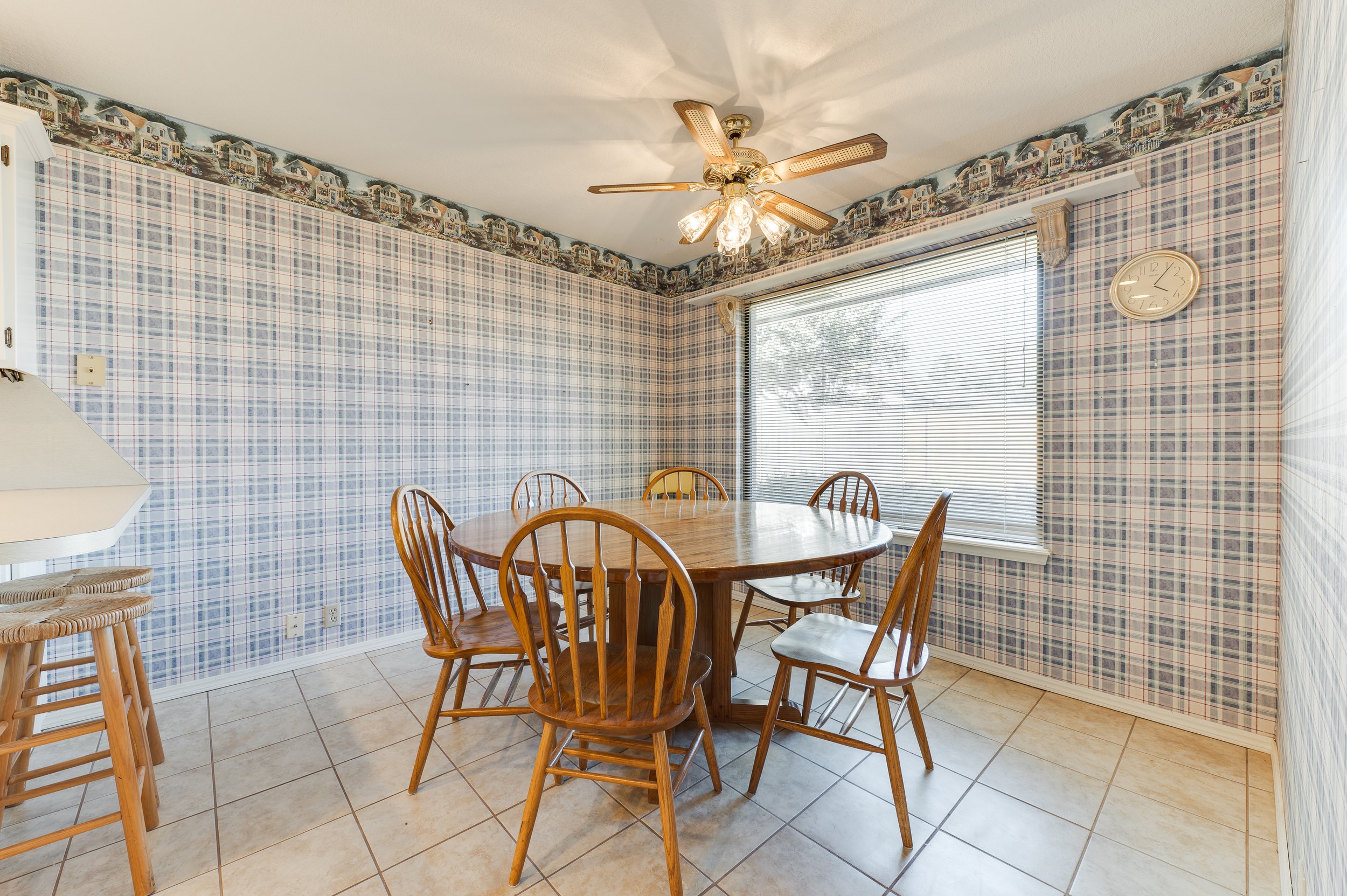
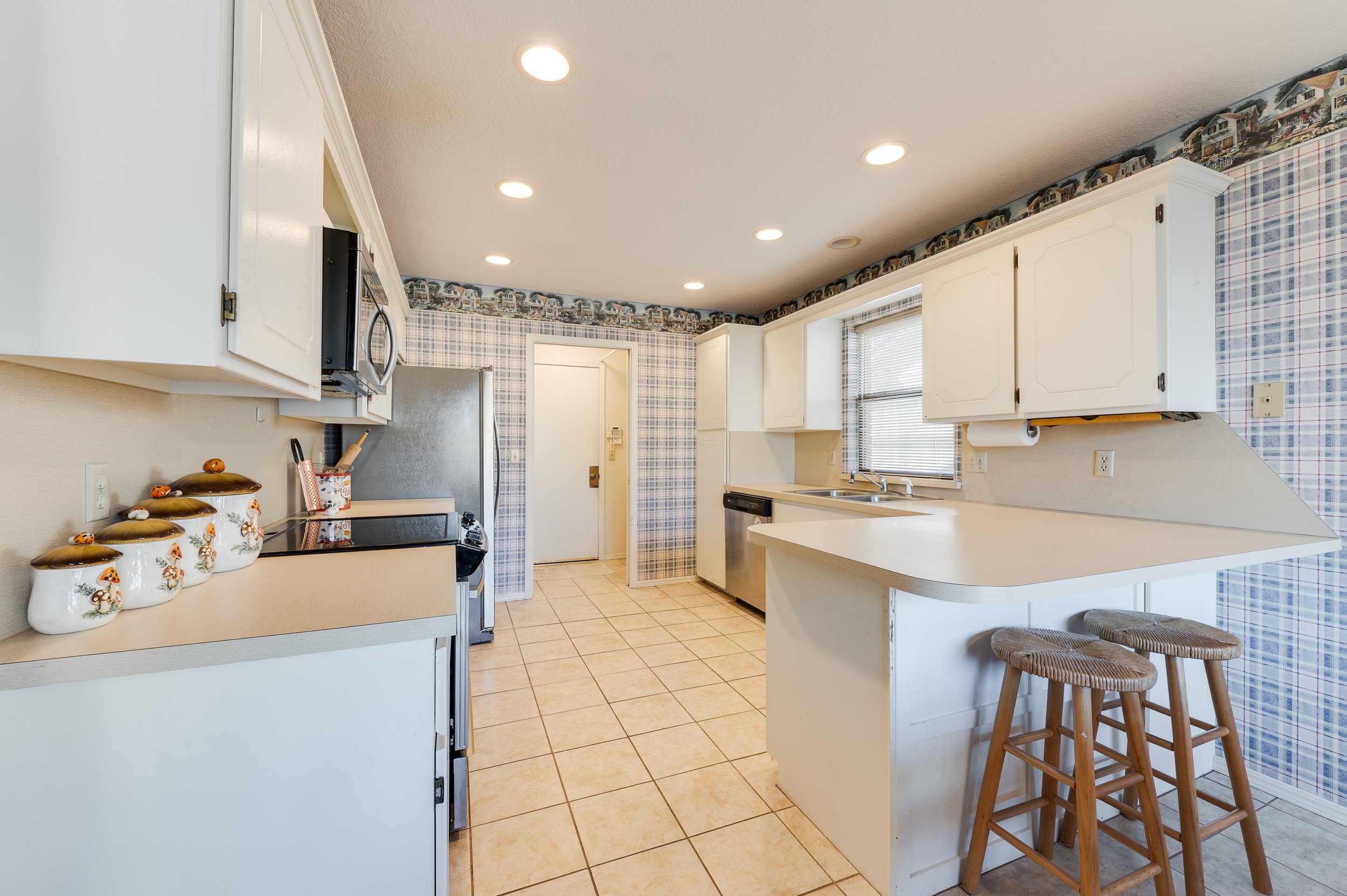
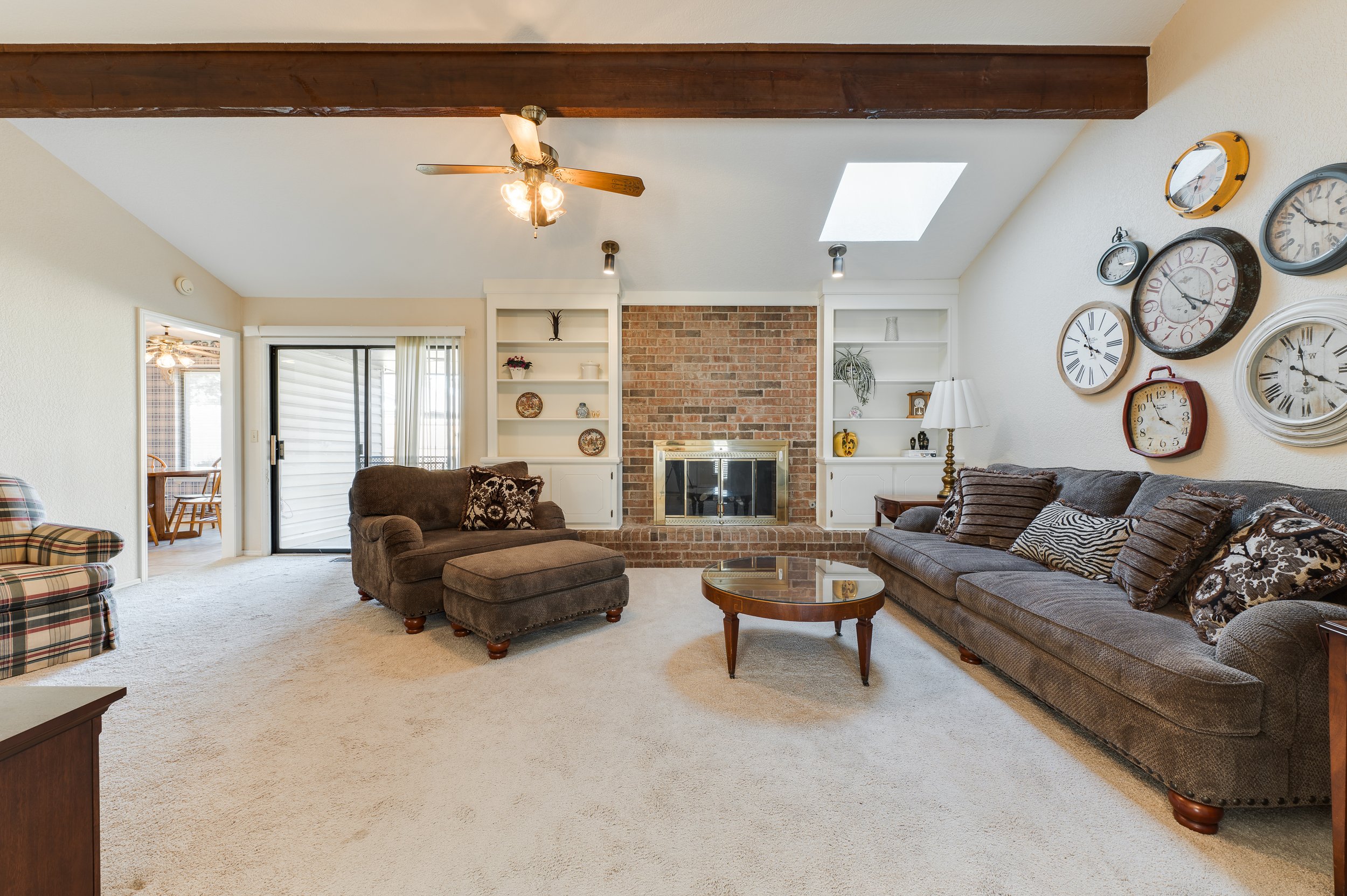
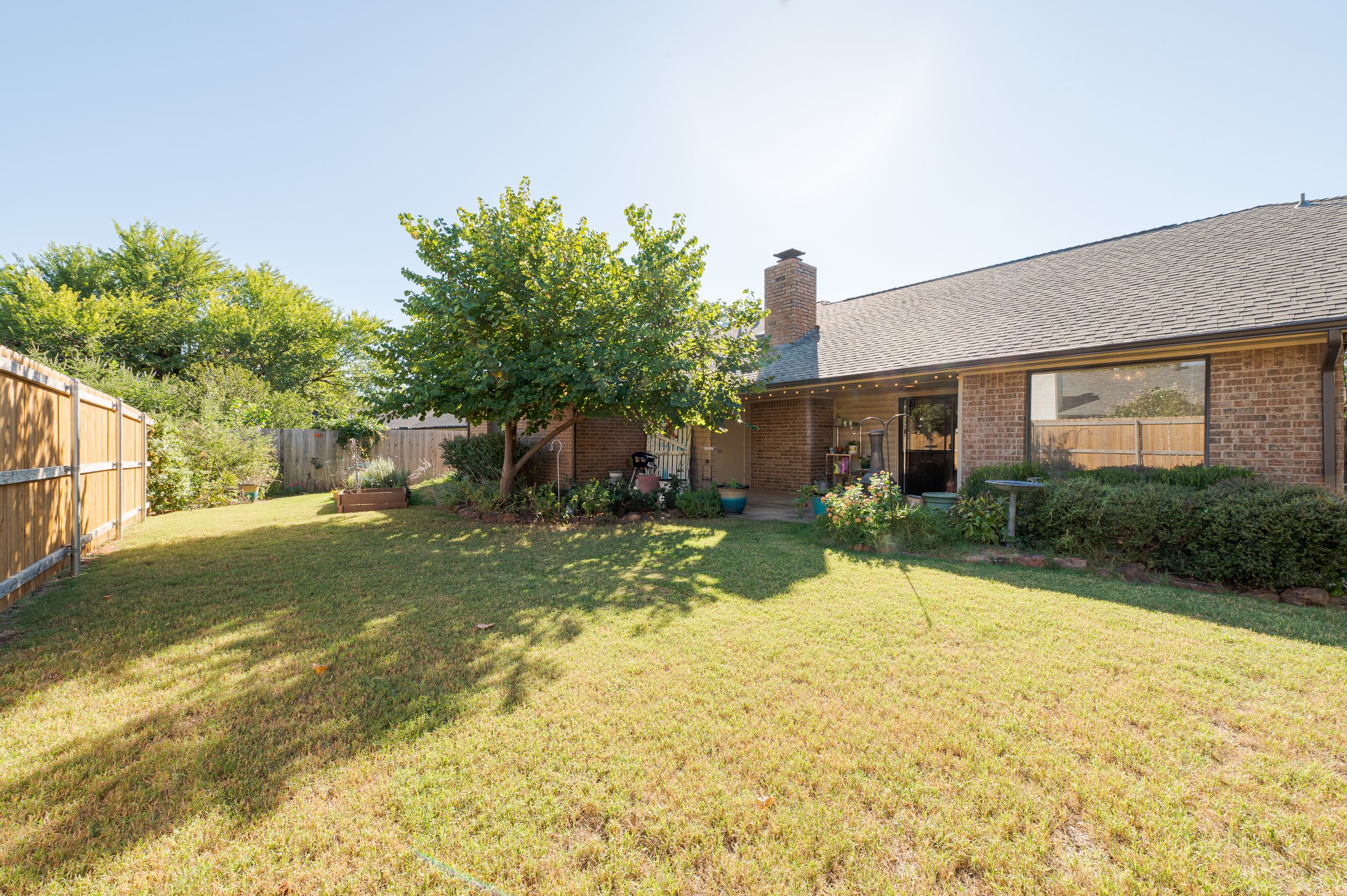
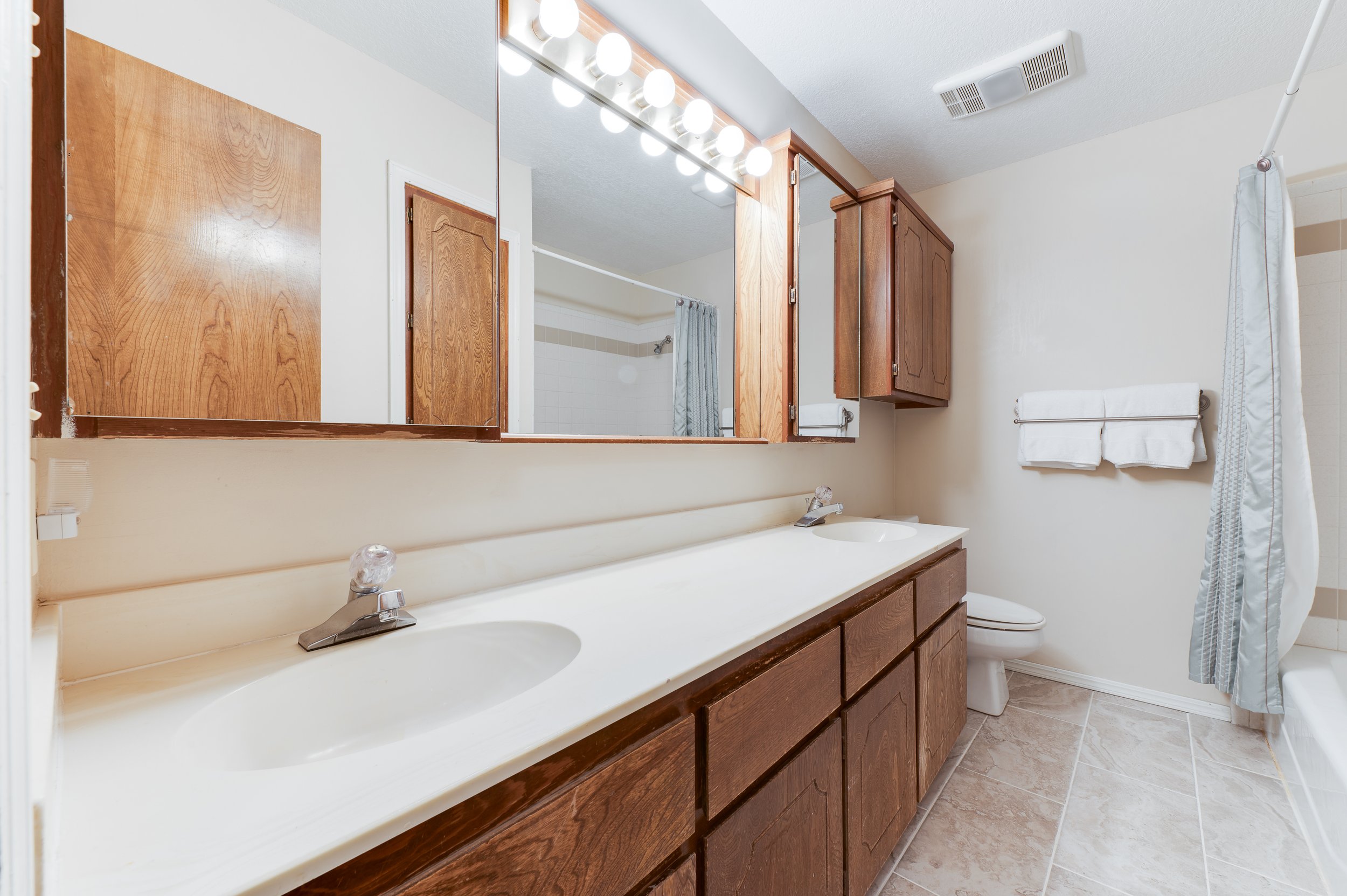
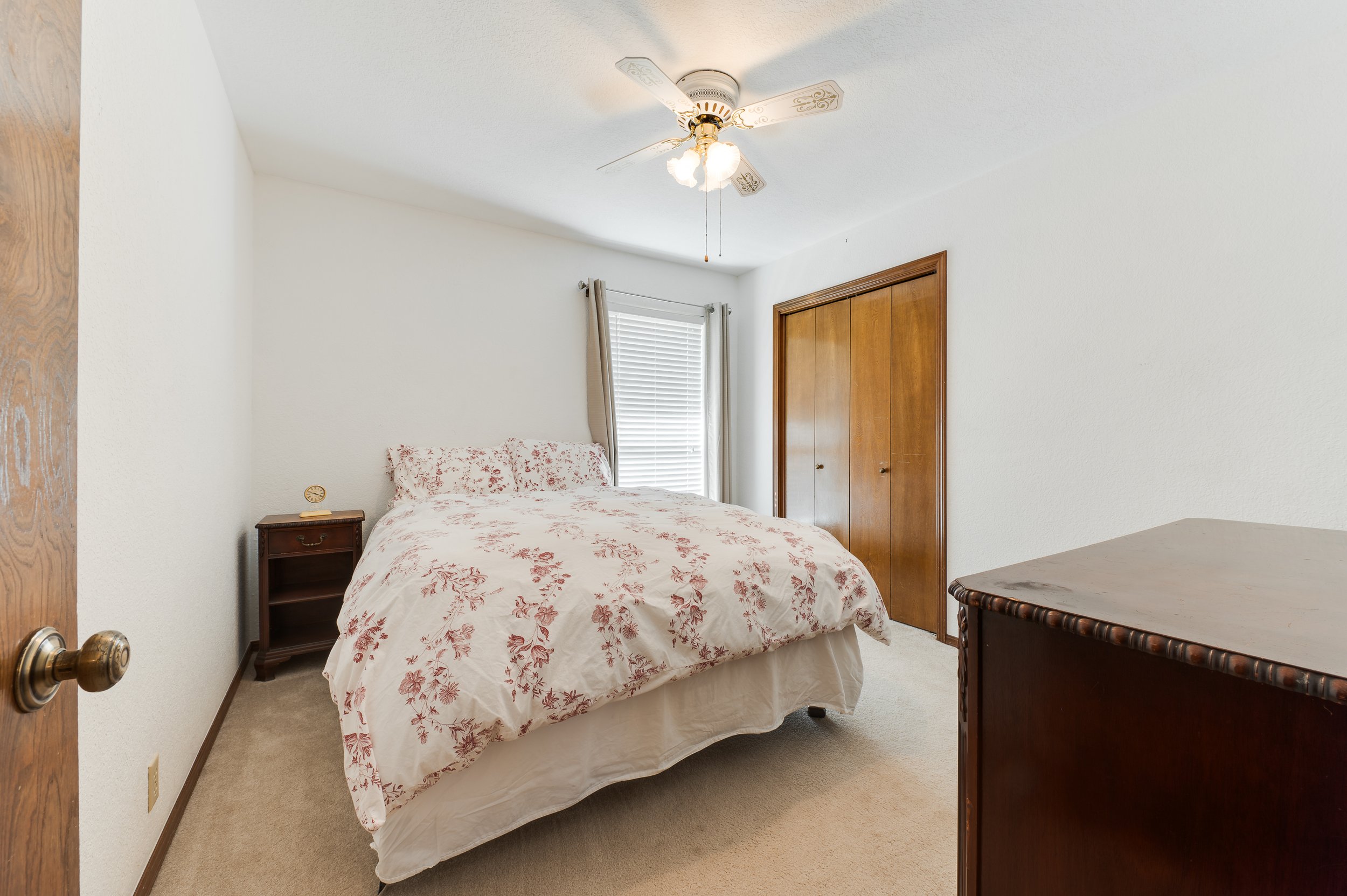
It has been lovingly cared for with only 2 owners. Walk into the large front entryway leading into a spacious living area with a vaulted ceiling, wood beam, sky light, wood burning fireplace, built in storage, and wet bar. The cozy kitchen has modern appliances, recessed lighting, ample storage, a peninsula for bar height seating, and large dining nook with picture window drawing in natural light. All three secondary bedrooms are wonderfully sized and the Primary Suite is oversized with a spacious closet, large bathroom with 2 sinks and great storage. The backyard and large covered patio are great for entertaining with privacy fence, established flowerbeds, and attached storage area. The roof, siding, and HVAC were replaced in 2021. Water heater replaced in 2019.

Listed by Debbie Willis for West + Main Homes. Please contact Debbie for current pricing + availability.


Have questions?
West + Main Homes
(405) 652-6635
hello@westandmain.com

Presented by:
Debbie Willis
405-922-6686
debbie@westandmainok.com


Search homes in Oklahoma
 

This Weekend: Oklahoma Open Houses for October 6th to 8th!


Our agents are hosting Open Houses this weekend all over the Oklahoma City Area.

You can find all of these listings on our website. Please reach out to the listing agent for information on times and more information on the listing!

If there is a home that you would like more information about, if you are considering selling a property, or if you have questions about the housing market in your neighborhood, please reach out. We’re here to help.
Search Homes in Oklahoma

Just Listed: Welcome to your dream modern oasis located in a sought-after Cheval Pointe!


Welcome to your dream modern oasis located in a sought-after Cheval Pointe!

This exquisite 4-bedroom, 2 and a half bathroom home redefines luxury living with its sleek design, thoughtful layout, and impressive amenities. Situated in a desirable neighborhood that backs onto a large wooded lot, this residence is a true masterpiece that caters to both comfort and entertainment.

Step inside and be captivated by the open floor plan that seamlessly blends the living, dining, and kitchen areas. Natural light floods the space, highlighting the clean lines and contemporary finishes that adorn every corner. The gourmet kitchen is a chef's delight, boasting top-of-the-line stainless steel appliances, granite countertops, and a spacious island that doubles as a breakfast bar.

Retreat to the primary en suite, a serene haven of relaxation. With a generous layout, it offers a private escape complete with a spa-like bathroom featuring dual sinks, a luxurious soaking tub, and a separate glass-enclosed shower. The walk-in closet provides ample storage space, keeping everything organized and accessible.

Looking for entertainment options? The game room is a versatile space that can easily transform into a home theater, fitness area, or a hub for friendly gatherings. Its flexibility ensures that everyone's interests are catered to.

The true gem of this property is the outdoor haven that awaits. Step outside to a resort-like paradise featuring a saltwater zero-entry heated pool and an inviting hot tub. Soak up the sun and relish the joys of outdoor living. Whether it's a quiet morning dip or an evening under the stars, this space promises relaxation like no other.

Located in a sought-after neighborhood, you'll enjoy convenient access to local parks, shopping centers, and dining establishments, all while being nestled in a peaceful enclave that offers a sense of community.

Schedule a showing today and indulge in a lifestyle that truly exemplifies refined living.

Listed by Thomas Lundy for West + Main Homes. Please contact Thomas for current pricing + availability.


Have questions?
West + Main Homes
(405) 652-6635
hello@westandmain.com

Presented by:
Thomas Lundy
512-831-8523
thomas@westandmainok.com


Search homes in Oklahoma