Property Taxes Explained by a former County Appraiser!


by Janell Arant

In the last several years, homeowners have seen the good, the bad, and the ugly of what comes with an absurdly imbalanced seller’s market, resulting from a high demand for housing with not enough inventory, which created unprecedented home equity gains.

Picture a typical spring storm – a little wind, a little rain turning to giant snowflakes that melt the next day, right? Maybe a few broken branches, but people are outside walking their dog and getting on with their day. Then, picture bomb cyclone...a culmination of extreme weather conditions all joining forces, never seen before in one storm.

Now picture your 2023/24 property taxes as that bomb cyclone (yes it’s a stretch but stay with me). In this scenario, the County Assessor’s office is the weather reporter, simply gathering the data and delivering the report to you, good or bad. The County appraisers gather sales data occurring during a select period of time, to value homes equitably so property taxes can be collected by the County Treasurer to pay for public services such as schools, roads, water, sewer, libraries, and public safety! All the things we need to run our cities well.

On May 1st the news of that bomb cyclone is hitting homeowner’s mailboxes in the form of a little postcard known as your NOV (Notice of Value) sent by the Assessor’s office.

For homeowners, it comes down to this: While unprecedented housing market conditions were great for earning equity, they are now going to be paying for it in their property taxes. BUT, it might be possible to reduce the amount owed, at least by a little, by doing some legwork + research! Protesting your property value is every tax payer’s right.

Please let me know if you have questions or would like help with the process. I’m here to be your local Real Estate Resource!

Related Links

If there is a home that you would like more information about, if you are considering selling a property, or if you have questions about the housing market in your neighborhood, please reach out. We’re here to help.

Search Homes in Colorado

Search Homes in Oklahoma

Search Homes in Oregon

Search homes in Minnesota

Real Estate Market Update


by Nick DiPasquale

The housing market continues to favor sellers, and that will likely remain the case for the foreseeable future.

For buyers, the market remains highly competitive. Low inventory and high demand are leading to bidding wars and higher home prices, as well as an increase in multiple offer situations and a sharp decline in days on market from February to March.

However, numbers across the board show the market is cooler than this time last year, when interest rates were much lower. Higher interest rates will always have a significant effect on the market, both impacting buying power and keeping homeowners, most of whom are paying much lower rates on their current mortgage, in their homes unless they have to move.

Expect activity to continue gaining momentum, even in the slower areas, over the next several months, as March through July is the seasonal busy period for the housing market. Interest rates will temper that, though, and keep us below the craziness we experienced in the past few years.

This post-pandemic housing market is starting to look more like it did prior to 2020, but will continue to present things we have not seen before. While some have predicted a market correction or downtick, the market has shown an historic resilience, even from the greatest fluctuations in the market.

Navigating through it all successfully will come down to knowledge, creativity and lots of patience. This starts with having a great team of trusted advisors around you — from your financial advisor to your lender to your Realtor.

Related Links

If there is a home that you would like more information about, if you are considering selling a property, or if you have questions about the housing market in your neighborhood, please reach out. We’re here to help.

Search Homes in Colorado

Search Homes in Oklahoma

Search Homes in Oregon

Search homes in Minnesota

How To Maintain Your Plumbing and Avoid Costly Repair Bills


A plumbing system is a complex network of pipes, fixtures, and valves that all work together to bring you clean water and dispose of your wastewater.

Although this system is designed to last, it can become damaged or worn over time due to age, wear and tear, or even just poor maintenance. Fortunately, there are some simple steps that homeowners can take to extend the life of their plumbing system and avoid costly repair bills down the line. 

Check for Leaks Regularly
Leaky pipes are one of the most common causes of water damage in homes and can be extremely expensive to repair. The best way to avoid leaks in your plumbing system is to check for them on a regular basis. Look under sinks, around toilets, and behind appliances for any signs of moisture or water damage. If you do find a leak, it's important to call a professional plumber as soon as possible to help you identify the source and make repairs.

Clean Out Drains Regularly
Clogged drains are another common problem in many homes. To prevent clogs from forming in your plumbing system, make sure you clean out your drains regularly using an enzyme-based drain cleaner or hot water mixed with baking soda or vinegar. This will help keep debris from building up in the pipes and causing major clogs down the line. It's also important to never put grease down your kitchen sink as this can solidify inside your pipes and cause major blockages over time.

Inspect Exposed Pipes Occasionally
Inspecting exposed pipes occasionally is one of the best ways to ensure that they remain in good condition over time. Look closely at any exposed pipes for signs of corrosion, rusting, or other damage, such as cracks or leaks. If you notice anything unusual, it's important to call a professional plumber right away before small issues become big ones! And don't forget about your water heater—check it regularly for rusting or any other signs that it needs replacing. 

Maintaining a healthy plumbing system doesn’t have to be difficult - but it does require some regular attention from homeowners! Taking proactive steps like checking for leaks regularly, cleaning out drains often, and inspecting exposed pipes occasionally will go a long way toward extending the life of your plumbing system - saving you time and money in the long run! So don’t forget: when it comes to plumbing maintenance, prevention is always better than cure!

Get more on RISMedia.

Related Links

If there is a home that you would like more information about, if you are considering selling a property, or if you have questions about the housing market in your neighborhood, please reach out. We’re here to help.

Search Homes in Colorado

Search Homes in Oklahoma

Search Homes in Oregon

Search homes in Minnesota

What’s the Difference Between a Home Inspection and an Appraisal?


If you’re planning to buy a home, an inspection is an important step in the process.

It assesses the condition of the home before you finalize the transaction. It’s also a different step in the process from an appraisal, which is a professional evaluation of the market value of the home you’d like to buy. In most cases, an appraisal is ordered by the lender to confirm or verify the value of the home prior to lending a buyer money for the purchase. Here’s the breakdown of each one and why they’re both important when buying a home.

Home Inspection

Here’s the key difference between an inspection and an appraisal. Bankrate says:

“In short, while an appraisal helps you understand a home’s value, inspections help you understand a home’s condition.”

The home inspection is a way to determine the current state, safety, and condition of the home before you finalize the sale. If anything is questionable in the inspection process – like the age of the roof, the state of the HVAC system, or just about anything else – you as a buyer have the option to discuss and negotiate any potential issues or repairs with the seller before the transaction is final. Your real estate agent is a key expert to help you through this part of the process.

Home Appraisal

The National Association of Realtors (NAR) explains:

A home purchase is typically the largest investment someone will make. Protect yourself by getting your investment appraised! An appraiser will observe the property, analyze the data, and report their findings to their client. For the typical home purchase transaction, the lender usually orders the appraisal to assist in the lender’s decision to provide funds for a mortgage.”

When you apply for a mortgage, an unbiased appraisal (which is required by the lender) is the best way to confirm the value of the home based on the sale price. Regardless of what you’re willing to pay for a house, if you’ll be using a mortgage to fund your purchase, the appraisal will help make sure the bank doesn’t loan you more than what the home is worth.

This is especially critical in today’s sellers’ market where low inventory is driving an increase in bidding wars, which can push home prices upward. When sellers are in a strong position like this, they tend to believe they can set whatever price they want for their house under the assumption that competing buyers will be willing to pay more.

However, the lender will only allow the buyer to borrow based on the value of the home. This is what helps keep home prices in check. If there’s ever any confusion or discrepancy between the appraisal and the sale price, your trusted real estate professional will help you navigate any additional negotiations in the buying process.

Bottom Line

The inspection and the appraisal are critical steps when buying a home, and you don’t need to manage them by yourself. Work with a real estate professional today so you have the expert guidance you need to navigate the entire homebuying process.

Keep reading.

Related Links

If there is a home that you would like more information about, if you are considering selling a property, or if you have questions about the housing market in your neighborhood, please reach out. We’re here to help.
Search Homes in Colorado

Search Homes in Oklahoma

Search Homes in Oregon

Search homes in Minnesota

The Three Factors Affecting Home Affordability Today


There’s been a lot of focus on higher mortgage rates and how they’re creating affordability challenges for today’s homebuyers.

It’s true that rates climbed dramatically since the record-low we saw during the pandemic. But home affordability is based on more than just mortgage rates – it’s determined by a combination of mortgage rates, home prices, and wages.

Considering how each one of these factors is changing gives you the full picture of home affordability today. Here’s the latest.

1. Mortgage Rates

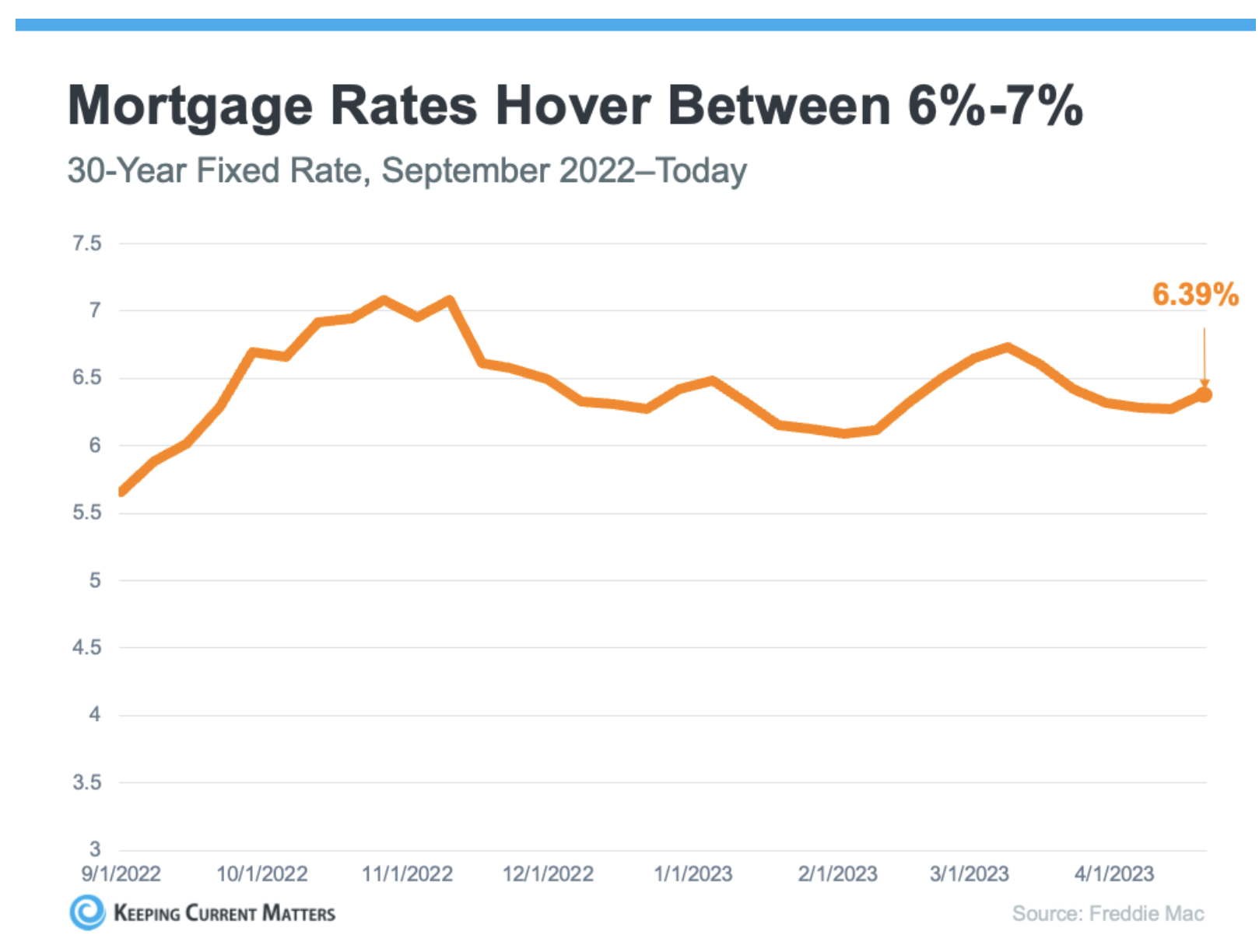
While mortgage rates are higher than they were a year ago, they’ve hovered primarily between 6% and 7% for nearly eight months now (see graph below):


As the graph shows, mortgage rates have experienced some volatility during that time. And even a small change in mortgage rates impacts your purchasing power. That’s why it’s so important to lean on your team of real estate professionals for expert advice to stay up to date on what’s happening in the market. While it’s hard to project where mortgage rates will go from here, many experts agree they’ll likely continue to remain around 6%-7% in the immediate future. 

2. Home Prices

Over the past few years, home prices appreciated rapidly as the record-low mortgage rates we saw during the pandemic led to a surge in buyer demand. The heightened buyer demand happened while the supply of homes for sale was at record lows, and that imbalance put upward pressure on home prices. However, today’s higher mortgage rates have slowed down price appreciation.

And, the truth is, home price appreciation varies by market. Some areas are seeing slight declines while others have prices that are climbing. As Selma Hepp, Chief Economist at CoreLogic, explains:

“The divergence in home price changes across the U.S. reflects a tale of two housing markets. Declines in the West are due to the tech industry slowdown and a severe lack of affordability after decades of undersupply. The consistent gains in the Southeast and South reflect strong job markets, in-migration patterns and relative affordability due to new home construction.”

To find out what’s happening with prices in your local market, reach out to a trusted real estate agent.

3. Wages

The most positive factor in affordability right now is rising income. The graph below uses data from the Bureau of Labor Statistics (BLS) to show how wages have grown over time: 


Higher wages improve affordability because they reduce the percentage of your income it takes to pay your mortgage since you don’t have to put as much of your paycheck toward your monthly housing cost.

Home affordability comes down to a combination of rates, prices, and wages. If you have questions or want to learn more, reach out to a real estate professional who can explain what’s happening locally and how these factors work together.

Bottom Line

If you’re planning to buy a home, knowing the key factors that impact affordability is important so you can make an informed decision. To stay up to date on the latest on each, connect with a trusted real estate professional today.

Get more on Keeping Current Matters.

Related Links

If there is a home that you would like more information about, if you are considering selling a property, or if you have questions about the housing market in your neighborhood, please reach out. We’re here to help.

Search Homes in Colorado

Search Homes in Oklahoma

Search Homes in Oregon

Search homes in Minnesota