Why Your Home Appraisal Might Come in Low


A home appraisal coming in low can sound like a death knell for a home purchase. But unfortunately, it does happen.

And a low appraisal can complicate an already bumpy homebuying process. Suddenly, you find yourself in a conundrum: Your bank will fund a loan only up to the appraised value.

So do you walk away from the sale or fork over more money to cover the difference? Or maybe after a long home search you might even consider crawling into the corner of the apartment you fear you’ll rent forever and cry your little eyes out.

We know you have home-buying agita—and we’re here to help. There are ways to deal with a low home appraisal—but only if you know why it happened.

Behold the 9 most common reasons for a low home appraisal, according to our expert sources.

1. The home appraisal expert didn’t do a neighborhood deep-dive

To appraise the value of a property, appraisers rely heavily on comps, which are prices paid for similar homes sold recently. But the appraiser could select comps of homes that sold for mysteriously low prices.

Appraisers don’t normally officially inspect the comps, says Peter Grabel, managing director of Luxury Mortgage in Stamford, CT. They wouldn’t know if there was a mold issue, asbestos, or a nasty divorce that led to a quick below-market sale of a comparable home, skewing the analysis.

2. The appraiser has to go outside the hood

Sometimes there isn’t enough data on sales of similar homes in the area, forcing the appraiser to use comps from a nearby—and possibly less desirable—community, Grabel says. Ideal comps should be similar in style, size, location, and view.

3. The home appraisal didn’t account for the view

Does your home have a knockout view—or, at least, one that’s better than the comp down the street that overlooks unsightly power lines? If so, make sure your appraiser knows it, too. If the difference in view is not obvious, your home could appraise for lower than expected.

4. A gorgeous basement doesn’t rate

The house has a large, beautiful finished basement with a bedroom and a bathroom. You’ve doubled your square footage. Score! Unfortunately, appraisers are required to use much lower value per square foot for space below ground in a home appraisal.

5. The extras that totally sold you aren’t selling the appraiser

Surprisingly, a pool, tennis court, and high-end landscaping are attractive features, but they frequently don’t lead to significantly higher valuation on home appraisals.

Here’s why: When an appraiser compares two otherwise identical homes, one with the amenities and one without, the difference in their selling price is typically not nearly as much as the cost of adding these features—especially when the amenities are of better quality than is standard for the area.

For example, if you spend $200,000 to install a pool, but other homes in neighborhood have $50,000 pools, the difference in quality is not likely to appraise well. So be prepared for a lower value than expected if the property has one or more of these types of features.

6. The condo is the best in the building

Upgrades and finishes might not always boost the value of your home. This is particularly true of co-ops and condos, where the square footage plays a major role in value.

“Let’s say you are buying Unit 15A, which has a brand-new, top-of-the-line kitchen, much nicer than is customary in this type of building,” Grabel explains. “Units 15B and 15C recently sold for less. They are exactly the same size and have new kitchens but were not done to the same quality. An appraiser can make adjustments, but it will be a challenge for your unit to get the valuation that you might think it is worth.”

7. The market is too hot to keep up with

Home prices in the area might be increasing so quickly that the comps that sold six months ago don’t yet reflect this improvement.

“In Brooklyn and in Harlem, for example, prices are soaring, properties are selling for a record price per foot,” Grabel says. “If six months ago the top price was $1,000 per foot but you are paying $1,100 per foot, there are no recorded comps at that price for an appraiser to use.”

Appraisals, by their nature, are backward-looking. You can ask the appraiser to make a “market adjustment,” but they don’t have to do it.

8. You intentionally overpaid

There are many reasons you might overpay for a home: You might just fall in love with the place and want to make sure you get it—at any cost.

“During prime selling season, bidding wars erupt left and right,” Grabel says. “And the downside to winning one is the reality of getting financed on that final price.”

Remember, the bank is going to lend only the appraised fair market value, and not the higher price you might think it’s worth. So you’ll be left paying the difference yourself.

It’s an emotional choice, and we’re not here to judge. But your appraiser will, and just beware: What the appraiser says (usually) goes.

9. The appraiser is inexperienced—or just bad

Sometimes, it really does come down to a job not well done. The appraiser could be unfamiliar with the nuances of the local market or might simply rush through the job.

Unfortunately, a homebuyer obtaining a mortgage has no control over the home appraisal selection process—your lender is the one who orders the appraisal, either directly from an appraiser or through an appraisal management company.

“We actually choose to pay for appraisals so that we can limit our pool to only the top appraisers,” Grabel says. “This is not a guarantee that the value will come in where we need it to, but it typically ensures a good quality report from an experienced appraiser.”

Worried about getting a dud? You can ask your lender how it selects appraisers or if there’s a particular company it uses—then do your homework.

Keep reading on Realtor.com

Related Links

If there is a home that you would like more information about, if you are considering selling a property, or if you have questions about the housing market in your neighborhood, please reach out. We’re here to help.

Search Homes in Colorado
Search Homes in Oklahoma
Search Homes in Oregon
Search homes in Minnesota
4 Little Things That Could Signal You’re Buying a Hurriedly Flipped House


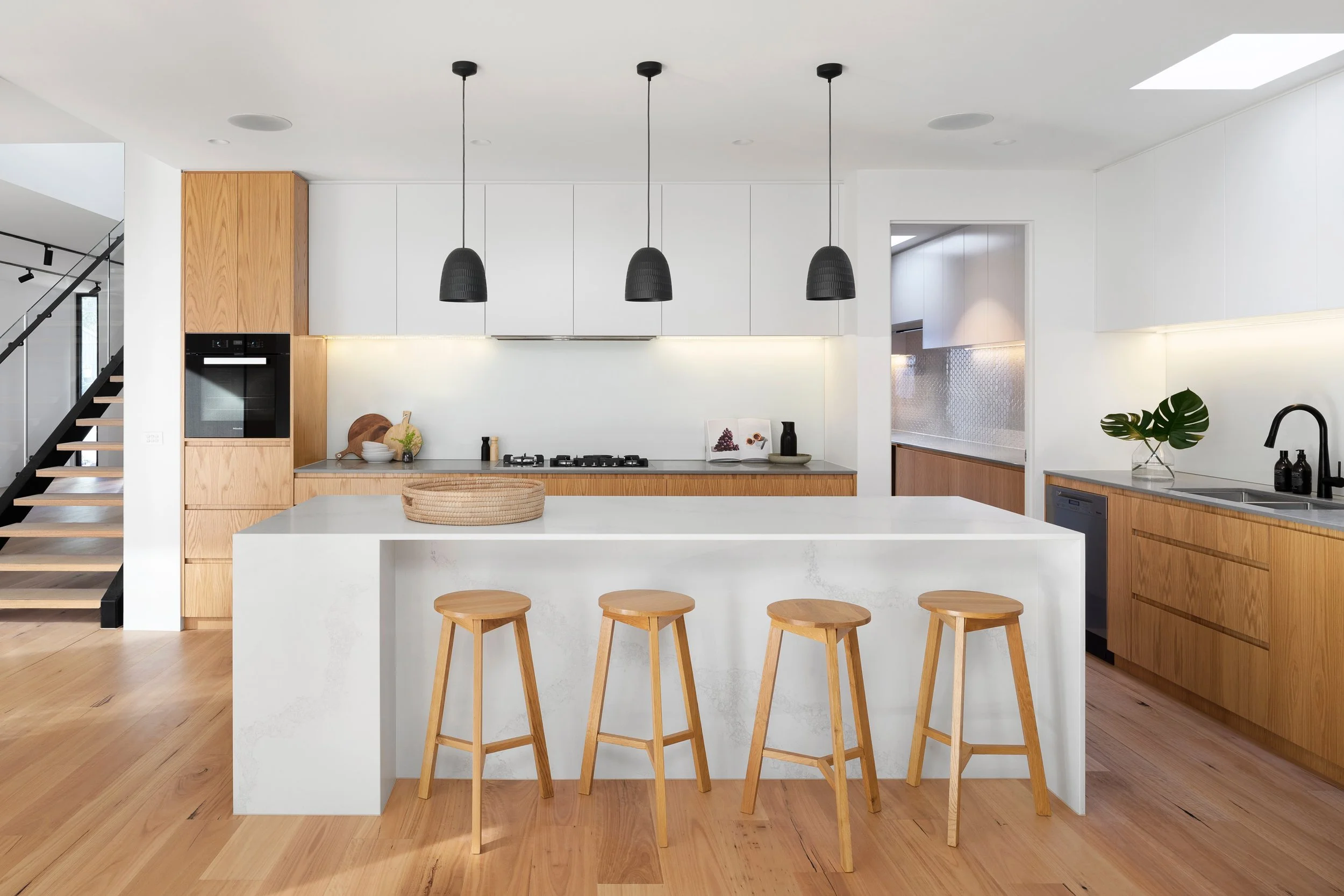
Buying a flipped house has a lot of appeal: They’re usually attractive, move-in ready homes with updated fixtures, appliances, and finishes.

However, the quality of renovations done during the flipping process is a big factor for a potential buyer to consider. While some home flippers do top-notch jobs and pay attention to every detail while updating a property, others do it in a rush to make a quick buck — sometimes with subpar work.

While an inspector should point out the major flaws in a home before you buy it, such as roof or foundation issues, there are smaller red flags you can look for while touring a property that indicate it may have been flipped in a hurry.

Darin Bruck, an Atlanta home inspector with 20 years of experience, recently posted about this topic on TikTok. In his video, he says some surefire signs of a too-quick flip include loose railings that have been poorly reinforced, painted-over water damage under sinks or on ceilings, painted-over dust in air vents, smoke detectors that weren’t replaced, or leftover renovation debris remaining in the home.

I also turned to Delaware flipper Robyn Kessler, who has been buying and selling homes since 2005, for some pointers on shoddy flips as well. Here are four things she says to watch out for.

Cracked tile

You might spot a cracked tile and figure that’s an easy fix. However, it could indicate a much bigger problem: the flipper might not have laid the subfloor correctly, Kessler says.

“This one particularly makes me angry because putting in the correct subfloor and adhering it well so it doesn’t bounce when you walk on it would not have cost more than a few extra dollars to do it right — so it can hold the tile floor and whatever is going on top of that,” she says.

She remembers one scenario where a heavy clawfoot tub was going to be placed in a tiled bathroom with a faulty subfloor. “That would have been a scene from “‘The Money Pit,’” she says, meaning that the tub would likely have crashed through the weak floor and fallen to the level below as it did in the 1986 Tom Hanks/Shelley Long movie.

Crooked cabinets

In the kitchen, don’t just look at the amount of cabinet space or the quality of the hardware. Check to see if the cabinets are properly aligned vertically and horizontally. If not, “that’s a sure sign they weren’t level and even all around,” she says.

Ceiling spots

Always look at the ceilings for signs of water damage, Kessler says. If there’s been a leak, you can usually tell by spots, patches, or discolored paint. Be sure to check around light fixtures, where water is likely to pool. If you see signs of water damage, ask the seller what happened, because it could indicate a problem with the roof that might not have been properly addressed — leading to costly expenses down the road.

“Go to the attic, and look up at the inside of the roof, if you can,” she says. “Roofs are expensive to replace, and if there’s a leak, you’ll see it there.”

Shoddy painting

If the flipper spent the time and money on a proper paint job, you shouldn’t notice things like uneven edges, errant drips of paint on fixtures or the floor, or electrical outlets and light switches that have been painted over instead of removed first. “These items are really cheap to buy and easy to change out, so I don’t know why some people do this,” Kessler says about the outlets and switches. She also advises looking closely at the baseboards and checking to see if they were cleaned before being painted.

Kessler’s advice to potential buyers of flipped homes? “It’s important to be informed,” she says, regarding quality workmanship, how to spot it, and how much it costs. “If you don’t like to get your hands dirty and fix things around the house, then homeownership may not be for you.”

Get more tips on Apartment Therapy.

Related Links

If there is a home that you would like more information about, if you are considering selling a property, or if you have questions about the housing market in your neighborhood, please reach out. We’re here to help.

Search Homes in Colorado
Search Homes in Oklahoma
Search Homes in Oregon
Search homes in Minnesota

People Want Less Expensive Homes – And Builders Are Responding


In today’s housing market, there are two main affordability challenges impacting buyers: mortgage rates that are higher than they’ve been the past couple of years, and rising home prices caused by low inventory.

To overcome those challenges, many people are working with their agents to find less expensive homes. And with newly built homes making up a historically large percentage of the total available inventory today, that search often includes brand new homes.

People Are Spending Less on Newly Built Homes

The graph below uses the latest information from the Census to show, in June, more of the newly built home sales in this country were in lower price ranges than in 2022:


Last year, only 58% of newly built home sales were less than $500,000. This June, that number was up to 65%. This means more people are buying less expensive newly built homes right now while affordability remains a challenge. 

Builders Are Offering Lower-Cost Options

Builders have picked up on this trend and are reacting accordingly. George Ratiu, Chief Economist at Keeping Current Matters, explains:

“Builders are also responding to this shift by bringing slightly smaller homes to market in an effort to meet lower price points . . .”

New data from the Census further confirms this pattern – it shows the median sales price of newly built homes has dipped down in recent months (see graph below):


And as Mikaela Arroyo, Director of the New Home Trends Institute at John Burns Real Estate Consulting, says, the builders who are most responsive to this trend are forming pathways to homeownership:

 “. . . it is creating opportunities for people to be able to afford an entry-level home in an area. . . . if you get that size down, that automatically will make it a more affordable home. The [builders] that are decreasing [size] the most are probably the ones that try to build more of an affordable product.”

 How an Agent Can Help

 Builders producing smaller, less expensive newly built homes give you more affordable options at a time when that’s really needed. If you’re hoping to buy a home soon, partner with a local real estate agent to find out what’s available in your area. An agent can help you look at newly built homes or ones under construction nearby. 

Bottom Line

If you’re having a hard time finding a home you like in your budget, connect with a real estate professional. You need an agent who knows all about the latest inventory in your area, including homes still under construction or just built. That way you have an expert on your side who can provide information on builder reputations, builder contracts and negotiations, and more to help you with the homebuying process.

Get more info on Keeping Current Matters.

Related Links

If there is a home that you would like more information about, if you are considering selling a property, or if you have questions about the housing market in your neighborhood, please reach out. We’re here to help.

Search Homes in Colorado
Search Homes in Oklahoma
Search Homes in Oregon
Search homes in Minnesota

Yes, You Can Compete With All-Cash Buyers—Here’s How


To some of us, all-cash buyers are the scourge of the superhot housing market: They swoop in, supervillain-like, and snatch up the most beloved and valuable properties from under our noses.

Or at least the ones you might have loved, had you not been stuck with that pesky mortgage contingency.

Competing with cash buyers isn’t impossible, just difficult.

Sure, some sellers will take the major moolah every single time and there’s nothing you can do about it. But if you go in with a strategy, you might just have a shot. Here’s how to create one.

1. Figure out the seller’s goals

Determining what’s most important to your seller can be key to getting your dream home—even when you’re competing against an all-cash buyer.

“People often think that all sellers want the most aggressive, quick close, for the highest price. That’s not always the case,” says Shashank Shekhar, founder and CEO of Arcus Lending in San Jose, CA. When he sold his home earlier this year, the most important factor was getting back two months’ free rent, because he was also trying to buy.

“Even if the price was slightly lower but came with that offer, we would have taken that over all-cash,” Shekhar says. “Understanding what the seller needs is always the most important thing.”

2. Consider your contingencies

If you’re willing to forgo a home inspection or secondary appraisal, you may have a leg up over buyers who won’t.

“If you’re going to compete with a cash buyer, the contingencies may be a concern for a seller,” says Joe Petrowsky, a mortgage broker in Manchester, CT. “If the prospective buyer is willing to eliminate the contingencies, that may be an incentive for a seller, especially if there are some issues with the property.”

This isn’t necessarily the best strategy. Without a home inspection, for instance, the property could have crippling issues that might have precluded you from purchasing, had you known. But if you’re dead-set on this exact house and you’re pitted head to head against a cash buyer, it might be an option to consider.

Of course, there’s one contingency you can’t remove: the mortgage. (Hey, if you could, you wouldn’t be reading this right now!)

3. Get pre-approved…

You can help soften your mortgage contingency by getting pre-approved—and offering a strong pre-qualification letter from your lender. If you’ve saved up a significant down payment and have excellent credit, this might be your winning strategy.

“The seller or their agent should understand there really isn’t a chance the loan will not go forward,” says Petrowsky. With great financials and a large down payment, your mortgage officer can go to bat for you with the sellers, promising nothing serious will happen in the delicate time between offer and closure to compromise their money.

“Make your offer as cashlike as possible,” Shekhar says. “The No. 1 reason transactions fall through is because the loan gets declined during escrow.”

4. … but make sure your mortgage broker is great

“I see pre-qualifications all the time that are not worth the paper they’re written on, because the broker doesn’t know—or hasn’t done—the due diligence on the prospective buyer,” Petrowsky says.

How can you make sure your broker is worth his salt? Both Petrowsky and Shekhar recommend researching online beforehand, keeping an eye out for any negative reviews indicating mortgages that fell through at the last minute.

You’re looking for someone who’s thorough: “We do a lot of due diligence to make damn sure that person is going to get a loan,” says Petrowsky.

After all, sellers often go with all-cash “because they don’t want to get in any hassles during the loan process,” says Shekhar. “Give them that comfort, that safety.”

Keep reading.

Related Links

If there is a home that you would like more information about, if you are considering selling a property, or if you have questions about the housing market in your neighborhood, please reach out. We’re here to help.

Search Homes in Colorado
Search Homes in Oklahoma
Search Homes in Oregon
Search homes in Minnesota

As Featured in West + Main Home Magazine: From Inspiration to Renovation


Katy McEntire W+M Agent

“Updating our bathroom had been a dream ever since we bought our house"!”


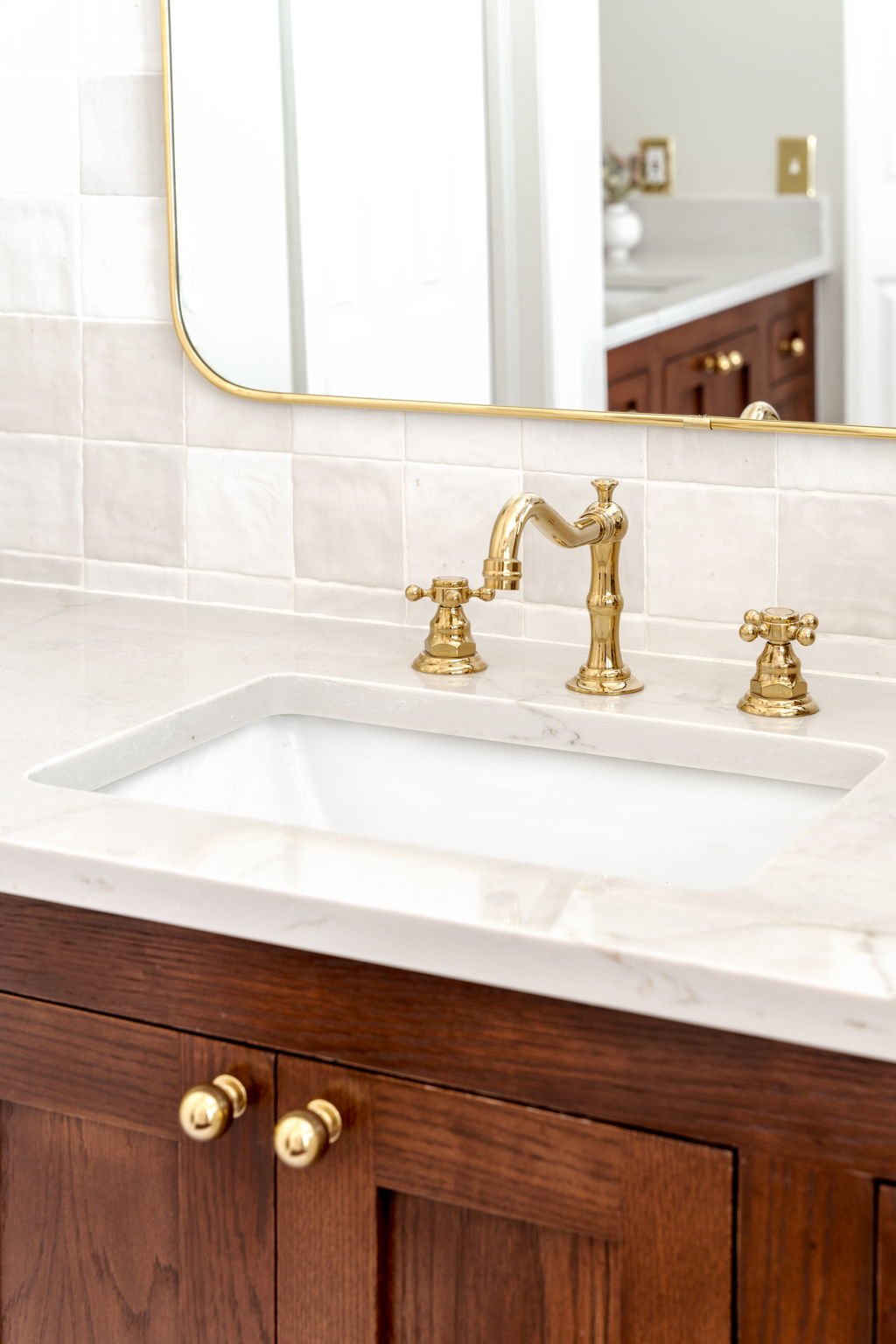
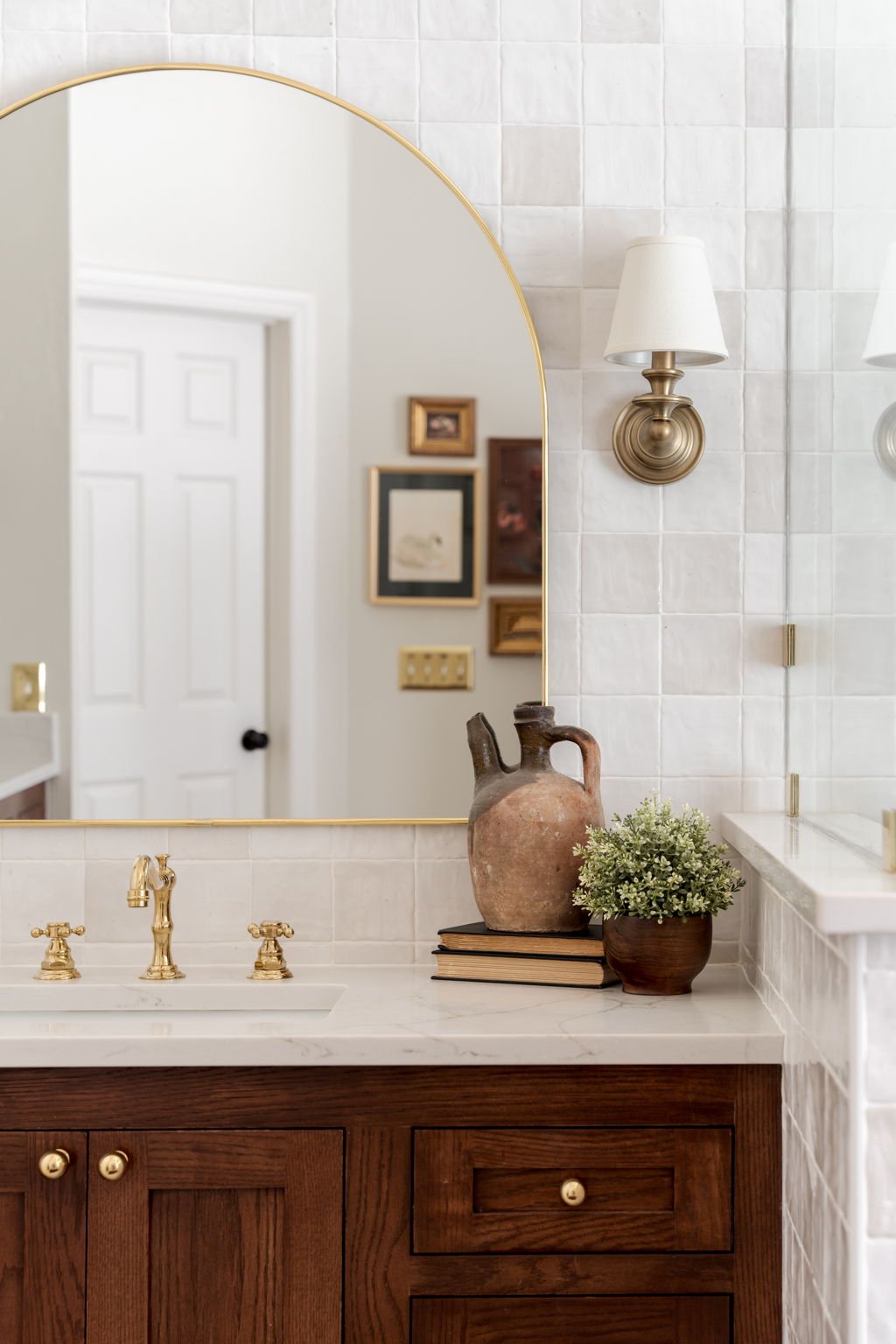
“We had prioritized other areas of our home first, and it had taken a while for us to finally embark on this project. We knew that it would require professional help, as it was beyond our DIY expertise. With careful planning, design inspiration from online platforms, and the assistance of skilled contractors, we were able to transform our bathroom into a space that exuded lightness, airiness, and timeless elegance!"


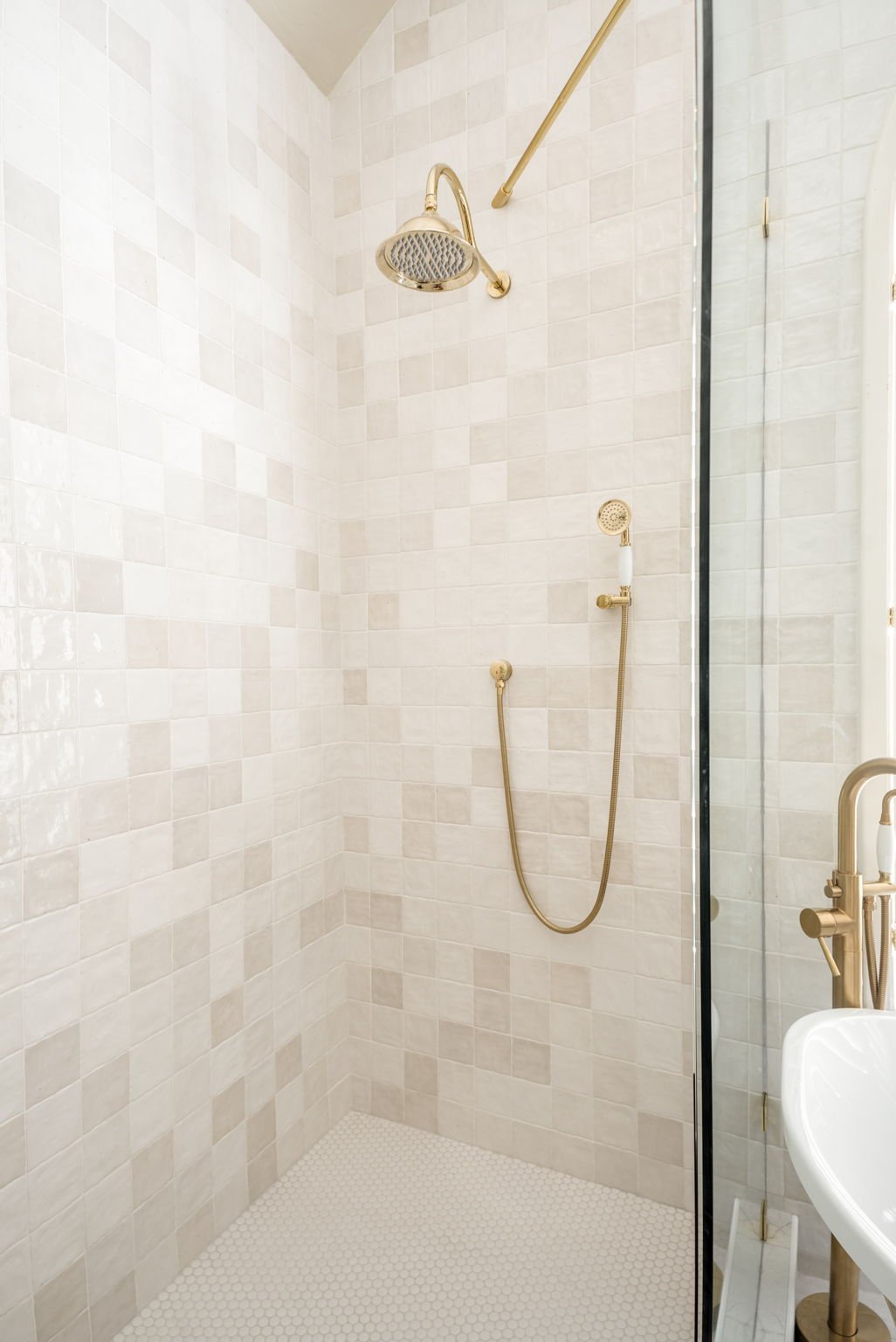
Katy's design process began with gathering inspiration from various sources. "We saved countless photos on Pinterest and Instagram, collecting ideas for color schemes, tile patterns, cabinetry, and lighting," she said. "Our vision was to create a bathroom that felt light and airy, while also being classic in design. One of the challenges we faced was the vaulted ceiling in the bathroom, which required careful consideration when determining where to start and stop the wall tile. Once we had figured out the tile and shower configuration, the rest of the design fell into place." With a clear design plan in mind, Katy hired professionals to bring the vision to life.”


"We opted to hire out all the work, including demo, tile installation, plumbing, electrical, and cabinetry," she explained.  "The labor costs added up, but we were willing to invest in skilled labor to ensure a high-quality result. Our budget included expenses such as new cabinetry, shower glass, countertops, plumbing fixtures, lighting, and more. We were meticulous in sourcing materials that aligned with our design vision, from the Riad White Ceramic wall tile to the Emser Sterlina White Porcelain floor tile and the Luce Lazula Quartz countertops."


Along the way, the team encountered unexpected challenges, such as a color variance issue with the mosaic penny tile in the shower. Despite checking the dye lot numbers before purchasing, they faced differences in dye colors once the tile was grouted. However, they were able to resolve the issue by submitting a claim with the supplier, Floor and Decor, and they covered the cost of labor and replacement tile. It was a valuable lesson to always double-check and communicate with suppliers to avoid surprises during the renovation process!


"In the end, our bathroom transformation was worth the investment of time, effort, and budget," said Katy. "It was a significant upgrade from what we had before, and the overall design and finishes created a space that felt fresh, inviting, and timeless. Looking back, we learned that thorough research, clear communication with contractors, and staying organized were essential for a successful renovation project. We are thrilled with the final result and proud to have turned our bathroom inspiration into a reality with the help of skilled professionals."


Related Links

If there is a home that you would like more information about, if you are considering selling a property, or if you have questions about the housing market in your neighborhood, please reach out. We’re here to help.

Search Homes in Colorado

Search Homes in Oklahoma

Search Homes in Oregon