The Ultimate Guide To Choosing a Roof That Suits Your Home


When it comes to selecting the right roof for your home, there are numerous factors to consider - from your home's design and architecture to the climate and budget.

The roof is an integral part of your home, and getting it right requires careful consideration. With so many options available, homeowners are often confused about which material will suit their home best. This guide will help you navigate through the process of selecting the perfect roof for your home that is both functional and adds aesthetic value.

Consider Your Home’s Architectural Style
The architectural style of your home plays a significant role in determining which roof material works best. For instance, traditional homes look great with slate, tile, and wood shake roofs. On the other hand, modern constructions benefit from metal or flat roofs. Choosing a roof that aligns with your home's style enhances its curb appeal and complements the overall design.

Climate Considerations
Choosing a roof that can withstand extreme weather conditions is crucial. For instance, if you live in an area prone to hail, selecting a roofing material that cracks easily is not ideal. Similarly, if you live in areas with heavy rainfall, selecting roofs with inadequate drainage systems can lead to water damage to your home. Experts in roofing can recommend different materials based on the kind of climate in your area.

Longevity and Durability
The roof you choose must be able to withstand environmental conditions and last a long time. Durable roofs like tile, slate, and metal can last up to 50 years, whereas asphalt shingles last roughly twenty years. Moreover, roofing materials like tile and metal are low maintenance and do not require frequent repairs, which saves you money in the long run.

Energy Efficiency
The energy efficiency of your roof is becoming an increasingly important consideration for homeowners. Roofs with insulation reduce the amount of heat that escapes the house, thereby cutting down on energy consumption. Materials like metal and asphalt reflect heat, which helps keep the home cool during the hot summer months. Investing in an energy-efficient roof can lower your bills and positively impact the environment.

Budget
Your budget is a crucial consideration when choosing a new roof. Some materials, like slate and tile, are expensive, while asphalt and metal are more affordable. While it's tempting to opt for the cheapest option, it is essential to balance the cost and long-term benefits of the roof. Some materials like metal and asphalt may have lower upfront costs but require frequent repairs over their lifespan.

Choosing the right roof for your home can be an overwhelming process, but with the right information, you can make an informed decision. Consider your home's style and architecture, climate, durability, energy efficiency, and budget when evaluating different roofing materials. Consulting experts in roofing can also help determine the best roofing material for your home. Investing in a new roof can significantly improve your home's curb appeal, energy efficiency, and overall value.

Keep reading on RISMedia.

Related Links

If there is a home that you would like more information about, if you are considering selling a property, or if you have questions about the housing market in your neighborhood, please reach out. We’re here to help.
Search Homes in Colorado

Search Homes in Oklahoma

Search Homes in Oregon

Search homes in Minnesota

Tips for Updating Your Outdated Kitchen on a Budget


The kitchen is perhaps the most used and visited space in any home. It’s the heart of the house, where we cook, eat and entertain guests.

However, with time and use, your kitchen can become outdated and worn out. Refurbishing the entire kitchen can be expensive, but there are plenty of affordable ways to update your kitchen without breaking the bank. In this blog post, we’ll offer some tips on how to transform your kitchen into a modern and functional space that makes cooking a pleasant experience.

Repaint Your Cabinets
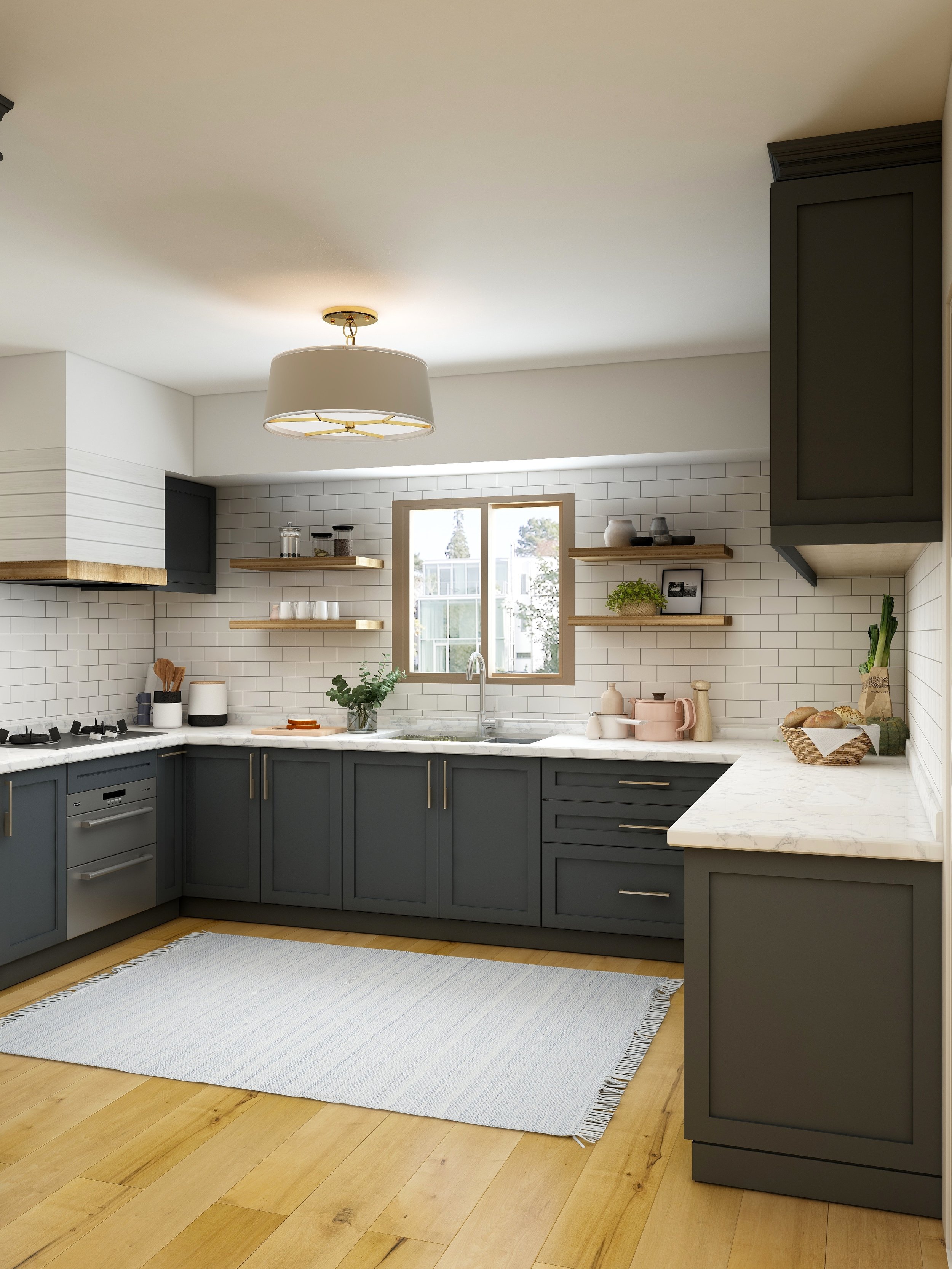
Painting your cabinets is an affordable way to give your kitchen an instant makeover. With the right color and tone, your kitchen cabinets can give your entire space an updated, fresh look. Choose colors that are trendy, yet timeless, like white, gray, or navy blue. You can also get creative with a two-tone look where you paint the upper and lower cabinets different colors. Adding new hardware to the cabinets can also provide an extra touch of elegance.

Upgrade Appliances
Your appliances may be working correctly, but they may look outdated, which can be an eyesore. Investing in new stainless-steel appliances can make a significant difference in your kitchen's look and feel. If buying new appliances is not feasible, updating the existing appliances with a fresh coat of paint or sticking a vinyl sheet on them is an option. This not only gives a facelift to the existing appliance but also saves you a lot of money.

Add a Backsplash
A backsplash is an excellent way to add a pop of color and style to your kitchen. You can choose from a wide range of colors, textures, and patterns to suit your taste. Adding a backsplash to your kitchen not only protects against spills and stains, but it also creates a focal point in the kitchen. You don’t have to install a backsplash throughout the entire kitchen. A focal point behind the cooking space or a small backsplash area behind the sink would add value to your kitchen.

New Countertops
Replacing countertops can be a big-ticket item, but there are inexpensive options available to refresh the countertops' look. Painting countertops with a high-quality primer and a granite-look paint kit can transform the look of the kitchen countertops. Another alternative is to install a countertop overlay made of granite or an engineered stone-like product, which can be placed over the existing countertops. This gives an immediate update to your kitchen without replacing the countertops altogether.

Update Lighting
A kitchen is not adequately lit only by overhead lights. Update the lighting fixtures around the kitchen for a refreshing look. Adding new pendant lights over the kitchen island or the breakfast nook adds depth and character to space. Under Cabinet lighting can also revive a kitchen’s look; this adds brightness to the countertop area and creates a cozy ambiance.

Transforming a kitchen does not have to cost a fortune. Simple updates can make a world of difference if done correctly. Repainting cabinets, adding a backsplash, swapping out hardware, upgrading appliances, updating the lighting, or painting or overlaying countertops can create a whole new space without the hassle and expense of a full renovation. The key is to identify which moves are best for your space, style, and budget, and getting started on creating the kitchen of your dreams. If needed, work with a company like Nielsen's Remodeling & Construction to help you stick to a budget while meeting your renovation needs. Follow these tips and enjoy cooking in a modern, upgraded kitchen without breaking the bank.

Read on.

Related Links

If there is a home that you would like more information about, if you are considering selling a property, or if you have questions about the housing market in your neighborhood, please reach out. We’re here to help.

Search Homes in Colorado

Search Homes in Oklahoma

Search Homes in Oregon

Search homes in Minnesota

How Remote Work Expands Your Homebuying Horizons


Even as some companies transition back into the office, remote work remains a popular choice for many professionals.

So, if you currently enjoy working from home or hope to be able to soon, you’re not alone. According to a recent survey, most working professionals want to work either fully remote or hybrid (see below):


This trend is good news if you’re looking to buy a home because a remote or hybrid work setup can help you overcome some of today’s affordability and housing inventory challenges.

More Work Flexibility Equals More Home Options

Remote or hybrid work opens up a world of opportunities. That’s because it allows you to broaden your search for your next home since you’re no longer limited to living close to your workplace. With the freedom to work from anywhere, you can explore more affordable areas that may be located farther away from bustling city centers or your office. This flexibility can be a game changer while higher mortgage rates are making it difficult for some homebuyers to afford a home.

An article from the New York Times (NYT) highlights how remote work can greatly assist you in overcoming that challenge:

“. . . take advantage of the opportunity remote work has presented to move to more affordable communities (either farther out in the suburbs, or in another part of the country).”

And, since the supply of homes for sale is still so low, another key challenge for you today may be finding something with all of the features you want and need. Because remote work allows you to broaden your search radius to include additional areas, you may actually have less trouble finding a home with the features you want the most because you’ll have a bigger pool of options to pick from.

Working remotely gives you the flexibility to find an affordable home with the features you want. In other words, you have a better chance of getting what you need without blowing your budget. 

Bottom Line

Working remotely not only gives you more flexibility in your job but also presents a great chance to broaden your search for a home. Since you're not limited to a specific location, you have the opportunity to explore more options. Connect with a local real estate agent to discuss how this can expand your choices and help you find the perfect home.

Keep reading on Keeping Current Matters.

Related Links

If there is a home that you would like more information about, if you are considering selling a property, or if you have questions about the housing market in your neighborhood, please reach out. We’re here to help.

Search Homes in Colorado

Search Homes in Oklahoma

Search Homes in Oregon

Search homes in Minnesota

Banish the Bland: 6 Ways To Add Character to a New-Build Home


With housing supply at historic lows, homebuyers are increasingly turning to new construction. But this option is not without its pros and cons.

A big pro is that new homes are often more affordable than existing homes. And on the con list, many buyers say they would prefer an older home with character. Complaints about new homes include bland builder-grade materials, limited color choices, and unremarkable finishes.

But fear not if you’re eyeing a new build.

“You have a blank canvas to create a design masterpiece, and you aren’t restricted by aged materials or poor choices from the past,” says Blake Sutton, president of Est Est Interior Design, a firm based in Scottsdale, AZ.

If your new-construction home is more cookie cutter than custom, consider these six ways to add the charm, warmth, and character it needs.

1. Go for wood tones

A newly built home doesn’t have to be a characterless box.

One easy way to add depth and warmth is with wood tones in the cabinetry and flooring. You may also consider adding wood beams or a wood-panel treatment to a ceiling or a wood mantel if you have a fireplace.

Just be sure the wood tones are right for the style of your home.

“The wood tones that are appropriate are drastically different and are dependent on the style of the home,” says Sutton.

For instance, darker wood tones are best for a Spanish-style home, while a modern beach house should have much whiter wood tones.

2. Add bold lighting fixtures

Large developments will tend to use the same light fixtures across all the new homes. That’s because ordering in bulk cuts costs and can help avoid possible supply chain issues early.

But if you purchase a newly built home and want to make it feel special, lighting is an inexpensive upgrade on the scale of after-purchase home improvements. And it can have a big impact.

“A great light fixture can bring a wow to a foyer or dining room,” says New York interior designer Vicente Wolf, whose specialty is luxe, modern interiors. “It can be the focal point that can make or break a room.”

3. Install interesting molding and trim

So what do older homes have that new homes don’t? Wood trim and molding.

If you’re handy, you can always add it yourself, or hire out the millwork if you’re not. Just be sure the trim you add is appropriate for the style of your home.

“It’s unlikely you will have crown molding in a new contemporary build, but you would in a traditional build,” says Sutton.

Molding should have a spare, streamlined profile in a modern home. Think thick, straight-edge baseboards devoid of frills painted in a nontraditional color.

“In a more modern space, color can go from silver leaf to a different tone,” explains Wolf. “Paint or stain adds richness to the space.”

If trim isn’t right for the look and feel of your home, but you want to add some dimension to a room, consider creating a paneled statement wall behind a bed, in a home office, or in a dining area. Pick a color that either sharply contrasts or completely blends into the room.

4. Go for eye-catching doors

Installing a custom door is a great way to add curb appeal to an otherwise plain Jane house. This home (above) is newly built, but the wood entry door and posts create a charming experience before you even step inside.

Changing interior doors can also have a big impact.

Raising all door heights, for example, will make rooms appear larger and ceilings taller because they draw the gaze upward. You can also play tricks with doors that seem almost hidden in their surroundings.

“I love flush doors that disappear, with no molding around them,” says Wolf. “It gives an architectural feel to the space.”

5. Upgrade with detailed hardware

One thing older homes have that resonates with homebuyers is antique hardware.

Luckily for new-home buyers, upgrading builder-grade door knobs can have a big visual and tactile impact.

“A beautiful doorknob connects with your hand, and you feel the weight and solid quality,” says Wolf. “Beautiful hardware adds a luxurious, custom quality to a room.”

And luxury doesn’t necessarily mean ornate. A growing trend is quiet luxury, which emphasizes quality touches.

6. Pick up antique pieces

If you are considering a home in a new development and imagining ways to make it look and feel unique, avoid purchasing matching furniture sets.

A few well-placed antiques add gravitas to modern decor, and it’s especially needed in a home in a new development.

“Bringing a sense of the past gives character, depth, and a less thematic look to a modern space,” says Wolf.

Get more like this on Realtor.com

Related Links

If there is a home that you would like more information about, if you are considering selling a property, or if you have questions about the housing market in your neighborhood, please reach out. We’re here to help.

Search Homes in Colorado

Search Homes in Oklahoma

Search Homes in Oregon

Search homes in Minnesota

8 Colors Interior Designers Say Their Clients Can’t Get Enough Of


Interior designers probably have the best insider knowledge on what the hottest, most popular colors are inside homes.

Given that, there’s pretty much no one better to consult if you want to know the colors that people are asking to incorporate into their design schemes most consistently. As it turns out, a wide variety of hues are having a major moment, according to the pros.

Below, nine designers from across the country share the colors — or families of hues — they say their clients always request to use, as well as what makes these shades so special. 

Mustards and Ochres

Designer Susie Novak of Susie Novak Interiors in Oakland, California, says her clients just can’t get enough of mellow yellows with brown undertones. Most recently, she’s used these earthy shades in kids’ rooms and a primary bedroom. “I love the warm and natural feel of the color,” Novak says. “It cascades as a neutral, but pops like the vibrant color that it is.” 

Pinks

From millennial pink to Barbiecore neon, this shade’s definitely having a moment, according to designer Bailey Ward of Bailey Ward Interiors. “It’s inherently warm and a fresh alternative to a white or beige room,” the Atlanta-based designer says. And it isn’t just for nurseries or kid spaces either, she adds.

In fact, she’s seeing pinks popping up in living rooms, bedrooms, and even on porches. “Go for a muted pink to keep it from feeling too feminine,” Ward suggests. “A shade like Sherwin-Williams’ Nearly Peach (6336) gives a warm, sophisticated, and playful feel to the space.” 

Neutrals

According to designer Chrissy Jones of Twenty-Eighth Design Studio in Riverside, California, neutral hues, such as creams and browns, are here to stay. “Neutral tones are, of course, everyone’s go-to if they’re playing it safe and are the type of person to switch out accents for each season,” she says. She attributes the recent resurgence in neutrals to the trending vintage and old-world styles. “People are looking for experiences, and in most spas and high-end hotels, you’ll find warm and inviting neutral tones with rich textures,” says Jones. “My clients want to experience this daily — not just on vacation.” 

Crisp and Warm Whites

White walls, sofas, and other furnishings will never go out of style. Designer Kelly Walsh of Novel Abode Interiors in Rye, New York, often receives requests for a white that is timeless and calming. “I always, without question, go to Benjamin Moore’s White Dove (OC-17),” the designer says, adding that Benjamin Moore’s Chantilly Lace (OC-65) makes for an excellent bright white trim to finish off the look. 

All Types of Greens 

Designer Aleem Kassam of Kalu Interiors in Vancouver, British Columbia, says he’s seen an increased desire among clients to use “color tones reflected in nature.” Green, in particular, has been a major winner. “In terms of accessories, artwork, or even greenery itself, hues of emerald, moss, pine, olive, and sage have found their way into many of our interiors,” he shares. “Taking it a step further, we’ve also been incorporating these hues in wallpaper features, special stone installs, or even accent tiles.” Kassam doesn’t anticipate that this trend will die down anytime soon, either. “Colors, tones, and hues found in nature will never go out of style if used in the right way,” he says. 

Beiges

Brace yourself: Beige is back in a big way, but this time around it’s richer in tone. Designer Kevin Billings of Dexter & Plaid in Leesburg, Virginia, says he has noticed his clients veering more towards “putty” paint colors. “I think this is because those tones allow for the use of color but in a less saturated way that still adds depth,” he says. He recently painted nursery paneling in Benjamin Moore’s Revere Pewter (HC-172) to achieve this effect. “The paneling became a focal point without being too noisy amongst the other elements within, and it also added an overall warmth to the nursery,” he reflects. 

Blues

Designer Antoinette Allande Anderson of Hoboken, New Jersey’s Antoinette Allande Interiors says the color blue is always popular with clients, no matter what. “Blue is everyone’s favorite color,” Anderson says. “There’s a calming effect that this color has on us all.” Blue can be especially versatile, too, from a design standpoint, especially if you pick a grayish blue or shade of navy. “I typically like to incorporate it into upholstery or/and artwork,” Anderson says. “It looks great in just about any interior!” 

Peacock

Along those same lines, designer Fiona Leonard of Fiona Leonard Interiors says that while generally her Darien, Connecticut, clients are drawn to blues and whites, she’s lately seen an influx of requests for peacock in particular. “Like blue, it’s soothing on the eye but it adds a bit of a twist to the traditional blue and white aesthetic,” she comments. “It can be deep and moody or cheery and playful depending on its tone and application. Bonus: It plays well with all colors.” 

Keep reading on Apartment Therapy.

Related Links

If there is a home that you would like more information about, if you are considering selling a property, or if you have questions about the housing market in your neighborhood, please reach out. We’re here to help.

Search Homes in Colorado

Search Homes in Oklahoma

Search Homes in Oregon

Search homes in Minnesota