5 Ways to Get Your Home's Exterior Ready for Warmer Weather Now

While you’re spending so much time at home, it might be easy to ignore what’s outside your front doors…but as the weather warms up, this might be the perfect time to get your home’s exterior and yard ready for warmer weather!

Clean Out the Gutters

There's really no easy way to clean your gutters efficiently other than to climb on a ladder and get your hands dirty. Remember, when tackling this project, it's important to get the blockage and weight out of your gutters, because if you don't address the issue, it can turn into a much larger problem. If climbing up high isn't your cup of tea, hire a professional to take care of the job so that you can breathe easy knowing your gutters won't get damaged this spring.

Power Washing

Your house is a dust collector and the winter months can exacerbate this issue. Now is the time to bust out the power washer and take care of the exterior paint on your home, which is very likely a shade darker than it was at the start of the winter season. You need to be careful, however, because power washers can strip the paint off your home. After you finish cleaning your house, tackle your walkways and get all of the built-up dirt out of the cracks. Paying attention to these areas will go a long way toward getting your home's exterior back to its former glory.

Touch Up the Paint

Spring is typically the best time to touch up the paint both inside and outside your home. When it comes to the exterior, consider painting after you've taken the time to power wash the structure. Repainting your entire home can increase the property value, but if you don't have that kind of time or the funds to have it professionally done, go around the outside of your house and patch up faded areas with a nice coat of paint.

Tackle Your Lawn

Now is the perfect time to get the grass and flowers growing again. Start off by giving the grass a good cut and then head to your local home improvement store and pick up some fertilizer and other lawn care products. Getting your lawn to look beautiful is no easy feat, but if you've already invested time into cleaning the exterior of your home, the last thing you want is for your lawn to look dead and patchy. And don't forget to add some flowers or small plants while you're at it, as this will get you in the mood for spring.

Clean the Windows

The finishing touch to every spring cleaning project should be your windows. Simply grab some window cleaner and make those windows sparkle. If your windows show signs of condensation, it might be time to install new ones. Installing new windows can be one of the most satisfying home improvement projects.

As you can see, there's quite a bit of work that goes along with spring cleaning. With great determination, and maybe a buddy to help, your house will return to its former glory in no time. If you have any interior home projects, now is a great time to tackle those, as well. Just be sure to take your safety seriously—and don't do anything you feel uncomfortable doing. If anything, hire a professional and sit back and enjoy your spring.

NAR survey affirms concern over spring housing market slowdown

Seventy-two percent of respondents found sellers were not reducing prices in the hopes of attracting buyers.

The majority of homebuyers and sellers are bypassing the spring housing season as a result of the coronavirus pandemic, according to the latest Economic Pulse Flash Survey published by the National Association of Realtors (NAR).

In a poll conducted April 5-6 that generated responses from 5,855 NAR members, 59% of respondents said buyers were delaying home purchases for the next few months and 57% reported sellers were delaying the listing of their homes over the same period. As a result of the pandemic, 90% of respondents reported a drop in interest among potential buyers while 80% found a lower number of homes now on the market.

However, while 63% of respondents stated buyers expected a drop in home prices as a result of the current environment, 72% of respondents found sellers were not reducing prices in the hopes of attracting buyers.

Lawrence Yun, NAR’s chief economist, predicted a rough spring for housing market but did not foresee long-term problems.

“Home prices will remain stable because of a pandemic-induced reduction in inventory coupled with less immediate concerns over foreclosures,” said Yun.

As for transactions that are currently underway, 34% percent of NAR’s residential members reported no closing delays. As for those encountering delays, the difficulties were mostly associated with financing (31% of respondents), appraisals (25%), home inspections (21%), title searches (17%) and final walk-throughs (17%).

No one knows what the next few weeks and months will look like, but please know that we are, as always, here to help. Please reach out with questions or to talk through your personal situation.

Related Links:

Listing + Selling Your Property During a COVID Stay-at-Home Order

Buying a Property During a COVID Stay-at-Home Order

Stay Home + Color! Download NEW West + Main Coloring Sheets to Print and Enjoy

ADULTS-WM Coloring Pages Printable_2 - IMAGES_Page_4.jpg

We know it’s hard to keep yourself and/or the kiddos entertained for days on end while stuck at home…hang in there, we’re here for you!

Download these Designs
Download these designs


1. Download West + Main Coloring Sheets

2. Print

3. Color

4. Post on Instagram or Facebook and tag @westandmainhomes

5. Email us your name + mailing address at hello@westandmainhomes

6. Enjoy a Surprise from West + Main Homes!

We can’t wait to see + share your colorful creations!!

Consumer Guide to Mortgage Relief - It's Complicated.

In an effort to help you find the resources that you might need during this time, we are continuing to feature content from trusted sources. Please do your research, stay informed, and let us know if we can help.

From the Consumer Financial Protection Bureau:

If you’re among those financially impacted by the coronavirus pandemic, you might be concerned about how to pay your mortgage or rent. Federal and state governments have announced plans to help struggling homeowners during this time. Read this to get information on what to do now, and what your options are for mortgage and rental relief.

Important things to know first

For many homeowners with mortgages, there’s help, but first assess your situation.

If you can pay your mortgage, pay your mortgage.

Don’t call your mortgage servicer if you aren’t facing an immediate issue. Mortgage servicers are getting a lot of calls and need to first help those who won’t be able to pay their mortgage. Check their website first for possible options.

If you can’t pay your mortgage, or can only pay a portion, contact your mortgage servicer immediately.

It may take a while to get a loan servicer on the phone. Loan servicers are experiencing a high call volume and may also be impacted by the pandemic. Please be sure to read this blog carefully so you are prepared for this conversation.

A new federal law, the Coronavirus Aid, Relief, and Economic Security (CARES) Act, puts in place two protections for homeowners with federally backed mortgages:

  1. A foreclosure moratorium

  2. A right to forbearance for homeowners who are experiencing a financial hardship due to the COVID-19 emergency

If you don’t have a federally backed mortgage, you still may have relief options through your mortgage servicer or from your state.

Keep reading as we’ll first explain what the different options mean. Then we’ll explain how you can figure out if your lender or servicer can offer you any of the forms of assistance available.

The CPFB blog includes information to help you understand:

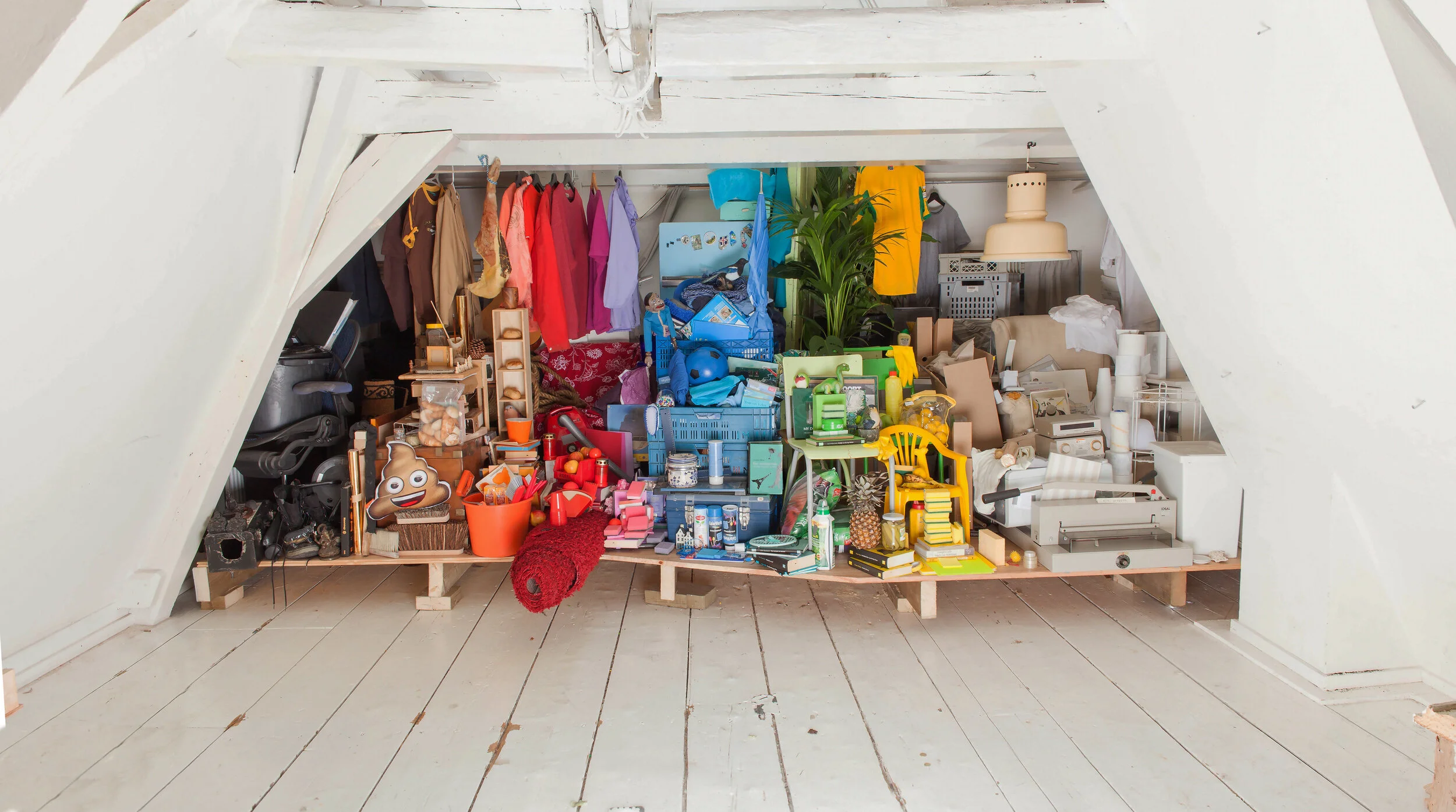
So You’re Using Quarantine to Declutter. Here’s What to Do With the Stuff.

You’re stuck at home for the indefinite future. No better time to make your home a more enjoyable place to exist in, right? Well, sort of. While it’s never a bad thing to de-clutter your space (you’d be surprised how much an organized home contributes to productivity and mood!) there are best practices for decluttering during a pandemic. Especially if you’re planning to donate the things you’re casting aside.

Whether your favorite donation center is closed or you’re not sure how to drop off donated goods in the safest way possible, here’s everything you need to know about getting rid of your stuff during COVID-19, from our friends at Apartment Therapy.

What should I do with the things I declutter during self-quarantine?

KonMari consultant Jenny Albertini, founder of Declutter DC, also works as a public health advisor at the U.S. State Department. While you may feel inspired to reflect on and implement your personal vision for your home, she says it’s important to shift your personal perspective outward during COVID-19. “We’re in a moment of collective concern for others—there’s a lot more discussion around how we can care for our neighbors and communities, even when we can’t be close,” she says. 

The short of it: Your belongings can harbor potentially harmful germs, which you definitely shouldn’t pass on. Plus, dropping off donated goods could also overwhelm an under-staffed charity. So it’s more important than ever to be strategic with donations.

Practically, what does it look like to consider your hypothetical neighbors’ well being as you declutter? It may mean you spend time decluttering your home, but instead of running out the door to donate, you consider a number of safer alternatives for the time being. If you have extra space in your home, like a basement or attic, Albertini recommends setting up a holding area where you keep bags or bins of stuff you want to get rid of. If you live in a small space, put those belongings in the trunk or your car or just relegate them to the closet you just cleared out. 

“Focus on the vision of decluttering and organizing your home without physically letting go of everything at the moment,” Albertini says. “Get it all packaged and ready to give away once the restrictions on movement are released.”

Are donation centers open during the coronavirus crisis?

It depends on the center—but as long as sheltering-in-place is in effect in your area, expect some changes to your normal donation routine. 

For example, Lauren Lawson-Zilai, senior director of public relations at Goodwill, says nearly 85 percent of Goodwill stores are closed. “As a result of COVID-19, our local Goodwill nonprofit organizations across the U.S. are handling and processing donations based on recommendations from local government and health officials,” she says.

The stores that are accepting donations are handling them with safety in mind, using a variety of cleaning supplies as well as holding donations for a period of days. Some stores are asking donors to place their donations directly into a container to limit exposure to employees and the public. “For those Goodwills unable to accept donations at this time, we encourage the public to hold on to them,” Lawson-Zilai says.

To check if the Goodwill in your area is open, search your zip code on goodwill.org or call 1-800-GOODWILL.

What about charities like homeless or women’s shelters? 

Whether these organizations are open and accepting donations depends on the city you’re in. The important thing to consider is how to donate responsibly. Albertini says many non-profit organizations are financially strained or understaffed due to the pandemic, and dropping off a huge bin of goods they don’t actually need could be more overwhelming than helpful. (Something that’s always welcome? A cash donation, if you’re able and inspired to offer support.)

Even if local shelters are open, the types of donations they will take on may vary. Most shelters have a need for the same things we’re trying to get at the store—cleaning supplies, paper towels, and toilet paper. Unopened sample sizes of personal care items could also make good donations as more and more people seek shelter and resources. Albertini recommends calling the shelter to coordinate a donation. 

Can I mail donations? 

The short answer: Yes. The mail system is still operating, and many donate-by-mail organizations are still accepting contributions (such as prison book programs and ThredUp, who is partnering with Feeding America to turn your donations into cash for food banks).

However, since so many people are ordering supplies or groceries, the mail system is also under considerable strain. “If something isn’t urgent to send out or order online, consider not doing it right now,” Albertini says. “The more people can wait to mail or dispose of things, the more we can minimize the burden on donation systems and the mail system.”

What are the best practices for sanitary donating? Should I disinfect everything?

If a donation center is open and your donations are on par, great! Chances are, the organization or person accepting the donation will disinfect your things before using them. But that doesn’t eradicate your responsibility as the donator. Albertini recommends wiping donated goods down with an alcohol-based wipe (always follow instructions on the package) and placing them in a clean bag. Try to have clean hands, too, when you’re passing off a donation, and maintain social distancing guidelines to leave 6 feet or more between people.