Ultimate Guide To Choosing the Right Hardwood Flooring for Your Home


When it comes to adding value and creating a warm, inviting atmosphere in your home, hardwood flooring is the way to go.

However, with so many different types of hardwood flooring available on the market today, finding the right one for your home can seem like an overwhelming task. To help make it easier, we’ve put together this guide to choosing the right hardwood flooring for your home. 

Types of Hardwood Flooring
There are three main types of hardwood flooring that you will encounter while shopping around – solid wood, engineered wood, and laminate wood. Solid wood is usually 3/4-inch thick and is made from one solid piece of wood all the way through; this type of flooring is best suited for homes on or above ground level. Engineered wood has a top layer made from real hardwood, but underneath, it consists of several layers of plywood that are glued together; this type of flooring works well in any room in the house because it is much more dimensionally stable than solid wood. Laminate wood is made from a high-density fiberboard core topped with a photographic image layer that looks like real wood; this type of flooring is best suited for rooms that don’t require regular cleaning. 

Installation Method & Price Range
Once you've decided which type of hardwood flooring you want in your home, you'll need to decide how much money you're willing to spend on installation and materials. Solid and engineered woods typically cost between $3-$15 per square foot, while laminate floorings cost between $1-$7 per square foot (including installation). As far as installation goes, some types need to be nailed down, while others can be floated on top of a subfloor - so make sure to check with your installer before making any decisions about which method you'd prefer.  

Maintenance Level & Durability
When selecting a hardwood floor for your home, it's important to consider both the maintenance level and durability factors associated with each type. For example, solid woods require regular waxing or sealing to keep them looking their best, whereas engineered woods need less maintenance due to their pre-finished layers. Laminate floors are known for their scratch resistance and easy maintenance since they don't need wax or sealant applied regularly. Lastly, all types of floors should be swept regularly and wiped up quickly if liquid spills occur in order to maintain their beauty over time. 

With so many different styles and types available on the market today, finding the right hardwood flooring option for your home can seem like an overwhelming task at first glance. However, by taking into consideration factors such as price range, installation method, maintenance level, and durability – you’ll be able to identify what type suits your needs best! Doing this research ahead of time will ensure that you get exactly what you want out of your new floors without having any regrets later down the road!

Get more llike this on RISMedia.

Related Links

If there is a home that you would like more information about, if you are considering selling a property, or if you have questions about the housing market in your neighborhood, please reach out. We’re here to help.

Search Homes in Colorado

Search Homes in Oklahoma

Search Homes in Oregon

Search homes in Minnesota

5 Reasons Millennials Are Buying Homes


In the United States, there are over 72 million millennials. If you’re part of that generation and have thought about buying a home, you aren’t alone.

According to Zonda, 98% of millennials want to become a homeowner at some point if they aren’t already. But why? There are plenty of reasons you may choose to become a homeowner. Here’s why other millennials have made that decision (see graph below):


This graph shows why millennials are buying homes according to Zonda’s 6th annual millennial survey. The top reasons include building equity, a change in life stage, wanting stability, rising home values, and wanting to make somewhere truly their own. Here’s a look at each in more detail.

Building equity – Homeownership is a long-term investment that allows you to build wealth, increase your net worth, and become more financially stable. Beyond that, the alternative to owning a home is typically renting. With the way rents have risen so dramatically over time, it may make sense to build your own equity instead of the equity of the person you’re renting from.

A change in life stage – As a millennial, you’re reaching your prime homebuying years. That means you may be at the point where you need more space or a different location.

Stability or settling down – This could mean establishing your career or just generally deciding more concretely what you want your life to look and feel like. As that idea becomes clearer, you may want to establish that lifestyle in a particular place and put down roots.

Rising home values – By purchasing a home, you own an asset that traditionally increases in value over time. That can mean your home will have a higher resale value if you decide to move again.

Wanting to make somewhere “mine” – Owning a home gives a sense of freedom because you can customize it however you want, make updates as you see fit, and be yourself in a place that’s solely your own.

Bottom Line

There are plenty of great reasons why millennials are buying homes today. If you’ve thought about becoming a homeowner and any of these reasons resonate with you too, partner with a trusted real estate agent to explore your options.

Keep reading.

Related Links

If there is a home that you would like more information about, if you are considering selling a property, or if you have questions about the housing market in your neighborhood, please reach out. We’re here to help.

Search Homes in Colorado

Search Homes in Oklahoma

Search Homes in Oregon

Search homes in Minnesota

Record apartment supply is good for mortgage rates


The housing starts data contains some good news.

What is the best news for mortgage rates long-term? It’s getting more supply of apartments! The best way to fight inflation is always by adding more supply; if your goal is to destroy inflation by killing demand, that is only a temporary fix.

Housing inflation post-2020 was one for the record books, not only because home prices accelerated in such a short time, but more importantly for the inflation data, rents took off, something that didn’t happen during the housing bubble years.

The government accounts for housing inflation by looking at rents, not home prices. The chart below is the CPI Shelter Index, and as you can see during the crazy years of the housing bubble, rent inflation was very tame compared to what we see in the data recently.

Since 44.4% of the Consumer Price Index is shelter inflation, it’s a massive deal in economics that rents took off in the last two years. Without rents taking off, the CPI data would look much more tame, like what we saw from the years 2000-2019.

As you can see in the chart below, core CPI wasn’t exploding at all this century until COVID-19 hit us. More supply of apartments coming on line will be good news for mortgage rates going forward. The history of global pandemics has always been inflationary early on, as the production of goods gets hit immediately. Then things tend to cool down over time from their inflationary peak level.

Over the next 12 months, the CPI data will account for the real-time cooling down of shelter inflation. And just like the data lagged early on when shelter inflation took off; the opposite will happen over the next year.

Tuesday’s housing starts data does show some promise on the front of attacking inflation and helping lowering mortgage rates, so let’s look at the report and find out what I am talking about.

First, however, remember that the housing market is still in a recession, which I wrote about on June 16, 2022. Housing permits have been falling as the builders simply have too much supply to be confident in building homes again. The housing market is still in a recession until housing permits rise in duration. Even though the builder’s confidence index has been rising recently, it still hasn’t led to a significant uptick in housing permits.

Keep reading on Housing Wire.

Related Links

If there is a home that you would like more information about, if you are considering selling a property, or if you have questions about the housing market in your neighborhood, please reach out. We’re here to help.

Search Homes in Colorado

Search Homes in Oklahoma

Search Homes in Oregon

Search homes in Minnesota

Just Listed: Completely Remodeled and Professionally Designed Condo in Winter Park!


Welcome home to Hi Country Haus!

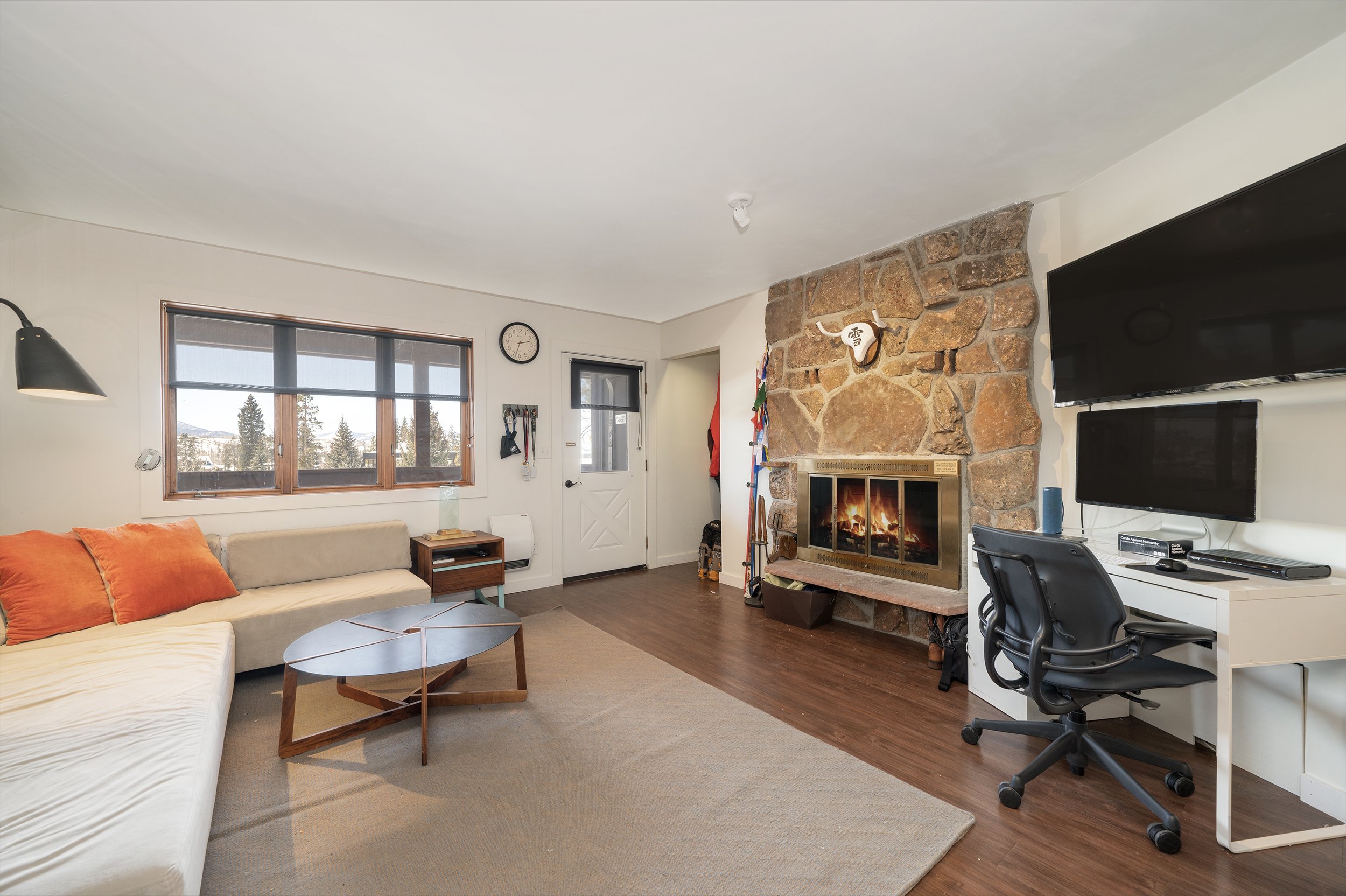
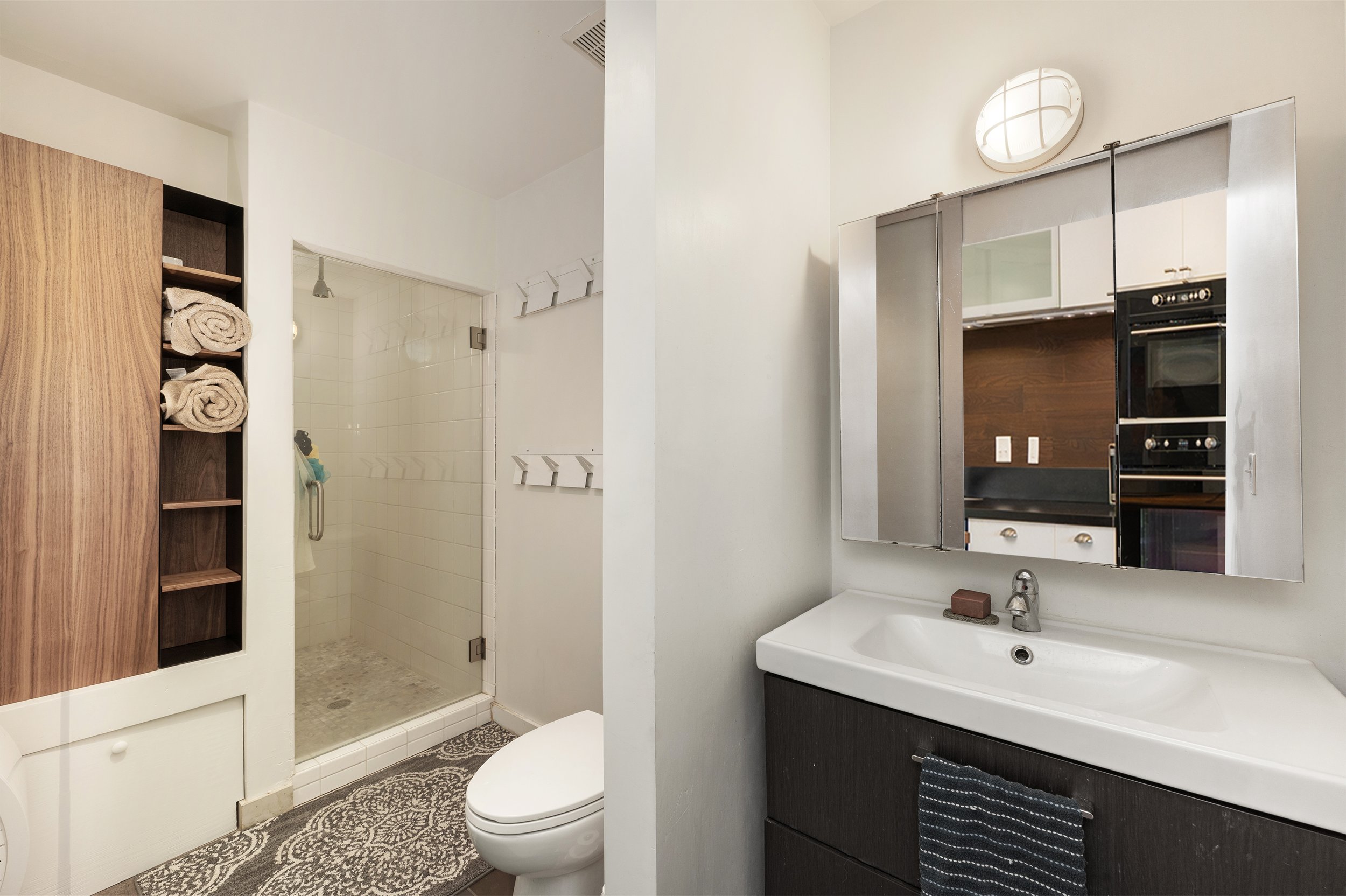
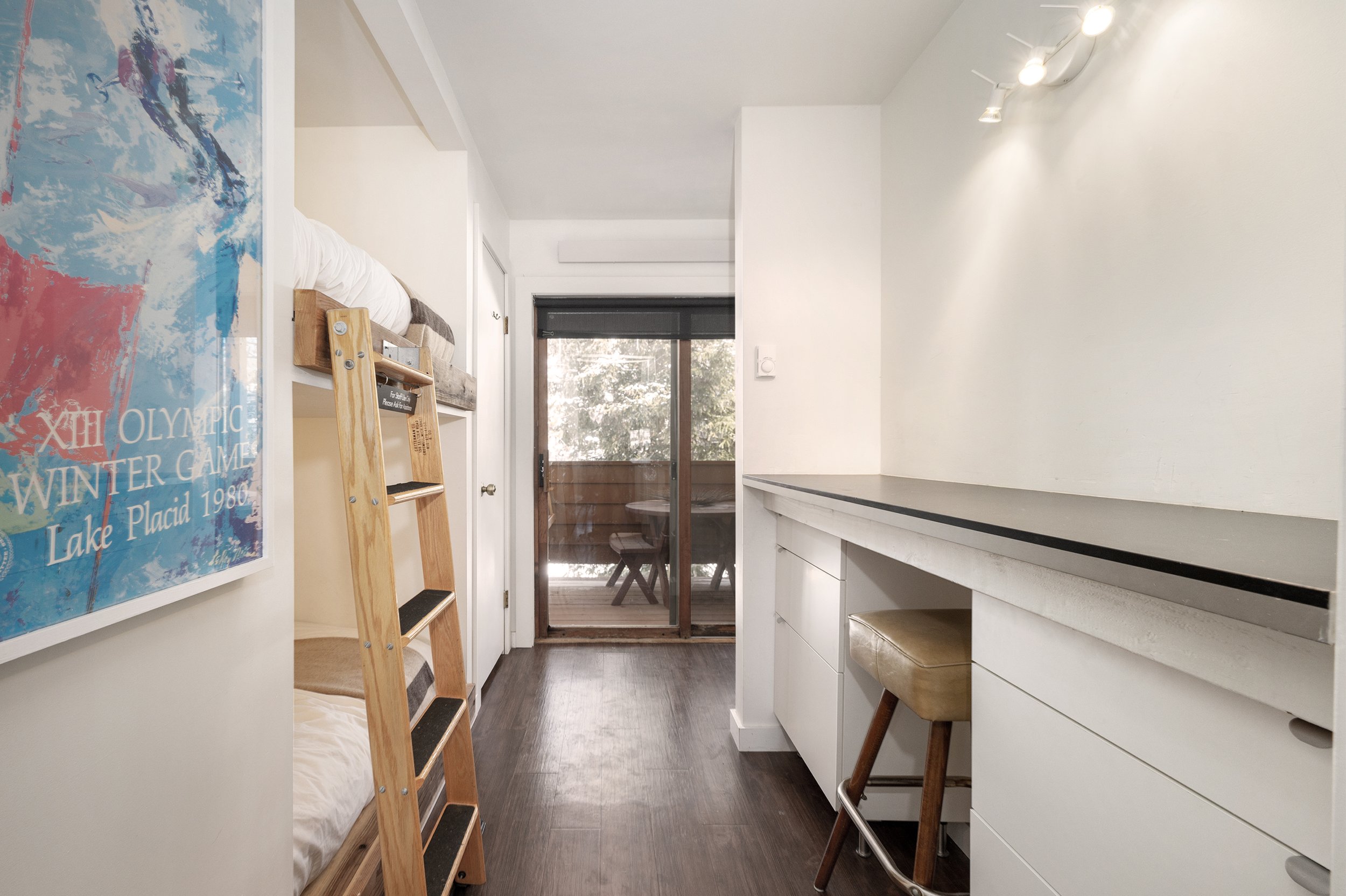
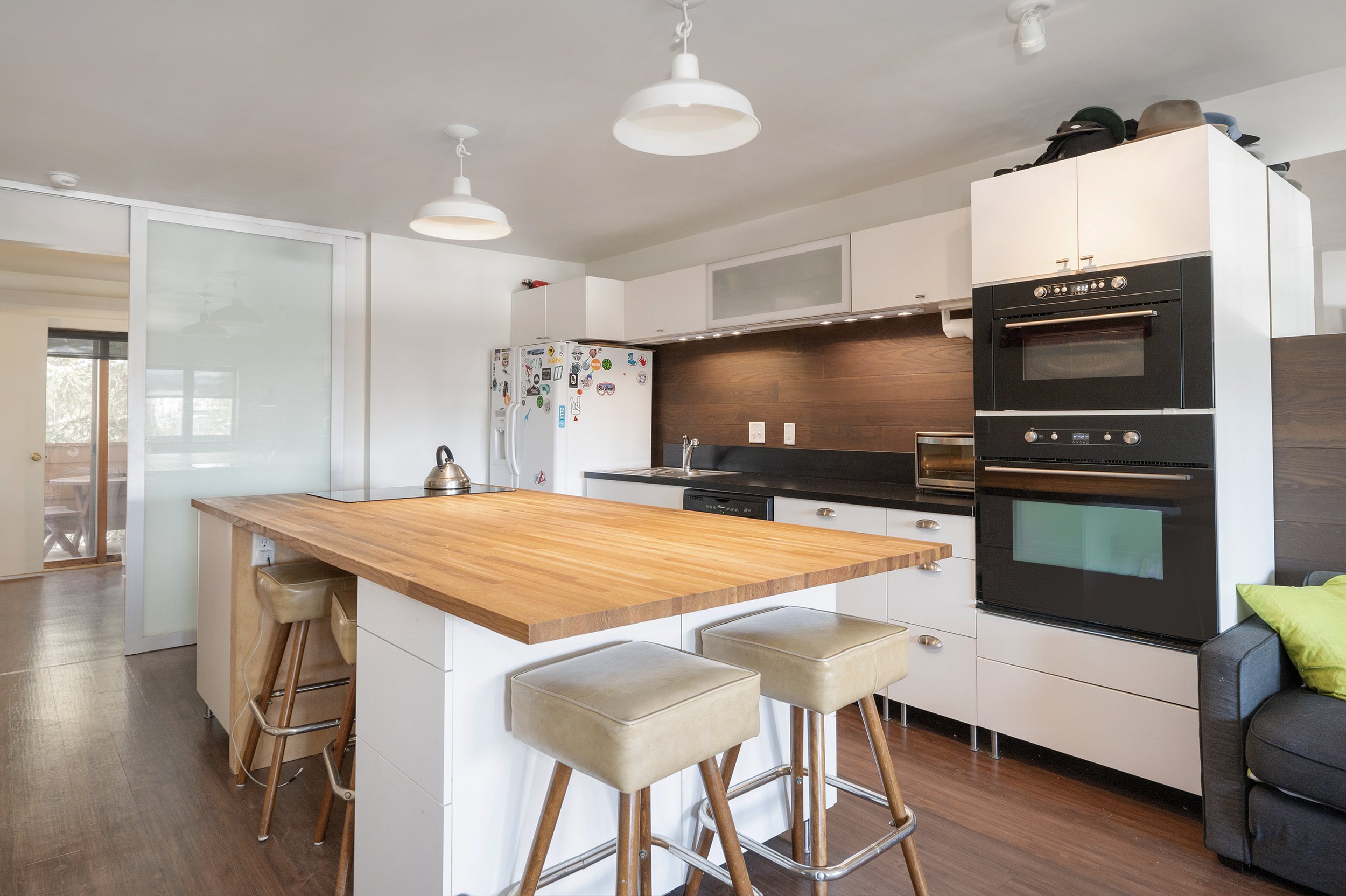
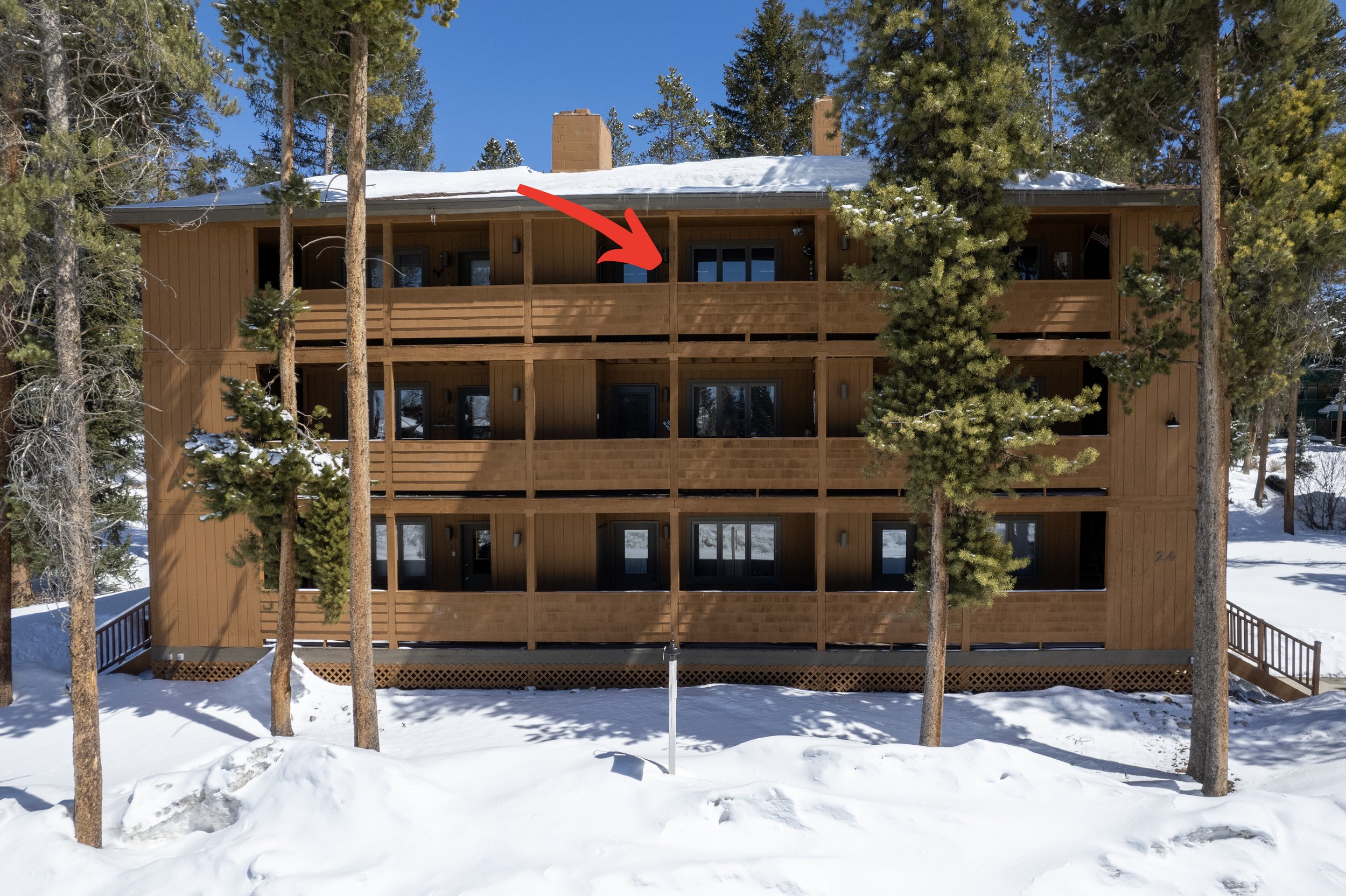
Completely remodeled and professionally designed + decorated to fit your needs, this is the perfect place to relax, entertain, and enjoy everything you love about living in Winter Park. With high ceilings + amazing views, this one bedroom, top-floor unit lives large, giving you enough space to comfortably sleep 8 people. Start your day with a cup of coffee on the large back deck, where you’re sure to spot wildlife in the trees beyond. Whip up breakfast or host happy hour in your new full-size kitchen, with friends + family seated around the large island or in the adjacent living space. After a day of mountain adventuring, head back home and enjoy the complex rec center, where you can take a dip in the pool/hot tub or hang out in the game room. When you’re ready to relax, your large primary bath with steam shower will be waiting for you! This condo boasts amazing cabinet storage throughout the kitchen and custom storage in the living + sleeping areas, bathroom, and ski storage outside that will give you space for all your belongings. The W/D hook-up and extra half bath are added bonuses so you can live here full-time, rent it out, or use it as your personal mountain home. To top it off, this condo is located in Building 24, which is self-managed and located at the end of the complex - giving you extra privacy + reduced traffic. You’re going to love living here!

Listed by Leah Bishop for West + Main Homes. Please Contact Leah for current pricing + availability.


Have questions?
West + Main Homes
(405) 652-6635
hello@westandmain.com

Presented by:
Leah Bishop
970-531-4723
leah@leahkbishop.com


Search homes in Colorado
 

Most Common Plumbing Problems And How To Fix Them


Plumbing issues are an inevitable part of homeownership, and while some can be easily resolved, others may require professional intervention.

Knowing how to identify and fix common plumbing problems can save you time, money, and frustration. 

In this blog post, we will discuss some of the most prevalent plumbing issues that homeowners face and provide guidance on how to address them. 

Low Water Pressure
Low water pressure can be frustrating and may indicate an issue with your plumbing system. 

Common causes of low water pressure include mineral buildup in pipes or fixtures, a malfunctioning pressure regulator, or a leak in the water line.

How to fix
If the low water pressure is isolated to a specific fixture, try removing the aerator and cleaning it to remove any mineral buildup. If the issue persists or affects multiple fixtures, it may be best to consult with a professional plumber to diagnose and address the underlying problem.

Clogged Drains
One of the most frequent plumbing issues that homeowners encounter is clogged drains. Whether it is a kitchen sink, bathroom sink, or shower drain, blockages can occur due to the buildup of hair, soap scum, grease, or other debris.

How to fix
For minor clogs, a plunger can be an effective tool to dislodge the blockage. If that doesn't work, try using a drain snake or a drain auger to break up and remove the clog. 

As a last resort, consider using a chemical drain cleaner, but be cautious as these products can be harmful to your pipes if used excessively.

Leaky Faucets
A dripping faucet is not only annoying but can also lead to wasted water and higher utility bills. Leaky faucets are typically caused by worn-out washers, seals, or O-rings.

How to fix
First, turn off the water supply to the faucet. Disassemble the faucet, identify the worn-out component, and replace it with a new one. 

Remember to reassemble the faucet correctly and turn the water supply back on to test if the leak has been resolved.

Running Toilets
A running toilet is another common plumbing problem that can result in wasted water and increased utility bills. This issue often occurs when the flapper valve, which controls the flow of water from the tank to the bowl, becomes worn or damaged.

How to fix
Turn off the water supply to the toilet and flush it to drain the tank. Inspect the flapper valve for damage, and if necessary, replace it with a new one. 

If the problem persists, check the fill valve, float, or chain for proper function and make any necessary adjustments or replacements.

Water Heater Issues
A malfunctioning water heater can result in a lack of hot water or inconsistent water temperatures. 

Common water heater problems include sediment buildup in the tank, a faulty thermostat, or a damaged heating element.

How to fix
To address sediment buildup, drain the tank and flush it with fresh water to remove the sediment. If the issue is related to the thermostat or heating element, it is best to consult with a professional plumber for proper diagnosis and repair.

Pipe Leakage Issues
Pipe leakage can lead to water damage, mold growth, and increased water bills. Frequent causes of pipe leaks include worn-out or damaged pipes, unsecured connections, or excessive water pressure.

How to fix
For small leaks, consider applying plumber's tape or utilizing a pipe repair clamp as a temporary fix. Nevertheless, for more significant leaks or when the pipe itself is compromised, it is advised to seek the expertise of a professional plumber for a long-lasting solution.

Conclusion

Being familiar with the most common plumbing problems and knowing how to fix them can save you considerable time, money, and hassle. By addressing issues such as clogged drains, leaky faucets, running toilets, low water pressure, water heater malfunctions, and leaky pipes, homeowners can maintain a well-functioning plumbing system and prevent more significant problems from arising.

Learn more.

Related Links

If there is a home that you would like more information about, if you are considering selling a property, or if you have questions about the housing market in your neighborhood, please reach out. We’re here to help.
Search Homes in Colorado

Search Homes in Oklahoma

Search Homes in Oregon

Search homes in Minnesota