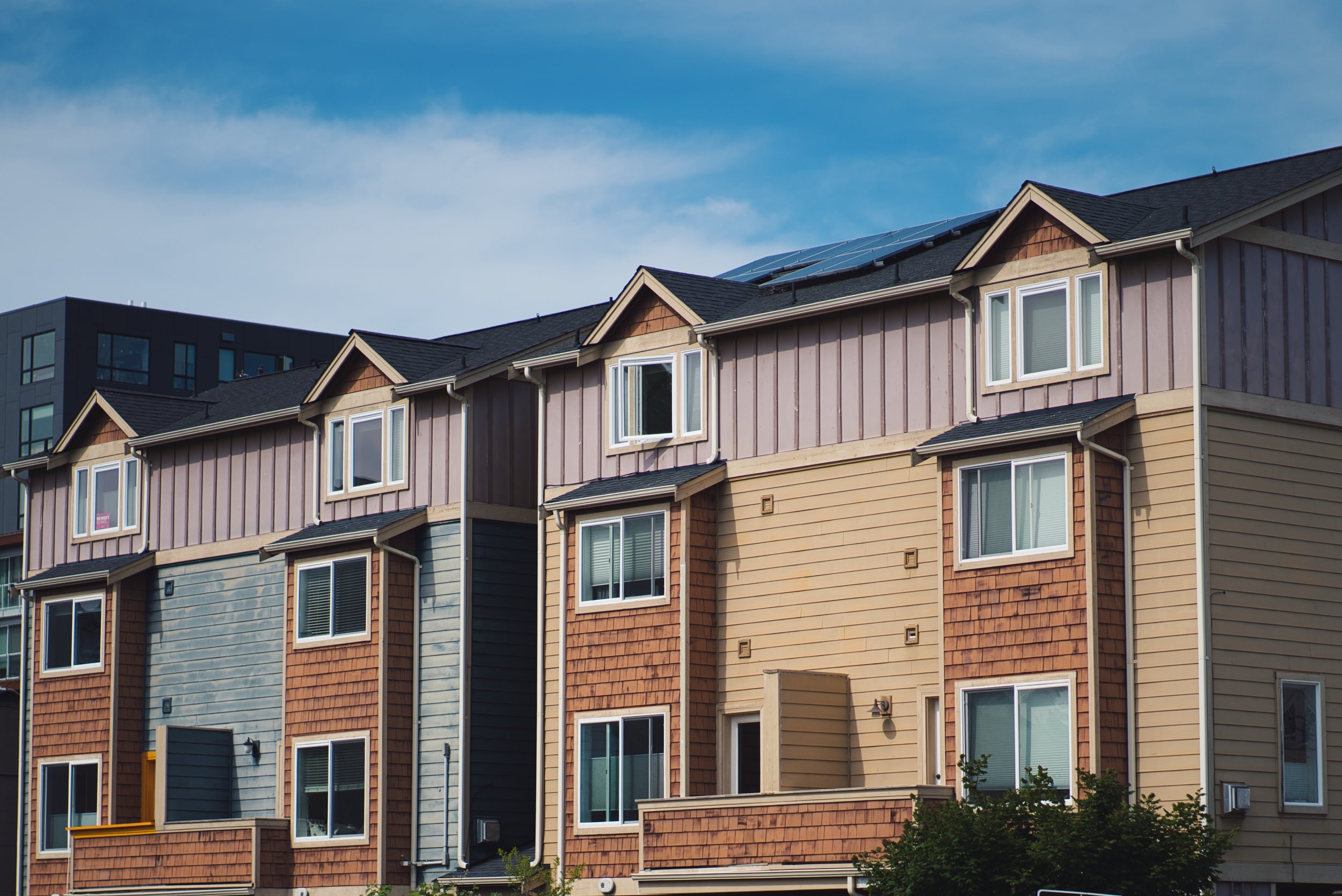
Your Tax Refund Can Help You Achieve Your Homebuying Goals


Have you been saving up to buy a home this year? If so, you know there are a variety of expenses involved – from your down payment to closing costs.

But there’s good news – your tax refund can help you achieve your goals by paying for some of these expenses.

SmartAsset estimates the average American will receive a $1,798 tax refund this year. The map below provides a more detailed estimate by state:


According to Freddie Mac, there are multiple ways your refund check can help you as a homebuyer. If you’re getting a refund this year and thinking about buying a home, here are a few tips to keep:

  • Saving for a down payment – One of the largest barriers to homeownership is saving for a down payment. You could reach your savings goal more quickly than expected by using your tax refund to help with your down payment.

  • Paying for closing costs – You have to pay fees to your lender, real estate agent, and other parties involved in the homebuying transaction before you can officially take ownership of your home. You could direct your tax refund toward these closing costs.

  • Lowering your interest rate – Your lender might give you the option to buy down your mortgage interest rate during the homebuying process. That means, you could pay upfront to have a lower interest rate on your fixed-rate mortgage.

The best way to prepare to buy a home is to work with a trusted real estate professional who understands the process. They’ll help you navigate the costs you may encounter as you begin your homebuying journey.

Bottom Line

Your tax refund can help you reach your goals of homeownership. Connect with a local real estate agent to discuss how you can start your journey today.

Keep reading.

Related Links

If there is a home that you would like more information about, if you are considering selling a property, or if you have questions about the housing market in your neighborhood, please reach out. We’re here to help.

Search Homes in Colorado

Search Homes in Oklahoma

Search Homes in Oregon

Search homes in Minnesota

Tips for Reviving Your Lawn After Winter


Waking up your lawn can be challenging, and there is added pressure if you want to put a home on the market.

Early spring is one of the best times of the year to make your home look great. This busy season coincides with an uptick in activity in the real estate market, making it that much more critical for you to get your lawn back in great shape.

Here are a few helpful tips for reviving your lawn after the beating it likely took this winter:

Feed It Well

Spring is the most critical time to give your lawn a boost. Winter drags on in many areas of the country, which can deplete a yard come spring. If you find yourself in this situation, try applying a quick-release fertilizer to prepare your lawn for spring. This fertilizer will get to the roots and green up your yard in a few days. However, be cautious when applying a quick-release fertilizer, as putting too much in one spot can kill your grass.

Other fertilizer options include slow-release fertilizers that'll feed your lawn over time. This kind of fertilizer usually comes in granules or pellets that sit on top of your soil. They dissolve over time and provide the best long-lasting energy option for lawns.

Water in the Morning

Fertilizer applications need moisture to work best. Watering your lawn in the spring may seem counterintuitive given the rainfall that some climates receive, but watering your lawn regularly is essential to help the grass grow strong. Consider watering your yard in the morning before 10 a.m., as this will allow the lawn time to soak up the water and dry out under the afternoon sun. Watering in the evening or at night may seem smart, but it can actually cause lawn care problems such as disease and fungi.

Ease Into Mowing

While your lawn may have grown a little throughout the winter depending on your location, lawns need some time to ease into the spring. Refrain from mowing your lawn on a low setting as temperatures go up. Short lawns expose the root system, which can create a stressful situation for the grass. Consider doing a light mow early on in the season to take off the tips of the blades. Doing so will ease your lawn back into the growing season and will help keep it looking great.

Start Fighting Weeds

Homeowners looking to put their home on the market should combat any weeds in their lawn. There are many weed and feed chemicals to help prevent weeds. These mixes often include different fertilizers, so be sure to read the directions so that you don't give your lawn too much. Locate any problem areas in your yard and consider applying weed control to those areas, as well.

Seed Thin Spots

It's common for bare spots to appear after a long winter. Immediately care for areas of the lawn that have thinned or are completely bare. These spots can cause problems, not only with weed growth, but also in presenting a beautiful lawn to a prospective buyer. Rake out these spots in your yard and apply a good amount of seed. Give these spots extra water a few weeks after you seed them to encourage new grass roots to take hold.

There are many ways to help your lawn come back after a long winter. Mow the grass on a high setting until it has had time to recover, fertilize and water the lawn to boost growth, and be sure to keep weeds away by using preventive measures. Follow all the tips listed above and your lawn will be back to its former glory in no time.

Learn more on RISMedia.

Related Links

If there is a home that you would like more information about, if you are considering selling a property, or if you have questions about the housing market in your neighborhood, please reach out. We’re here to help.

Search Homes in Colorado

Search Homes in Oklahoma

Search Homes in Oregon

Search homes in Minnesota

The 10 Most Pet-Friendly Cities in America for Dog and Cat Lovers


Americans are obsessed—with their pets.

Regardless of whether you’re a dog lover, a cat fanatic, or an exotic-animal enthusiast, there are certain cities that are more pet-friendly than others. That matters a lot to pet parents who are increasingly focusing on their animals’ happiness when choosing a place to live.

And it’s why pet owners might want to consider living in Tucson, AZ.

Tucson tops the list as the best place for pet parents and their furry, feathered, and scaly babies, according to a recent Forbes Advisor report. The city boasts good access to low-cost veterinary care and plenty of pet stores. There are also plenty of dog-friendly businesses, including many restaurants with patios that allow diners to eat outside with their pups.

“Pet ownership is on the rise nationwide, making pet-friendly amenities and pet-related costs top of mind for many Americans who are looking to relocate,” says Forbes Advisor spokesperson Zoi Galarraga.

About two-thirds of Americans are pet owners, according to Forbes Advisor. Roughly 4 in 5 pet owners considered their animals’ needs before renting or buying a home, according to a recent Realtor.com® survey. And about 87% of homebuyers with animals take their pets’ needs into consideration when choosing a neighborhood.

To come up with its findings, Forbes Advisor analyzed the availability of pet-friendly apartments, veterinary costs and access, pet-friendly spaces, and the concentration of pet stores in the 91 largest cities.

These are the top cities for pet owners:

  1. Tucson, AZ
    Median home list price*: $384,500

  2. Raleigh, NC
    Median home list price: $498,000

  3. Nashville, TN
    Median home list price: $659,900

  4. Wichita, KS
    Median home list price: $319,600

  5. Cincinnati, OH
    Median home list price: $322,500

  6. Plano, TX
    Median home list price: $560,000

  7. Albuquerque, NM
    Median home list price: $391,500

  8. Kansas City, MO
    Median home list price: $337,500

  9. Louisville, KY
    Median home list price: $250,000

  10. Glendale, AZ
    Median home list price: $449,950

The least pet-friendly cities were also the most expensive for real estate, veterinary care, and just about everything else.

Los Angeles was deemed the worst for animal lovers. It was followed by New York City; Silicon Valley’s San Jose, CA; San Francisco; and Boston.

* The median home list prices in the city are as of March using Realtor.com data.

Learn more on Realtor.com

Related Links

If there is a home that you would like more information about, if you are considering selling a property, or if you have questions about the housing market in your neighborhood, please reach out. We’re here to help.

Search Homes in Colorado

Search Homes in Oklahoma

Search Homes in Oregon

Search homes in Minnesota

5 Remodeling Trends to Watch as More Owners Upgrade


Home improvement remains a hot trend as people update their spaces to be more functional for the long-term.

Facing lean housing inventory, more would-be move-up home buyers may be feeling stuck in place. As they wait out the market, many continue to tackle remodeling projects on their current home. In fact, remodeling activity surged to a record high last year, according to the 2023 U.S. Houzz & Home Study(link is external), a survey that reflects responses from about 46,000 homeowners. The trend is likely to continue, as more than half of homeowners surveyed say they intend to renovate this year, too, consistent with 2022 levels.

“Faced with shortages of housing stock and high interest rates, we’re seeing homeowners update their current home to make the space more functional for the long term,” says Liza Hausman, vice president of industry marketing at Houzz, a home remodeling resource. “We’re also seeing an uptick in additions, with the vast majority of homeowners hiring professionals to achieve their goals.”

Many renovating homeowners may not have intentions of reselling immediately, but they’re eyeing how much their home could be worth as the housing market pendulum swings. Sixty-two percent of owners say their main motivation for tackling a renovation is to increase their home’s value, according to a separate survey(link is external) from Cinch Home Services, a home warranty company.

Homeowners expressed concerns about selling their home in its current state, expressing fears that their home was in need of too many repairs (65%); has an outdated interior (60%); lacks trendy fixtures (38%); or lacks curb appeal (33%), according to the Cinch Home Services survey.

To combat home dissatisfaction, Houzz uncovered some recent home improvement trends that emerged from the 2022 boom.

1. Expanded living spaces. The number of renovating homeowners who are adding square footage is on the rise. The rooms most popular for expansions are kitchens, bathrooms and living rooms, the Houzz survey shows.

2. Remodeling budgets are rising. The median expense for home renovations in 2022 was $22,000—up 22% from 2021. Ten percent of owners were willing to spend six figures: $140,000 or more. Expenditures are likely rising because materials and products are getting pricier. Kitchen and bathroom renovations were the most expensive projects homeowners took on; in 2022, the median spend on a kitchen remodel reached $20,000, and $13,500 for primary bathrooms, up 33% and 50% year over year, respectively, according to Houzz.

3. Aging homes are getting upgraded. The median age of a home in the U.S. continues to rise as homeowners try to keep their properties current. Nearly 30% of homeowners upgraded plumbing, followed by electrical and home automation, the Houzz survey shows. Among home system updates, cooling and heating systems were the two largest expenditures at $5,500 and $5,000, respectively. Check out the most popular home updates based on a home’s age.

4. Contractors remain in demand. The long wait for contractors may linger in some markets because of overheated demand. Homeowners hired specialty service providers and construction professionals, such as general contractors and bathroom or kitchen remodelers, more often in 2022, the Houzz survey finds. Homeowners continue to cite “finding the right service providers” as their biggest challenge for home renovations, followed by finding the right projects and staying on budget.

5. Owners turn to loans for pricier projects. Eighty-two percent of homeowners paid for their projects using cash from their savings while 28% who used credit cards. But one trend to watch is that in 2022, the percentage of homeowners financing their renovation projects with secured home loans rose to 16% from 14% in 2021. Homeowners tackling pricier projects—from $50,000 to $200,000—are more likely to take out a loan than those with lower price tags, the study finds.

Get more like this from NAR.

Related Links

If there is a home that you would like more information about, if you are considering selling a property, or if you have questions about the housing market in your neighborhood, please reach out. We’re here to help.

Search Homes in Colorado

Search Homes in Oklahoma

Search Homes in Oregon

Search homes in Minnesota

Fannie Mae and Freddie Mac Expand Plans for Equitable Housing


Both GSEs released updates to plans for increasing accessibility to affordable housing for underserved communities.

Fannie Mae and Freddie Mac announced on Wednesday new updates to their equitable housing finance plans, which outline the expansion of accessible and affordable housing available to underserved communities.

Fannie Mae is expanding a series of pilot programs, launching new initiatives and applying new research to its understanding of its consumer housing journey roadmap. Freddie Mac is expanding special purpose credit programs (SPCPs), increasing the availability of accessory dwelling units (ADUs) and manufactured homes, and launching a correspondent lending program to assist smaller financial institutions with access to Freddie Mac’s multifamily financing.

Also, Freddie Mac’s DPA One, a down payment assistance digital platform, will be made available broadly this year and complements Freddie Mac’s SPCP efforts.

“Since the launch of our plan in 2022, we have made considerable progress in identifying meaningful ways to address historical challenges faced by underserved communities, particularly for Black and Latino people,” said Katrina Jones, vice president of racial equity strategy and impact at Fannie Mae. “When you add the present-day challenges of inadequate affordable housing supply and high housing costs, overcoming barriers to housing can seem harder than ever. But we are committed to making a fundamentally fairer and more equitable future for housing.”

Freddie Mac said progress has already been made with its plan and outlined additional changes it will implement.

“The actions laid out in this year’s Equitable Housing Finance Plan build upon the work we started last year to give families in underserved communities a more equitable chance to have a quality, affordable place to call home,” said Michael DeVito, CEO of Freddie Mac. “We have made meaningful progress over the last year, and we know there is much more to do. The update released today illustrates our commitment to help more families in the years to come.”

The specific actions that Fannie Mae will make were outlined in a blog post, which anticipates SPCPs will be used as a tool for “helping people in majority Black and Latino communities to buy their first home.” The GSE has also “created and implemented innovative ways to help people qualify for a mortgage, even if they have insufficient credit history.”

Accessibility to housing counseling is critical for Fannie Mae to achieve its goals, according to Jones.

“After completing over 11,000 counseling sessions in 2022 specifically addressing homeownership needs, we are expanding our efforts this year to help those facing financial hardship and improving access to information for long-term housing safety and stability,” Jones said. “We are also working alongside industry partners like HUD to bring comprehensive counseling opportunities to those in need and to test new counseling services in various parts of the country.”

SPCPs are a central fixture of Freddie Mac’s plan, and the organization plans to continue purchasing loans originated through lender SPCPs and its own program, “BorrowSmart Access,” which provides down payment assistance and borrower education to eligible families.

Freddie Mac also noted that it will assist renters on the path to homeownership in two ways: by establishing and improving credit scores of renters seeking to transition into homeownership, and “considering a history of on-time rent payments in loan purchase decisions.”

Freddie Mac’s renter credit-building initiative, which was launched in late 2021 and expanded earlier this year, has served 184,000 renters to date. It has also resulted in 27,000 renters establishing credit for the first time.

“We were able to make measurable headway on our Equitable Housing goals in year one by working closely with FHFA and other industry participants,” said Michael Hutchins, president of Freddie Mac. “Our 2023 Plan incorporates new thinking and lessons learned to ensure we are as effective and impactful as possible.”

The National Association of Real Estate Brokers (NAREB) recently urged mortgage lenders to accelerate special purpose credit programs (SPCPs) to boost Black homeownership rates and help close the wealth gap between Black and white Americans.

Read more on Housing Wire.

Related Links

If there is a home that you would like more information about, if you are considering selling a property, or if you have questions about the housing market in your neighborhood, please reach out. We’re here to help.

Search Homes in Colorado

Search Homes in Oklahoma

Search Homes in Oregon

Search homes in Minnesota