It’s a Tie for the 2 Hottest Markets in America Right Now—Can You Guess Why They’re Neck and Neck?


America’s hottest real estate markets right now are hiding far, far away from the glitz of big cities, the bustle of tech hubs, and the warm, sandy beaches where many may aspire to relax or retire.

And while these hot spots might not have big-name recognition, they are known for what’s top of mind for homebuyers now: affordability.

Manchester, NH, and Rochester, NY, are tied for the honor of being named the nation’s hottest housing market in September, according to a recent Realtor.com® report. Manchester is about an hour northwest of Boston while Rochester is about 5.5 hours north of New York City on Lake Ontario.

“They’re equally hot, but for different reasons,” says Hannah Jones, an economic data analyst at Realtor.com. “Manchester properties see higher demand, but homes in Rochester spend five days less on the market.”

With high home prices and fast-rising mortgage interest rates, homebuyers are increasingly seeking out smaller cities in the Northeast, Midwest, and South where they can find a home for sale within their budget, according to the report.

Homes in nearly three-quarters of the 20 hottest markets cost less than the national median price tag of $427,000.

Not a single Western real estate market made the list, likely due to the higher home prices in that swath of the country.

“As mortgage rates have continued to climb and home prices are still high, buyers are looking for homes that are still within their budget,” says Jones. The hottest markets “are receiving much more attention as buyers are desperate to find reasonably priced places to live.”

The rankings are based on the number of views that listings in these metropolitan areas receive on Realtor.com, and how quickly properties are selling. (Metros include the main city and the surrounding smaller towns and urban areas.)

Why homebuyers are so interested in Manchester and Rochester

The Manchester metro has been a regular in the No. 1 spot over the past year and a half. Its popularity surged during the COVID-19 pandemic, when the area picked up a lot of remote workers as well as those who didn’t need to commute as often to their offices in Boston. New Hampshire, where Manchester is located, is also known for its low taxes and more affordable real estate.

The median home list price in Manchester was $487,400 in September, up 17.1% year over year. While that’s not cheap, it’s significantly less than the $742,000 median price tag in Boston. That would help explain why Manchester homes attracted 2.8 times as many views on Realtor.com as the typical listing across the country.

Meanwhile, the Rochester metro is tied for No. 1 due largely to its affordable real estate. This college town, where Kodak is headquartered, boasts a median list price of just $223,000. That’s significantly less than the national median price tag of $427,000.

But the competition is brisk in the small city in upstate New York, with homes selling in just 25 days—about half the median time on the market as in the rest of the country. Listings also received about 2.5 times as many views as the typical home.

Tiffany Hilbert of Keller Williams Realty Greater Rochester is seeing locals competing with out-of-towners looking for more affordable real estate now that they can work remotely, buyers looking for second homes on Lake Ontario or the Finger Lakes, and investors looking for flips and properties they can turn into rentals.

She heard through the grapevine that a listing agent had recently received 20 offers—and was expecting more—on a 1,600-square-foot, three-bedroom ranch listed at $199,000. Hilbert expects it will sell for over $300,000.

Meanwhile, one of the agents on her team wrote an offer of $115,000 over the mid-$200,000 asking price for a property. Even so, that agent’s client didn’t get the house.

“People are desperate for properties,” says Hilbert. “The price of our homes is still not outrageous.”

Get more like this on Realtor.com

Related Links

If there is a home that you would like more information about, if you are considering selling a property, or if you have questions about the housing market in your neighborhood, please reach out. We’re here to help.

Search Homes in Colorado

Search Homes in Oklahoma

Search Homes in Oregon

The Housing Revolution Is Coming


Accessory dwelling units might just spell the end of the American suburb as we know it—in the best possible way.

Pull up to any intersection in Los Angeles, and you will see a column of illegally posted signs forming a kind of capitalist totem pole. Most advertise services catering to the darker side of life: “Cheap Divorce!” “Fix Your Credit!” “Liquidation Sale!” Even the now-ubiquitous “Sell Your House Fast” calls to mind desperate families collapsing under the weight of a mortgage. Yet over the past couple of years, a more hopeful sign has joined the mix: “Free ADU Consultation.”

The abbreviation needs no explanation in California, where accessory dwelling units have graduated from wonky planning jargon to popular parlance. Variously known as granny flats, mother-in-law units, or casitas, ADUs are small, additional rental units that share a lot with another structure—typically a single-family home.

ADUs can now be found in backyards across the Golden State, providing homeowners with a new source of income and renters with new housing options. Something like 60,000 ADUs have been permitted since 2016, the year they were legalized. It’s a startling figure, but it’s only the beginning. As more states legalize them in response to the ever-deepening housing crisis, ADUs could soon be coming to a backyard near you. This hyperlocal building boom might just spell the end of the American suburb as we know it—in the best possible way.

Despite their reputation as a novel solution to the nationwide housing shortage, ADUs were common before the rise of zoning. Take a walk around your local pre-zoning residential neighborhood, and you’ll see what I mean: In places such as Brooklyn, many brownstones were built with a basement accessory unit that could be rented out. On sleepy inner suburban alleys across the Midwest, small apartments still regularly sit atop garages. My grandmother grew up in a unit carved out of the second floor of an aging mansion in Old Louisville. (Historic-preservation rules would make it tricky to subdivide that same mansion today.)

These extra little homes made homeownership more attainable and cities more accessible to people of little means. Homeowners could collect rent that could in turn be used to pay down a mortgage, while renters gained access to shelter in a neighborhood that they might otherwise not have been able to afford.

Like most states, California went all in on zoning in the 20th century, prohibiting the construction of apartments—including ADUs—in most residential neighborhoods. Indeed, the first single-family zoning district in the United States was adopted in Berkeley in 1916, specifically and explicitly to segregate the suburb. Following the Supreme Court’s seal of approval in Euclid v. Ambler in 1926—a decision that infamously derided apartments as “mere parasites”—single-family zoning districts spread nationwide, producing the homogeneous and segregated suburban landscape we have today.

Such prohibitions play no small role in the California housing crisis. By one estimate, the state faces a shortfall of nearly 1 million units. Until recently, apartments were technically illegal to build in 75 to 94 percent of residential areas in cities such as Los Angeles and San Jose. Worse yet, in numerous California suburbs and smaller towns—including many in the heart of Silicon Valley—apartments were completely prohibited. That is, until the state legalized ADUs.

For nearly four decades beginning in 1982, across five separate bills, state policymakers in Sacramento nudged local governments to adopt workable ordinances to allow backyard and basement apartments of their own accord. Yet at the local level, NIMBY politics prevailed. Local planners eagerly exploited loopholes in the state bills, setting standards that made ADU production practically infeasible. Not surprisingly, few were built.

Jerusalem Demsas: The next generation of NIMBYs

That changed in 2016 with the passage of S.B. 1069 and A.B. 2299. Where previous attempts at legalization retained the deference to local control typical of U.S. planning, these bills set clear, statewide standards for how local governments could and could not regulate ADUs. Unworkable design standards and onerous parking mandates were out. Prompt and affordable permitting processes were in. And a funny thing happened: It worked. Almost as soon as the new laws went into effect, ADU-permit applications skyrocketed across the state.

Unsurprisingly, those suburbs most committed to exclusion continued to find ways to subvert the law. In a kind of reform whack-a-mole, seven more bills were needed to address creative new forms of exclusion. Setbacks were rightsized, owner-occupancy mandates were dropped, and the state’s housing authority was granted the power to call out misbehaving towns. The work continues: Just this year, Governor Gavin Newsom signed yet another bill streamlining state ADU laws.

The pro-housing forces are winning. Building a home in your backyard in California has never been easier. And sure enough, the market has responded.

The number of ADUs permitted increased by 1,421 percent from 2016 to 2021. Other than 2020—a year racked by the COVID-19 pandemic—ADU permitting has increased by 42 to 76 percent every year since 2016, and this permitting growth is unlikely to slow down anytime soon. As of last year, ADUs constituted roughly one in seven homes permitted in California.

Keep reading on The Atlantic.

Related Links

If there is a home that you would like more information about, if you are considering selling a property, or if you have questions about the housing market in your neighborhood, please reach out. We’re here to help.
Search Homes in Colorado

Search Homes in Oklahoma

Search Homes in Oregon

Young people earning $100,000 or more are fleeing California and New York—here’s where they’re going


New York and California have long been attractive places for young workers striking out on their own. But that may be changing.

A survey conducted by SmartAsset tracked the movement of so-called “rich young professionals,” which it described as anyone under 35 earning an adjusted gross income of at least $100,000. 

SmartAsset determined the inflow and outflow of rich young professionals in all 50 states and the District of Columbia by using Internal Revenue Service data to compare tax returns from 2019 and 2020.

It seems young professionals are most eager to leave New York. With a net outflow of 15,788, this state had the highest number of individuals leaving by a significant margin. With a net outflow of 7,960, California also appears to be losing allure for rich young professionals.

So, where are young people going? These are the top seven states wealthy millennials are flocking to, according to SmartAsset:

1. Texas

Total inflow: 15,024
Total outflow: 11,200
Net inflow: 3,823

2. Florida

Total inflow: 10,258
Total outflow: 6,847
Net inflow: 3,411

3. Washington

Total inflow: 9,882
Total outflow: 7,129
Net inflow: 2,753

4. Colorado

Total inflow: 7,306
Total outflow: 4,665
Net inflow: 2,641

5. New Jersey

Total inflow: 11,015
Total outflow: 8,556
Net inflow: 2,459

6. North Carolina

Total inflow: 6,929
Total outflow: 4,881
Net inflow: 2,048

7. Arizona

Total inflow: 4,231
Total outflow: 2,794
Net inflow: 1,437

The top two states, Texas and Florida, are known for their lack of income tax, which may make them appealing to young professionals. “They also have a reputation for affordability,” Susannah Snider, a certified financial planner and managing editor of financial education at SmartAsset, tells CNBC Make It.

However, it’s important to remember that “housing costs and other expenses will vary within a particular state,” Snider says.

With an inflow of 2,800 wealthy young millennials, Washingon also appears to be a place of interest. That makes sense: Washington was previously ranked the most affordable state for millennials by WalletHub.

In contrast, California and New York both have a reputation for being expensive, Snider says.

The rise of remote work may also play a role in why affluent young people are fleeing coastal hubs. “While our study doesn’t quantify the role the Covid-19 pandemic had on the migration patterns of rich young professionals, I think it’s worth noting its potential effect,” Snider says.

“As offices closed in 2020 and companies switched to remote work, young professionals may have had more flexibility in choosing where to live and could move based on factors unrelated to workplace proximity.”

Keep reading on CNBC.

Related Links

If there is a home that you would like more information about, if you are considering selling a property, or if you have questions about the housing market in your neighborhood, please reach out. We’re here to help.

Search Homes in Colorado

Search Homes in Oklahoma

Search Homes in Oregon

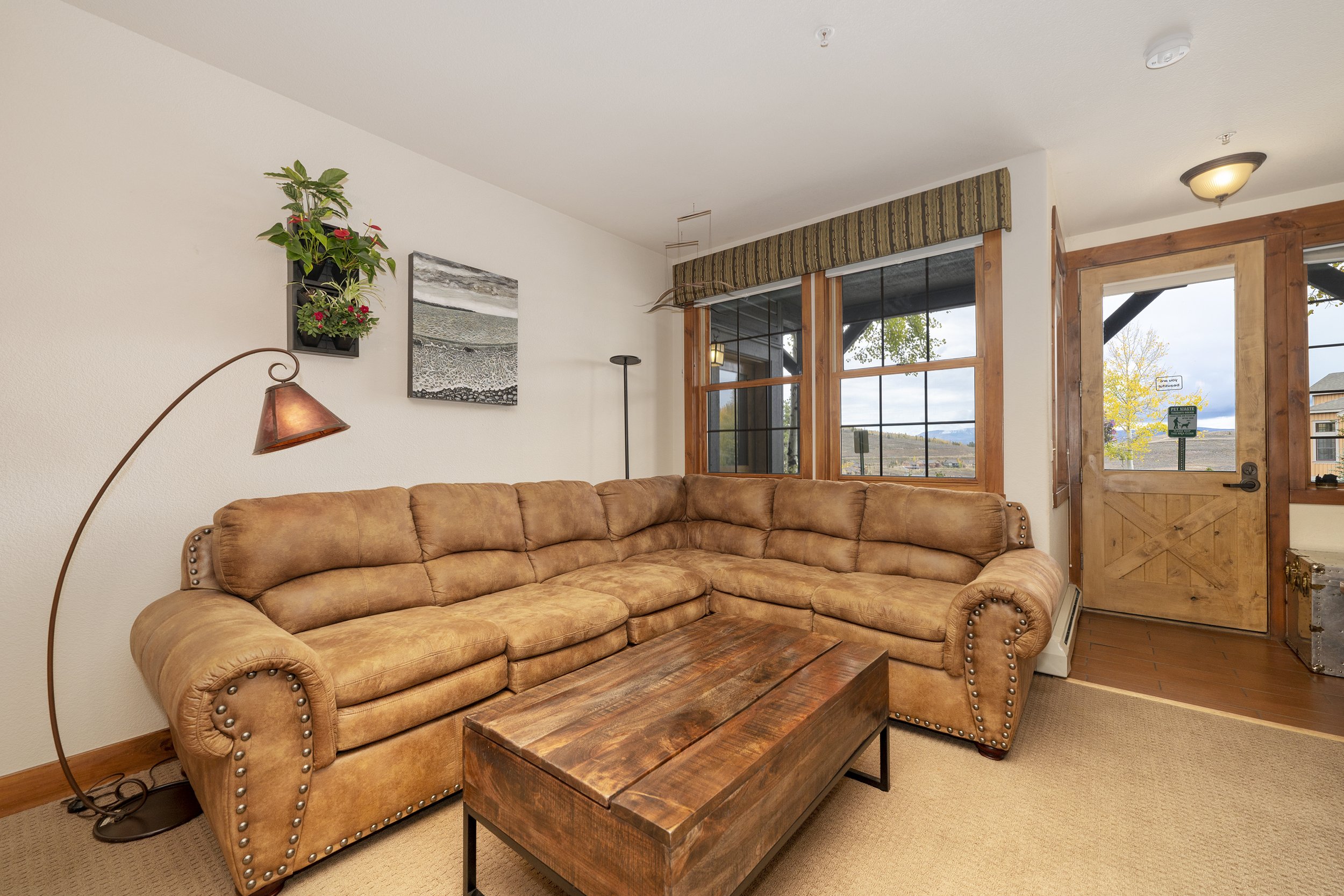
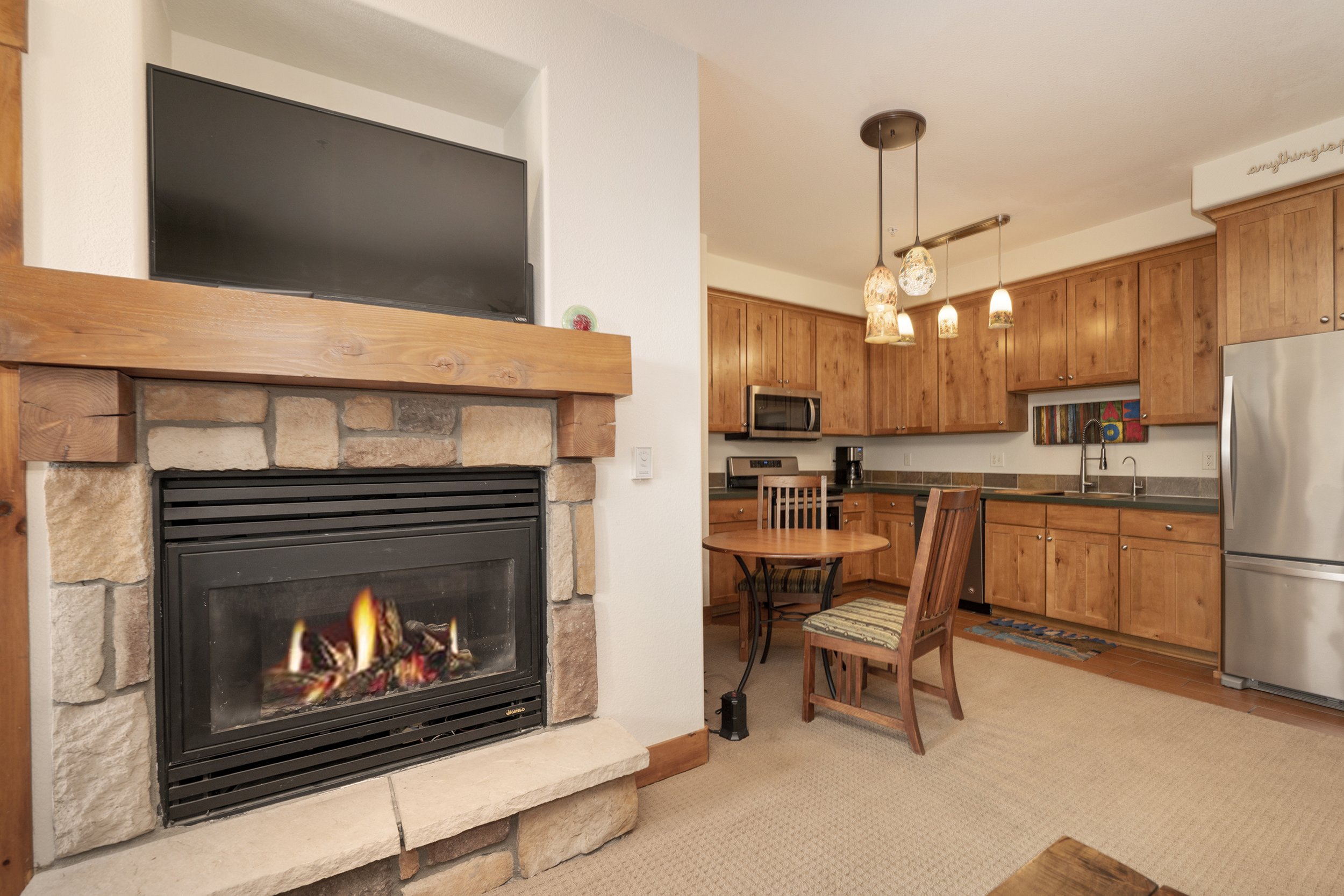
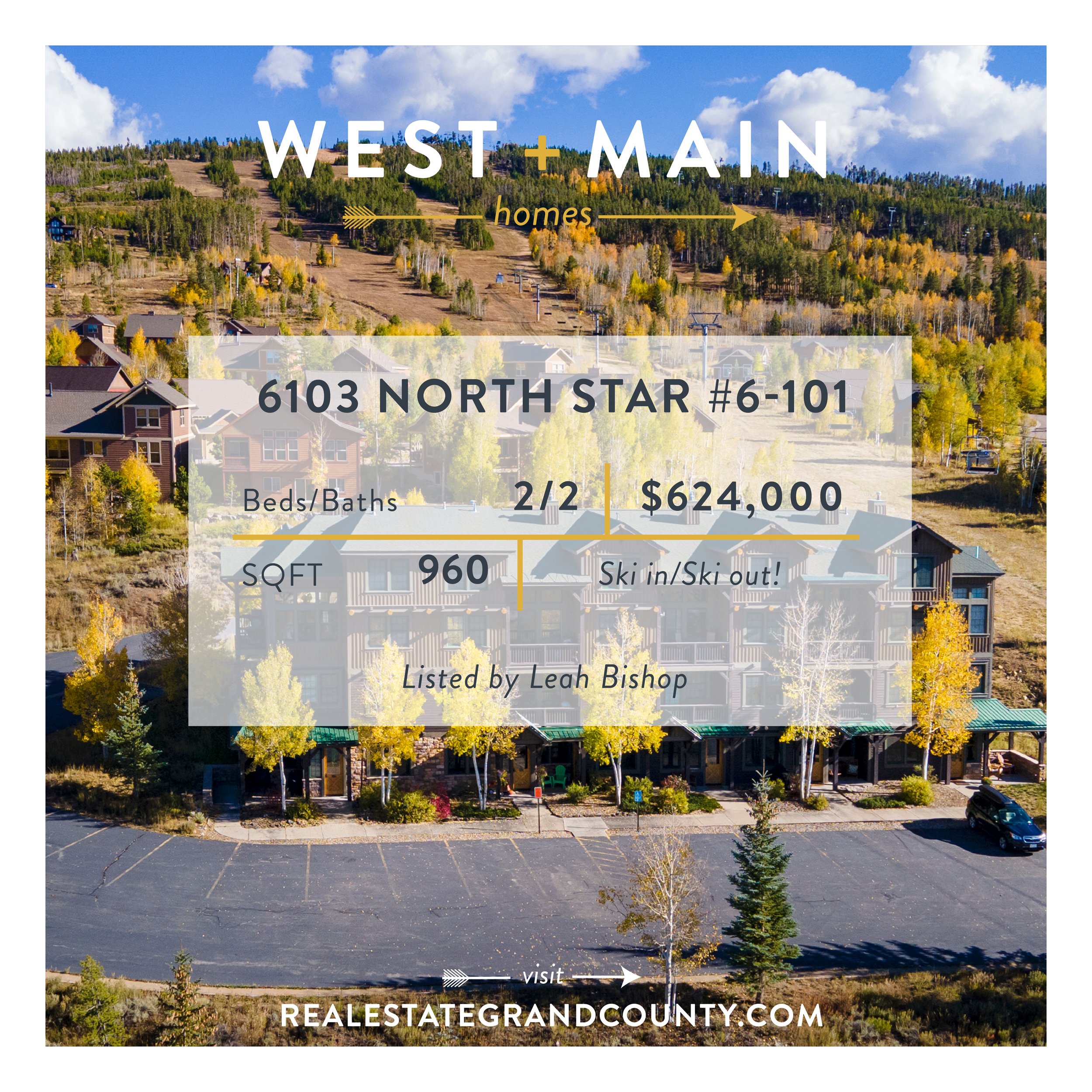
Just Listed: Ski in/Ski out condo in Granby Ranch- Kicking Horse


Welcome home to your Kicking Horse condo in the desirable Granby Ranch neighborhood!

Located in a ski-in/ski-out building, your next adventure is right out your door as you are 10 steps from the slopes for skiing, biking, hiking, and more! This ground floor unit provides easy access and comes with a covered garage + additional secure storage for all of your mountain toys. With two primary suites, this home is a house hacking dream, allowing you to rent out one side while living in the other, rent out both separately or enjoy both bedrooms. This incredible home features new black out blinds, a wireless thermostat, a cozy fireplace, and incredible views from every window. HOA includes outdoor pool, hot tub, work out facility, game room, two ski passes, golf and fishing access, internet, cable, w/s, building insurance, snow removal and landscaping. In addition, Kicking Horse has their own hot tub and BBQ areas specific to the building. You're going to LOVE living here!

Listed by Leah Bishop for West + Main Homes. Please contact Leah for current pricing + availability.


Have questions?
West + Main Homes
(720) 903-2912
hello@westandmainhomes.com

Presented by:
Leah Bishop
(970) 531-4723
leah@westandmainhomes.com


Search homes in Colorado
 

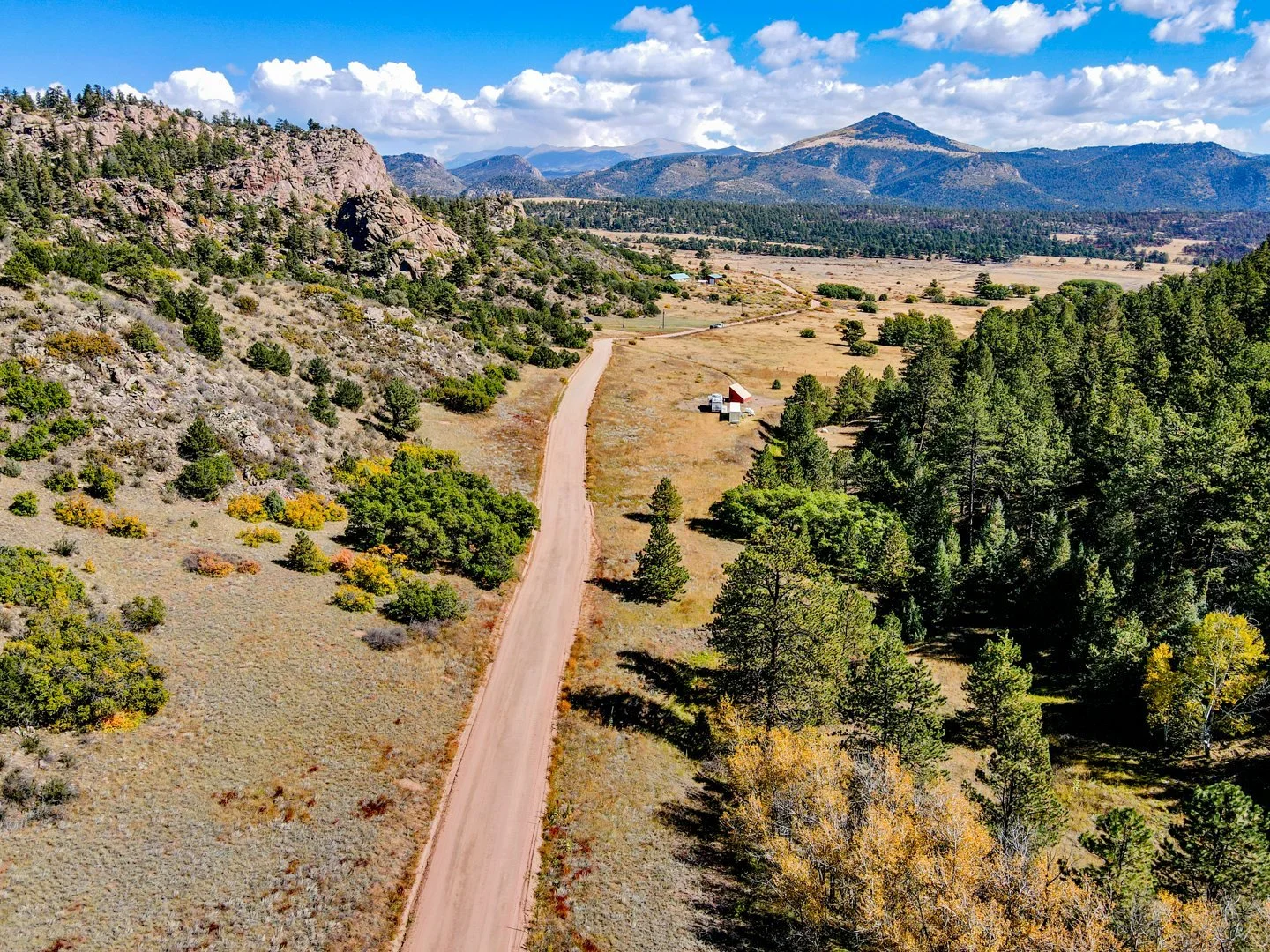
Just Listed: Views of Pike's Peak in Bear Trap Ranch


Welcome to your future mountain home or retreat with unobstructed views of Pike's Peak and Mount Pisgah!

After a short hike to the top of the mountain on your land, you have amazing 360 views including sweeping vistas of the Sangre De Cristo Mountains to the southwest. A new 500’, 700 gallon well with a 5gpm pump supplies the water for the land! The septic system has a 1,000 gal septic tank with a large leach field already installed. The 14'x20' shed built this year to house solar system equipment (roof is calibrated for maximum year-round Colorado solar generation) is ready for the hardware to make this property completely off-grid. The shed includes enough space for a number of uses. A 40' one tripper Conex will be staying with the property, providing plenty of storage for household items, outdoor toys, building supplies, etc. The 500 gallon propane tank can be moved closer to the area currently designated for the house. A 14'x27' RV pad (concrete rated to 4,000psi) is ready to go, but also has the potential to support a small building such as an oversized garage. The RV is excluded but can be sold separately if interested. The HOA allows hunting (must have CO Hunting License) and allows shooting on your own land, within safety standards that consider the neighbors. You have your very own shooting range if you desire! High speed, line of sight, unlimited streaming internet is available from a company with a tower on Mount Pisgah. With the outstanding views, the off-grid capacity this property offers, along with the unlimited internet streaming, this property is a prime location to enjoy the best of Colorado!

Listed by Krystyna Zatorski for West + Main Homes. Please contact Krystyna for current pricing + availability.


Have questions?
West + Main Homes
(720) 903-2912
hello@westandmainhomes.com

Presented by:
Krystyna Zatorski
720-822-1338
krystyna@westandmainhomes.com


Search homes in Colorado