What Is a Craftsman Bungalow? A Cute Home Once Sold by Catalog


Pictured: 4805 Perry St, currently listed by Mark + Sue with West + Main Homes


What is a Craftsman bungalow? These small homes, anchored by charming front porches, originated in colonial India (that’s the “bungalow” part).

But bungalows really took off in the United States after the style was adopted by the Arts and Crafts movement (that’s the “Craftsman” part), which added intricate woodwork and handcrafted details to the interior and exterior.

Think: focal-point fireplaces, charming dormers, coffered ceilings, exposed rafter tails, and open floor plans. At one point, the Craftsman became such an American classic, you could even build your own bungalow from a kit in a mail-order catalog. Just one more thing to love about these Craftsman cuties!

Origins of the bungalow home

The term “bungalow” dates to 18th century India. Bangla, or bangala, is the Hindi word meaning “of the province of Bengal,” and was also used to refer to small, one-story huts, typically with thatched roofs (but still quite comfortable for India at that time). The term came to be used to mean houses built for the British colonial authorities.

Today in the United States, the term “bungalow” has evolved to refer to a small home with a gabled roof, typically no more than one or one and a half stories, often with a veranda or roofed front porch.

Bungalows have spawned a variety of styles—Mission, Tudor, Prairie Pueblo, Chicago, Cape Cod, and even Victorian (a seemingly contradictory mashup), among others—but the Craftsman bungalow is arguably the most popular. Craftsman houses are found in neighborhoods throughout the United States today, having taken root in Southern California in the early 1900s. Bungalows are also particularly common in the Midwest.

History of the Craftsman bungalow

The term “Craftsman” comes from the name of a popular magazine published by the furniture designer Gustav Stickley from 1901 through 1916. Stickley was a leading proponent of the Arts and Crafts movement, which bucked the rise of industrial mass manufacturing by espousing the virtues of handcraft and simple, folksy design.

While Craftsman-style homes are often described as simple in design (compared to, say, Victorian-style homes), the details are not especially austere.

Bungalows, which could be built without an excess of materials or effort, suited the Arts and Crafts movement and were designed with the working class in mind. Craftsman homes are relatively small, easy to care for, have no wasted space, and are easily tailored to the owner’s preferences.

Stickley started selling Craftsman bungalow kits through his magazine for the low price of about $1,000 (which was cheap even for the early 1900s). From there, the popularity of Craftsman bungalows took off. Copycat Craftsman designs began to crop up from architects throughout the United States, with kits available in the Sears, Roebuck and Co. catalog, among other sources.

Key features of a Craftsman bungalow

No doubt about it—Craftsman style is iconic and often integrated into a variety of design schemes. Not sure if the small home you have an eye on is really a Craftsman home? Many homes include bungalow-style design elements but don’t quite fit the full Craftsman criteria. Here are some key features that will help you identify the real deal Craftsman-style bungalow.

  • Low-pitched, gabled roof (occasionally hipped), with wide, unenclosed eave overhang

  • Exposed roof rafters

  • Simplified decorative beams or braces under gables

  • One and a half stories

  • Horizontal shape

  • Porch with thick square or round columns

  • Porch supports usually squared and sometimes tapered

  • Porch support bases extending to ground level

  • Wood, stone, or stucco siding

  • Exterior stone chimney

  • Most of the living spaces on the ground floor

  • Living room at the center

  • Dominant fireplace

  • Connecting rooms without hallways

  • Built-in furniture and lighting

  • Numerous windows

  • Some windows with stained or leaded glass

  • Beamed ceilings

  • Dark wood wainscoting and moldings

All in all, Craftsman bungalows are intimate homes that, due to their small size, are still fairly affordable today. Here are more architectural styles of houses to consider.

Read more like this on Realtor.com

Related Links

If there is a home that you would like more information about, if you are considering selling a property, or if you have questions about the housing market in your neighborhood, please reach out. We’re here to help.

Search Homes in Colorado

Search Homes in Oklahoma

Search Homes in Oregon

Almost 80% believe it’s a bad time to buy property


Higher mortgage rates, home prices, and inflation to squeeze out prospective homebuyers: Fannie Mae

Consumers’ concerns about housing affordability are squeezing would-be homebuyers out of the market, according to Fannie Maes Home Purchasing Sentiment Index, which tracks the housing market and consumer confidence to sell or buy a home. The index score dropped by 0.3 points to 68.2 in May, inching toward its 10-year and pandemic-low of 63, recorded in April 2020. 

All six of the index’s components — which ask consumers to weigh in on whether it’s a good time to buy, sell, and in what direction mortgage rates will move — dropped 11.8 points from the same time last year. A survey-high of 79% of consumers believe it’s a bad time to buy a home. About 70% of survey respondents expect mortgage rates will continue climbing during the next 12 months. 

“Respondents’ pessimism regarding home buying conditions carried forward into May, with the percentage of respondents reporting ‘it’s a bad time to buy a home,’ hitting a new survey high,” said Doug Duncan, senior vice president and chief economist at Fannie Mae. “The share reporting that it’s ‘easy to get a mortgage’ also decreased across almost all segments.”

Purchase mortgage rates, after hitting a 13-year high of 5.27% in May, fell for three consecutive weeks. Rates last week averaged 5.09%, essentially flat from the prior week, but significantly higher than the 2.99% rate during the same period last year, according to Freddie Mac PMMS. 

The Federal Reserve raised the interest rate by a half percentage point on May 4 and repeatedly has signaled it will continue to raise rates this year and into 2023. The Fed’s interest rate does not directly affect mortgage rates, but higher interest rates steer market activity to create higher mortgage rates and reduce demand.

While fewer respondents than in previous surveys were worried about losing their jobs, more households expected their income to drop. About 81% of those surveyed in May said they weren’t concerned about job loss, fewer than the 84% the previous month. About 16% of respondents said their income was significantly lower in May than a year before, which was an increase from 14% of respondents in April. 

“These results suggest to us that increased mortgage rates, high home prices and inflation will likely continue to squeeze would-be homebuyers — as well as those potential sellers with lower, locked-in mortgage rates — out of the market, supporting our forecast that home sales will slow meaningfully through the rest of this year and into next.”

Fannie Mae’s Economic and Strategic Research (ESR) Group had forecast a slowdown in home sales for the second and third quarters of 2022, followed by a softening in construction activity and a noticeable deceleration in home price growth. 

While it expects the economy to have a modest recession in the second half of 2023, the agency said the constrained consumer spending power amid elevated inflation and a rapidly rising rate environment carries the risk of a contraction happening sooner. 

Keep reading on Housing Wire.

Related Links

If there is a home that you would like more information about, if you are considering selling a property, or if you have questions about the housing market in your neighborhood, please reach out. We’re here to help.

Search Homes in Colorado

Search Homes in Oklahoma

Search Homes in Oregon

Median home values haven’t fallen in Colorado, but list prices for a new house have


As average 30-year fixed mortgage rates continue to hover around 6%, there’s an expectation that prices of homes for sale will fall.

It’s only been 10 days since the Fed increased interest rates so it’s too soon to see the impact. 

Or is it?

So begins week two of What’s Working’s focus on housing (Missed the first issue? Check it out). There’s still job news below, so scroll down if local housing costs aren’t a concern. See below for … robot jobs!

On Monday, the average list price for a house for sale in Denver was $742,773. Three days later it dropped 2.9% to $721,517, according to multiple listing data provided by Opendoor. Meanwhile, during the same three days, the median closing price fell $26,000, or 4%, to $619,000.

But pay close attention homeowners: The $619,000 price tag in June is still 13.6% higher than median closing prices a year ago in June. And, added a spokesperson for Opendoor, “It’s important to note that the median price hasn’t changed.” 

Things are moving so quickly, said Nicole Bachaud, a senior economist at housing site Zillow. 

“We had this huge acceleration, this huge boost in spring of 2020 that continued into 2021 that was the strongest year for housing that we’ve really ever seen,” Bachaud said. “Now we’re coming to this period where things are going to cool down really fast as well. And that’s going to look like whiplash for a lot of buyers and sellers in the market.”

However, she added, “the markets are not going to crash, we’re not going to see this huge drop in home values across the board. But it’s gonna look very different than it did in December of 2021.”

And why is that? There’s still demand from consumers to buy a house. Also the number of new homes getting started has dropped off. “What we really need in order to curb this home-price growth is more homes,” she said. “And (would-be) sellers are feeling locked into their current interest rate. If you refinanced at 3%, selling and buying at a 6% rate doesn’t seem like such a good deal right now.”

Price cuts in for-sale houses have been happening for weeks, months and even years in Colorado, according to Zillow data. Even when sales were the strongest last year, there were still houses that cut their price for one reason or another, likely because they were asking too much. 

Zillow data for the Colorado Springs, Denver and Fort Collins markets do show that there’s been a sharp increase in the number of houses that cut the list price within the past month. The chart below shows that in early June, 9.17% of the homes for sale in Denver dropped their price in the past month, while 9.1% did in Colorado Springs and 3.37% did in Fort Collins.

Keep reading on Colorado Sun.

Related Links

If there is a home that you would like more information about, if you are considering selling a property, or if you have questions about the housing market in your neighborhood, please reach out. We’re here to help.

Search Homes in Colorado

As Featured in West + Main Home Magazine: Obsessed with Houseplants


“My first plant was a ginger bonsai that I got for my 13th birthday,” said Elliot. “Since then I have received plants as gifts, picked them up at farmer’s markets and boutiques, and I love every single one of them.”

-ELLIOT STAUB

16-year old Elliot’s bedroom is filled with gorgeous plants - from tiny succulents to trailing pothos and even a giant monstera - so we just had to know how her collection got started and her best advice for taking care of so many leafy friends!


KEEPING THE PLANTS THRIVING

Elliot uses Google Calendar to keep track of her plants and their watering schedules. “I also follow a lot of plant care accounts on Instagram and TikTok,” she shared.

“My string of dolphins plant has grown so much since I have gotten it, because of that it is probably my favorite, but it’s really hard to choose!”

KEYS TO SUCCESS FOR YOUR HOUSEPLANTS

It can be daunting keeping a space of plants alive and healthy, but follow some of these easy tips to keep your plants thriving.

1. Give them the right amount of light Depending on your plant, some thrive in lower light areas versus direct sunlight. (Aspidistra elatior) or snake plant (Sansevieria), don’t mind dim corners or interiors.Others — especially blooming plants — need bright windows or supplemental fluorescent or grow lights. Research your plants to figure out the best environment for them.

2. Don’t over-water  Most plants need a container with drainage holes, so water doesn’t stand around their roots and cause rotting. If you keep a saucer underneath your plants to catch drips, empty it after watering. Moisture indicator probes can be helpful for telling when your plants need attention.

3. Keep them clean If you see that your plant is accumulating dust, that is not a good sign. It can block your plant from getting the right amount of sunlight or nutrients. If you’ve got a large potted plant, wipe the leaves with a moist sponge or a dry dust cloth. Gently clean fuzzy-leaved plants, like African violets, with a soft paintbrush or toothbrush.

4. Groom when needed If you have flowering houseplants, keep the spent blooms picked to encourage more flowers. Take off dead or yellow leaves, too, and cut stems that have lost their leaves to the soil line.

5. Add Humidity If you see brown tips on the leaves of your plants, the air in your home or office is probably too dry for them. Add moisture by grouping plants together, or putting them on top of pebbles in trays or saucers filled with a little water. (Don’t let the pots touch the water so the roots don’t stay constantly wet.) You can also mist your plants or even add a humidifier.

Follow plant accounts we’re obsessed with!

  1. @PlantKween

  2. @Reagankastner

  3. @thereseplants

  4. @benji_plant


If there is a home that you would like more information about, if you are considering selling a property, or if you have questions about the housing market in your neighborhood, please reach out. We’re here to help.

Search Homes in Colorado

Search Homes in Oklahoma

Search Homes in Oregon

Just Listed: Custom Built Log Home in Conifer


Welcome home to mountain life!

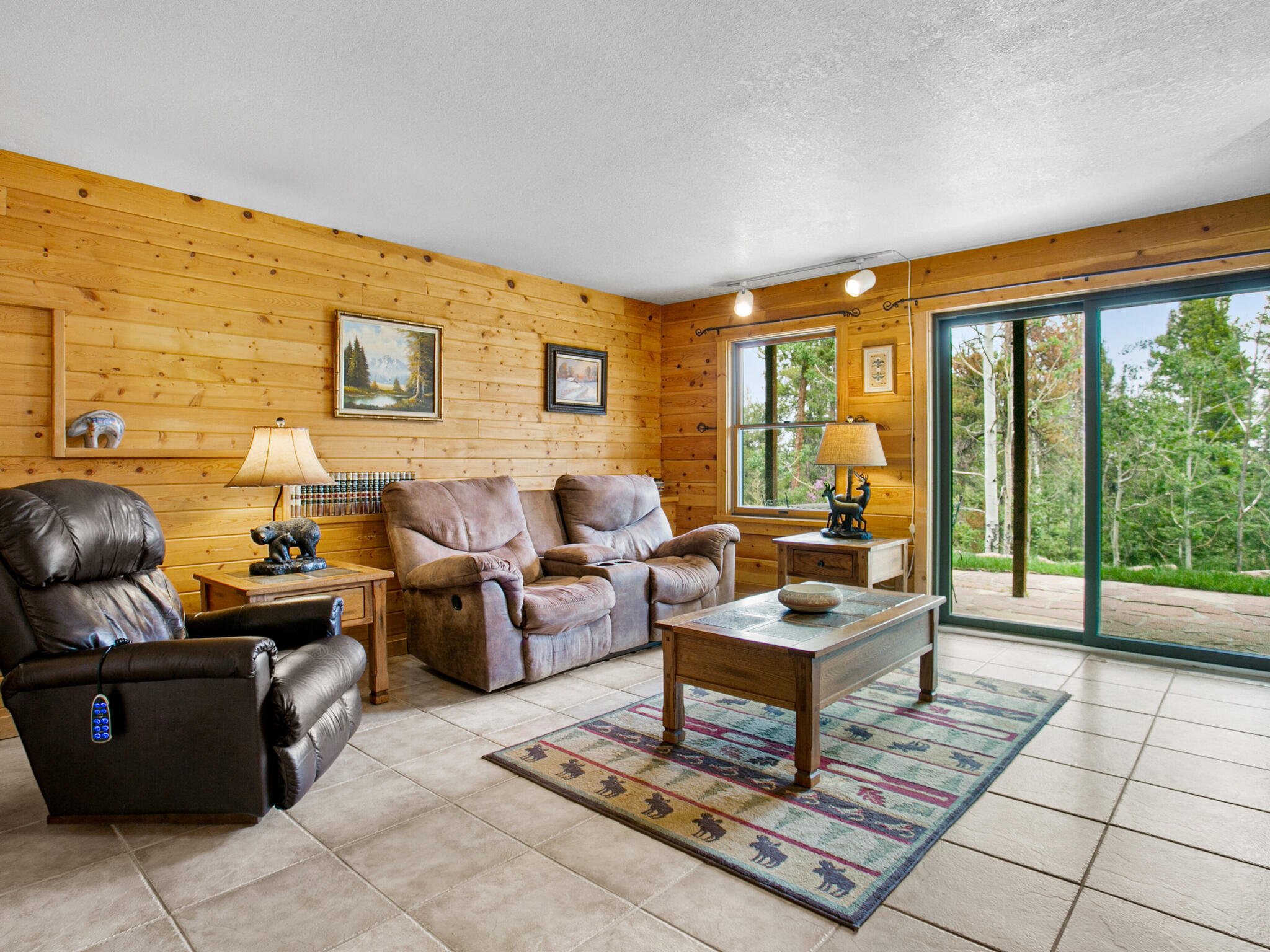
The love shows in every tiny detail of this custom log Evergreen Meadows home: the walls of windows, vaulted ceilings, handset stone fireplace, cozy radiant floors + dreamy open layout are perfect for a big party or a quiet night in. Guests can linger at the large kitchen island admiring the stone counters, natural gas chef's stove + pantry while you shake up cocktails at the open bar. Start the grand tour by showing off the main level secondary suite which is so rare in this area, then head upstairs to the open loft with fabulous views. Continue on to the spa-inspired primary suite which feels like a treehouse with stunning mountain views and the woods below. On the lower level, the spacious den leads out to the lower patio area, and there is plenty of space for guests to stay, with 3 more bedrooms, a full bath with antique clawfoot tub, laundry room + additional storage. Morning coffee on the walk-around deck is perfect for enjoying the wildlife that frequent your private 5 acres and 3 ponds. With a relaxing hot tub, oversized 2-car garage, large two story barn + shed, easy winter access, plenty of parking space, and a fenced area for the doggos...everything has been thoughtfully taken care of, leaving your time free to enjoy the miles of nearby trails + neighborhood amenities. You are going to LOVE living in Conifer!

Listed by Natasha Fry for West + Main Homes. Please contact Natasha for current pricing + availability.


Have questions?
West + Main Homes
(720) 903-2912
hello@westandmainhomes.com

Presented by:
Natasha Fry
(303) 845-2043
natasha@westandmainhomes.com


Search homes in Colorado