Vail Valley Real Estate Market Report from March 2022


Vail Valley Market Remains high.

Fewer available homes for sale have been decreasing the number of days on the market making real estate in the Vail Valley continue to be phenomenal. Sellers are quickly closing at mostly asking or over price and buyers are experiencing instant equity. With no whispers of a slow down, if you ever want to buy a home in the Valley, do it now. Cash programs are available to stay competitive in this market.


If there is a home that you would like more information about, if you are considering selling a property, or if you have questions about the housing market in your neighborhood, please reach out. We’re here to help.

Search Homes in Colorado

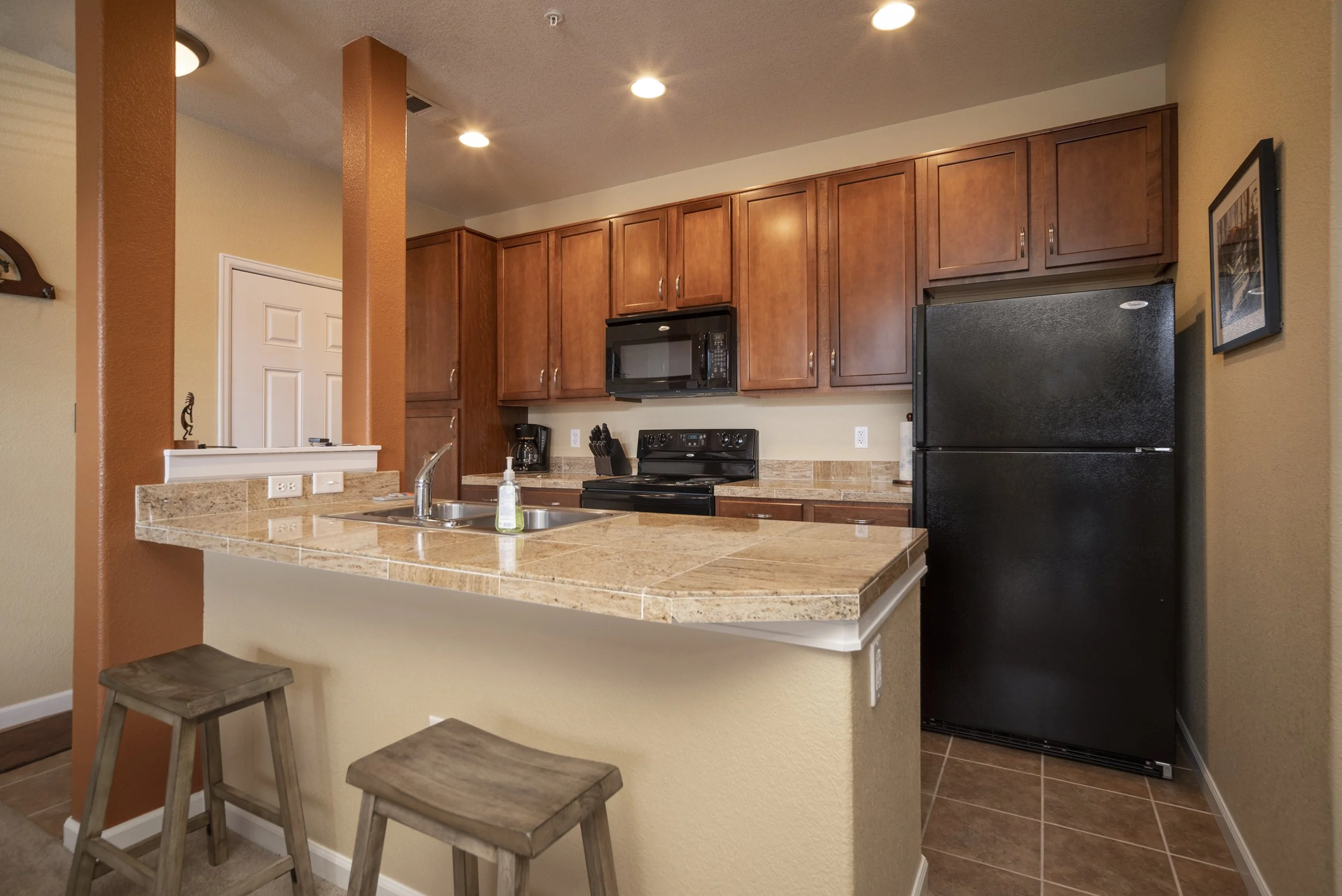
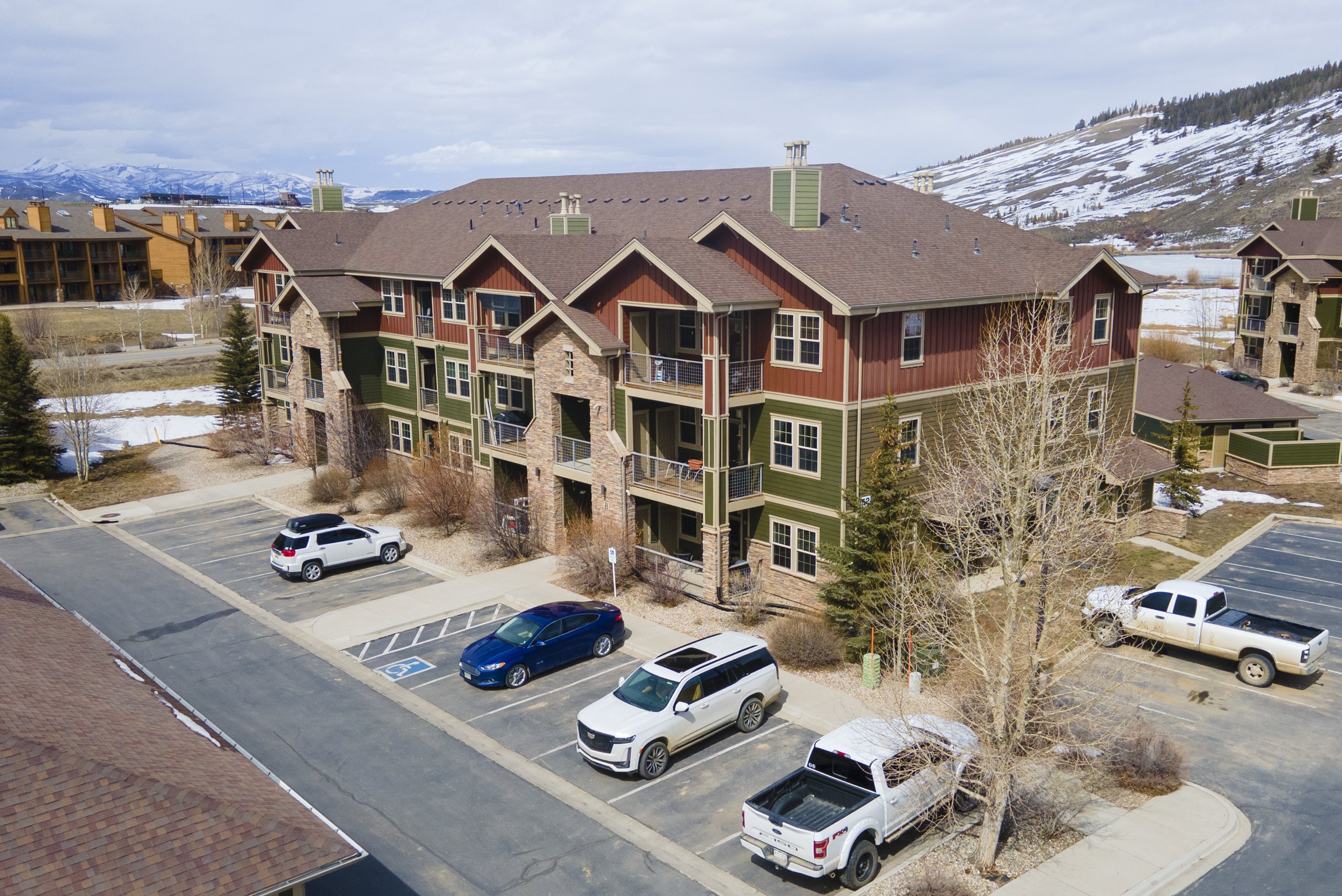
Just Listed: 1 Bedroom Condo at Aspen Meadows


Welcome home to your 1 bedroom condo at Aspen Meadows!

This floor plan + location makes this the perfect place to entertain, relax, and enjoy everything you love about living in Granby. Start the day in your cozy living room, and sip coffee by the fireplace while you watch the snow fall. Head over to your open concept kitchen, a great space to host après-ski with your guests seated at the peninsula. Your primary room features loads of  natural light, an oversized closet, and easy access to the large bathroom. With a washer/dryer in unit, a detached, private, covered garage, and additional storage closet, this home will check all of your boxes. Finish off the day on your south facing deck by relaxing + enjoying the stunning mountain views. This condo comes with a Granby Ranch membership that includes: ski season passes, golf passes, fishing and gym/pool clubhouse area. Located in the heart of Grand County with easy access to world class skiing, golfing, Rocky Mountain National Park, lakes, hiking, biking and more, your next adventure is never far. 

Listed by Leah Bishop for West + Main Homes. Please contact Leah for current pricing + availability.


Have questions?
West + Main Homes
(720) 903-2912
hello@westandmainhomes.com

Presented by:
Leah Bishop
(970) 531-4723
leah@westandmainhomes.com


Search homes in Colorado
 

Contingent vs. Under Contract: What Do All Those Real Estate Status Codes and Listing Terms Really Mean?


Contingent vs. under contract? Call it what you will—jargon, shorthand, lingo—but every industry, including the real estate world, has its own language, a collection of terms that are essential to understand if you hope to play ball.

And the real estate business is no different. In fact, there are probably more terms in the housing biz than just about anything short of neurosurgery. That’s why when you read a real estate listing, you may end up scratching your head over a whole bunch of puzzling terms. Allow us to clear things up, by explaining what these things really mean in plain old English.

Common real estate status codes and listing terms:

Active

This means that a property is currently on the market and available for sale. It may have received offers, but none have yet been accepted, which means that the opportunity is wide open for you to make a proposal.

Closed (CL)

The property is sold and no longer available.

Active with contract (AWC)

This means that even though there’s an accepted offer on the home, the seller is looking for backup offers in case the primary buyer falls through. While any seller can entertain backup offers as a precautionary measure as long as this is made clear in the contract, this term most often crops up with short sales, since they can often fall through, and it can be helpful if a second buyer is waiting in the wings.

Under contract (UC)

The seller has an agreed-upon contract with the potential buyer. That doesn’t mean that it’s a done deal by any means, however (more on that next).

Contingent vs. under contract

contingent status means that the seller has accepted an offer and the home is under contract.

But the sale is subject to, or conditioned upon, certain criteria being met by the buyer and/or seller before the deal can close. Examples of contingencies are home inspections, attorney review, the buyer’s financing, appraisal, and title search, among other reasons.

These contingencies fall away as tasks are completed, says Melanie Atkinson, a Realtor® with Coldwell Banker Residential Real Estate in Tampa, FL. Sometimes a property will continue to be shown when it is contingent, and the seller may entertain a backup offer. So if the home in question is your dream home, it may be worth offering up a deal that the seller can’t refuse.

Deal pending (DP)

This means the seller has an accepted offer and an executed contract, and all the contingencies have been met, so the home is pending sale. This is the escrow period, when both buyer and seller are working toward a closing. The status will show as pending until the closing. Even though a sale is highly likely, some pending properties may still accept backups. If your offer is accepted as a backup, you’re in line to go under contract if the first sale falls through.

Pending, showing for backup

This means the property’s owners are actively taking backup offers in case the first one falls through.

Pending, subject to lender approval

The seller has an accepted offer but is waiting to see if the buyer’s bank will agree to it, says Realtor Dawn Rivera with Realty World-Viking Realty in Fremont, CA. If not, it could end up back on the market, so go ahead and inquire if you’re interested.

Back on market (BOM)

A property that has come back on the market after a pending sale. This means that the home fell out of escrow, perhaps due to contract issues, says Tania Matthews, an agent with Keller Williams Classic III Realty in Central Florida.

Expired

The property listing with the agent has expired and is no longer active, usually because it didn’t sell, says Matthews. That could mean the seller is still open to accepting an offer, so it’s worth touching base if your curiosity is piqued.

Temporarily off the market (TOM)

The owner has removed the property from the listings for an undetermined period, usually because work is being done on the house or because the home cannot be shown. It should return to active soon enough, so it’s certainly worth piping up if you’re smitten.

Withdrawn

A property was withdrawn from the realty market. This might be for a variety of reasons: The sellers may have decided they want to stay put, or they may just not have received any offers they liked. So if you adore what you see in the listing, it certainly can’t hurt to inquire.

Learn more on Realtor.com

Related Links

If there is a home that you would like more information about, if you are considering selling a property, or if you have questions about the housing market in your neighborhood, please reach out. We’re here to help.

Search Homes in Colorado

Search Homes in Oklahoma

Search Homes in Oregon

Metros Where People Pay the Lowest, Highest Property Taxes


With the federal income tax filing deadline quickly approaching, taxes are on many people’s minds. So LendingTree wanted to mark the occasion by looking at a tax all too familiar to homeowners: property taxes.

How much you pay in property taxes — which are often called real estate taxes interchangeably — varies significantly and can be influenced based on the home’s worth and location, among other things.

To illustrate the variances in people’s property taxes, LendingTree looked at the median amount paid annually in each of the nation’s 50 largest metropolitan areas.

In doing so, we found that homeowners in some metros can expect to shell out thousands of dollars more a year in property taxes than homeowners in other parts of the country.

Key findings

  • Property taxes can vary significantly across the nation’s 50 largest metros. For example, annual median property taxes in Birmingham, Ala. — where homeowners pay the least in real estate taxes — are about $7,700 cheaper than in the New York metro area, where they’re the highest.

  • Birmingham, Ala., is the only metro where median property taxes are less than $1,000 a year. The median amount of property taxes paid by homeowners in Birmingham is only $909. For comparison, residents in the next two metros with the lowest median real estate taxes — New Orleans and Louisville, Ky. — owe $1,345 and $1,563 a year, respectively.

  • New York, San Jose, Calif., and San Francisco are the metros where homeowners pay the most in property taxes. Unsurprisingly, residents in these metros known for their expensive real estate shell out a lot of money in property taxes each year. The median amount paid is $8,602 in New York, $7,471 in San Jose and $6,508 in San Francisco.

  • Median property taxes on homes without a mortgage are 18% less expensive, on average, than on homes with mortgages. There are various reasons for this, ranging from home values tending to be less expensive on homes without a mortgage to some states having tax exemptions or reductions for older homeowners who may be more likely to own their home outright. Salt Lake City and Seattle — the two metros where median property taxes are slightly higher for homes without a mortgage — illustrate there are exceptions.

Metros with the lowest property taxes

No. 1: Birmingham, Ala.

  • Median property taxes paid — all homes: $909

  • Median property taxes paid — homes with a mortgage: $976

  • Median property taxes paid — homes without a mortgage: $753

No. 2: New Orleans

  • Median property taxes paid — all homes: $1,345

  • Median property taxes paid — homes with a mortgage: $1,494

  • Median property taxes paid — homes without a mortgage: $1,101

No. 3: Louisville, Ky.

  • Median property taxes paid — all homes: $1,563

  • Median property taxes paid — homes with a mortgage: $1,650

  • Median property taxes paid — homes without a mortgage: $1,413

Metros with the highest property taxes

No. 1: New York

  • Median property taxes paid — all homes: $8,602

  • Median property taxes paid — homes with a mortgage: $8,819

  • Median property taxes paid — homes without a mortgage: $8,180

No. 2: San Jose, Calif.

  • Median property taxes paid — all homes: $7,471

  • Median property taxes paid — homes with a mortgage: $8,559

  • Median property taxes paid — homes without a mortgage: $4,838

No. 3: San Francisco

  • Median property taxes paid — all homes: $6,508

  • Median property taxes paid — homes with a mortgage: $7,267

  • Median property taxes paid — homes without a mortgage: $4,384

Tax tips for homeowners

Though you can potentially deduct various home-related costs on your federal tax return — such as property taxes and mortgage interest — you’ll need to decide whether you want to itemize to take advantage.

While itemizing your deductions can make the tax-filing process more time-consuming, tax tips can help homeowners save money and determine if itemization is right.

  • To make itemizing a tax return worth it, a person’s deductible expenses must be higher than their standard deduction. For the 2021 tax year (that is, taxes to be filed in 2022), the standard deduction amount is $12,550 for single taxpayers and married taxpayers filing separately, $18,800 for heads of households and $25,100 for married taxpayers filing jointly.

  • There are limits to how much people can deduct for home-related expenses. The total amount that can be deducted for all state and local taxes, including property taxes, is $10,000 — or $5,000 for married taxpayers filing separately.

  • While easing the tax burden can help some people struggling to pay housing costs, there are often better ways to manage those kinds of expenses. Ultimately, people who feel home costs chronically overburden them may be better off looking at alternative ways of easing their burden rather than relying on tax breaks on their returns. For example, refinancing your mortgage could help you lower your monthly housing payments depending on the rate you can get.

Keep reading on Lending Tree.

Related Links

If there is a home that you would like more information about, if you are considering selling a property, or if you have questions about the housing market in your neighborhood, please reach out. We’re here to help.

Search Homes in Colorado

Search Homes in Oklahoma

Search Homes in Oregon

9 Things Master Gardeners Wouldn’t Do in Their Gardens


The Family Handyman asked master gardeners for advice to help the rest of us garden like the pros. Here are the top mistakes they see and how to avoid them.

Gardening is a forgiving hobby. If you forget to water once, plants will usually bounce back after their next good soak. But there are a few bad habits that can hold a garden back.

We asked two master gardeners to share some of the most common mistakes they see in the garden and how to fix them. Here are the things that master gardeners wouldn’t do in their own gardens — things you should avoid, too.

Not Testing Soil

Charlotte Ekker Wiggins, a University of Missouri Extension master gardener emeritus and award-winning author, opens with this classic newbie mistake: “Trying to garden without knowing what kind of soil they have.” Soil makes all the difference when choosing plants, fertilizers and amendments.

A simple, inexpensive soil test solves this problem. DIY home soil test kits are one option. However, Ekker Wiggins recommends contacting university extension offices, which “offer easy soil sample testing for $15-20 a test including recommendations of how to amend soil for the desired crops.”

Buying or Planting Too Much

Buying too many plants or seeds, or planting them too close together, is another common garden mistake. Not only can it lead to an unruly, unattractive garden, but Ekker Wiggins says “planting plants without room around them to grow can overtax the soil of nutrients resulting in less than healthy plants.”

Check the spacing before sowing seeds and be sure you’re not planting them too closely. You can save leftover seeds, but they do expire eventually, so be sure to use them next season.

When dealing with perennials, it can be tempting to plant them so they look full and lush now. However, when they reach their mature size, they’ll look overcrowded.

Instead, follow this advice from Haeley Giambalvo, a certified Texas Master Naturalist, member of the Texas Native Plant Society and owner of Native Backyards: “Spacing correctly from the get-go can save a lot of time and headache down the road by avoiding having to reposition or remove plants that have overgrown their space.”

Over-Fertilizing

Most plants don’t need to be fertilized as often as you might think. Garden fertilizers can even be detrimental to some plants, causing them to become leggy or to produce less fruit.

Ekker Wiggins cautions against over-fertilizing hanging baskets in particular. “It’s best to water hanging baskets with half to a fourth of the recommended fertilizer dose so the plants don’t expand roots, grow excessive foliage and have few blooms,” she says. She recommends slow-release granular fertilizers for beginner gardeners.

Mulching Too Close to Tree Trunks

Mulching around trees helps them retain moisture and weather the winter, but mulching incorrectly can do more harm than good. The wrong way, according to Ekker Wiggins: “Adding mulch up to tree trunks instead of leaving space between the trunk and the mulch.”

When mulching around your trees, leave three to five inches between the mulch and the tree.

Not Composting

We’ve already discussed the importance of testing and amending your soil, and compost is one of the best organic soil amendments. The best part? You can make it yourself for free!

Master gardeners know the power of compost and take full advantage of its nutritional power. Learning how to compost will take a garden to the next level, and it’s good for the environment, too. “Approximately 40 percent of all food in the U.S. is tossed out,” Ekker Wiggins says. “Put it to good use restoring the soil that grows our food.”

Planting Against Hardiness Zone

It’s possible to successfully grow plants from other climates. That’s actually the case for many annual flowers. However, it’s disappointing to plant what you think is a perennial just to find out it isn’t compatible with your USDA Plant Hardiness Zone.

“It can be tempting to buy one of every pretty flower you see in full bloom at the nursery,” says Giambalvo. “Many nursery flowers are native to other parts of the globe and require special care and babying to thrive in your climate. For that reason, I recommend new gardeners choose plants that are native to their local area.”

Watering Too Much, Too Little or at the Wrong Time

Watering too often is a common garden mistake that master gardeners see inside and outside. It can cause root rot and other plant diseases.

Research how much moisture each plant needs and water accordingly. Some like to dry out completely between waterings, while others like more consistently damp soil. Most houseplants do not need to be watered every day, and some don’t even need to be watered every week.

Underwatering plants is another issue master gardeners see a lot. Young outdoor plants in particular need regular watering. “Planting native plants does not mean they don’t need water,” Ekker Wiggins says. “Native plant seedlings need to be regularly watered until their roots get established.”

Giambalvo adds: “Even the hardiest of plants need time to adjust to their new location once they’ve been transplanted.” Give them plenty of water at first, then taper off as their roots develop.

Planting Without Considering Sunlight

When designing your garden or landscaping, consider more than aesthetics. A plant that would look fabulous in your sunny side yard might wither and die from too much direct light. Conversely, not all flowers are made to brighten up the shady corner under a tree.

Before you start planning which plants to buy, Giambalvo recommends monitoring your planting area and making note of the hours of direct sunlight it gets throughout the day. Research plants that will fit your chosen area’s light conditions, and always check the label before impulse buys at the nursery.

Full sun plants thrive in an area that gets six or more hours of direct sun a day, while shade plants want less than four hours of direct sun a day,” Giambalvo says.

Weeding Completely by Hand

Once a garden is planted, weeding becomes an endless chore. Doing all that work by hand is a mistake master gardeners don’t make. With the right prep work, you can prevent a lot of the weeds from growing in the first place.

“I like to create a weed barrier by lining a garden bed with flattened cardboard boxes and then covering with a few inches of wood mulch,” Giambalvo says. Keeping plants and soil healthy will also help get rid of weeds in the garden.

Read more on Apple News.

Related Links

If there is a home that you would like more information about, if you are considering selling a property, or if you have questions about the housing market in your neighborhood, please reach out. We’re here to help.

Search Homes in Colorado

Search Homes in Oklahoma

Search Homes in Oregon