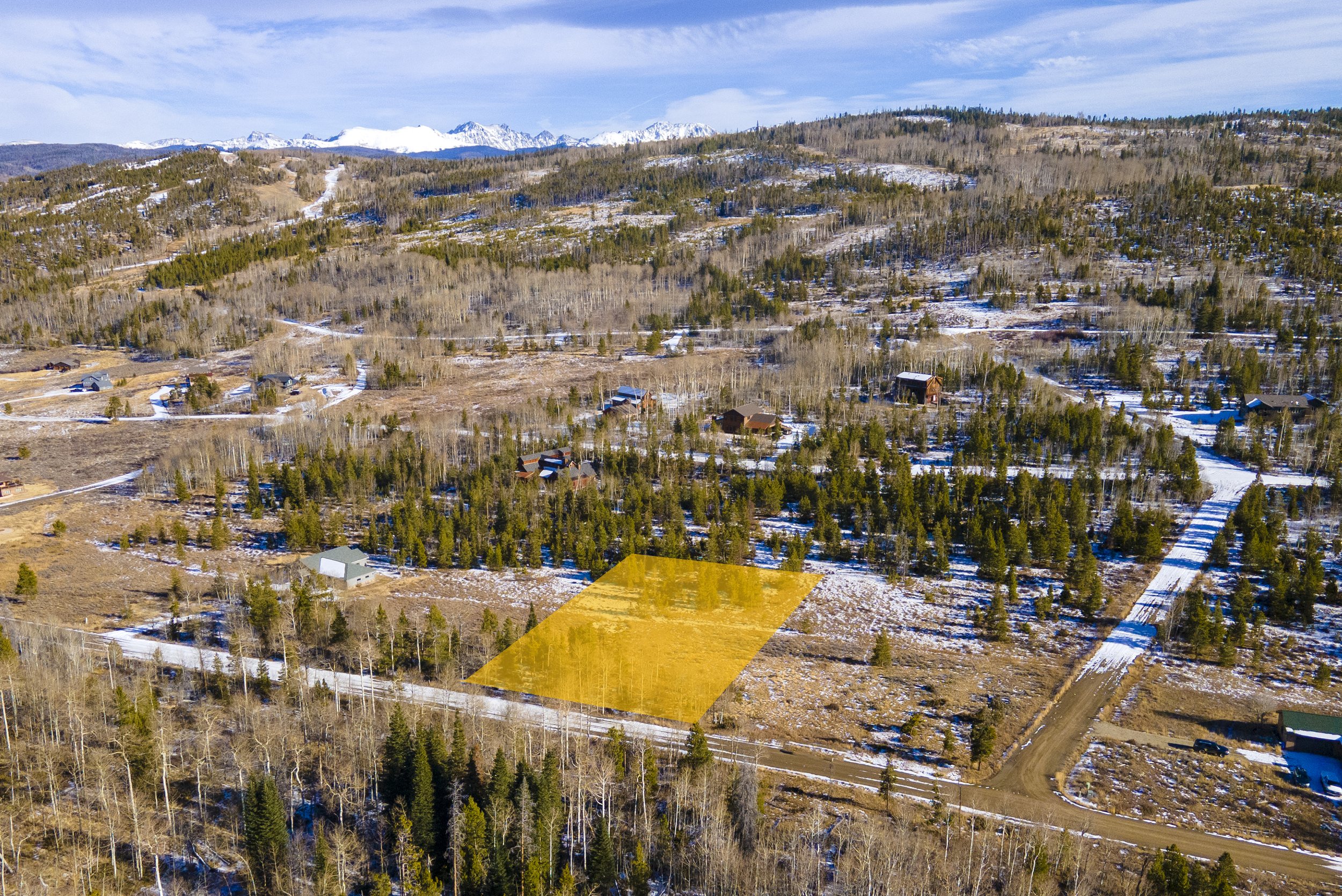
Just Listed: Vacant Lot in Granby's Val Moritz Village


Tucked away in desirable Val Moritz Village this lot offers mountain views, plenty of sunshine, and some surrounding trees for privacy.

Val Moritz Village is centrally located for easy access to mountain recreation. Near Granby Ranch, with bike/ski/hike the trails adjacent to the neighborhood, and 4 nearby golf courses. Just a short drive and you can be at Winter Park Resort, Grand Lake, or Rocky Mountain National Park. Build your mountain home here to take advantage of all Grand County has to offer!

Listed by Angela Sandstrom for West + Main Homes. Please contact Angela for current pricing + availability.


Have questions?
West + Main Homes
(303) 935-8787
hello@westandmainhomes.com

Presented by:
Angela Sandstrom
(970) 531-0418
angela@westandmainhomes.com


Search homes in Colorado
 

12 DIY Christmas Tree and Wreath Projects to Try This Year

’Tis the season to attempt a new DIY tradition

From homemade cookies to handcrafted ornaments, there’s something special about the holidays that calls for an oh-so-good DIY project. So why not give a DIY Christmas tree or wreath a whirl? Sure, you can go out and purchase an evergreen bough ready-made in the shape of a holiday wreath, or you can spruce up your living room with a pre-decorated Christmas tree. No judgement (many of us do the same)! But there’s something to be said about wreaths and Christmas trees made and adorned at home: They just seem a bit more meaningful.

Thus, we’ve assembled a list of festive DIY Christmas tree and wreath projects that are fun to make and easy on the eyes. In fact, many of these can even be displayed throughout the season, offering up a touch of color and cheer to every wintertime abode. The best part? You can start a new holiday tradition by making these projects with your friends and family.

Get creative

The inspiration behind this inventive Christmas tree is the family cat. Try a hanging tree display, which won’t be ruined by feline mischief on Christmas morning.

Keep it geometric

Sometimes less is more. For those who prefer a minimalist vibe, this gold-tone wire frame wreath with a simple sprig of greenery will do the trick. The project takes only 30 minutes to complete, but packs quite the design punch.

Think tinsel

tinsel wreath shaped like a star works as a brilliant statement piece. Plus, you can personalize your project with Polaroids of friends and family for a modern take on the classic Christmas motif.

Go for gold

What better tribute to your exotic houseplant collection than a gold paper fern wreath? Besides complementing your plants, this piece makes a nice addition to your decor with timeless colors like silver and gold.

Play with paper

Turns out you can origami just about anything. Choose colors that fit your holiday palette, add a string for a unique Christmas tree ornament, or pop these petite beauties along your mantel for a fresh holiday look that will last into the new year and beyond.

Remember the classics

What could be more endearing than tiny Christmas villages? Modernize the idea of holiday miniatures with a terrarium filled with mini-bottle brush trees and small deer figurines.

Choose color

These colorful Christmas trees feel like something out of Whoville. Select wood boards with interesting graining (and cover them with a single coat of paint) to give your trees a feeling of texture as well as color.

Freshen up with felt

Is a rustic woodland more your jam? With this DIY you can get the wintery woods of your dreams with a combination of materials like felt and real wood trimmings.

Bring on the snow

Snow-kissed wreaths are a great accent in holiday decor, especially if you’re going for a cozy lodge or cabin look. The velvet ribbon offers some visual interest when combined with the evergreen’s fusion of textures.

Channel Alpine traditions

The merry bells in this wreath recall an old-world charm and sensibility. Opt for silver bells, like the classic Christmas tune, if you want to go all the way in evoking retro-inspired holiday nostalgia.

Think outside the box

This plywood DIY can be as sentimental as you want it to be. Select a few holiday cards (perhaps those from loved ones no longer with us) and your favorite color yarn to make this creative and sweet display.

Attach some character

Step aside, Rudolph the Red Nose Reindeer. There’s a new Claymation-inspired cutie in town. These small trees offer a delightful kitsch twist on yuletide traditions.

Subscribe to Architecture Digest’s AD It Yourself Newsletter!


Related Links

If there is a home that you would like more information about, if you are considering selling a property, or if you have questions about the housing market in your neighborhood, please reach out. We’re here to help.

Colorado's ski train to Winter Park returns for 2022 season


One of the most quintessential Colorado experiences is back on track this winter.

Driving the news: The ski train from Denver's Union Station to Winter Park Resort will return in January, Amtrak announced Tuesday, and tickets are now on sale.

  • The Winter Park Express service will run every Friday, Saturday and Sunday, starting Jan. 14 and ending April 3.

  • One-way fares start at $29 and run as high as $59. There's no extra cost for ski and snowboard equipment.

Flashback: The train didn't run in 2021 because social distancing restrictions made it not feasible.

What to know: The double-decker Superliner train departs Denver at 7am and arrives at the resort at 9pm.

  • It leaves Winter Park at 4:30pm and stops back in the city at 6:40pm.

Be smart: The arrival time doesn't make it easy to chase pow, but that's not the point.

  • Ride the train for the 31 tunnels, including the 6.2-mile Moffat Tunnel under the Continental Divide

  • Get a ticket for the Sightseer car for floor-to-ceiling views.

Read more on Axios!

Related Links

If there is a home that you would like more information about, if you are considering selling a property, or if you have questions about the housing market in your neighborhood, please reach out. We’re here to help.

Search Homes in Colorado

How Long Does It Take to Build a House?


How long does it take to build a house? It’s a question often posed by people looking to buy an idyllic piece of land so they can construct their dream home from the ground up. If this describes your current housing situation, you’ve come to the right place.

So before you invest in that spacious lot with stunning views and mature trees, it’s wise to consider the time it’ll actually take to build the place you’ll be living in—especially considering supply chain issues and overall construction delays caused by the COVID-19 pandemic, which are expected to last through 2022.

How long does it take to build a house?

In a perfect world, depending on the site and zoning classification, it typically takes from three to six months to build a house. However, given the current state of supply chain slow-downs, labor shortages, and increased building demand, it’s more realistic to factor in a few months of delay.

The U.S. Census Bureau’s most recent 2020 data from the Survey of Construction estimates approximately 6.8 months as the average length of time from start to completion of new privately owned residential buildings. That number rises to nearly 12 months for owner-built houses, and falls to just under 6 months for build-for-sale homes.

Depending on U.S. location, the average build times increase and decrease. For instance, houses in the northeast are averaging 10.7 months, while construction in the south is at about 5.9 months.

No matter your location, the key to any successful new home building project is having approved house building permits, a process that can take a long time in some areas. So plan ahead. The biggest obstacles to obtaining a new home permit are poor due diligence, neighbors who oppose construction, and a backlog at the building department.

Main factors that affect how long to build a house

“Location and what I call environmental conditions can slow down or speed up a build greatly,” says Bill Green, president of W.R. Green Construction, a custom builder in Connecticut and Colorado.

What kind of environmental conditions? Factors such as soil type and site topography. For example, to construct a house with a slab on a level site with stable draining soil conditions is likely to take half the time it would take to construct the same house on a hilly lot. Building in a coastal earthquake or mudslide zone, or in a fire hazard zone, will also prolong the construction process.

Another major factor to consider in estimating the length of the process is how skilled the contractor is. An experienced new home builder will typically take less time to complete your new home.

Choose a contractor with a good reputation among the local municipality and real estate community. When issues arise, they’ll get taken care of quickly, says John Kuroda, manager at Sleight Farm, a subdivision of new-construction houses in LaGrange, NY.

What can increase the average time to build a house?

The overall time of a build usually depends on labor, supply chain issues, and weather conditions. Construction can easily be delayed by labor shortages, construction supply and building material hold-ups, and shifts in temperature or too much precipitation.

Other factors that can cause a delay? “The owners,” says Todd Whalen, owner and CEO of Eclipse Building Corp. Yes, that’s you!

If you delay in selecting finishes or decide to add change orders to your new home during construction, you can significantly prolong your construction time. As much as possible, stick with your home design—don’t tell your builder after the drywall is installed that you want the kitchen on the other side of the house, or a different floor plan altogether.

Real estate markets experiencing a building boom may also face a shortage of laborers and subcontractors—another thing that can lengthen the overall building time.

How to shorten the average time to build a house

Planning is far and away the most important way to shorten the building time frame, according to Green.

All the components of building a new house are interrelated, so if you plan the build, you can reduce the chance of delays and mistakes.

For instance, the thickness of the tile you select for a bathroom will determine the exact location of pipes that your builder must have in place before building your foundation.

Make sure you understand the lead time on products such as windows and doors in order to have them on the building site when they are needed.

During construction, an extra few weeks waiting for something can delay your timeline. Having all the different work crews—electricians, plumbers, HVAC specialists, etc.—working as promptly as possible in the building process helps speed everything up, too.

You should hold the builder accountable, by including a penalty in your contract if the builder misses the agreed-upon completion date, says Jesse Fowler, president of Tellus Build.

Being active and staying on top of things throughout the building process—such as scheduling weekly site walks to check on progress—can help keep everything on track.

Read more Realtor.com

Related Links

If there is a home that you would like more information about, if you are considering selling a property, or if you have questions about the housing market in your neighborhood, please reach out. We’re here to help.

Search Homes in Colorado

Search Homes in Oklahoma

Search Homes in Oregon

Can an LLC Buy a House? What to Know About Buying a House Under an LLC


If you own your own business, chances are you have a limited liability company (LLC) or, at the very least, you know what that is.

Business owners may choose to buy a home using an LLC or under their own name. Buying a home under an LLC is beneficial for two main reasons:

Reason No. 1: Homeowners can maintain some privacy because the LLC is listed as the property owner

For buyers who don’t want nosy people to be able to locate their addresses in public records, buying a home under an LLC is the preferred way to acquire property.

Many buyers of high-end properties prefer using an LLC, because all property transfers are recorded and available to anyone who wants to look up information on an address. An LLC prevents a buyer’s name from entering the public record.

Reason No. 2: Owners have more protection in the event of a lawsuit

If you own your residence in your name (as most people do), someone who’s injured on your property can sue you directly.

While homeowner’s insurance (and umbrella insurance if you have it) will cover the payments on a successful lawsuit up to a certain point, your other assets––including your savings, investments, and home equity––could be garnished to pay the rest of the damages.

However, if you own your home in an LLC, then the lawsuit can only name the LLC, and the only assets that can be used to pay off the suit are those assets held in the LLC (which usually would just be your home.)

In addition, investors commonly use an LLC to purchase properties they intend to rent to tenants because of the liability protection offered by the structure. When you own your property as an LLC you pay your property taxes through the LLC and can even funnel other costs of homeownership through the LLC.

Keep in mind that establishing an LLC will impact your property taxes and future capital gains taxes. The impact varies from state to state, but in most states you’ll need to pay an annual-report filing fee in addition to your property taxes. You’ll also need to pay legal fees to set up an LLC,  which can be expensive depending on the structure of your LLC.

If you’re considering buying a home with an LLC, it’s important to consult an attorney and a tax advisor with experience in your state. You need expert advice to understand the implications of buying property under this type of ownership.

Potential cons of buying a house under an LLC

If you’re sold on the idea of buying a house under an LLC, it’s important to first examine some of the potential downfalls of this strategy. One of the biggest surrounds the difficulty of securing financing. Not to mention, you likely won’t be eligible for most types of residential loans, including FHA or conventional loans sold to Fannie Mae or Freddie Mac.

Buying a home under an LLC also means you’ll forego capital gains exemptions. Typically, home sellers pay no capital gains tax on the first $250,000 of profit as a single individual or $500,000 as a married couple. But when you own a property as an LLC, you’ll ultimately be responsible for the tax bill, no matter how small or large your gain is.

Learn more on Realtor.com

Related Links

If there is a home that you would like more information about, if you are considering selling a property, or if you have questions about the housing market in your neighborhood, please reach out. We’re here to help.

Search Homes in Colorado

Search Homes in Oklahoma

Search Homes in Oregon