How the 2023 Spring Housing Market is Shaping Up


The spring 2023 housing market is off to a different start than its 2021 and 2022 counterparts but several factors are converging to make it not quite a typical pre-pandemic market, either.

Total existing-home sales fell 2.4% from February to a seasonally adjusted annual rate of 4.44 million in March, the National Association of Realtors said in a report last week. Year-over-year, sales activity fell 22%.

Keep your finger on the pulse of all things real estate by signing up here for The National Observer: Real Estate Edition.

But while demand for housing has slowed in the wake of mortgage-rate increases that began late spring last year, inventory remains constrained, thanks to a persistent housing shortage and fewer people putting their homes on the market after locking in a low interest rate during the pandemic.

"The housing market is making progress," said Nadia Evangelou, senior economist and director of real estate research at the NAR, adding the housing market nationally has already recovered from its lowest levels of activity in the recent cycle. "We expect the housing market to make even more progress … however, there will be more fluctuations."

Home prices continue to fall, especially in hot Sun Belt cities and gateway markets. The median U.S. home sale price fell 3.3% in March, to $400,528, Redfin Corp. (Nasdaq: RDFN) found, which is the largest annual drop since 2012. It's the second consecutive month of annual decreases in home prices since 2012, too, according to Redfin.

Places that were white-hot during the early days of the pandemic saw the biggest declines, with home prices in Boise, Idaho, falling 15.4% from a year earlier, and a 13.7% decline observed in Austin, Texas. Among major metros, Sacramento, San Jose and Oakland, California, also posted significant annual declines in home prices, at 11.9%, 10.5% and 9.7%, respectively.

But some markets are bucking the trend and actually seeing steep price increases in their listings, Realtor.com found.

Smaller markets that have historically been more affordable are seeing some of the more notable increases, such as in Omaha, Nebraska, where the median home listing price in March was $344,500 — an 80% increase from a year prior. In Davenport, Iowa, the median listing prices was nearly $220,000 in March, or a 63% increase compared to the same time a year ago.

Even with home price declines in some markets and fewer people in the market, new listings fell 23.3% year over year in March, to the lowest level on record aside from the start of the pandemic on a seasonally-adjusted basis, Redfin found. That dearth of housing on the market will likely stop home prices from falling precipitously, especially when buying activity picks back up.

Evangelou said the NAR is predicting mortgage rates will fall to less than 6% by the end of the year, which will bring more buyers to the market. The group is predicting home sales to increase by 5% in the second quarter, still lower than the same quarter a year prior.

That's in part because of trends in seasonality, Evangelou said, with more buyers in the market during the spring and summer months.

Right now, it seems buyers are locking in mortgage rates once they fall below a certain threshold, those who track the residential real estate market say — even if it's a slight dip, to some amount less than 6.5%, that's sometimes enough to compel a temporary bump in housing-market activity.

Kent Coykendall, president at San Marcos, California-based Meridian Pacific Properties, said it's peculiar to see the market fluctuating so much and how volatile mortgage rates are changing demand for houses on a weekly basis.

"The market is seeing a lot of stops and starts, more so than we normally do," he said. "(We'll have) three times as many sales (as is normal) one week, then it's quiet, then three times as many sales the next week."

There's a schizophrenic nature to the market right now, said Brian Conlon, director of business development at Meridian Pacific, thanks to rapid, unpredictable movement in the mortgage market.

It's a contrast from a year or so ago, when builders like Meridian Pacific were essentially taking orders for 18 months, Coykendall said. The company has more recently pivoted to pre-selling homes instead of building speculatively and recently inked an exclusive agreement with Coldwell Banker Collins-Maury to list, market and sell its new-construction homes.

"We weren’t even manning model houses and the orders came in," Coykendall said. "Now, we have a professional team manning open houses, we're getting into the presale business ... We're really growing up as a retail homebuilder and seller, in a normalized market."

Keep reading.

Related Links

If there is a home that you would like more information about, if you are considering selling a property, or if you have questions about the housing market in your neighborhood, please reach out. We’re here to help.

Search homes in Minnesota

How To Maintain Your Plumbing and Avoid Costly Repair Bills


A plumbing system is a complex network of pipes, fixtures, and valves that all work together to bring you clean water and dispose of your wastewater.

Although this system is designed to last, it can become damaged or worn over time due to age, wear and tear, or even just poor maintenance. Fortunately, there are some simple steps that homeowners can take to extend the life of their plumbing system and avoid costly repair bills down the line. 

Check for Leaks Regularly
Leaky pipes are one of the most common causes of water damage in homes and can be extremely expensive to repair. The best way to avoid leaks in your plumbing system is to check for them on a regular basis. Look under sinks, around toilets, and behind appliances for any signs of moisture or water damage. If you do find a leak, it's important to call a professional plumber as soon as possible to help you identify the source and make repairs.

Clean Out Drains Regularly
Clogged drains are another common problem in many homes. To prevent clogs from forming in your plumbing system, make sure you clean out your drains regularly using an enzyme-based drain cleaner or hot water mixed with baking soda or vinegar. This will help keep debris from building up in the pipes and causing major clogs down the line. It's also important to never put grease down your kitchen sink as this can solidify inside your pipes and cause major blockages over time.

Inspect Exposed Pipes Occasionally
Inspecting exposed pipes occasionally is one of the best ways to ensure that they remain in good condition over time. Look closely at any exposed pipes for signs of corrosion, rusting, or other damage, such as cracks or leaks. If you notice anything unusual, it's important to call a professional plumber right away before small issues become big ones! And don't forget about your water heater—check it regularly for rusting or any other signs that it needs replacing. 

Maintaining a healthy plumbing system doesn’t have to be difficult - but it does require some regular attention from homeowners! Taking proactive steps like checking for leaks regularly, cleaning out drains often, and inspecting exposed pipes occasionally will go a long way toward extending the life of your plumbing system - saving you time and money in the long run! So don’t forget: when it comes to plumbing maintenance, prevention is always better than cure!

Get more on RISMedia.

Related Links

If there is a home that you would like more information about, if you are considering selling a property, or if you have questions about the housing market in your neighborhood, please reach out. We’re here to help.

Search Homes in Colorado

Search Homes in Oklahoma

Search Homes in Oregon

Search homes in Minnesota

What’s the Difference Between a Home Inspection and an Appraisal?


If you’re planning to buy a home, an inspection is an important step in the process.

It assesses the condition of the home before you finalize the transaction. It’s also a different step in the process from an appraisal, which is a professional evaluation of the market value of the home you’d like to buy. In most cases, an appraisal is ordered by the lender to confirm or verify the value of the home prior to lending a buyer money for the purchase. Here’s the breakdown of each one and why they’re both important when buying a home.

Home Inspection

Here’s the key difference between an inspection and an appraisal. Bankrate says:

“In short, while an appraisal helps you understand a home’s value, inspections help you understand a home’s condition.”

The home inspection is a way to determine the current state, safety, and condition of the home before you finalize the sale. If anything is questionable in the inspection process – like the age of the roof, the state of the HVAC system, or just about anything else – you as a buyer have the option to discuss and negotiate any potential issues or repairs with the seller before the transaction is final. Your real estate agent is a key expert to help you through this part of the process.

Home Appraisal

The National Association of Realtors (NAR) explains:

A home purchase is typically the largest investment someone will make. Protect yourself by getting your investment appraised! An appraiser will observe the property, analyze the data, and report their findings to their client. For the typical home purchase transaction, the lender usually orders the appraisal to assist in the lender’s decision to provide funds for a mortgage.”

When you apply for a mortgage, an unbiased appraisal (which is required by the lender) is the best way to confirm the value of the home based on the sale price. Regardless of what you’re willing to pay for a house, if you’ll be using a mortgage to fund your purchase, the appraisal will help make sure the bank doesn’t loan you more than what the home is worth.

This is especially critical in today’s sellers’ market where low inventory is driving an increase in bidding wars, which can push home prices upward. When sellers are in a strong position like this, they tend to believe they can set whatever price they want for their house under the assumption that competing buyers will be willing to pay more.

However, the lender will only allow the buyer to borrow based on the value of the home. This is what helps keep home prices in check. If there’s ever any confusion or discrepancy between the appraisal and the sale price, your trusted real estate professional will help you navigate any additional negotiations in the buying process.

Bottom Line

The inspection and the appraisal are critical steps when buying a home, and you don’t need to manage them by yourself. Work with a real estate professional today so you have the expert guidance you need to navigate the entire homebuying process.

Keep reading.

Related Links

If there is a home that you would like more information about, if you are considering selling a property, or if you have questions about the housing market in your neighborhood, please reach out. We’re here to help.
Search Homes in Colorado

Search Homes in Oklahoma

Search Homes in Oregon

Search homes in Minnesota

The Three Factors Affecting Home Affordability Today


There’s been a lot of focus on higher mortgage rates and how they’re creating affordability challenges for today’s homebuyers.

It’s true that rates climbed dramatically since the record-low we saw during the pandemic. But home affordability is based on more than just mortgage rates – it’s determined by a combination of mortgage rates, home prices, and wages.

Considering how each one of these factors is changing gives you the full picture of home affordability today. Here’s the latest.

1. Mortgage Rates

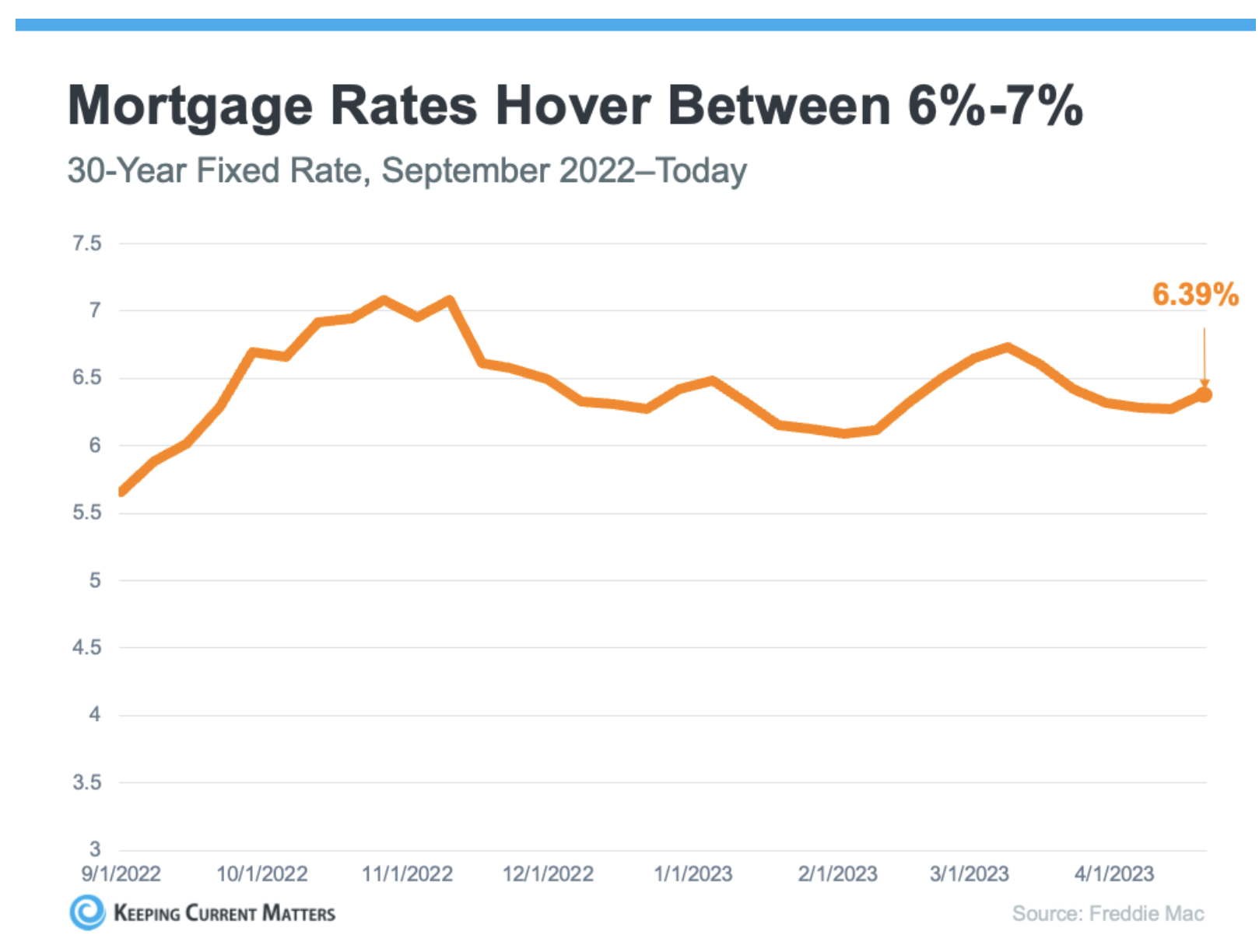
While mortgage rates are higher than they were a year ago, they’ve hovered primarily between 6% and 7% for nearly eight months now (see graph below):


As the graph shows, mortgage rates have experienced some volatility during that time. And even a small change in mortgage rates impacts your purchasing power. That’s why it’s so important to lean on your team of real estate professionals for expert advice to stay up to date on what’s happening in the market. While it’s hard to project where mortgage rates will go from here, many experts agree they’ll likely continue to remain around 6%-7% in the immediate future. 

2. Home Prices

Over the past few years, home prices appreciated rapidly as the record-low mortgage rates we saw during the pandemic led to a surge in buyer demand. The heightened buyer demand happened while the supply of homes for sale was at record lows, and that imbalance put upward pressure on home prices. However, today’s higher mortgage rates have slowed down price appreciation.

And, the truth is, home price appreciation varies by market. Some areas are seeing slight declines while others have prices that are climbing. As Selma Hepp, Chief Economist at CoreLogic, explains:

“The divergence in home price changes across the U.S. reflects a tale of two housing markets. Declines in the West are due to the tech industry slowdown and a severe lack of affordability after decades of undersupply. The consistent gains in the Southeast and South reflect strong job markets, in-migration patterns and relative affordability due to new home construction.”

To find out what’s happening with prices in your local market, reach out to a trusted real estate agent.

3. Wages

The most positive factor in affordability right now is rising income. The graph below uses data from the Bureau of Labor Statistics (BLS) to show how wages have grown over time: 


Higher wages improve affordability because they reduce the percentage of your income it takes to pay your mortgage since you don’t have to put as much of your paycheck toward your monthly housing cost.

Home affordability comes down to a combination of rates, prices, and wages. If you have questions or want to learn more, reach out to a real estate professional who can explain what’s happening locally and how these factors work together.

Bottom Line

If you’re planning to buy a home, knowing the key factors that impact affordability is important so you can make an informed decision. To stay up to date on the latest on each, connect with a trusted real estate professional today.

Get more on Keeping Current Matters.

Related Links

If there is a home that you would like more information about, if you are considering selling a property, or if you have questions about the housing market in your neighborhood, please reach out. We’re here to help.

Search Homes in Colorado

Search Homes in Oklahoma

Search Homes in Oregon

Search homes in Minnesota

Got a tax refund? 6 Home Improvements Will Level Up Your Living (and Help Sell Your House)


Let’s all put down the calculators, file the receipts, and celebrate the fact that tax season is over!

For many of us, that means a nice refund check has already landed or is on its way. (Fun fact: The IRS issued 237.8 million refunds in 2022.)

If you’re in the refund crowd, you might wonder what to do with that shiny sum. While you could blow it on a bunch of stuff that ends up in next year’s spring-cleaning piles, we’re proposing something a bit more lasting.

We asked designers and real estate agents for advice on the best home improvement projects to tackle with your tax return money. Here are their Top 6 picks for ways to reinvest those funds into your home for a more functional, comfortable, and ready-to-sell space.

1. Upgrade old appliances

Appliances from a few decades ago are unattractive and can actually be the secret energy vampires elevating your monthly bills. (And worn appliances are a massive turnoff for future buyers.)

“Upgrading old appliances is usually something that has to be done with borrowed money, which means that any time you can pay cash, you’re going to be saving,” says Martin Orefice, the CEO of Rent To Own Labs.

Additionally, new appliances are way more efficient at cooking, refrigerating, and cleaning, so you’re looking at a truly valuable improvement project.

2. Update your kitchen

Much like upgrading appliances, updating your out-of-date kitchen can be a surprisingly lucrative investment to make with your tax-return dollars.

And while you could spend thousands changing every part of your kitchen, Megan Nelson, of Nest with the Nelsons, reminds us that you don’t have to go full monty to make a big difference.

“Manageable kitchen updates are a wonderful way to use your tax refund,” says Nelson. “Think smaller improvements like new paint, an updated pantry door, new large-scale lighting over the island, or a dramatic light fixture over your table.”

. Splurge on a new mattress

A brand new, comfy mattress might not add much monetary value to your home, but the personal value of a great rest is priceless.

“A good night’s sleep is essential for overall wellbeing,” says designer and real estate agent Cam Dowski, of We Buy Houses Chicago. “Investing in a high-quality mattress can improve sleep quality, leading to better health and productivity.”

4. Invest in your outdoor space

Whether you need a new grill or want to revamp those worn-down garden beds, investing in your home’s outdoor living space will bring you lots of joy as we head into the warmer months. And it might even boost your home’s overall curb appeal when you’re ready to sell.

“Some outdoor decisions can really customize your space and make it more inviting,” says real estate agent Lauren Byington, of WarrenandLauren. “Adding landscaping, new furniture, and outdoor toys, like hot tubs, can make your space perfect for you and set a relaxing tone.”

Another pro tip? Extend the use of your outdoor area by investing in a fire pit to use in the spring and fall.

5. Make your home smarter

No, we aren’t proposing you send your house to college. But you can make your home smarter by adding in some of the latest gadgets with control capabilities for your abode’s security, heating and cooling, and electric systems.

“Making your home smarter with modernized security and smart devices can help bolster your home’s modernity,” says Byington.

Plus, who doesn’t love shouting grocery-list items to their kitchen smart device while cooking?

6. Modernize the details

If you recently purchased an older home, you might have noticed some of its characteristics haven’t aged well with the times.

A few outdated biggies are texturized, popcorn ceilings and spindly stair rails.

“Old ceilings and dated stair rails are a major turnoff,” says Byington. “Consider having them updated to a more contemporary look. Go for nontextured or wood-clad ceilings and a modern-looking stairway with simple lines.”

Updating small details in your home will not only increase the personal enjoyment and aesthetic of your home, but these upgrades could also entice future, potential buyers.

Get more like this on Realtor.com

Related Links

If there is a home that you would like more information about, if you are considering selling a property, or if you have questions about the housing market in your neighborhood, please reach out. We’re here to help.

Search Homes in Colorado

Search Homes in Oklahoma

Search Homes in Oregon

Search homes in Minnesota