Little Tips That Can Save Money on Your Heating Bill


It’s getting chilly out there, and as temps go down, our heating bills go up.

If you’re hoping to save your wallet this winter, here are a few ways to save money on your heating bill.Keeping your home warm in the winter shouldn't leave you broke. Use these 15 tips to save on heating costs

Dress for Cold Weather

Dress in layers; slap a pair of slippers on your feet, and add a hat to complete your warm ensemble. Serve warm drinks, not cold cocktails, when entertaining or relaxing.

Decorate for Warmth

When it's cold outside, nothing says money in the bank like a house that's blinged out in warm accessories. Put flannel sheets on your bed, rugs on your floors, insulated curtains in your windows, and warm blankets on your sofa.

Use the Sun

Open curtains during the day to allow the sun to warm your home, then close curtains at night to trap in the heat. On the sides of the home where there is good sun exposure, keep trees and shrubs pruned away so the windows can receive full sunlight.

Reduce the Use of Vent Fans

Fans suck out undesirable smells and moisture, but they also suck out a lot of hot air from your home. In the winter, don't run your kitchen or bathroom vent fans unless there is a need. Because winter air is already quite dry, there may be no need to vent a bathroom after every shower. In kitchens, use the vent fan sporadically in the winter, though you should still take care to properly vent when you are cooking with gas-burning appliances.

Change Furnace Filters Regularly

A dirty filter makes your furnace/heat pump work harder and leads to super scary numbers on your heating bill. Aim to swap the filters out once a month. A variety of electrostatic filters are now available that also trap allergens or even pathogens such as viruses. These cannot work effectively, though, unless they are changed regularly.

Run Ceiling Fans in Reverse

Hot air rises, so run your ceiling fan in reverse to push the warm air back down to floor level. Most ceiling fans have switches that allow you to change the direction of the motor rotation. A slow fan speed is best, as it will gently push warm air down without creating unpleasant drafts.

Turn Down the Thermostat

A couple of degrees cooler when you're away or asleep can make a big difference on your heating bill (without any sacrifice from you). Savings of 10 to 12 percent are possible if you run your system 5 to 10 degrees cooler at night or when you are away from the home. Installing a simple programmable thermostat or learning thermostat can allow you do this automatically.

Get an Energy Audit

You won't find many doctors that make house calls these days, but you'll still find plenty of energy auditors that do. Schedule an energy audit for your home (many utility companies offer them for free or a small fee), and find out where you could improve the efficiency of your home. Using a special thermal meter, the technician can pinpoint the areas of heat loss. The technician will also review your appliances for energy efficiency.

Add Insulating

Plug your zip code into the Department of Energy's insulation tool to find out how much insulation your home needs. Then, beef up your existing insulation as needed. Solutions can include having blow-in insulation added to walls without enough insulation, laying down an attic blanket of fiberglass insulation batts, sealing windows and doors with new weatherstripping, and insulating electrical boxes with foam gaskets.

Give Vents the All Clear

Move all furniture and belongings away from your heating vents, so they can deliver all that heat that you're paying for. Couches or other furniture blocking heating vents makes the furnace work harder to deliver warm air, increasing the running time and energy cost.

Also, make sure the heat registers and dampers are fully open to allow for the full flow of warm air.

Close the Fireplace Damper

Keep the damper closed when your fireplace isn't in use to prevent all that snuggly warm air in your home from making a quick exit up the chimney. Also, be aware that any use of an open wood-burning fireplace may cause a net energy loss in your home—more energy escapes up the chimney than is added to the home through burning wood.

If you can't live without the crackling flames, converting an open fireplace with a glass-doored insert will make a wood-burning fireplace more efficient and minimize heat loss from the home.

Get a Furnace Tune-Up

Keep your furnace or heat pump running at peak performance by having it tuned up by a professional once a year. It's a small expense that could lead to big savings. Among other things, the furnace technician will check the burners and exhaust vents to make sure they are working at top efficiency. Often, simply cleaning the burners can make a noticeable difference in your energy costs.

Wrap Vent Ducts

Vent fans lose a considerable amount of heat into attics by radiating it through the ductwork. Wrapping those ducts with foil-faced fiberglass insulation can dramatically reduce the amount of heat loss through those ducts.

Replace an Old Furnace

Breakups are never easy, but if you've been with your heating unit for a long time, it may be time to put an end to the relationship. Although the initial investment may seem prohibitive, you'll be surprised at how fast a high-efficiency furnace can pay for itself when compared to an old conventional furnace. There may also be tax incentives available if you replace an old furnace with a high-efficiency model.

Negotiate Better Energy Rates

Do you feel like you're paying too much for electricity, gas, or oil? Then, shop around for a better rate. As long as you live in a deregulated state, there's plenty of room to negotiate. Your state (or your energy company) may also have homeowner assistance available, depending on your income level.

Get more tips here.

Related Links

If there is a home that you would like more information about, if you are considering selling a property, or if you have questions about the housing market in your neighborhood, please reach out. We’re here to help.

Search Homes in Colorado

Search Homes in Oklahoma

Search Homes in Oregon

Colorado Springs Real Estate Market Report from December 2022


If there is a home that you would like more information about, if you are considering selling a property, or if you have questions about the housing market in your neighborhood, please reach out. We’re here to help.

Search Homes in Colorado

Search Homes in Oklahoma

Search Homes in Oregon

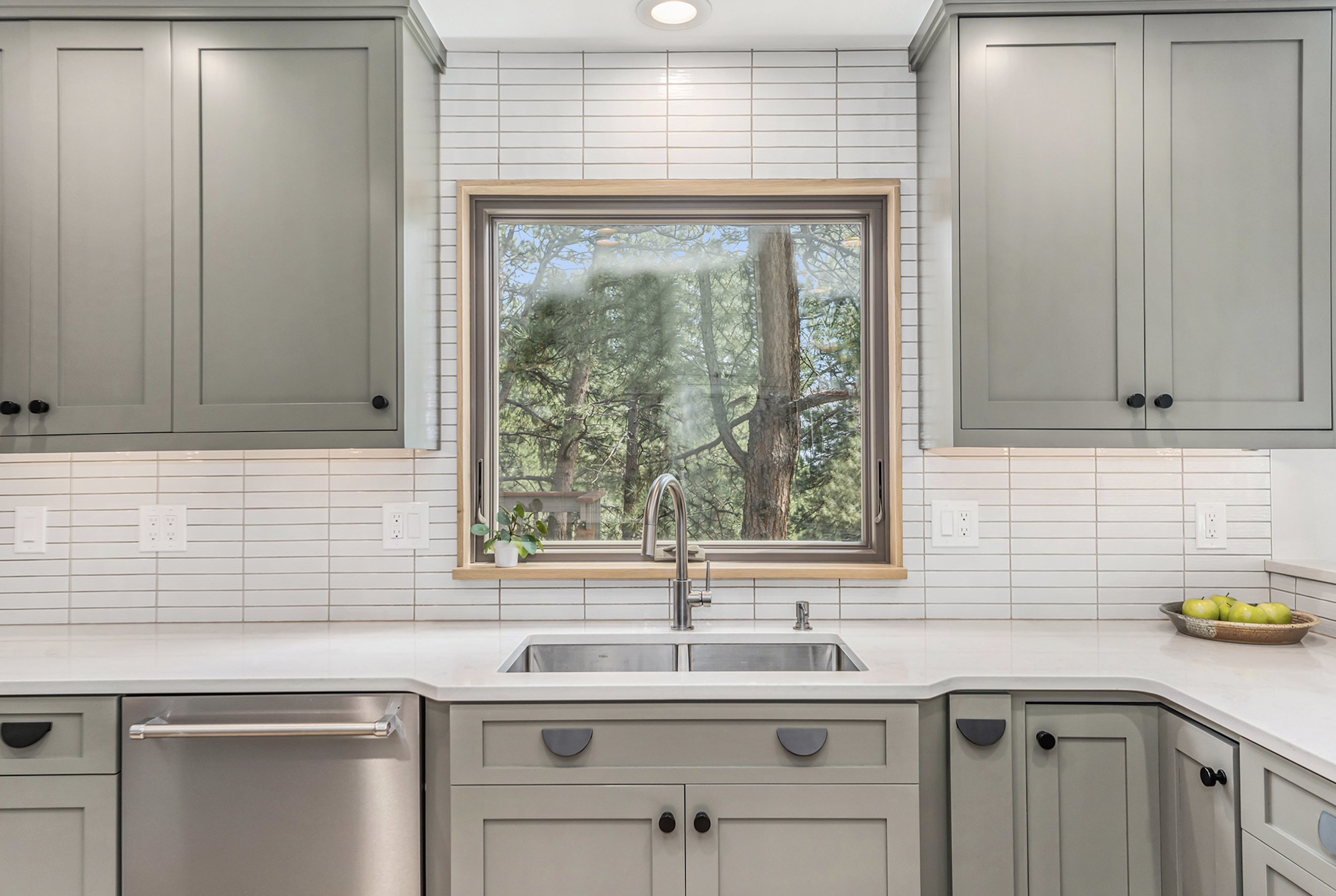
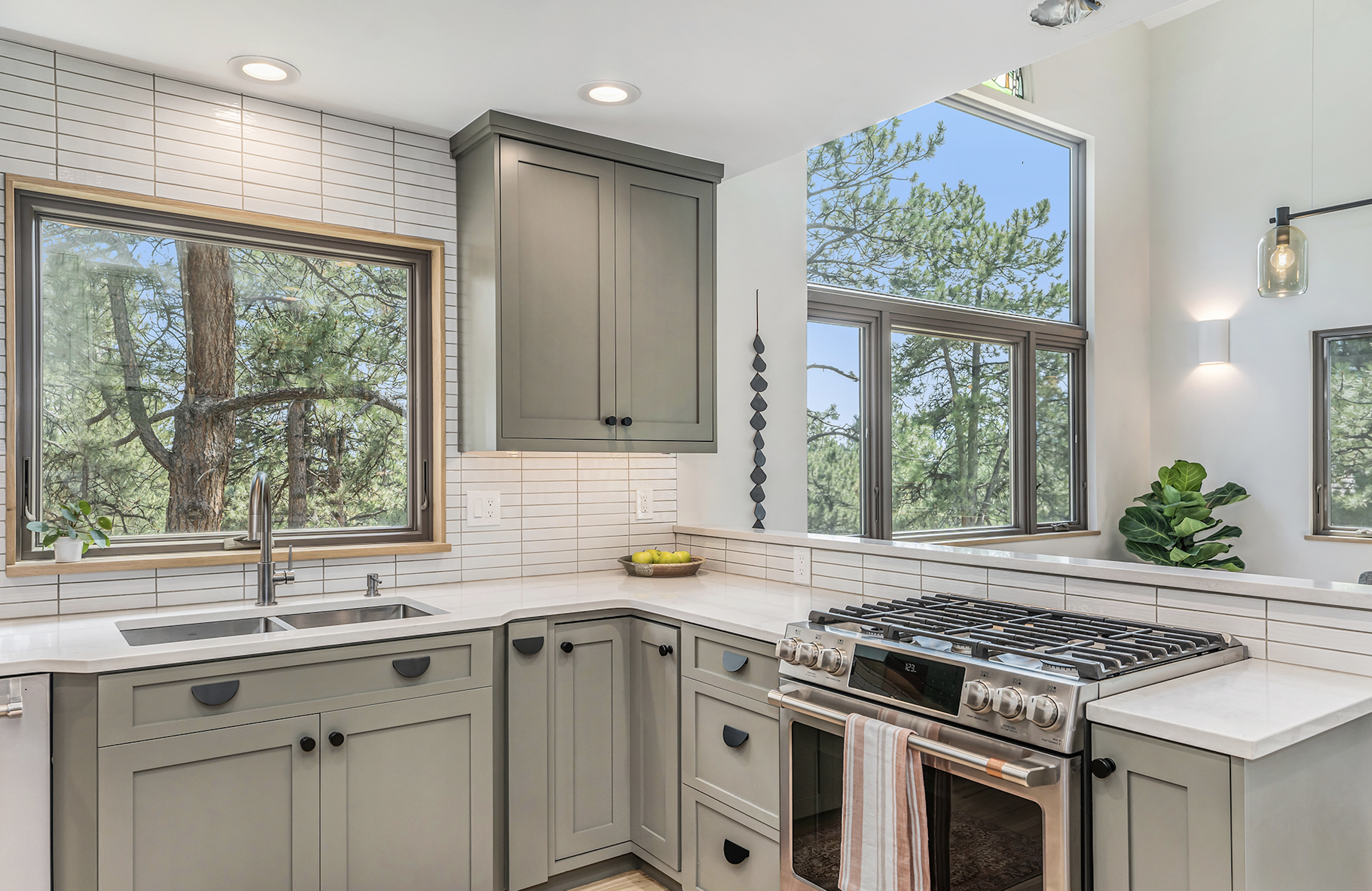
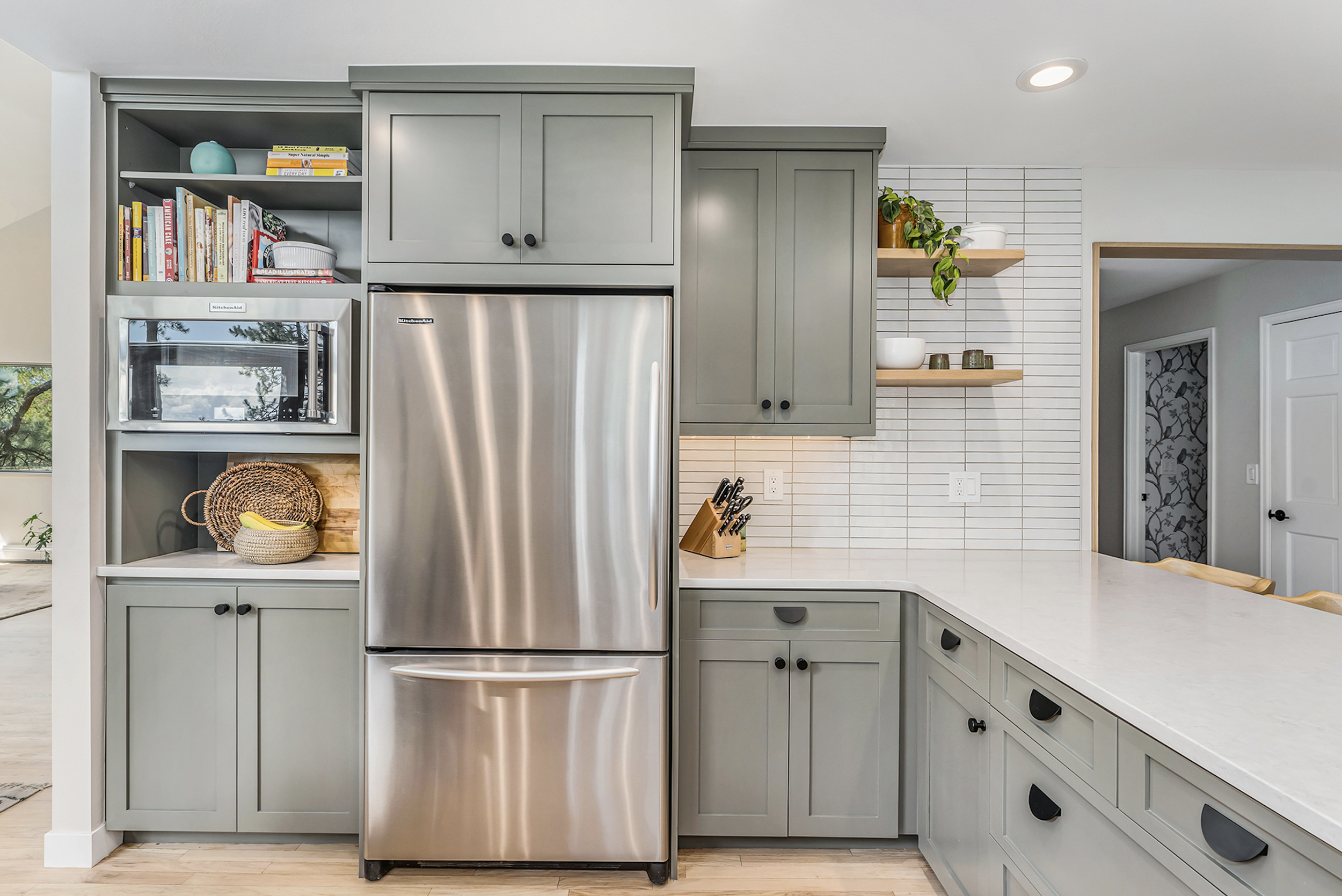
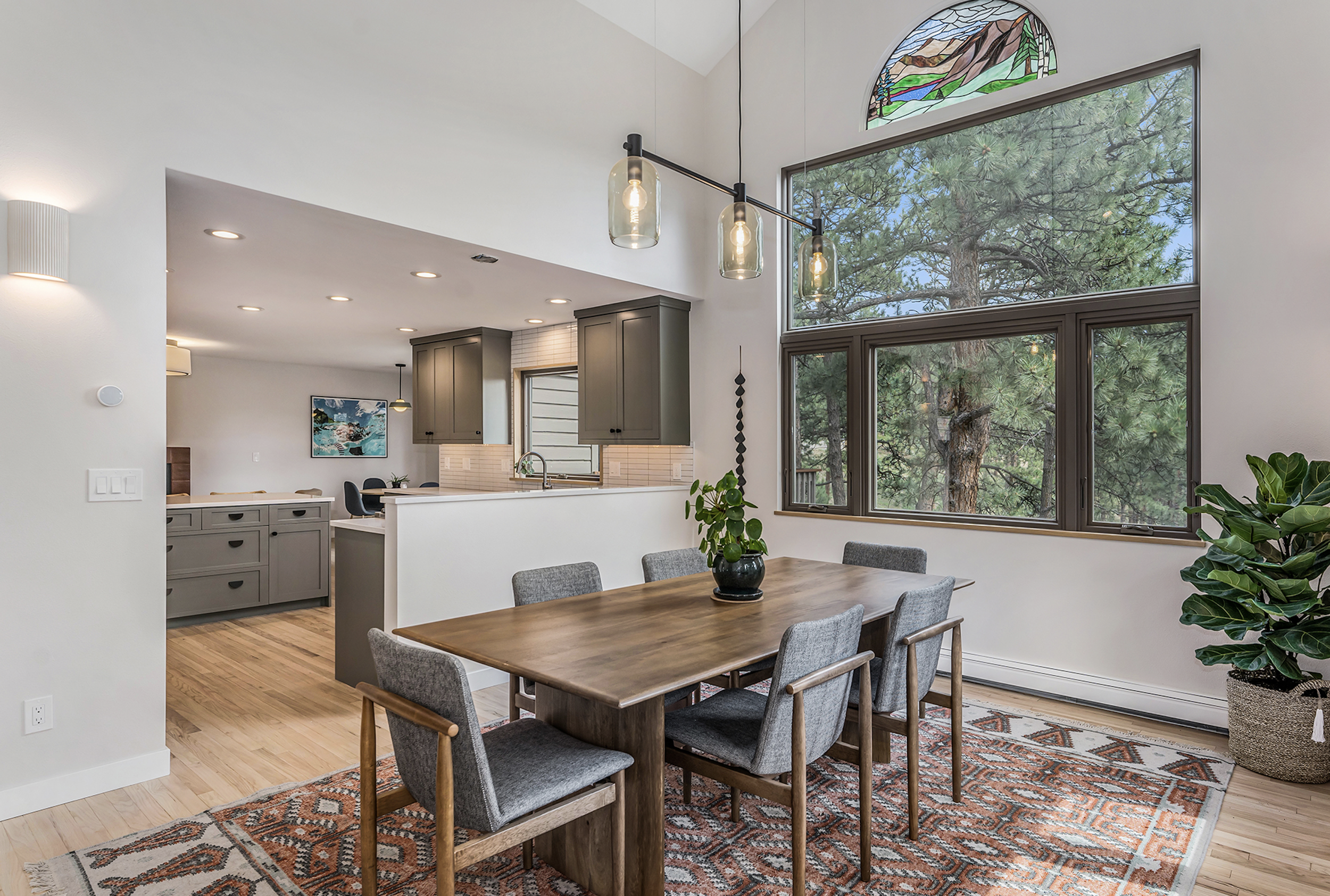
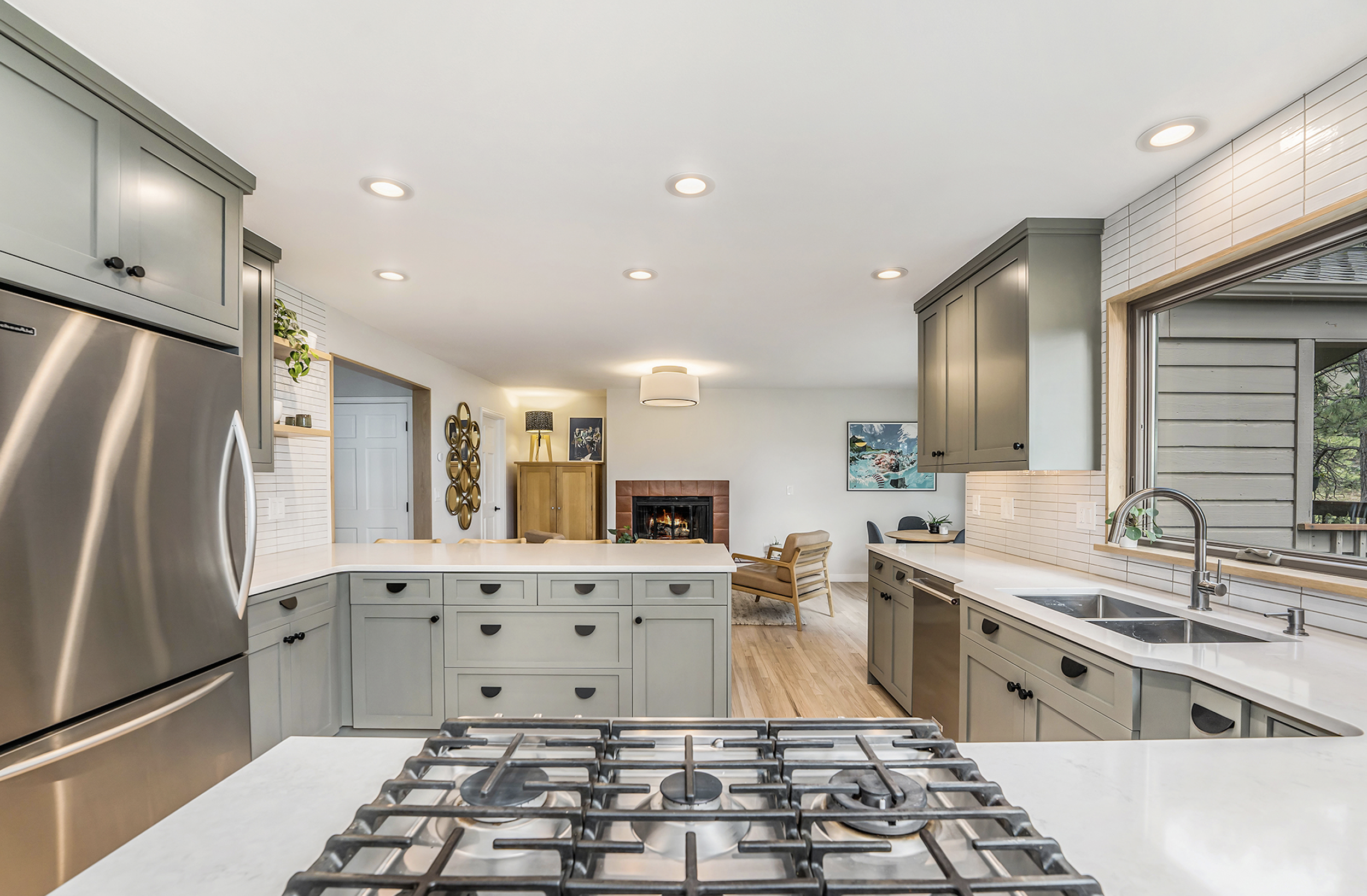
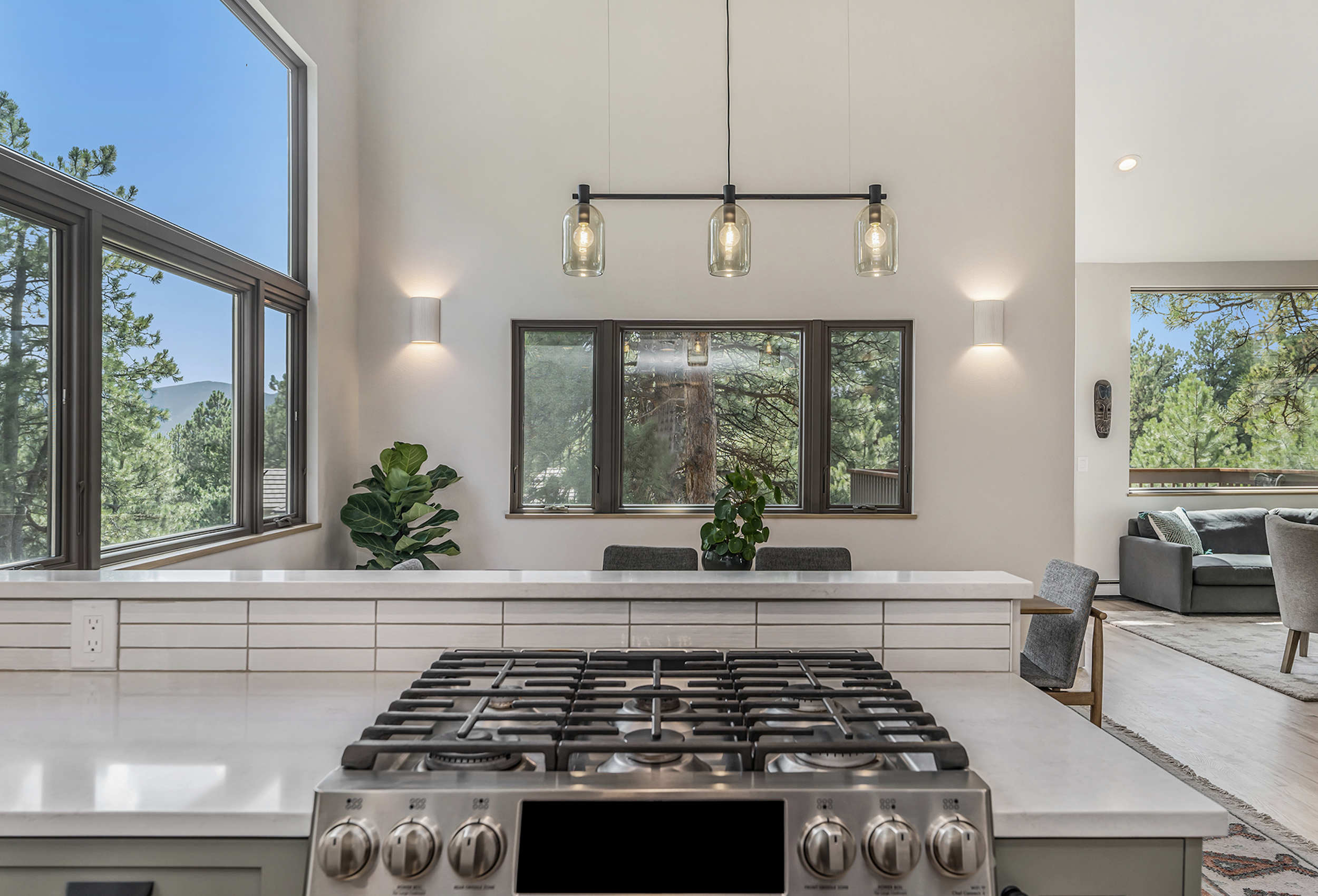
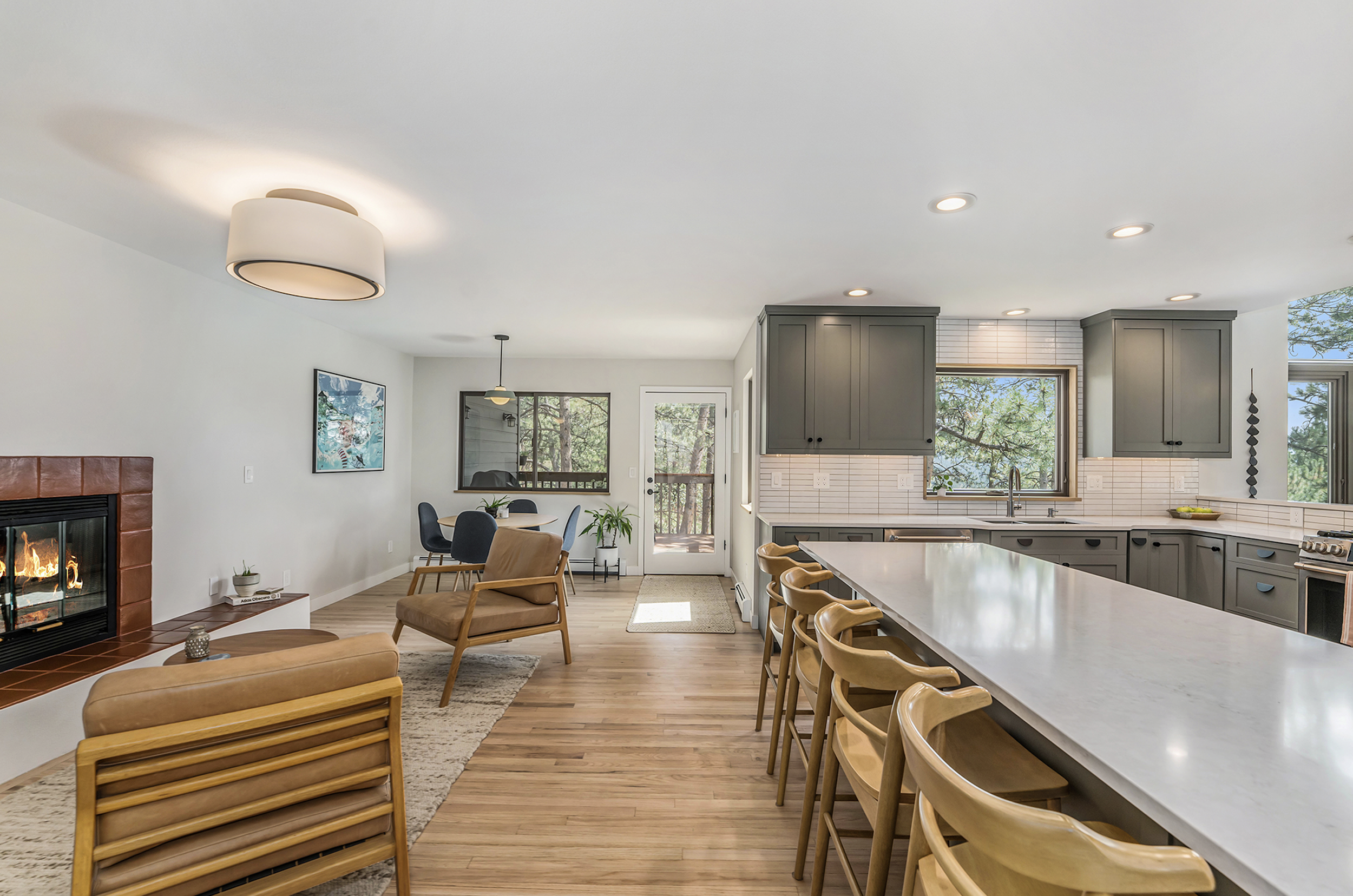
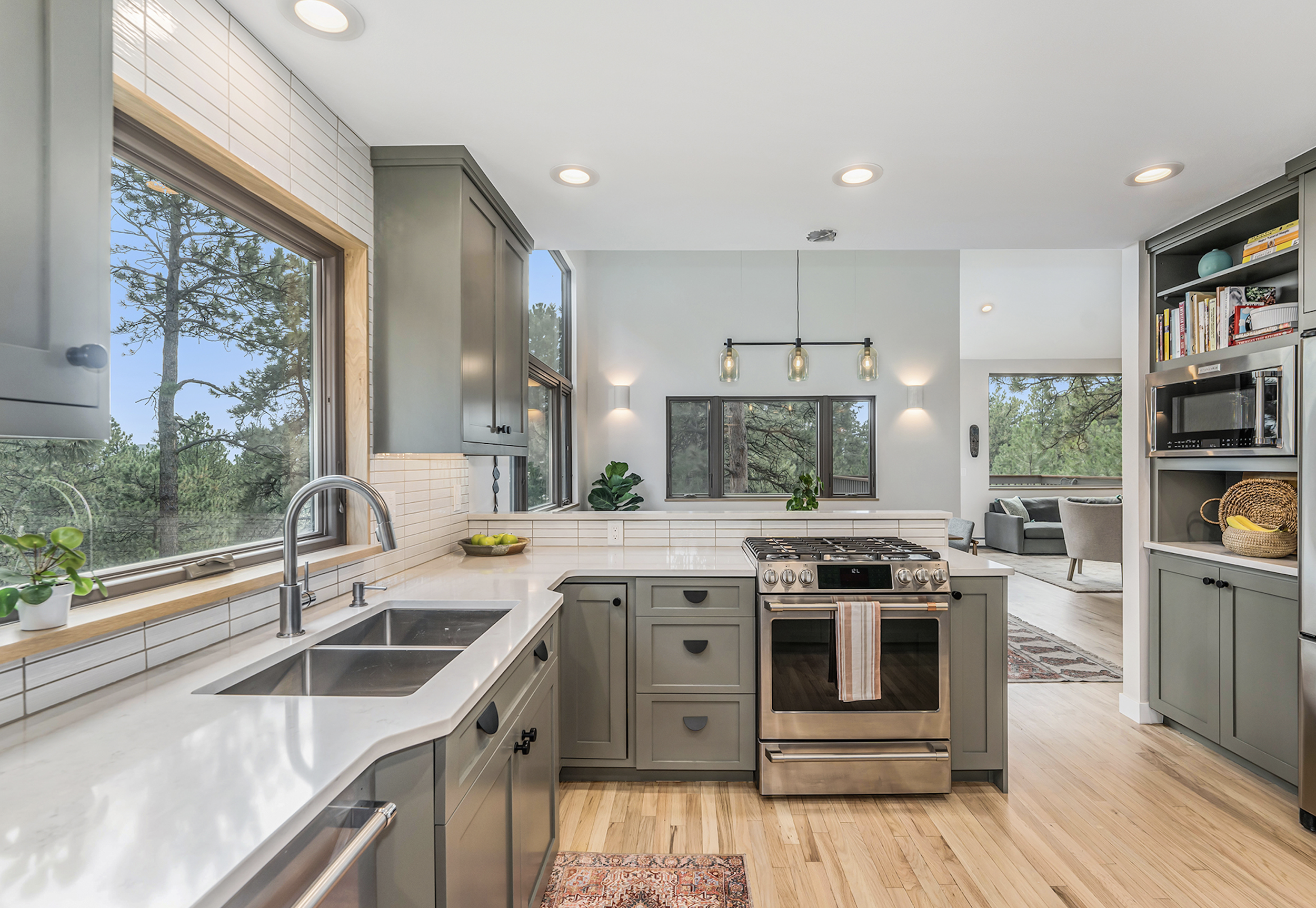
As Featured in West + Main Home Magazine: A mountain kitchen with modern chalet style

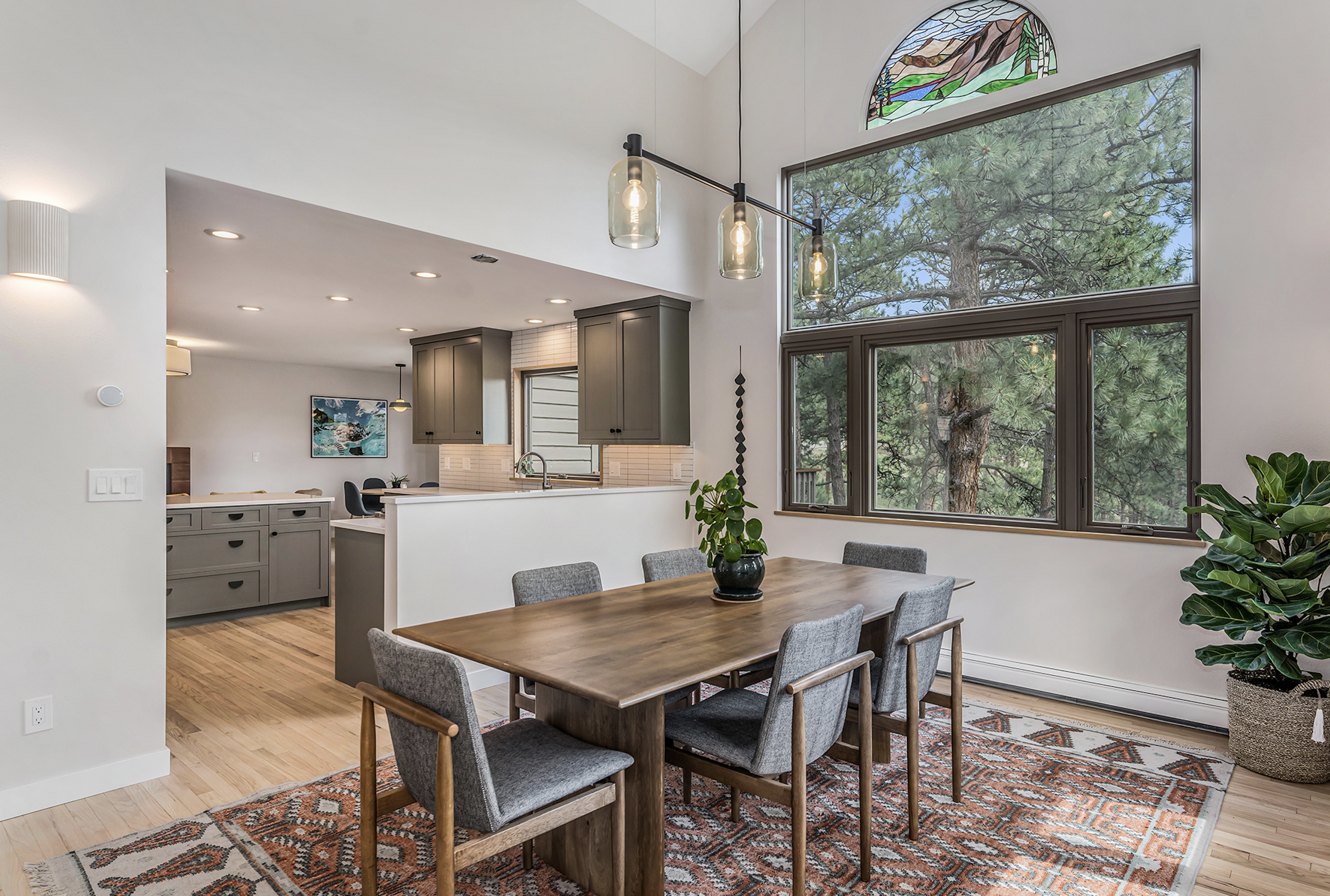
“We moved into this home in July 2021, and the kitchen felt closed off, dark, and just not our style,” said West + Main agent and homeowner Julie Lunn. “It felt too brown and rustic, and we wanted more natural light and re-flectivity in this space as well as more contemporary finishes. The dining room was also closed off and terribly outdated, with huge valances over the windows, wing walls separating the dining space from the living room, and some chair rail details that just weren’t working. Lucky for me, my husband Eric is a general contractor and masterful framer/carpenter, so he came up with a plan to support opening up the wall from the kitchen to the dining space, which then flooded the kitchen with light. The dining area walls were non-structural and 15 feet tall, so they were just a large demo project!”

"We wanted to keep as much as of the existing materials/appliances as we could but make it our style which we feel is more clean, modern + warm, white + wood, clean lines + organic touches," said Julie. "For this project I called it Modern Chalet. We are also both from Minnesota originally so are heavily influenced by Scandinavian design."

“Being in a mountain environment, it didn’t make sense to go too starkly modern. That said, we just aren’t really into a cabin or super woodsy/rustic feel either.” said Julie. “Our goal was to update the space but make it feel right in this casual but gorgeous natural backdrop. And because we don’t know if we’ll stay in this home forever, we hope we created a look that is at least somewhat appealing to others in case we decide to sell!”

"At first we considered lighter cabinets with a darker countertop but eventually landed on a beautiful earthy green cabinet paint topped with light quartz countertops and a slightly organic white ceramic tile for our backsplash," said Julie. "The cabinet paint color is one that you would never have picked just looking at the chip, but after trying many greens, this one felt the most grounded and chameleon-like based on the light in the space. It was important to us that we wouldn’t get sick of it and that it had some neutrality in its tones, so we chose a green that is less bold than some of the current trends."

“I firmly believe that your space needs to reflect your style and that when you feel totally at home you have more energy to bring your best self to your family, life and work,” said Julie. “What I love the most is that I feel totally at home in the space now – not like I’m staying at my great aunt’s house, as nice as it was. I also love the light that we get throughout the day. My favorite finish detail is the modern white oak trim Eric put around the window and how the white tile joins up with it perfectly. I admire it while I do the dishes!”

Materials and sourcing

New cabinet paint: Sherwin Williams Thunderous 6201

Cabinet hardware: CB2

Countertops: Nustone Belford quartz

Backsplash tile: Daltile: Cepac tile

Dining room light: bludot

Related Links

If there is a home that you would like more information about, if you are considering selling a property, or if you have questions about the housing market in your neighborhood, please reach out. We’re here to help.

Search Homes in Colorado

Search Homes in Oklahoma

Search Homes in Oregon

Are Gallery Walls Over?


Curated framed art and photos are under TikTok scrutiny as designers debate whether the gallery wall should retire for good.

“So bad,” reads one comment below a TikTok declaring 2010s gallery walls over. “I feel attacked!” reads another. “It’s us girls who used to make magazine collages for our binders that started this…and I’m still here for it!” reads yet one more. It seems the gallery wall—a cluster of art or decorative items strategically hung on a wall—has become almost as divisive as wood paneling and shag carpet. For fear of carrying on with an outdated trend we must ask AD’s interior design friends: Are gallery walls out of style?  

“Never!” declares Mary Patton, owner and designer at Mary Patton Design in Houston, without hesitation. Though Clara Jung of Banner Day Interiors in the Bay Area gives a much more tempered response: “I don’t necessarily think so,” she says. “However, I think they should be executed thoughtfully and with intention.” Meanwhile, Molly Torres Portnof of Date Interiors in New York points out that gallery walls can’t go out of style as they’re timeless (yes, going back even further than 2010) and more than a passing fad. “They’ve survived hundreds of years of fluctuating design trends and for good reason: A wall full of art brings color, character, depth, and style to any space,” she says. 

So how did we get here, to the 21st-century interpretation (or misinterpretation, depending on who you ask) of gallery walls? And how do we salvage them by curating collections with more intention, as Jung suggests? Let’s start from the beginning.

The history of gallery walls

“Gallery walls were first seen in France in the 1600s, when they were called salon walls,” Jung says. Salons, or cultural hubs, democratized art by ditching the old elite way of hanging a precious few pieces and instead filling entire floor-to-ceiling walls with works, primarily by up-and-coming artists. Salons soon opened to the public, making art more accessible to all social classes, and eventually spread to other countries, with art dealers and collectors adopting their frenzied arranging method.

Though public gallery walls afforded more access for ogling, it seems it was still only the elite who created the display at homes well into the 20th century, at least in the US. This was likely because only the wealthy had the cash to hire interior designers and hang up art in the first place. (Remember, Etsy prints weren’t a thing at this point.) But by the 1960s—the era of peace, love, and rocking a DIY salon wall—all that would change. A 1967 newspaper article titled “Gallery Wall Good Way to Display Pictures” was syndicated across the country, giving everyday homeowners (not just serious art collectors) tips on curating framed pieces.

In the ’80s and ’90s, gallery walls became all about family photos. Who hasn’t seen a home with a grouping of school portraits lining a staircase? Even more recently, 2013 was a hallmark year for the decorating scheme with another syndicated article, “Salon Walls Tell a Story,” hitting papers from coast to coast. This time homeowners were encouraged to hang “personal treasures” on their walls, including “exotic turtle shells, vintage medicine bottles, and colorful plates.” Since then it’s been a mixed bag, with design sites declaring one year “the year of the gallery wall” and another site asking in that very same year, “are gallery walls over?”

So where did our walls go wrong?

Were 2013’s turtle shells a touch too much? It’s clear that at some point a centuries-old tradition slid into the questionable collage territory that’s been called out on TikTok. In fact, the gallery walls that garner the most criticism are the ones that look like all the items were gathered in a single shopping trip, generic wood signs and all. As one TikTok commenter put it, “Ugh, it’s giving me craft store vibes.” And here lies the biggest gallery wall pitfall: rushing to make it happen. Fueled by the hype, some novice designers and DIY’ers may have been a bit too hasty to make it happen. To remedy slap-stick gallery walls that could cameo as decor in a dentist’s waiting area, approach your wall like a real collector. 

Tips for creating a good gallery wall

1. Make it meaningful

“Biggest rule of thumb: Don’t ever hang anything on your wall that isn’t meaningful to you,” Torres Portnof says. “When salon walls were first popularized, the specific placement of each art piece was very purposeful and, in certain cases, pointed and political.” She suggests choosing pieces that are “grand, striking, or most significant” to anchor your gallery wall, then fill the surrounding space with other pieces.

2. Mix mediums

Keep in mind that significant doesn’t have to mean fine art (hello, turtle shells!). The designers AD spoke with encourage thinking outside the frame. “Do a mix of art, textiles, and baskets that you collect on your travels,” Patton adds. Or skip the art altogether and group like objects, as Brittany Farinas and her team at House of One Interior Design in Miami do. “Sometimes we’ll hang a group of vertical or square mirrors together on an accent wall by a window to make the space seem visually larger and to add interest to a space,” she says. 

3. Go big

And if you’re worried a gallery wall will feel chaotic, steer clear of too many small pieces. “I would suggest playing with scale and going oversized,” Jung says. Four large paintings grouped together can cover an entire wall without overwhelming the gaze. Farinas echoes this by saying, “Grouping black and white oversized frames in an array can create visual interest and become an opportunity to play with scale in a space.” She also points out that tiny frames on a large wall look disproportionate.  

Long live the gallery wall

A sigh of relief for salon supporters everywhere: According to the pros, the gallery wall will survive! Plus, if history has taught us anything, it won’t just survive but continue to evolve (are NFT gallery walls a thing?!). In the meantime, keep your art and photo displays going. “Keep in mind that gallery walls are meant to evolve and grow over time as you continue to collect and curate pieces,” Torres Portnof says. “Think of the walls in your home as your personal gallery, showcasing your cherished memories, favorite artists, family heirlooms, and travels.”

Read the full post on Architectural Digest.

Related Links

If there is a home that you would like more information about, if you are considering selling a property, or if you have questions about the housing market in your neighborhood, please reach out. We’re here to help.
Search Homes in Colorado

Search Homes in Oklahoma

Search Homes in Oregon

Planning To Sell Your House? It’s Critical To Hire a Pro.


With higher mortgage rates and moderating buyer demand, conditions in the housing market are different today.

And if you’re thinking of selling your house, it’s important to understand how the market has changed and what that means for you. The best way to make sure you’re in the know is to work with a trusted housing market expert.

Here are five reasons working with a professional can ensure you’ll get the most out of your sale.

1. A Real Estate Advisor Is an Expert on Market Trends

Leslie Rouda Smith, 2022 President of the National Association of Realtors (NAR), explains:

“During challenging and changing market conditions, one thing that’s calming and constant is the assurance that comes from a Realtor® being in your corner through every step of the home transaction. Consumers can rely on Realtors®’ unmatched work ethic, trusted guidance and objectivity to help manage the complexities associated with the home buying and selling process.”

An expert real estate advisor has the latest information about national trends and your local area too. More importantly, they’ll know what all of this means for you so they’ll be able to help you make a decision based on trustworthy, data-bound information.

2. A Local Professional Knows How To Set the Right Price for Your House

Home price appreciation has moderated this year. If you sell your house on your own, you may be more likely to overshoot your asking price because you’re not as aware of where prices are today. If you do, you run the risk of deterring buyers or seeing your house sit on the market for longer.

Real estate professionals provide an unbiased eye when they help you determine a price for your house. They’ll use a variety of factors, like the condition of your home and any upgrades you’ve made, and compare your house to recently sold homes in your area to find the best price for today’s market. These steps are key to making sure it’s set to move as quickly as possible.

3. A Real Estate Advisor Helps Maximize Your Pool of Buyers

Since buyer demand has cooled this year, you’ll want to do what you can to help bring in more buyers. Real estate professionals have a large variety of tools at their disposal, such as social media followers, agency resources, and the Multiple Listing Service (MLS) to ensure your house gets in front of people looking to make a purchase. Investopedia explains why it’s risky to sell on your own without the network an agent provides:

You don’t have relationships with clients, other agents, or a real estate agency to bring the largest pool of potential buyers to your home.”

Without access to the tools and your agent’s marketing expertise, your buyer pool – and your home’s selling potential – is limited.

4. A Real Estate Expert Will Read – and Understand – the Fine Print

Today, more disclosures and regulations are mandatory when selling a house. That means the number of legal documents you’ll need to juggle is growing. NAR explains it like this:

“Selling a home typically requires a variety of forms, reports, disclosures, and other legal and financial documents. . . . Also, there’s a lot of jargon involved in a real estate transaction; you want to work with a professional who can speak the language.”

A real estate professional knows exactly what all the fine print means and how to work through it efficiently. They’ll help you review the documents and avoid any costly missteps that could occur if you try to handle them on your own.

5. A Trusted Advisor Is a Skilled Negotiator

In today’s market, buyers are also regaining some negotiation power as bidding wars ease. If you sell without a professional, you’ll also be responsible for any back-and-forth. That means you’ll have to coordinate with:

  • The buyer, who wants the best deal possible

  • The buyer’s agent, who will use their expertise to advocate for the buyer

  • The inspection company, which works for the buyer and will almost always find concerns with the house

  • The appraiser, who assesses the property’s value to protect the lender

Instead of going toe-to-toe with all the above parties alone, lean on an expert. They’ll know what levers to pull, how to address everyone’s concerns, and when you may want to get a second opinion.

Bottom Line

Don’t go at it alone. If you’re planning to sell your house this winter, connect with a local real estate advisor so you have an expert by your side to guide you in today’s market.

Keep reading.

Related Links

If there is a home that you would like more information about, if you are considering selling a property, or if you have questions about the housing market in your neighborhood, please reach out. We’re here to help.
Search Homes in Colorado

Search Homes in Oklahoma

Search Homes in Oregon