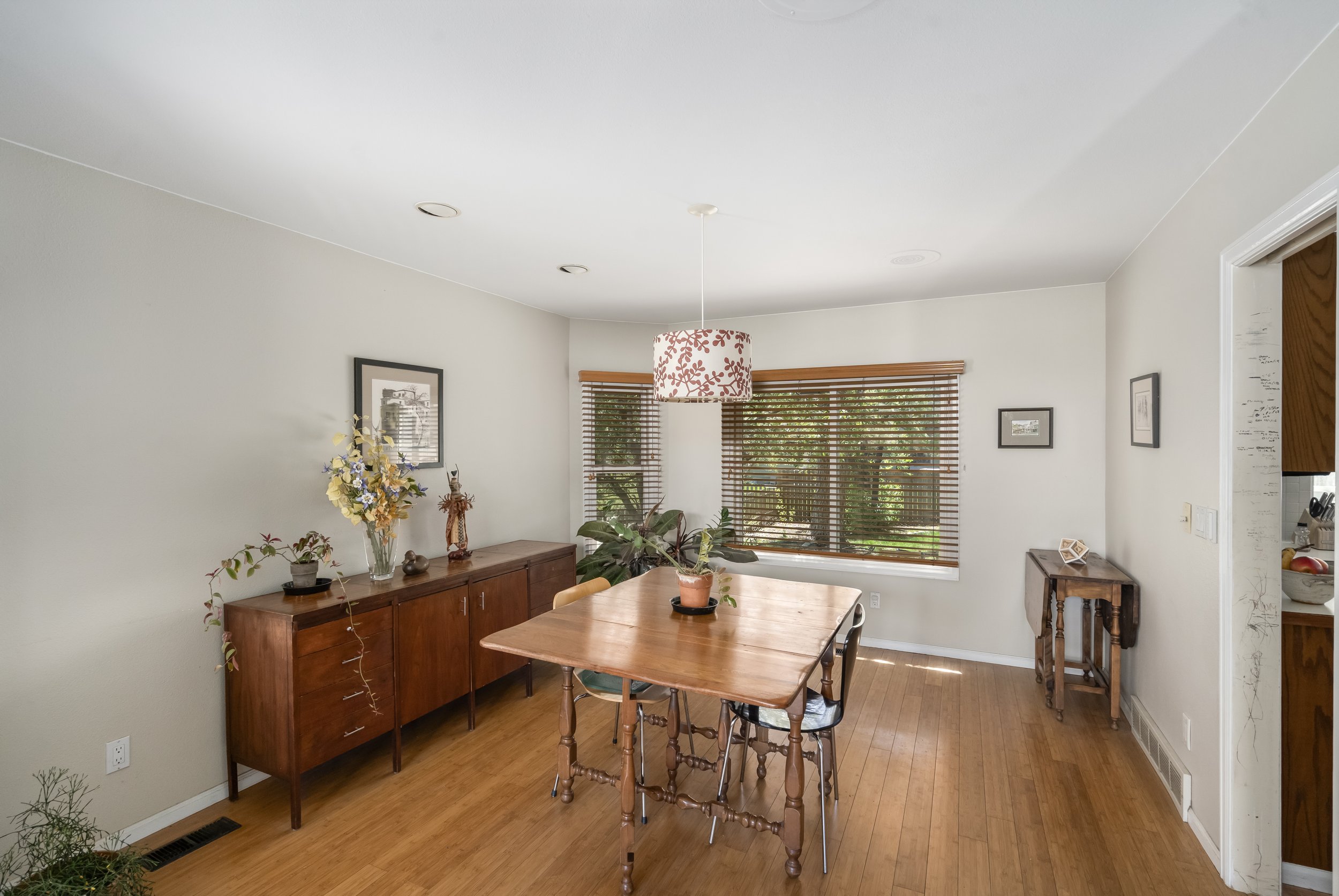
Rare Quail Hollow gem - priced for aesthetic improvements!


Every once in a while, a gem of a home becomes available in the iconic Quail Hollow subdivision!

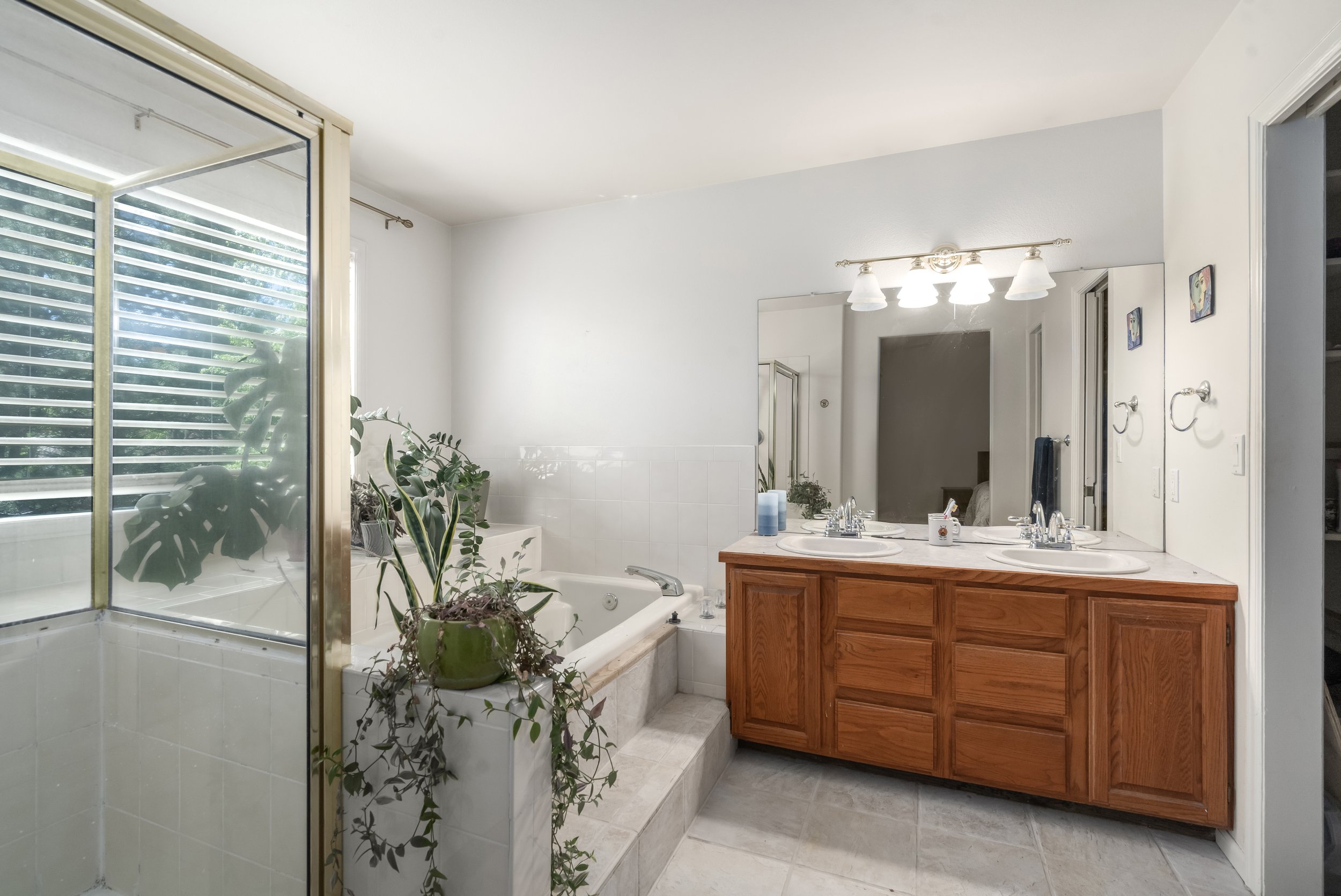
This wonderful home, in an ideal location, is nestled in this highly sought after neighborhood - moments from trails, Spring Canyon Park, Cottonwood Park, and easy access to Spring Creek Trail! Upon entering, it is easy to be dazzled by the soaring ceiling in the front family room. The ideal natural light flows effortlessly. The family room is sunken and perfect for shows, gaming, or just nuzzling in around the gas fireplace. Upstairs, the bedrooms are together and the primary suite is deluxe with oversized soaking tub and walk in closet! What a stunning yard, fully fenced and adorned with mature landscaping that has been lovingly taken care of. Solar panels are owned here and will sell electricity back to the grid in the sunny months. Truly a unique property and a wonderful opportunity, so run don't walk to see it! Some updating and improvements may be desired here and price is set accordingly.

Listed by Scott Beasley for West + Main Homes. Please contact Scott for current pricing + availability.


Have questions?
West + Main Homes
(303) 935-8787
hello@westandmain.com

Presented by:
Scott Beasley
970-690-8445
scott.beasley@westandmain.com


Search homes in Colorado
 

Greater Denver Area Real Estate Market Report from April 2024


Spring bulbs have made their colorful return, and trees across Denver are in full bloom, says the Denver Metro Association of Realtors’ Market Trends Committee.

Optimism in the Denver real estate market is as strong as ever due to resilient buyers who continue to place properties under contract quickly when they find the right home, at the right price.

The most apparent change in the market last month was the rise in inventory. While buyers continue to grapple with financing pressures, they finally have more choice thanks to sellers who are back in the market listing their properties. Active listings climbed 19.51 percent month-over-month and 51.32 percent year-over-year to 6,990 listings. This is a notable year-to-date increase of 51.30 percent from 2023 and a 118.16 percent increase from 2022. New listings increased 21.22 percent month-over-month and 25.42 percent year-over-year to 5,980 listings. Pending sales increased marginally with 4,468 properties, an 8.32 percent increase month-over-month and a 5.53 percent increase year-over-year. The most significant metric was closed sale data with 3,739 properties closed, a mere 1.66 percent increase month-over-month and a 4.79 decline year-over-year. While this data point is a lagging indicator of pending sale activity from March, it showcases that buyers are not absorbing the inventory as quickly as they once were.

The increase in inventory is a very welcome turn of events for buyers who have been dealing with historically low inventory for years. Additionally, it's a nice surprise as many sellers have been hesitant to list their homes in favor of maintaining their low two to five percent interest rates. The increase of active listings to 19.51 percent represents a healthy increase as the historical average increase in listings from March to April is 10.32 percent.

As inventory increased, buyers eagerly purchased new properties as days in the MLS dropped 27.27 percent to eight days. The median price rose 1.27 percent to $602,550 while the average price hit a new record of $727,700.

Detached and attached properties experienced a similar increase of over 19 percent for active listings month-over-month: 19.65 for detached and 19.21 percent for attached. Of particular note, active listings for attached properties jumped 66.62 percent year-over-year. New listings in the detached market segment rose 25.46 month-over-month, while the attached segment rose a mere 11.04 percent. Pending sales for detached homes jumped 11.14 percent month-over-month, whereas the attached market saw a minimal rise of 0.37 percent. Attached property inventory is clearly outpacing the detached market, which presents further opportunities for buyers interested in attached condos and townhomes.

Saying that, detached homes are still considered a seller's market with less than three months of inventory. The months of inventory then jump to 4.32 months of inventory when we look at properties priced at $2 million and over. On the other side of the coin, attached homes priced below $750,000 remain a buyer's market. However, properties priced from $750,000 to $2 million are in more of a balanced market with three to six months of inventory. For attached properties priced at $2+ million the month's of inventory substantially increases to 7.75.

Inventory will continue to climb through May, so pricing conservatively has never been more important. Buyers on the hunt for their next property will likely choose the one priced at fair market value, with very little work needed. This is not the time to push the price or to place a home on the market to see if you can obtain the price you hope to achieve.

Read below for a price range breakdown for properties sold between $750,000 and $999,999 from Market Trends Committee Member and West + Main Homes Agent, Nick DiPasquale.

Learn more about the market from the Denver Metro Association of Realtors.


Thank you to our partners at the Denver Metro Association of Realtors for compiling this information.

If there is a home that you would like more information about, if you are considering selling a property, or if you have questions about the housing market in your neighborhood, please reach out. We’re here to help.

Search Homes in Colorado

Just Listed: Spacious, Updated Ranch Offering Stunning Mountain Views!


Welcome Home to this spacious, updated Ranch offering stunning mountain views and custom features located in one of the most desirable neighborhoods in Broomfield!

The mountain views and neighborhood park frame this amazing home that offers plenty of space yet a cozy, welcoming feel. Natural light pours into this well-appointed home perfect for entertaining or everyday living. The main floor Cook's kitchen features new Quartz counters, backsplash and generous island with gas cooktop and double ovens. Cabinets extend into the Butlers Pantry with more of that gorgeous mountain view. The kitchen opens to a spacious family room with gas fireplace and custom wainscoting surround plus a recent sunroom addition including heated floors which offers yet another unique feature to this home. The primary bedroom suite is tucked away for privacy. Heated floors, soaking tub, oversized shower with rain shower head and custom closets make your private space truly a retreat. Main floor full bathroom, half bathroom, and laundry recently updated and wood floors flow throughout. Owner's entry features laundry, useful cabinet & counter space with a refined utility sink. Custom wood accents added to Dining, Entry and Office elevate the custom feel of this home. Downstairs the full professionally finished basement offers sprawling secondary living, perfect for entertaining. Full 2nd kitchen, huge eating area, media area, guest half bath + 2 add'l beds with a Jack & Jill bath. Workout room & storage area round out this expansive space. The professionally landscaped backyard has 2 quiet & secluded deck spaces with glorious mountain views. Water feature, Fire Pit + Hot Tub make this outdoor space as special as indoors. Fully fenced & low exterior maintenance. Front flower bed pops every spring with perennials that bloom all season long. This home is an easy walk to the community pool and the large Wildgrass Park is your neighbor. This unique home is well loved just waiting for you to enjoy.

Listed by Christina Surprenant + Linda Deland for West + Main Homes. Please contact Christina for current pricing + availability.


Have questions?
West + Main Homes
(303) 935-8787
hello@westandmain.com

Presented by:
Christina Surprenant + Linda Deland
Christina: 720-217-7835
christina.surprenant@westandmain.com
Linda: 303-249-7762
linda.deland@westandmain.com


Search homes in Colorado
 

Building a Foundation: Preparing Your Adult Child for Their First Home Investment


Picture this… Your child has reached a major milestone in their life—purchasing their first home.

This is an exciting time filled with anticipation, nerves and perhaps a little bit of stress. As parents, it's natural to want to help your child every step of the way, especially when it comes to such a significant investment. That's why we've put together this guide to help you prepare your adult child for their first home investment. Whether it's financial advice, homebuying tips,or emotional support, we've got you both covered.

Financial Preparation
One of the most crucial aspects of purchasing a home is financial preparation. As parents, you have likely already instilled good financial habits in your child, but buying a house requires a different level of planning and readiness. Here are some key areas to focus on when preparing your child for their first home investment.

Credit Score
A strong credit score is essential when it comes to securing a home loan. Advise your child to check their credit score before beginning the home buying process and if necessary, work on improving it. A high credit score will not only make it easier to get approved for a loan, but also result in better interest rates.

Savings
Encourage your child to save up for a down payment as early as possible. The larger the down payment, the lower their mortgage payments will be. Additionally, having a significant amount of savings shows lenders that your child is financially responsible and committed to making this investment.

Budgeting
Buying a home comes with many expenses beyond just the mortgage payments. Help your child create a budget that takes into account additional costs such as property taxes, insurance and maintenance. Any new homeowner needs to understand the full financial commitment of owning a home.

Home Buying Tips
As your child begins their search for their first home, here are some helpful tips to keep in mind. It isn't rocket science, but a few insider tips never hurt, either:

Location
When looking at potential homes, remind your child to consider the location carefully. Factors such as proximity to work, school districts and neighborhood safety are all important aspects to consider. It's also a good idea to research the area's market trends and potential for future growth. Even a little bit of research can go a long way!

Realistic Expectations
It's natural for your child to have high expectations for their first home, but it's also a good idea to temper those expectations with the reality of their budget. Help them understand what they can realistically afford and guide them towards homes that fit within their means.

Home Inspection
Encourage your child to get a professional home inspection before finalizing the purchase. This will ensure that any potential issues with the home are identified and addressed before they become costly problems. It's better to be safe than sorry when making such a significant investment.

Emotional Support
Buying a home can be an emotional rollercoaster, and your child may need some extra support during this time. You've most likely already experienced this, so here's how you can help:

Listen and Offer Advice
Your child may have questions or concerns throughout the home buying process. Be there to listen and offer your advice, but also allow them to make their own decisions. This is a big step towards independence, so it's good for them to feel in control of the process.

Celebrate Their Accomplishment
Purchasing a home is a significant achievement, so be sure to celebrate with your child once everything is finalized. They need to feel supported and recognized for this major milestone in their life.

Be Understanding
Don't forget to be patient and understanding. This may be a stressful time for them, so try to be empathetic and offer your support in any way they need. Whether it's a listening ear or helping out with some of the tasks involved, your presence and support will mean everything to them.

When They Become Homeowners
After all the preparation and hard work, your child will finally become a homeowner. But even after they've moved in, continue to offer support and guidance as needed. Whether it's helping with home maintenance or offering financial advice, being there for them during this new chapter is invaluable.

Give Them Some Pointers
As they adjust to homeownership, your child may need some practical advice on how to maintain and take care of their new property. Offer your years of experience and knowledge on home maintenance, gardening and other essential tasks. This will not only save them money but also help them feel more confident in their newfound role as a homeowner.

Recommend Contractors and Professional Help
Sometimes, unexpected issues may arise that require the expertise of professionals. As a homeowner, it's important for your child to have reliable contacts for services such as plumbing, electrical work, residential roofing installation and HVAC maintenance. Share any recommendations you have with them to make their life easier.

Enjoy Their Space With Them
Don't forget to celebrate and enjoy your child's new home with them. Whether it's hosting family gatherings or simply spending quality time together, their new home will be a special place for both of you.

With this guide, you can help prepare your adult child for their first home investment both financially and emotionally. Encourage them to carefully consider all aspects of the home buying process and be there to support them every step of the way. Congratulations again on this exciting milestone in both your lives, and don't forget to visit their new home for dinner!

Read more at RisMedia.com

Related Links

If there is a home that you would like more information about, if you are considering selling a property, or if you have questions about the housing market in your neighborhood, please reach out. We’re here to help.
Search Homes in Colorado

Search Homes in North Carolina

Search Homes in Oklahoma

Search Homes in Oregon

Search homes in Minnesota

Best Indoor Plants for Your Health, According to Research


If some of the best indoor houseplants have taken over your interiors, seemingly sprawling across bookshelves, side tables and kitchen countertops, you're not alone.

Sales of leafy green flora have soared over the past couple of years as many spend more time indoors; they've been a hit on platforms like TikTok and Instagram, where there are more than 9 million posts tagged #HousePlants. While the greenery brightens up your space and certainly looks cute, experts believe your indoor plants may be good for your health, too.

Plants improve air quality, bring beauty into your home and boost emotional and spiritual wellbeing by giving you a chance to care for something. Plants in your bedroom could improve your sleep quality, while greenery in your kitchen helps brighten up your space if there's no window.

While any plant is good for the soul and can benefit your mental health and emotional wellbeing, here are some of experts’ top choices.

What plants are best for your health?

The healthiest houseplant is the one that matches your personal style as well as daily schedule and routine, says Alex Cromer, LPC, a licensed professional mental health counselor with Thriveworks in Richmond, Virginia. And, don’t worry too much if you don’t have a green thumb! Many of the best plants for your health are easy to care for, so you can enjoy their presence and reap the health rewards.

Spider Plant

Spider plants, or Chlorophytum comosum, are extremely easy to grow, don’t require constant attention and thrive with little investment on your behalf. The plants have narrow leaves and get their name from the “small plantlets produced on long trailing stems that vaguely resemble spiders,” according to the University of Wisconsin-Madison Division of Extension.

Spider plants are known to help purify the surrounding air. NASA research examined the leaves, soil, roots and microorganisms of several houseplants and found that plants can act as a natural air filter to reduce pollutants. The study indicates that spider plants removed 95% of toxic formaldehyde from the air in a sealed Plexiglas container over a 24-hour period.

Peace Lily

The name “peace lily” definitely evokes a sense of calm. These sturdy plants also “flower and are aesthetically pleasing” and may benefit your health over time, explains Trevor Cates, N.D, a naturopathic doctor in Park City, Utah, and author of Clean Skin From Within. A 2022 study published in Applied Sciences suggests that peace lilies have air-cleaning properties and help to remove carbon dioxide and volatile organic compounds (VOCs) from the air.

Peace lilies can live for years and continuously produce broad white flowers that resemble a white peace flag, per materials published by MiracleGro. They’re easy to take care of and don’t need much light, so they’re perfect for shady spaces. Just keep them out of reach from pets and small children, as they can cause vomiting or tongue swelling if they’re ingested.

Rubber Plants

Rubber plants — also known as rubber trees or Ficus elastica — make for great indoor houseplants. They’re generally easy to take care of and only need to be watered every week or so, according to materials shared by The Sill. Research shows that rubber plants feature air-purifying properties. Just be sure to keep them firmly away from any pets and from young children, as they're known to be highly toxic when ingested.

Elephant Ear Plants

If you want to spend a little more time with your houseplants, Cromer recommends elephant ear plants. These are organized into a group of tropical, perennial plants instantly recognizable by their big, heart-shaped leaves. They need bright light and regular watering to keep the soil moist, and they can get big and may need extra space. Some species have been grown for their edible starchy tubers, which are a food staple in certain tropical regions. Medicinally, the leaves have been noted for their use in treating insect stings.

Snake Plants

Long known as “mother-in-law’s tongues,” the snake plant, or Sansevieria trifasciata, features tall leaves that grow vertically. They’re decorative and extremely low-maintenance. The plants only need to be watered when the soil is dry, grow in any kind of light, and generally “thrive on neglect,” according to experts at HGTV. The snake plant was included in the same sweeping NASA study of indoor plants, and has been shown to remove toxins from the air over time.

Ferns

A 2022 study published in Applied Sciences showed that Boston ferns performed best when it comes to air cleaning by naturally VOCs from the air. The plants grow easily and look the best indoors in hanging baskets or on plant stands, which allow their fronds to drape. They need medium bright light and consistently moist soil, so they might require a bit more of your time.

Pothos

When you picture a houseplant, the pothos, or Epipremnum pinnatum, is likely what comes to mind. Also known as devil’s ivy or golden pothos, the plants feature vibrant heart-shaped leaves that may be green or marbled green and yellow. They’re easy to grow, needing only indirect sunlight and infrequent watering. Research shows that the plants can lower indoor ozone levels, which can make it easier to breathe and reduce your risk for respiratory ailments, as well as remove VOCs from the air.

English Ivy

English ivy, or Hedera helix, is a versatile plant that’s been shown to lower levels of carbon dioxide, formaldehyde, and toxins in the air. They can be grown outside or indoors. As a houseplant, the ivy grows well in hanging baskets or pots, and can be trained to grow along a trellis or shape, according to the Clemson University Cooperative Extension. They grow best in direct sunlight and need to be watered thoroughly once the soil dries out.

Succulents and Cacti

Succulents and cacti “thrive on little to no care,” Cromer says. These plants are drought-resistant, meaning they don’t need regular watering; only just when the soil is completely dry. They also come in many shapes and sizes to decorate your space and can help clean the air. Some varieties, including the jade plant, can increase humidity in a room. Aloe vera plants, in particular, also have medicinal properties and can help heal cuts, burns, and other skin ailments.

Herbs

Small potted herbs not only look cute in your kitchen, but they may also inspire you to cook more often and eat healthier. Growing your own basil, parsley, or mint is also cheaper than purchasing herbs from the grocery store. Several herbs, like chamomile and lavender, have been shown to reduce anxiety, per Mayo Clinic officials. Herbs also contain vitamins, minerals, and antioxidants, which are a boon for your dietary routine.

How do house plants contribute to good health?

The beauty of plants and the act of caring for them can be truly healing. “Looking at something aesthetically pleasing can boost neurotransmitters like dopamine and serotonin,” Cates explains. Keeping plants primes your brain to look forward to interacting with the plant and receiving a hit of “feel good neurochemicals,” Cromer adds.

Plants offer immediate benefits by improving mood and stress management, Cates says. They also provide long-term benefits, such as improving air quality which may reduce instances of headaches — or by adding moisture to the air, which helps with dry skin, Rothenberg says. Handling soil, which contains microbes, can promote microbiome diversity in your home, which could benefit gut and skin health.

But, having houseplants alone isn’t a recommended treatment for any medical condition, Rothenberg adds. “Encouraging my patients to consider having houseplants is one part of a broader, individualized health care plan.”

What are the best indoor plants for air purification?

Research shows that plants can help with air purification, especially in areas where air quality may be in question. Breathing cleaner air also helps you think clearer, calms stress, and reduces the risk for asthma, Cates tells Good Housekeeping.

Houseplants absorb carbon dioxide, filter pollutants and release oxygen. “This is an important idea considering how much time people spend indoors,” Rothenberg adds. “By adding more oxygen, theoretically, you might have better focus, fewer headaches, and an improved mood.”

Snake plants, spider plants, rubber plants, peace lilies, ferns, and English ivy are some of the best indoor plants for boosting oxygen levels and purifying the air.

What are the mental health benefits of caring for a houseplant?

Being around greenery offers many mental health benefits. Horticultural therapy has long been used to treat mental health and other conditions. It helps improve memory, cognition and socialization. Humans also have an innate instinct to connect with nature, known as biophilia.

Caring for plants can reduce stress and anxiety, improve mood and concentration, and boosts confidence. “Plants provide a tangible, positive result for the caretaker which can help them feel more in control of their lives, something that can reduce anxiety and promote overall wellness,” Cromer says. “It gives the caretaker a sense of pride and accomplishment—being observant of how the plant is growing, looking, and to troubleshoot ways to solve problems.”

Watching them grow can be soothing, promote peaceful feelings, and provide a meditative experience, Rothenberg adds.

“Plants benefit health holistically because they are a non-stimulating partner that is accepting and tolerant, and are good listeners,” Cromer says. “Plants thrive with simple care and attention and are very visibly thankful for your efforts.”

Read more at GoodHouseKeeping.com

Related Links

If there is a home that you would like more information about, if you are considering selling a property, or if you have questions about the housing market in your neighborhood, please reach out. We’re here to help.

Search Homes in Colorado

Search Homes in North Carolina

Search Homes in Oklahoma

Search Homes in Oregon

Search homes in Minnesota