
Rising Colorado Springs home prices, rents make it tougher to attract and retain workers


Housing costs aren’t just an issue for entry-level workers and renters, according to a poll of likely voters in Colorado Springs and El Paso County commissioned in December by the Colorado Springs Chamber of Commerce & EDC.

The poll found 89% of those surveyed making an annual income of $50,000 or less said surging housing costs created a “big problem” in finding affordable housing, and 71% of residents earning between $50,000 and $100,000 agreed housing costs were a problem.

“This is a fast-growing community, and these are growing pains,” said Johnna Reeder Kleymeyer, the chamber’s CEO. “It is unconscionable that people making between $50,000 and $100,000 a year would struggle to afford housing. That is supposed to be a livable income.”

The telephone poll, which included both landlines and cellphones, of 409 randomly selected likely voters was conducted by WPA Intelligence, a Washington, D.C.-based market research and polling firm the chamber has used regularly for polling. The poll’s margin of error was 4.9%.

Rising housing costs have made recruiting entry-level employees more difficult for UCHealth in Colorado Springs and has even resulted in some candidates for management-level jobs — such as a director of oncology candidate from Michigan — to turn down offers when they found buying a home locally much more costly and difficult than expected, said Jeff Johnson, vice president of human resources for UCHealth.

“We just increased our minimum pay to $18 an hour but a single-room apartment costs $1,500 to $1,600 a month, and that is a big chunk of coin unless you have a roommate,” Johnson said. “For nurses, we aren’t seeing as many applicants from other states as we did before COVID. So we are hiring more new graduates from nursing school than we typically would take. We are seeing the problem of high housing costs creep into the middle class.”

Hiring challenges have come as UCHealth is working to rapidly grow its staff, adding 1,500 employees in the past year; one-third of the new hires were made in the Colorado Springs area, where the nonprofit employs about 6,500 people. To help fill openings, UCHealth launched its Ascend Career Program, which offers entry-level staff a path to get promoted, often with free training, including bachelor’s and master’s degrees in many health care fields.

“We still find that candidates see Colorado Springs as attractive place, especially with all of the changes in the downtown area and the outdoor recreation opportunities,” Johnson said. “There is still momentum because of our location.”

Colorado state demographer Elizabeth Garner said surging housing prices along the Front Range result from a housing shortage that developed during and after the Great Recession. Housing construction in Colorado averaged about 50,000 units a year before the downturn and dropped to about 10,000 units a year during and afterwards, she said.

“The problem is we stopped building after the Great Recession and supply has been greatly diminished. and if you want job growth, you cannot have it without housing growth,” Garner said.

The UCCS Economic Forum has estimated that the Colorado Springs area needs an additional 12,125 housing units to meet current demand, while the state needs another 225,000 units, and that doesn’t even include housing for newly arriving residents.

The Affordable Housing Collaborative — which includes the Housing and Building Association of Colorado Springs, the Colorado Springs Chamber and EDC, the Pikes Peak Association of Realtors, the Apartment Association of Southern Colorado and the Downtown Partnership — formed in 2018 to come up with ideas and plans to encourage and fund construction of more housing targeted at entry-level and middle-income workers.

The group has asked the Colorado Springs City Council and the El Paso County Board of Commissioners to help reduce regulatory and financial burdens to building affordable housing. Among the proposals are imposing impact fees to help pay various development fees for such projects and allocating taxes paid on short-term rentals such as AirBnB or VRBO from the city’s tax on hotel rooms and rental cars for affordable housing.

The collaborative also is seeking a sales tax exemption on building materials used in affordable housing projects, quicker regulatory reviews of such projects and encouraging higher housing density in the current rewrite of the city’s zoning code.

“The people most likely to relocate to a new area are 18 to 32 years old and those are people are moving to start a career and family,” said Kleymeyer, the chamber’s CEO. “If there isn’t enough (housing) availability and they can’t afford to live here, then employers will not have the labor to fill jobs. This is not just an issue for low-income residents but is an issue for all of Colorado Springs and El Paso County. We all need to be concerned if we want to find employees in the future.”

Read the full article on The Gazette.

Related Links

If there is a home that you would like more information about, if you are considering selling a property, or if you have questions about the housing market in your neighborhood, please reach out. We’re here to help.
Search Homes in Colorado

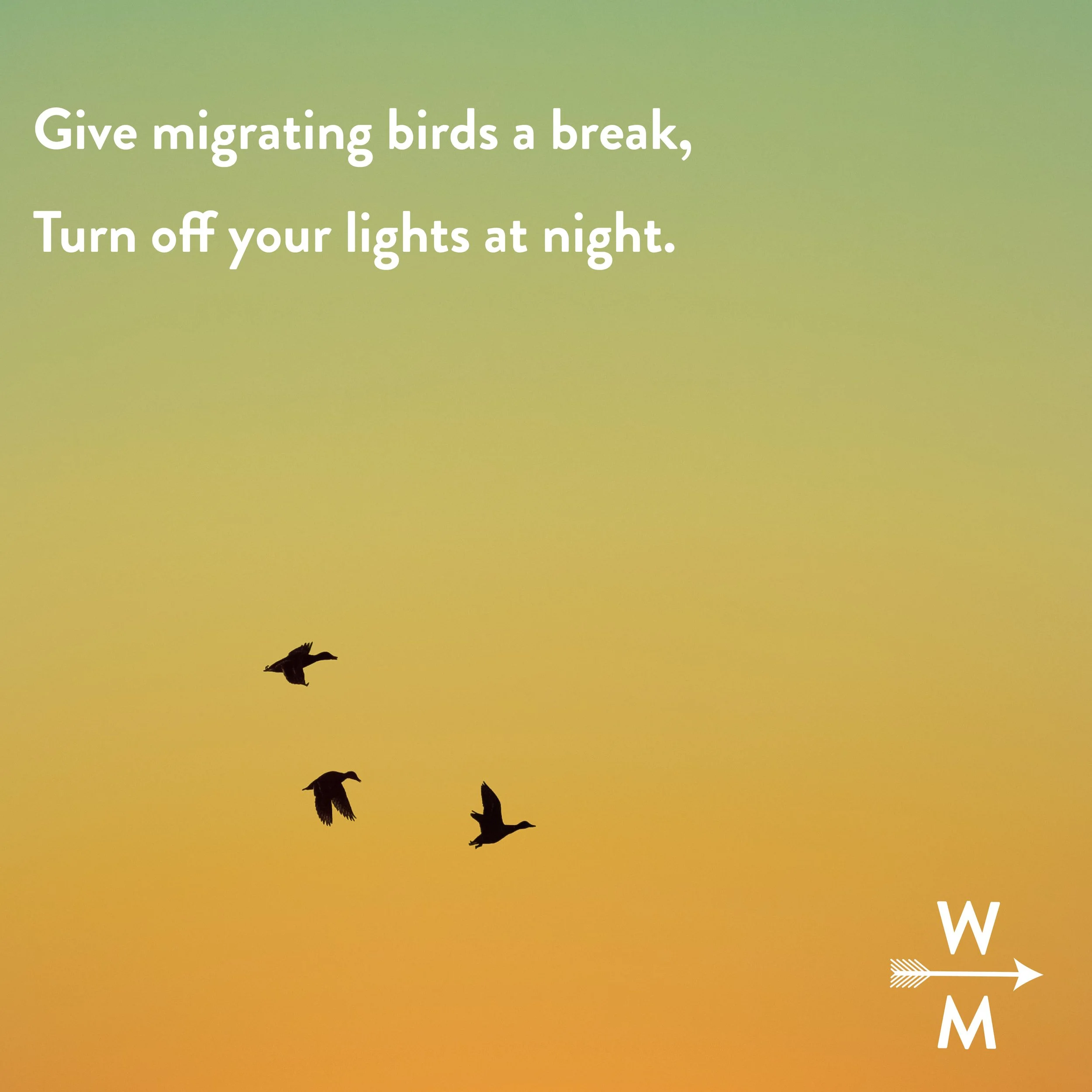
Here's How You Can Help Birds During their Migration


It’s bird migration season! Here are a few ways you can make sure they have a safe journey.

According to AllAboutBirds.org, Geese winging their way south in wrinkled V-shaped flocks is perhaps the classic picture of migration—the annual, large-scale movement of birds between their breeding (summer) homes and their nonbreeding (winter) grounds. But geese are far from our only migratory birds. Of the more than 650 species of North American breeding birds, more than half are migratory.

Why Do Birds Migrate?

Birds migrate to move from areas of low or decreasing resources to areas of high or increasing resources. The two primary resources being sought are food and nesting locations. Here’s more about how migration evolved.

Birds that nest in the Northern Hemisphere tend to migrate northward in the spring to take advantage of burgeoning insect populations, budding plants and an abundance of nesting locations. As winter approaches and the availability of insects and other food drops, the birds move south again. Escaping the cold is a motivating factor but many species, including hummingbirds, can withstand freezing temperatures as long as an adequate supply of food is available.

Where are the birds migrating?


For a live map, click here.

“Real-time analysis maps show intensities of actual nocturnal bird migration as detected by the US weather surveillance radar network between local sunset to sunrise. All graphics are relative to the Eastern time zone. When present, the red line moving east to west represents the timing of local sunset, the yellow line represents the timing of local sunrise. Areas with lighter colors experienced more intense bird migration. Orange arrows show directions to which birds flew. Green dots represent radar locations for which data are available; red dots represent radar locations with no data available. Note that many radars in mountainous areas (e.g. the Rockies) have obstructions that restrict radar coverage, providing the appearance of no migration where migration may be occurring.” - Birdcast.info

How you can help

This high-endurance pilgrimage isn't without danger. Outdoor cats, poorly placed communications towers, unforgiving and — to birds — invisible glass surfaces, and pesticide-laced plants all await. Add to that an ongoing crisis of habitat loss and it's no mystery why so many birds fail to reach their destinations during spring migration.

The good news is that all of us can take steps to make migration a little safer. Even better, many of these activities are simple, free, and require only a few minutes. To get started, have a look at abcbirds.org’s top suggestions — and find the solutions that work for you.

Turn Off the Lights

"Up to 1 billion birds die each year in the United States from colliding with buildings or structures. As migratory birds travel through cities with large buildings and bright lights, they can become disoriented by the lights, causing them to collide.

You can help birds during critical migration periods by turning off all non-essential lights from 11 p.m. to sunrise. Learn more about how you can help by visiting BirdCast's Lights Out webpage. You can also find out if a large number of migratory birds is passing through your area by checking BirdCast's online alerts."

Paint a Window Warning

"Hundreds of millions of birds in the U.S. die from hitting glass every year – almost half of those on home windows. Luckily, there are many ways to make your windows safe for birds. One of my favorite methods is applying tempera paint to the outside surface of glass. Tempera is nontoxic, cheap, easy to use (and remove) and amazingly long lasting — even in rain. If you're short on time, using a sponge is a good way to make a quick pattern. With a little more effort, you can create spring-themed designs or even small works of art depicting your favorite birds; either will help prevent collisions. Remember: Whatever kind of design you use, make sure your lines are no more than two inches apart to help smaller birds avoid collisions."

Support the Laws That Migratory Birds Can't Live Without

"The Migratory Bird Treaty Act (MBTA) is one of the most important pieces of legislation affecting birds in the U.S. Unfortunately, the previous administration made the MBTA harder to enforce by claiming that the law does not address unintentional harm to birds caused by industrial activities. This move is expected to be reversed by the Biden Administration, but we need to ensure that MBTA protections are in place permanently. Please ask your Representative and Senators to be co-sponsors of the Migratory Bird Protection Act, a bill that would strengthen the MBTA and go even further to protect migratory birds."

Protect Birds From Cats

"Cats are lovable pets, but they're also instinctive predators. One cat alone may kill up to 55 birds each year. It all adds up! So keep your cat on a leash or in an enclosure to protect migratory birds (and keep your cat safe, too). Don't have a cat? You can still support bird-friendly practices in your community by encouraging the passage of local ordinances mandating responsible pet ownership. Learn more about other simple actions you can take to protect birds on our Cats Indoors page."

Reduce Your Plastic Footprint

"It's estimated that there are about 330 billion pounds of trash on our coasts and in our oceans, with another 17 billion pounds of plastic entering the marine environment each year. Birds can ingest plastics or become entangled in them, which can cause serious injuries or even death.

No matter how far you live from our coasts, your daily actions can have an impact! Eighty percent of trash in the marine environment comes from land-based sources, as trash easily travels via gutters, rivers, bayous, and other watery pathways to our oceans. Switching from disposable plastic items to reusable alternatives is a great way to reduce trash. Consider using reusable bottles, cups, bags, utensil sets, and more — there are many great ways to reduce your plastic footprint! To learn more, check out ABC's clean coast program, Stopping Plastics and Litter Along Shorelines (SPLASh)."

Buy Bird-Friendly Coffee

"After oil, coffee is the most traded commodity in the world. To meet demand, coffee is often grown on monoculture plantations across the world, which cover hundreds of thousands of acres and reduce habitat for birds and wildlife. However, there is a better alternative. Shade-grown coffee, cultivated under existing tree canopies, doesn't require deforestation, leaving habitat intact for wildlife. It also tastes great.

The Bird Friendly coffee certification developed by the Smithsonian Migratory Bird Center establishes the best coffee farming practices to provide birds with forest-like habitat. Birds are not the only ones to benefit from Bird Friendly coffee; farmers who receive certification from the Migratory Bird Center can also access better prices for their coffee. In early 2021, ABC and its Venezuelan partner, Provita, worked with farmers to help market and sell Venezuela's first-ever Bird Friendly coffee."

Keep Your Woods Wild

"You can provide habitat for birds during spring migration by letting things around the house get a little messy. I have a wooded backyard, so I try to leave it as natural as possible. I let the understory grow and pull invasive plants such as Japanese Stiltgrass and Garlic Mustard. I leave logs and fallen branches in place to shelter insects and other small critters that birds feed on.

When larger trees break or fall, I leave them be — as long as they're not hanging over the roof. This gives snag-nesting migrants like the Great Crested Flycatcher places to nest — along with year-round residents like the Eastern Screech-Owl and Downy, Hairy, Pileated, and Red-bellied Woodpeckers — and is a nice source of grubs and other bird food."

Give Beach-nesting Birds a Break

"As temperatures rise, many of us begin heading to the beach. And we're not alone: This is a critical time for several migratory species — I'm thinking of Black Skimmers, Snowy Plovers, and Least Terns — that lay their eggs in the sand and are particularly vulnerable. One of the biggest challenges they face is the threat from unleashed dogs. Our team in the Gulf Coast region has seen loose dogs eat eggs and take chicks. This is a big problem, considering that nearly all of these birds have declining populations. The obvious solution is to leash dogs. As our team likes to say, 'Bird-friendly beaches have dogs on leashes!'"

Support Groups That Are Making Birding More Inclusive

"Everyone should be able to enjoy the wonders of bird migration, and we all have a role in making that possible. Many who engage in birding face issues related to discrimination, safety, and access, including birders of color, women, LGBTQIA+ people, or folks with disabilities.

In addition to events like Black Birders Week and Latino Conservation Week, groups such as Birdability and the Feminist Bird Club are working to address these and other barriers through advocacy, education, and community engagement. By following and supporting this work, we can help the communities these groups serve and the birding community at large. Bringing more people into the fold, with diverse perspectives and experiences, is also a good way to strengthen bird conservation. As Dr. J. Drew Lanham wrote: ‘If the goal is to conserve, then we need all involved that we can muster.'"

Fuel a Hungry Hummingbird

"Put out those hummingbird feeders during spring migration — the hummers are arriving. Be sure to use a mixture of four parts water to one part sugar. And do without the dye: Red dyes serve no purpose. Most hummingbird feeders already have enough color on them to attract hummingbirds, and, even worse, these dyes contain petroleum that may be harmful to hummingbirds. Don't forget to change the mixture and clean feeders often to be sure it's fresh and safe for those super-charged flying jewels."

Inspire a Future Bird Conservationist

"I have younger nieces and nephews in Wisconsin, and when I visit them during spring migration, I like to make sure they get outside, where I can introduce them to birds: Mr. Blue Jay, Mr. Cardinal, Mrs. Common Yellowthroat. Introducing birds to kids at a young age can instill a desire to explore the natural world. And that's only one benefit. It also helps children bond with wildlife and develop an environmental ethic that will, hopefully, remain with them for the rest of their lives. I'm hoping one of my nieces or nephews will be the John Muir of 2030!”

For more information, be sure to check out bird supporting organizations such as ABC Birds, All About Birds, and Birdcast.

Related Links

If there is a home that you would like more information about, if you are considering selling a property, or if you have questions about the housing market in your neighborhood, please reach out. We’re here to help.

Search Homes in Colorado

Search Homes in Oklahoma

Search Homes in Oregon

9 Things You Should Do to Your Home Before Fall Starts

 
fall-maintenance.jpg
 

Sweater weather is coming—and you need more than a PSL to get ready for it.

It would be amazing if all you needed to prep your home for fall was hang a wreath and light a bunch of pumpkin spice candles. While yes, those are a crucial part of getting ready for the change of seasons, there are more important (and not exactly fun) preparations that come with being a homeowner. Consider this everything you need to know before your house transitions from hot summer days to cool fall nights...and eventually freezing temperatures.

Clean, or possibly replace, your gutters.

Real talk: You're so used to your gutters working properly — and draining thousands of gallons of water from your roof yearly — that you forget they could use a little TLC. If they're clogged, you can end up with a flooded interior and damaged exterior. So clean them, and if necessary, replace them (Amazon Home Services will do it for $116).

Check for drafts.

Heat loss through windows is responsible for 25-30 percent of heating energy use, according to the U.S. Department of Energy. But it doesn't have to be that way, because weatherstripping is simple and probably the most cost-effective way to keep heating costs down.

Pro tip: To check if you have a draft issue, close a door or window on a strip of paper. If the paper slides easily, you need to update your weatherstripping.

3. Drain your outdoor faucets.

Say it with me now: "I will turn off all outdoor faucets before winter!" Drain and disconnect all garden hoses from outside spigots to prevent any water freezing. Not doing this can result to pipes bursting, so yeah, do this.

4. Bring your outdoor furniture in.

Yes, your furniture is outdoor furniture. No, that does not mean you should test the label by leaving it outside through hurricane-like weather and snowstorms. It cost you money and time to set that outdoor space up, so if you want to get another summer season out of it you should store it in a garage or shed. If you don't have anywhere to store the items, you should cover it in a waterproof furniture cover, which you can snag on Amazon for 36 bucks.

5. Fix any cracks in your driveway.

I know, I know — this seems tedious and is one of those things where you're like, "eh, it'll be fine!" But, it could very easily not be fine. When water gets into cracks it freezes, expands, and can make the crack even bigger. Enough small cracks can turn into big cracks, and eventually the concrete can crumble. Plus, uh, you'd probably prefer a driveway without a giant pothole. So, using concrete crack sealer, fill it up and be done with it.

6. Change your filters.

Found: Another thing in your house that might be costing you more money then it should be. If your filters are clogged, it's harder to keep your home at the temperature you want it too be which will increase your heating bills. Clean these filters monthly, not just before the fall, and thank me later. FYI: Disposable filters can be vacuumed one time before you replace it, and foam filters can just be vacuumed and not replaced.

7. Fertilize your lawn.

You know what they say: The best offense is a good defense. If you want to keep your lawn looking great in the spring and summer, you need to prep it for the fall and winter. Roots are still active when the grass isn't growing, so applying fertilizer will prevent winter damage. Doing this will also help your lawn turn green faster in the spring, which is crucial, because who wants to look at a sad lawn once it gets nice out?

8. Test winter equipment.

Hi, I'm here from the future, where your snow blower isn't working and you're stuck inside and can't get your car out to buy a new one. Seriously, just check it all now and make your life easier later.

9. Change your batteries.

Once a year you should be checking to make sure all smoke detectors and carbon monoxide devices are working. Since you're already testing everything else out, you might as well add this on.

Visit Home Beautiful for more.

Related Links

If there is a home that you would like more information about, if you are considering selling a property, or if you have questions about the housing market in your neighborhood, please reach out. We’re here to help.

Search Homes in Colorado

Search Homes in Oklahoma

Just Listed: Tons of upgrades in Genesee Village


It doesn't get much better than Genesee-living in the gorgeous foothills of Colorado.

Enjoy the beauty of nature's four seasons while being conveniently located close to the city of Denver -- typically just a 25-minute drive! This home is an absolute delight with hardwood floors, BRAND NEW carpet, a BRAND NEW furnace, and a BRAND NEW garage door, among other updates, such as the nicely upgraded kitchen. Large sliding glass doors lead to an expansive composite deck and showcase lovely foothills community views. The primary suite is private with a large loft just outside its french doors on the upper level, a 5-piece bath, gas fireplace, and large closet. Downstairs, another living area with two bedrooms, full bath, a garden-level basement provide ample space for living and entertaining. Another lower composite deck stretches out with views of the community pool. For those wanting to escape the heat of the city, temperatures are often 10 to 15 degrees cooler on any given day, allowing for extended outdoor time in peak Summer months. And for anyone who enjoys the majesty of wildlife, herds of deer and elk grace the community on a regular basis, and you can even see the occasional fox dart by! This home is primed to be adored by its new owners -- a quick shot to the serene mountains and convenient proximity to downtown happenings -- truly the best of both worlds.

Listed by Kendra Lanterman for West + Main Homes. Please contact Kendra for current pricing + availability.


Have questions?
West + Main Homes
(720) 903-2912
hello@westandmainhomes.com

Presented by:
Kendra Lanterman
(720) 434-6432
kendra@westandmainhomes.com


Search homes in Colorado
 

Just Listed: Breezy backyard patio in Baker


Welcome to the Historic Baker neighborhood!

This unique 1920's construction features ornate brickwork that speaks to the eclectic vibe of the neighborhood. Located on a mature tree lined street, and with a meticulously maintained front yard, this home is inviting immediately upon arrival. Mornings relaxing on your covered front porch are tranquil, as you gaze out over Dailey Park and enjoy the green open space across the street. Upon entering your home, you're greeted with high ceilings, refinished original hardwood flooring, a modern open concept living space with formal dining, and an updated kitchen with stainless appliances and granite counters. The two spacious bedrooms and updated full bath complete the main floor, but it's only the beginning. Love to entertain? This home is ideal with a large vaulted covered patio off the kitchen, complete with ceiling fans and plenty of space to lounge and enjoy an al fresco meal. Enjoy hosting company or simply need more room to spread out? The fully finished basement complete with two additional bedrooms plus another full bath and bonus living room complete this historic bungalow. Located centrally, only minutes from downtown, easy mountain access, and close to South Broadway, this home is in the perfect Denver location. Plus with a newer two car garage and central air conditioning, this lovely home checks all the boxes for your urban oasis.

Listed by Brianna Kliesmet for West + Main Homes. Please contact Brianna for current pricing + availability.


Have questions?
West + Main Homes
(720) 903-2912
hello@westandmainhomes.com

Presented by:
Brianna Kliesmet
(303) 589-9229
brianna@westandmainhomes.com


Search homes in Colorado