The Hidden Costs of Buying a Condo


A condominium may appear to be an excellent investment at first glance.

Most come with numerous amenities, maintenance-free living, and a great location. However, there are hidden costs that are often talked about. Nobody likes financial surprises as they can cause excessive stress levels.

Let’s take a look at a few of the hidden condominium buying costs that must be accounted for before purchasing.

Homeowner’s Association Charges

Condo owners can avoid landscaping, roof repair, deck repair, and sometimes even window repair charges. However, their investment isn’t entirely maintenance-free. Condos have annual, monthly, or quarterly charges in the form of homeowner association fees that cover typical building maintenance.

These fees tend to increase at per with the property value and as the property ages and requires more maintenance.

Understanding property association fee amounts, frequency of payment, and rules governing increases are critical in ensuring they don’t overeat into your pocketbook or wallet.

When buying a condo, carefully look over the financial statement. Ensure there is economic stability and plenty of money in the reserve fund.

Special Assessments Are Unplanned Expenses

Property association charges generally cover typical costs. However, unplanned expenses are inevitable and must be passed over to condominium owners when they occur. These are known as special assessments and are typically significant expenses.

They can be a tough pill to swallow, especially for new owners who have just purchased and weren’t aware of them.

A typical example would be expenses to rebuild a balcony that has been deemed unsafe. If all balconies must be redone, the cost is generally shared among all condo owners. Another example is the roof on the clubhouse needing replacement. These costs can add up quickly.

Most unplanned expenses aren’t optional and need to be met by every property owner. The importance of knowing a condominium’s prior unexpected expenses history can’t, therefore, be overlooked.

It also helps to know the protocol for unplanned expenses. There are many questions to be asked when buying a condo and anything related to fees is crucial.

Additional Insurance

While the property must have insurance, condominiums have unique insurance needs. Even if you take a mortgage to finance your purchase which typically comes with insurance, you should consider severe but commonly overlooked risks.

For instance, condominiums spread across the beach to offer expansive ocean views come with additional risks. Proximity to the beach is a great marketing tool. However, standard homeowner insurance policies don’t cover damage linked to hurricanes, flooding, and wind.

The location of many oceanfront condos makes them susceptible to flooding. Most are located in or near flood zones demanding additional insurance protection. It’s therefore up to a condominium owner to take additional coverage for their unit.

To avoid hidden insurance costs, it’s advisable to see what the current insurance protects before buying the condo. The exclusions at this stage can be used to negotiate for a better buying price.

Alternatively, you’ll be able to see if the additional insurance cost makes sense. Insurance agents can assess current coverage to identify further needs.

Consulting an insurance agent ensures you uncover hidden insurance costs that help you make a more informed condo purchasing decision.

Final Thoughts

Owning a condo is a great way to have a vacation property or downsize after retiring without compromising on most things. However, the above information highlights the hidden costs of owning a condo that is commonly overlooked. Acknowledging these costs of buying a condo is critical to ensure your condominium investment makes sense in the long term.

Before making that final purchase decision, talk to the Realtor, insurance agent, loan provider, and property association manager. These professionals should be part of the final process in determining if purchasing a condo is right for you.

Keep reading on RISMedia.

Related Links

If there is a home that you would like more information about, if you are considering selling a property, or if you have questions about the housing market in your neighborhood, please reach out. We’re here to help.

Search Homes in Colorado

Search Homes in Oklahoma

Search Homes in Oregon

Colorado mountain towns can now use tourism tax revenue to deal with visitor hordes, housing shortage


House Bill 1117 was signed into law Thursday by Gov. Jared Polis after passing the Colorado legislature with bipartisan support.

Voters in mountain towns could soon redirect lodging taxes traditionally collected to lure visitors toward housing and recreational infrastructure. 

Gov. Jared Polis signed House Bill 1117, the bipartisan legislation allowing that option, into law Thursday in Edwards. Since 2002, voters in 29 Colorado counties have approved a lodging tax for tourism marketing. The new legislation allows counties and local marketing districts to spend as much as 90% of lodging taxes previously collected for tourism on affordable housing, child care for local workers and “enhancing visitors experiences,” which includes investment in recreational infrastructure such as trails.

It’s the kind of proposal that tourism officials in Colorado traditionally have opposed. But after the last couple years, with a pandemic-driven real estate frenzy fueling a housing crisis and labor shortage that is threatening rural communities overwhelmed by visitors, many of Colorado’s tourism boosters support the plan to repurpose marketing dollars.

“There’s been a lot of consternation around this. A lot of hard conversations. But tourism is not opposing this,” said Lucy Kay, the president and CEO of the Breckenridge Tourism Office. Her office in 2016 changed its mission from “come here!” marketing to include managing visitor impacts. “We all need housing. This helps us support issues that are critical to the hospitality industry. We would love these places to be better by having tourism and not have tourism considered as just an impact.”

Many of Colorado’s strongest regional tourism organizations — including in Aspen, Breckenridge, Telluride and Vail — shifted away from pure marketing several years ago. Those groups are now in the business of lessening the impacts of visitors, spending lodging taxes on things like luring new businesses to town and training workers and tourism campaigns that educate visitors about taking care of natural resources and respecting local communities. 

But Colorado’s laws for marketing districts that collect lodging taxes prevented spending on capital projects other than tourist information centers. House Bill 1117 changes that, marking a fundamental shift in tourism spending, with focus not just on visitors, but locals. The bill allows voters to decide how to divide lodging tax revenue between tourism promotion, housing, childcare and recreational improvements, but it requires that at least 10% remain dedicated to tourism marketing.

“A visitor’s experience is also heavily influenced by the host community’s ability to support their residents and local workforce with housing and other essential services, as well as a strong quality of life that comes with our amazing natural and cultural assets,” the bill reads. “Robust support for our residents’ needs is essential to the long-term health of both our communities and our economy.”

Gunnison County changed the name of its tourism association to the Tourism and Prosperity Partnership in 2019, using a 4% lodging tax collected by the county’s marketing district to support economic development, Western Colorado University, and local entrepreneurs and businesses, while also promoting visitor-friendly events.

Keep reading on The Colorado Sun.

Related Links

If there is a home that you would like more information about, if you are considering selling a property, or if you have questions about the housing market in your neighborhood, please reach out. We’re here to help.
Search Homes in Colorado

Welcome to mud season: How to navigate messy Front Range trails in the spring


Open space managers urge users to respect muddy trail closures, avoid travel that causes erosion and trail damage.

For Colorado hikers, trail runners and mountain bikers, spring is mud season. Warm sunny periods punctuated by heavy spring snowstorms turn trails in and near the foothills into muddy messes, just when outdoors enthusiasts are fed up with winter and itching to get outside to play.

You probably already want to avoid muddy trails because you don’t enjoy having your boots covered in fetid glop, but Front Range open space managers are practically pleading for you to find other places to hike when trails are muddy. Hiking on muddy trails causes damage to trails through erosion. And, when people walk on drier ground beside muddy trails, single-track trails get widened.

Fortunately, trails usually dry out between storms. Open space managers close trails when they are muddy but reopen them when they can be used without causing damage. Jeffco Open Space, Boulder County Parks & Open Space and City of Boulder Open Space & Mountain Parks all use social media to let users know when trails close and when they reopen.

Hiking and biking on muddy trails can do significant damage to trails, and widen them, as this photo taken in Deer Creek Canyon Park shows. (Mary Ann Bonnell, Jefferson County Open Space)

“There’s two ways to damage the trail,” explained Mary Ann Bonnell, visitor services and natural resources director for Jeffco Open Space. “The primary one is that people try to avoid the mud, go around it, and trample the plant material that’s actually there to help keep the trail from eroding. We want to keep the plants that are growing next to the trail, because if you lose those plants, you can start having the trail crumble down the side of the mountain. You have erosion that erodes the very trail you’re trying to use.”

The other way to damage the trail is by causing deep footprints or tire tracks. Mountain bikes create grooves that allow water to stream down the trail.

“The bike actually creates a channel that water goes down and carries the actual trail surface,” Bonnell said. “So the very thing the trail is made out of is getting carried away in a water event, especially if there is a bike channel.”

Trail damage causes open space managers to spend resources to repair.

“We’ll get deep ruts, and when they dry up and harden, they need to be repaired because they’re hard to walk on —  deep ruts, footprints, hoof prints,” said Vivienne Jannatpour, public information manager for Boulder County Parks & Open Space. “It costs money and time to go in and smooth it out.”

In recent years, Boulder County Open Space has been increasingly proactive about closing trails, Jannatpour said, and they were surprised to find a lot of support in the community for doing it.

Read the full article on The Denver Post.

Related Links

If there is a home that you would like more information about, if you are considering selling a property, or if you have questions about the housing market in your neighborhood, please reach out. We’re here to help.

Search Homes in Colorado

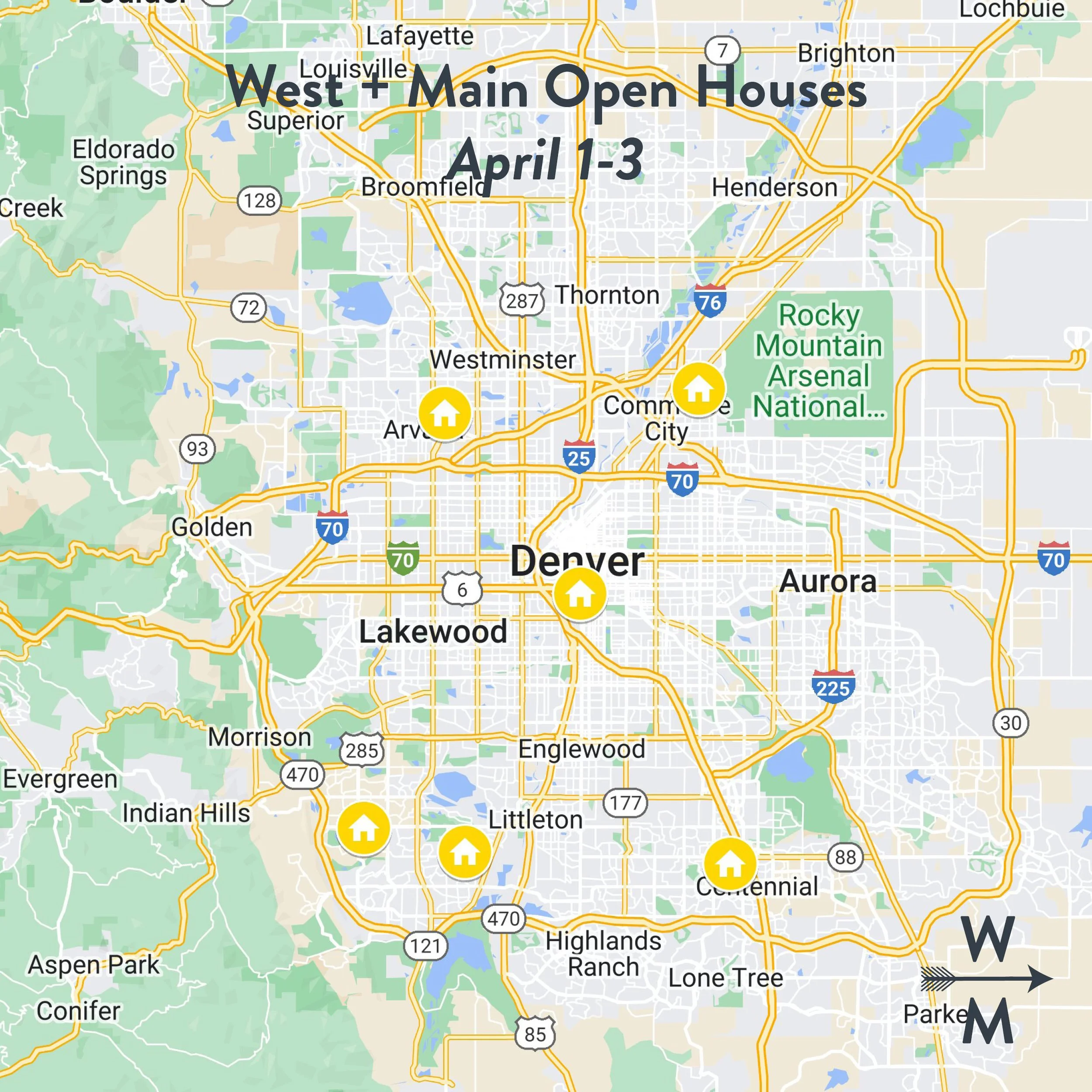
This Weekend: Denver Metro Open Houses for April 1st-3rd


Our agents are hosting Open Houses this weekend all over the Metro Denver. Please reach out to the listing agent for information on times and more information on the listing!


If there is a home that you would like more information about, if you are considering selling a property, or if you have questions about the housing market in your neighborhood, please reach out. We’re here to help.

Search Homes in Colorado

Search Homes in Oklahoma

Are You Ready for Real Estate Investing?


Real estate investing is among the oldest and most rewarding asset classes.

It's a great way of building wealth and can be one of the more reliable types of investment. New investors are usually aware of these benefits, but some are not aware of the several different categories of real estate investments available.

For a savvy investor, focusing your efforts on a specific niche can be the first step in succeeding in your pursuit of financial independence and the benefit of a passive income. What do you need to know about the best types of real estate investment opportunities for your needs? Let's find out.

Types of Real Estate Investing

In 2020, the revenue from the property management field reached an unprecedented $88.4 billion in the U.S. If you're a prospective investor determined to develop, acquire, own or flip real estate, you should first understand the industry by dividing property investment into its various categories.

Residential

Based on US Census Bureau records, renter-occupied housing units accounted for about 30.4% of the overall inventory during the fourth quarter of 2020. Renting just makes sense for a large portion of the population, even if they have a choice to rent or own a property. These properties include houses, apartment buildings, vacation houses, and townhouses where individuals or families pay you to reside in the property. Details about their length of stay are stated in the rental or lease agreement.

Pros: short leases (due for renewal every 6-12 months) allowing you to capitalize on any positive adjustments in the market conditions.

Commercial

Office buildings and skyscrapers basically constitute commercial buildings. Property owners lease out these spaces to companies or small business owners, who then pay rent to use the property. Commercial real estate prices have been on an upward trend. This statistics indicates this category has a considerable ROI in the long term.

Pros: Benefit of longer leases, usually multi-year. Typically, this approach helps generate greater stability in cash flow and often cushions you as the property owner from rental rates decline.

Cons: Markets fluctuate, and its possible rental rates may increase rapidly within a short period. Due to the dated agreements, a property owner may not have the flexibility to increase the rent to match the competitive market rates.

Industrial

These properties generate income from customers who frequent properties such as industrial warehouses, storage units, distribution centers, manufacturing facilities, and other purpose-built properties. As a real estate investor, you charge significant fees and earn service revenue as a means to increase your return on investment.

Retail

Retail properties include shopping malls, strip malls, retail storefronts, among others. Depending on the agreement type, property owners can also receive a portion of sales generated by the stores alongside a base rent. This strategy helps create an incentive for them to maintain the property in remarkable condition and attract shoppers.

Mixed-Use

Typically, mixed-use properties blend any of the above classifications into one project. This catch-all category of real estate investments is attractive for those with considerable assets since they offer a level of built-in diversification that helps control risk.

Real Estate Investment Trusts (REITs)

REITs have risen in popularity in the real estate investment community as an alternative way to invest in real estate. They are popular with investors who don't want the responsibility of overseeing the management of an investment property.

But what's a REIT? This real estate investing strategy involves investment in shares of a corporation dealing or owning real estate properties and allocating a considerable amount of its earnings as dividends.

Cons: tax complexities. Dividends don't enjoy the same favorably low tax rates common stocks attract. But REITs can be an excellent addition to your investment portfolio, preferably when you buy them at the right value—with an adequate margin of safety. Besides, you can also opt for more esoteric areas like tax lien certificates.

As a rule of thumb, lending money for real estate is regarded as real estate investing and can also be accounted for as a fixed-income investment. Akin to investing in bonds, you generate your returns by lending money in favor of interest income.

Investing in a real estate/building and later leasing it back to a tenant, for instance, as a restaurant, is at par with fixed income investing instead of an actual real estate investment. In this case, you're simply financing a property—but this somewhat hedges between investing and financing. Overall, you technically own the building and have a claim to its appreciation and profits.

Getting Started in Real Estate Investing

Every kind of investment has its share of potential benefits and shortcomings, and real estate investing is no different. Smart investors minimize their risks by anticipating the twists in cash flow cycles, economic cycles, potential for natural disasters, and changes in lending traditions. So, it's best to analyze and weigh the opportunities very thoroughly before deciding if real estate investing is the right choice for you.

Real estate investing can carry many rewards with benefits potentially lasting a lifetime. If you apply due diligence, you can capitalize on the available opportunities in what can be a fun and lucrative path.

Read the full article on RETechnology.

Related Links

If there is a home that you would like more information about, if you are considering selling a property, or if you have questions about the housing market in your neighborhood, please reach out. We’re here to help.

Search Homes in Colorado

Search Homes in Oklahoma

Search Homes in Oregon