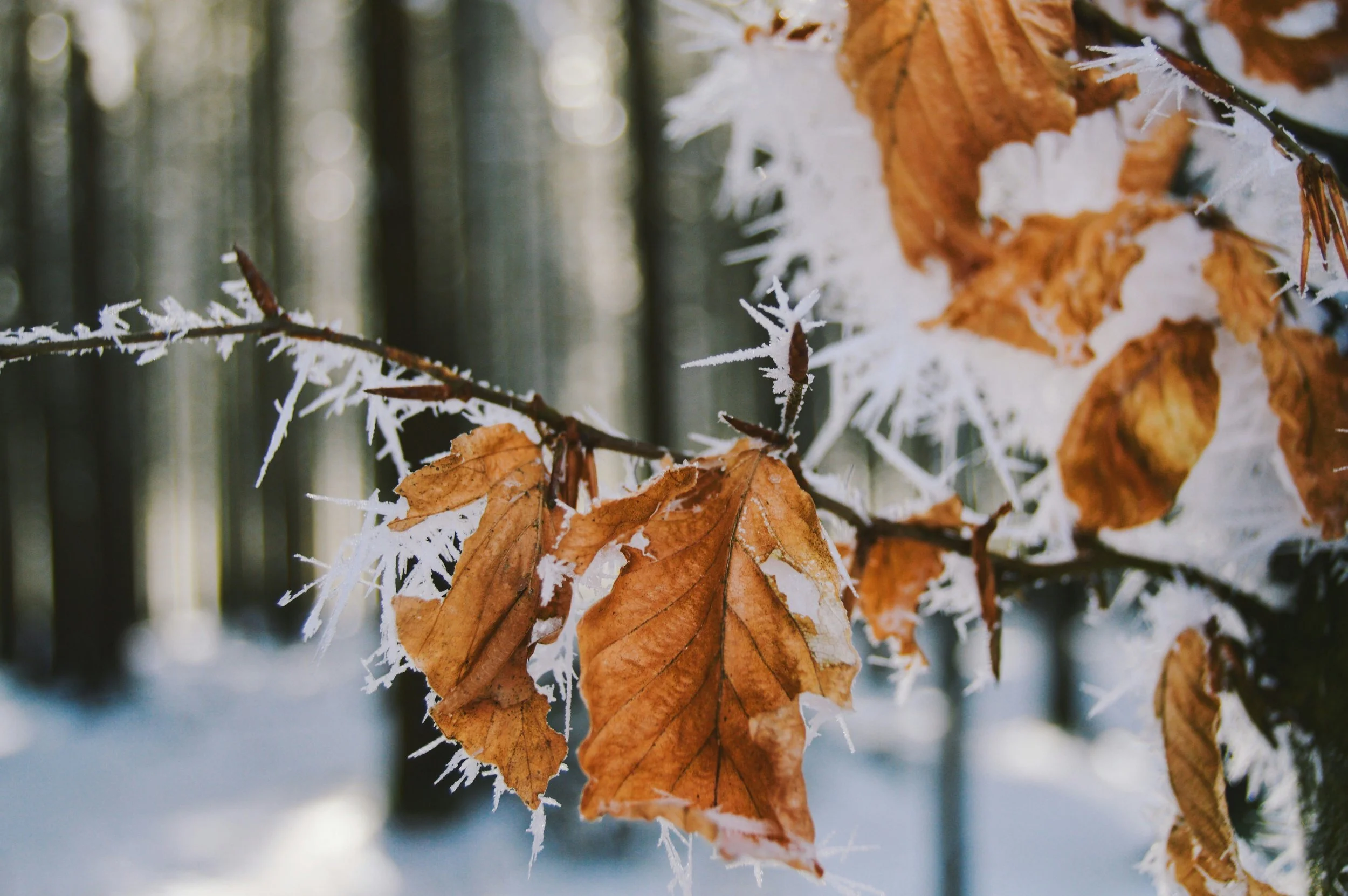
The first frost always sneaks up way quicker than you’d expect. And not to be dramatic, but those few days leading up to it have the potential to make or break next year’s garden.
Frost typically marks the end of the growing season unless you have frost-resistant plants in your beds, but some smart prep now can set you up for stronger perennials and richer soil next spring.
We spoke with a few plant experts to see which gardening tasks should take priority before the first frost hits (because maybe you don’t have time for every single fall chore this year). They shared exactly what you need to do before that first icy morning arrives, so your garden comes through the winter in good shape.
When Is the First Frost This Year?
“The first frost depends on your grow zone, which varies by where you live,” says Rebecca Sears, resident green thumb and chief marketing officer at Ferry-Morse. “In northern regions, the first frost can arrive as early as late-September, while in southern areas it may not occur until November.” You'll need to know which zone you’re in on the USDA Plant Hardiness Zone Map, and plan for the first frost accordingly.
Tammy Sons, plant expert and the founder of TN Nursery, says you can also rely on regional resources for more precise timing. “I consult my local almanac and count backward from that date to make sure I have everything prepared.” Check your county extension office, garden center, or the Old Farmer’s Almanac online to find frost dates for your ZIP code.
What to Prioritize Before the Frost Hits
When you’re racing the clock before the first frost, garden experts say the smartest thing to do is to clear out the excess. “Thoughtful cleanup of your garden beds should be your first priority, as this sets the stage for all other pre-frost preparation,” says Sears. “Removing weeds and some leaf litter, spent annuals, and trimming back diseased or dead perennials provides a clean slate and helps you better understand what needs dividing, mulching, or protecting before the first frost.”
Doing this will improve airflow and soil health, which Sears says will help your beloved perennials establish stronger roots for the next gardening season. But make sure you don’t take your cleanup too far: “Keep in mind that the leaves and stems of your perennials are still photosynthesizing even after the flowers fade, so hold off on cutting until the leaves and stems start to turn brown, indicating that they won’t produce any new growth before the first frost.”
Sons agrees that removing debris is the first step gardeners should take to protect the garden through winter. Her reasoning? You don’t want to carry problems like pests and fungal growth into the next season. “Preparing my garden for the first frost is a critical step in the garden preparation routine," she says. "First and foremost, I clear out any garden debris such as diseased leaves and dead flowers, to avoid inviting insects and mold to hibernate.”
Other Tasks to Complete Before Winter Arrives
Once the beds are cleared and the most problematic debris is gone, your frost prep isn’t quite finished. Here are a few extra tasks you should check off your to-do list to protect your garden and equipment.
Intentionally Leave Some Leaves Behind
Not all frost prep is about what you do. Sometimes it’s about what you leave alone. “When cleaning up garden beds, it’s natural to want to remove all of the fallen leaves, which can reduce mold and fungal growth,” says Sears. “However, many beneficial insects overwinter beneath leaf litter, so removing every leaf can leave them vulnerable to the elements.” Instead, Sears recommends leaving a light layer of leaves in place and cleaning up only where pests or disease might pose a problem.
Apply a Thick Layer of Mulch
Next, Sons mulches heavily around perennials and young trees to provide roots insulation from sudden temperature drops. Apply a fresh 2–4 inch layer of organic material like shredded leaves or straw. Just make sure to keep the mulch a few inches away from the base of the plant to prevent rot.
Trim and Water Perennials
As the first frost approaches, some plants may need a little extra support before they head into dormancy. “I trim back tender perennials and give the soil one last deep watering, so that plants have access to a reserve of moisture during their dormant period,” says Sons. You need to complete this last watering before the ground freezes. (Once the soil is hard, moisture cannot penetrate deep enough, and it could damage your plants.)
Winterize Sprinkler Systems
If you have a built-in sprinkler system, now is the time to shut it down after your last watering. “When winterizing your sprinkler system, your first priority should be to turn off the water supply to your sprinkler system,” says Amy Mattox, landscaping expert and the owner of Conserva Irrigation, Omaha. “Water that is left in the system can freeze when temperatures drop, which can cause the pipes, sprinkler heads, and valves or back-flow preventers to crack and break.”
Waiting until after the first frost to handle this can cause damage that costs more than paying someone to winterize the sprinkler system in advance. “We generally recommend booking your winterization appointment before the first freeze hits (October to November, depending on your market),” says Mattox, who notes that some locations may not need to winterize closer to December or January.
Clean and Store Garden Tools
After you plant your final spring bulbs (ideally a few weeks before the ground freezes), it’s time to put most of your tools away. “Finally, gardeners should clean and store their gardening tools and drain hoses so they are ready to go next season without rust or damage from freezing temperatures,” says Sears.
Wipe blades with a cloth dipped in soapy water or rubbing alcohol, sharpen edges if needed, and store tools in a dry spot like a shed or garage. Some exceptions to this might include a compost fork or pruners for late-season tree trimming, which you’ll want to keep handy.
Read more at Real Simple
Related Links
Astrology Meets Real Estate: Do Planetary Alignments Influence Property Decisions?
The 20-minute trick that will help a carved pumpkin last for weeks
6 Halloween Decor Trends You're Going to See EVERYWHERE This Year
If there is a home that you would like more information about, if you are considering selling a property, or if you have questions about the housing market in your neighborhood, please reach out. We’re here to help.

